
Understanding the weather in Maine is essential for any traveler planning to explore the rugged coastline, vast forests, and quaint harbor towns of the “Pine Tree State.” Because Maine experiences four distinct seasons, each offering a drastically different landscape and atmosphere, your choice of when to visit will define your entire experience. From the vibrant, fiery foliage of autumn to the pristine, snow-covered silence of winter, Maine is a land of meteorological extremes and atmospheric beauty.
Seasonal Shifts: The Rhythm of the Atlantic Coast
The climate of Maine is primarily humid continental, though its coastal location creates a maritime influence that moderates temperatures compared to the inland regions. As you move from the southern coast toward the northern wilderness, you will notice significant variations in both temperature and snowfall.
Spring: The Time of Awakening
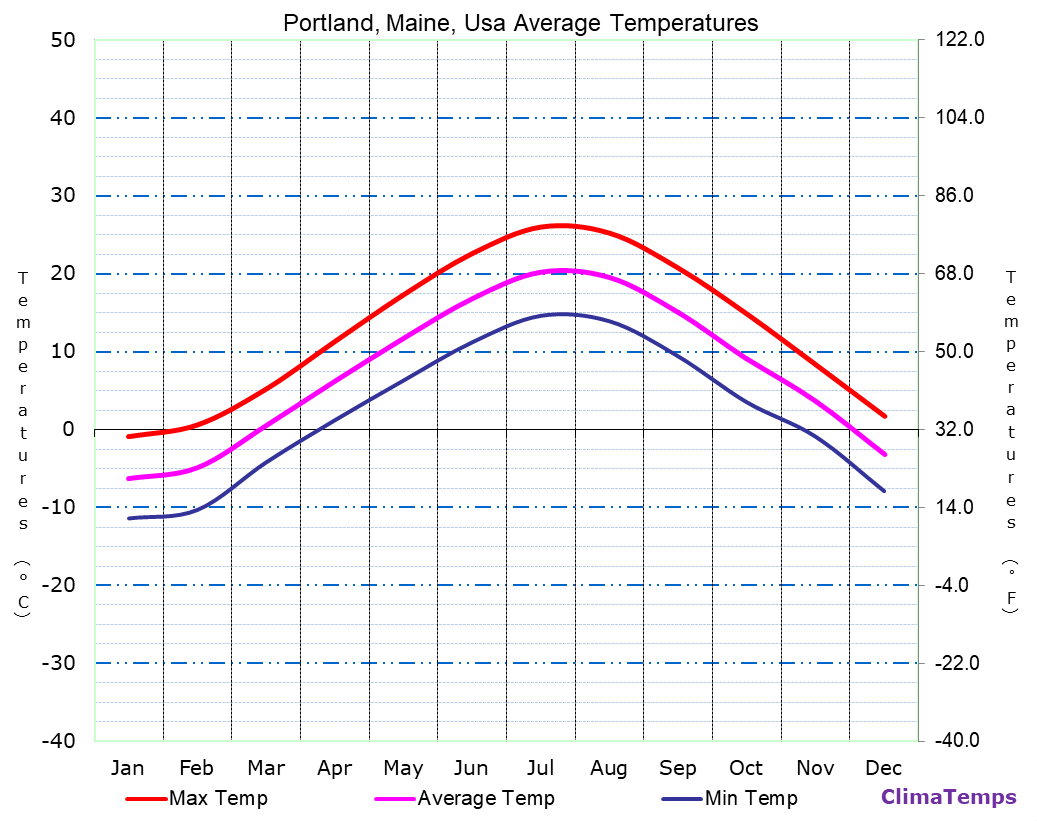
Spring in Maine is a transition period often referred to as “mud season” by the locals. Spanning from late March to May, the melting snow saturates the ground, making hiking trails and rural roads quite messy. However, this is also a time of quiet renewal. As the temperatures climb from the 30s into the 60s Fahrenheit, the landscape begins to turn from slate gray to lush green. Visitors arriving in late spring can witness the blooming of wildflowers and the return of migratory birds, providing a peaceful and uncrowded environment for those looking to avoid the summer peak.
Summer: The Jewel of the Northeast
Summer, ranging from June through August, is the most popular time for travelers to descend upon the Atlantic Ocean coastline. Temperatures are typically comfortable, hovering in the 70s during the day and cooling significantly at night. This is the ideal window for visiting Acadia National Park or exploring the historic streets of Bar Harbor. The cool sea breezes provide a welcome reprieve from the heat found further south in New England, making it a prime destination for outdoor activities like kayaking, sailing, and cycling.
Autumn: The Golden Canopy
Widely considered the most beautiful time of year in Maine, autumn brings a spectacular display of color as the deciduous trees turn shades of crimson, orange, and gold. The air turns crisp, with daytime highs in the 50s and 60s, providing perfect weather for hiking Mount Desert Island or exploring the scenic lighthouses near Portland. The early weeks of September retain some summer warmth, while October invites the characteristic chill of the approaching winter, making it the perfect time for a cozy getaway.
Understanding the Regional Meteorological Nuances
While the state as a whole shares a seasonal calendar, the geography of Maine creates distinct microclimates. The state’s immense size and varied terrain—ranging from low-lying coastal marshes to the high peaks of the Appalachian Mountains—mean that weather forecasts can vary wildly depending on your specific destination.
Coastal vs. Inland Climates
The coastal region, home to iconic spots like Kennebunkport and Camden, is heavily influenced by the Gulf of Maine. The ocean acts as a heat sink, preventing extreme temperature spikes in the summer and offering slightly warmer winters than the interior. If you are planning a coastal vacation, always pack layers; even on the sunniest July day, a fog bank can roll in from the ocean, dropping temperatures by twenty degrees in a matter of minutes.
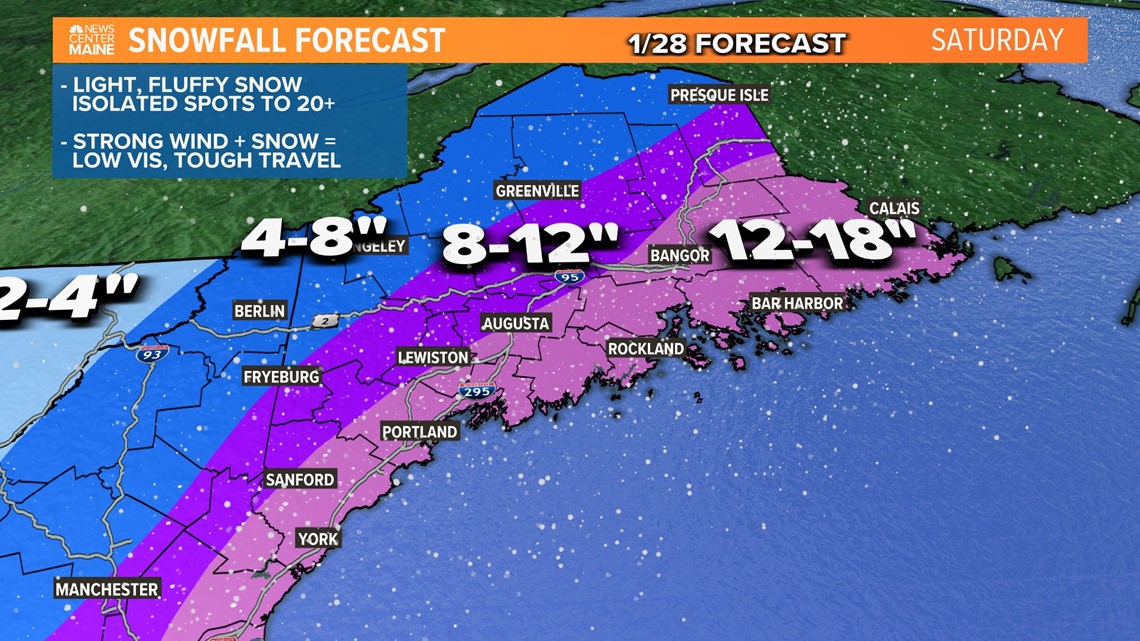
Inland Maine, particularly the northern reaches near Baxter State Park, experiences a much more continental climate. Winters here are long, harsh, and characterized by deep, persistent snow cover. This region is a haven for those seeking winter sports, as the heavy snowfall provides excellent conditions for snowmobiling, cross-country skiing, and dog sledding.
The Impact of Elevation
As you venture into the mountainous regions, including the area surrounding Sugarloaf Mountain, elevation becomes the primary factor in weather patterns. Even when the lowlands are enjoying a mild spring day, the peaks may still be trapped in the depths of winter. Hikers and backpackers should always consult high-altitude forecasts, as wind speeds and temperatures at the summit of peaks like Mount Katahdin can be significantly more dangerous than those at the trailhead.
Tips for Planning Your Trip Around the Weather
The secret to enjoying Maine is accepting that the weather is part of the charm. Whether you are caught in a summer storm or a crisp autumn breeze, the environment is intrinsically tied to the local culture.
What to Pack for Every Season
- Layering is Key: Regardless of the time of year, never leave home without a high-quality windbreaker or waterproof jacket. The proximity to the North Atlantic ensures that unexpected rain or sea mist is common.
- Footwear Matters: If you are visiting in spring or fall, waterproof hiking boots are essential. Even in the summer, if you plan on exploring rocky shorelines like those at Pemaquid Point, sturdy, closed-toe shoes will serve you better than sandals.
- The Winter Essential: If you plan on visiting Maine between December and March, you must come prepared for extreme cold. A heavy insulated coat, thermal layers, wool socks, and a warm hat are non-negotiable, as temperatures frequently drop well below zero, especially at night.
Leveraging Local Forecasts
Do not rely on national weather apps alone, as they often struggle to capture the complex coastal weather patterns of Maine. Instead, look for local news outlets in Augusta or the regional forecasts for the specific county you are visiting. If you are planning a boat trip or a coastal excursion, always check the marine weather reports specifically, as the conditions on the water can differ dramatically from those on the land.

Embracing the “Mainely” Weather
There is a saying among locals that if you don’t like the weather in Maine, just wait five minutes. This rapid variability is a hallmark of the region’s climate. Do not let a rainy forecast cancel your plans to visit a historic landmark like the Portland Head Light. Often, the most dramatic and atmospheric photos are taken during the changing of the weather, when the clouds break over the dark, churning waters of the coast.
Ultimately, the weather in Maine is a dynamic backdrop to an incredible destination. By understanding the seasonal ebbs and flows and preparing for the variability of the northern climate, you can ensure that your visit to New England is as comfortable as it is memorable. Whether you seek the sun-drenched beaches of Ogunquit or the snowy trails of the northern woods, the state’s diverse weather offers something for every type of traveler. By respecting the power of the Atlantic Ocean and the influence of the northern latitude, you will be well-equipped to experience the best that this breathtaking corner of North America has to offer.
LifeOutOfTheBox is a participant in the Amazon Services LLC Associates Program, an affiliate advertising program designed to provide a means for sites to earn advertising fees by advertising and linking to Amazon.com. Amazon, the Amazon logo, AmazonSupply, and the AmazonSupply logo are trademarks of Amazon.com, Inc. or its affiliates. As an Amazon Associate we earn affiliate commissions from qualifying purchases.