
Miami, often celebrated as the “Gateway to the Americas,” is a vibrant, sun-drenched metropolis in Florida, United States. Its allure stems not just from its stunning beaches, dynamic nightlife, and rich cultural tapestry, but also significantly from its famously warm and inviting weather. Understanding Miami’s climate is paramount for any traveler planning a trip, as it dictates everything from packing choices and activity planning to accommodation preferences and even the best time to find deals. Whether you’re considering a luxurious stay at a South Beach resort, an adventurous exploration of Everglades National Park, or simply a relaxing escape, the weather plays a central role in shaping your Miami experience.
This guide will delve deep into Miami’s unique climate, breaking down its seasons, discussing what to expect month by month, and offering practical advice on how to make the most of your visit, regardless of the forecast. From the balmy winter breezes that attract snowbirds to the exhilarating afternoon thunderstorms of summer, Miami’s weather is as much a part of its charm as its iconic Art Deco Historic District or the lively rhythms of Little Havana.
Miami’s Tropical Climate Explained
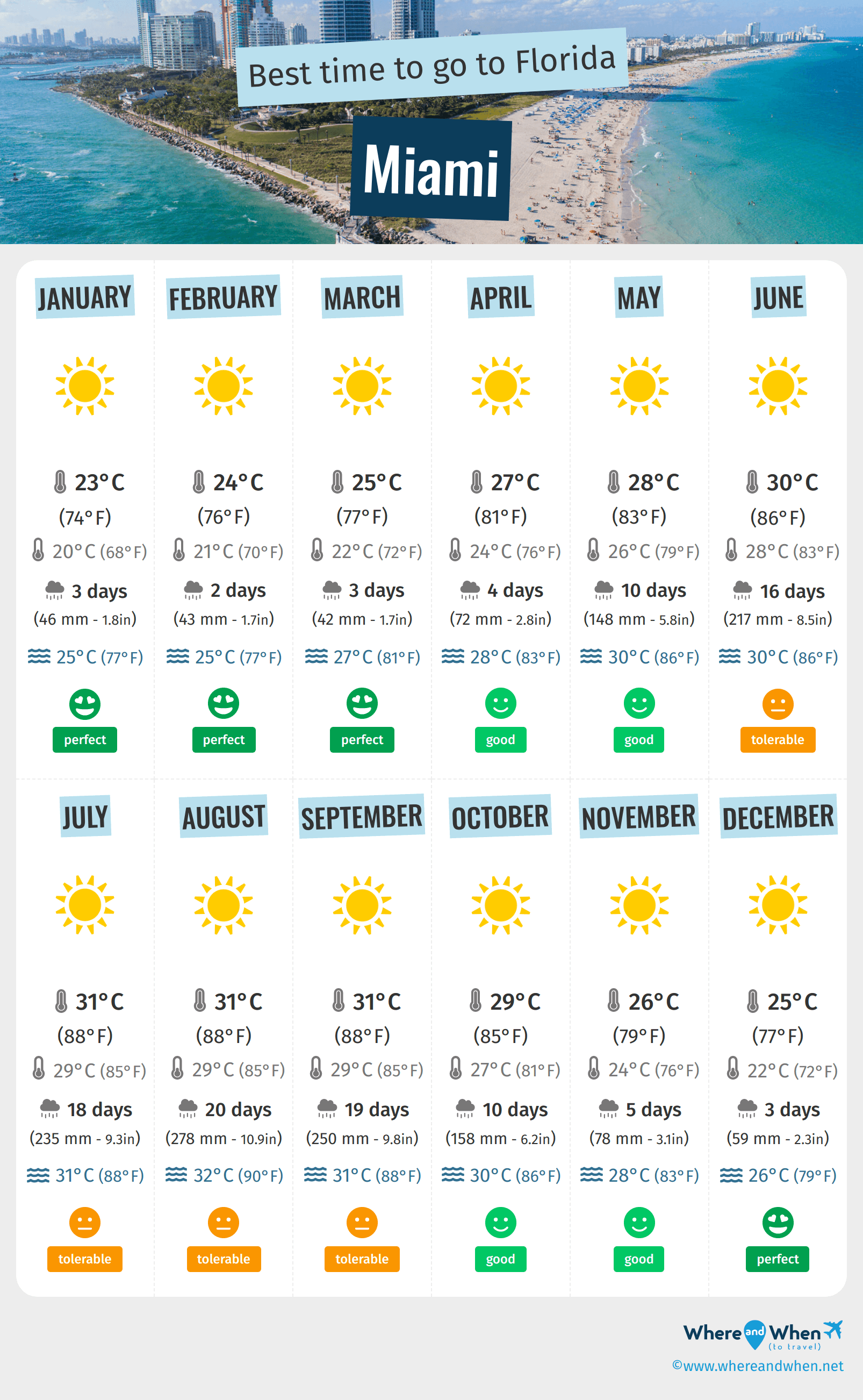
Miami enjoys a tropical monsoon climate, a characteristic that sets it apart from many other major cities in the United States. This classification means it experiences distinct wet and dry seasons, consistently warm temperatures throughout the year, and high humidity, especially during the summer months. The city’s proximity to the Atlantic Ocean and the Gulf Stream significantly influences its weather patterns, contributing to its generally mild winters and humid summers.
Seasons in the Sunshine State
Unlike regions with four distinct seasons, Miami primarily operates on a two-season cycle:
- The Dry Season (roughly November to April): This is often considered the “winter” period, characterized by lower humidity, less rainfall, and pleasant, warm temperatures. It’s the peak tourist season due to the desirable weather conditions. Daytime temperatures typically range from the mid-70s to low 80s Fahrenheit (24-28°C), with cooler evenings that might require a light jacket. Rainfall is minimal, making it ideal for outdoor activities and sightseeing. This period also largely falls outside the official hurricane season.
- The Wet Season (roughly May to October): This period, colloquially known as “summer,” is defined by higher temperatures, soaring humidity, and frequent afternoon thunderstorms. While these storms can be intense, they often pass quickly, leaving behind refreshed air. Temperatures consistently hover in the high 80s to low 90s Fahrenheit (30-34°C), with heat indices often making it feel much hotter. This is also the official hurricane season, which runs from June 1st to November 30th. While direct hurricane strikes are rare, the possibility exists, and travelers should monitor forecasts.
Year-Round Sunshine and Warmth
One of Miami’s biggest draws is its virtually endless sunshine. Even during the wet season, the sun usually makes an appearance for a good portion of the day. The average annual temperature is around 77°F (25°C), making it a reliable destination for those seeking warmth. Frost and snow are almost unheard of, with the last measurable snowfall occurring in 1977. This consistent warmth is a key factor in Miami’s appeal for outdoor enthusiasts, beachgoers, and anyone looking to escape colder climates. The balmy evenings are perfect for dining al fresco or enjoying Miami’s renowned nightlife, whether in South Beach or the vibrant Wynwood Arts District.
Navigating Miami’s Weather by Season
Understanding the nuances of each season can help travelers better plan their Miami itinerary, from booking flights and accommodation to selecting activities and packing essentials.
Winter (December – February): The Peak Season
Winter in Miami is nothing short of glorious. With average temperatures ranging from 68-76°F (20-24°C) and low humidity, these months offer the most pleasant weather conditions. Rainfall is minimal, and skies are typically clear and sunny. This ideal climate makes winter the peak tourist season. Travelers flock to enjoy the pristine beaches, explore landmarks like the Vizcaya Museum & Gardens, and partake in outdoor dining without the oppressive heat.
However, this popularity comes with increased demand for accommodation. Hotels, from luxury resorts like The Setai Miami Beach to boutique apartments, often have higher rates and require advance booking. Major events such as Art Basel Miami Beach (early December) and the South Beach Wine & Food Festival (February) further contribute to the bustling atmosphere and elevated prices. For those seeking a lively experience and don’t mind the crowds, winter is undeniably the best time to visit.
Spring (March – May): A Sweet Spot
Spring offers a wonderful balance of great weather and fewer crowds compared to the winter peak. Temperatures gradually rise, averaging from 70-82°F (21-28°C), and humidity remains relatively comfortable. While rainfall starts to increase towards May, it’s generally manageable. Spring breakers might flock in March, but beyond that, the crowds tend to thin out, and hotel prices can become slightly more affordable.
This period is excellent for outdoor activities such as golfing, visiting the Miami Zoo, or taking boat tours without the intense summer heat. It’s a fantastic time for families or couples looking for a relaxing yet active getaway, with plenty of opportunities for exploring the city’s diverse neighborhoods and attractions.
Summer (June – August): Hot, Humid, and Rainy
Miami’s summer months are hot, humid, and marked by frequent, often heavy, afternoon thunderstorms. Average temperatures range from 80-90°F (27-32°C), but the high humidity makes it feel much warmer, often exceeding 100°F (38°C) in terms of heat index. Rainfall is at its peak, with daily showers being a common occurrence. These storms are usually brief and intense, clearing up to reveal sunshine again, making them a refreshing break from the heat rather than a complete washout.
Despite the weather challenges, summer in Miami has its advantages. It’s considered the off-peak season for tourism, leading to significantly lower hotel rates and fewer crowds at popular attractions. It’s an ideal time for budget-conscious travelers or those who prefer a more relaxed pace. Indoor activities like visiting museums (e.g., Pérez Art Museum Miami), shopping at upscale malls, or enjoying the vibrant culinary scene are perfect for escaping the midday heat or rain. Water activities, from swimming and snorkeling to jet-skiing, are popular ways to stay cool.
Autumn (September – November): Transition and Hurricane Watch
Autumn in Miami is a transitional period. September and October are still very much within the wet season and the height of hurricane season. Temperatures remain high, similar to summer, and humidity is significant. While direct hurricane hits are statistically rare for any specific location, the threat is real, and travelers during these months should closely monitor weather forecasts and consider travel insurance.
By November, the weather typically starts to improve dramatically. Humidity drops, temperatures become more comfortable, and the frequency of rain decreases as the dry season approaches. This month often offers a sweet spot of pleasant weather before the major influx of winter tourists, potentially with more attractive hotel rates than December. It’s a good time for outdoor festivals and events before the main winter season kicks in.
Planning Your Miami Trip Around the Weather
Effective planning is key to a successful Miami vacation. Considering the weather in your preparations can enhance your experience significantly.
Packing Essentials for Every Season
Regardless of when you visit, certain items are non-negotiable:
- Sun Protection: Sunscreen (high SPF), sunglasses, and wide-brimmed hats are crucial year-round due to the intense Florida sun.
- Lightweight Clothing: Breathable fabrics like cotton or linen are best. Even in winter, you’ll rarely need heavy layers during the day.
- Swimwear: With Miami’s beaches and hotel pools, swimwear is essential.
- Comfortable Walking Shoes: For exploring neighborhoods like Little Havana or the Design District.
- Hydration: Always carry a water bottle, especially during the hotter months.
For the wet season (May-October):
- Rain Gear: A lightweight, packable umbrella or rain jacket is a must for sudden downpours.
- Mosquito Repellent: Humidity attracts mosquitoes, particularly at dusk.
For the dry season (November-April):
- Light Jacket or Sweater: Evenings can be cool, especially in December and January.
Weather-Proof Activities and Attractions
Miami offers a plethora of activities that can be enjoyed regardless of the weather:
- Indoor Attractions: On rainy or excessively hot days, explore world-class museums like the Pérez Art Museum Miami (PAMM), the Phillip and Patricia Frost Museum of Science, or historical sites like the Vizcaya Museum & Gardens. The Adrienne Arsht Center for the Performing Arts also offers excellent indoor entertainment.
- Shopping: Miami boasts fantastic shopping opportunities, from the luxurious boutiques of Bal Harbour Shops to the sprawling Dadeland Mall and unique local stores in the Design District.
- Culinary Scene: Miami’s diverse food scene can be enjoyed in air-conditioned comfort, from high-end dining in Brickell to authentic Cuban cuisine in Little Havana.
- Water Activities: During warm, sunny periods, hit South Beach, Key Biscayne, or Sunny Isles Beach for swimming, paddleboarding, or jet-skiing. Many resorts offer excellent pool facilities as well.
Accommodation Choices and Weather Considerations
When choosing accommodation, weather is a significant factor:
- Air Conditioning: This is non-negotiable in Miami year-round, especially during the humid summer. Ensure your chosen hotel or rental has reliable AC.
- Pools and Beach Access: If visiting during warmer months, a hotel with a refreshing pool or direct beach access is a huge plus. Resorts like the Fontainebleau Miami Beach are famous for their extensive poolscapes.
- Indoor Amenities: During the wet season, consider hotels or apartment rentals with good indoor facilities like gyms, spas, or on-site restaurants, which can be useful if a storm keeps you indoors.
- Long-Term Stays: For those considering a long-term stay, particularly during the shoulder or off-peak seasons, researching monthly rental averages and booking in advance can lead to significant savings. Many apartments and villas offer attractive rates outside of the high season.
Lifestyle and Leisure in Miami’s Climate
Miami’s lifestyle is intrinsically linked to its climate, fostering a culture that embraces outdoor living, vibrant social scenes, and a dynamic blend of global influences.
Outdoor Adventures and Natural Wonders
The consistent warmth allows for year-round engagement with Miami’s natural beauty.
- Beaches: The iconic sands of South Beach, the family-friendly shores of Crandon Park on Key Biscayne, and the serene expanses of Bill Baggs Cape Florida State Park are central to the Miami experience.
- National Parks: Just a short drive away, Everglades National Park offers unique airboat tours and wildlife viewing opportunities (though mosquito repellent is a must during the wet season). Biscayne National Park provides unparalleled snorkeling and diving experiences among coral reefs.
- Parks and Gardens: Fairchild Tropical Botanic Garden and Pinecrest Gardens offer lush escapes, perfect for a leisurely stroll in pleasant weather.
Culinary Experiences and Nightlife
Miami’s culinary scene thrives on its ability to offer outdoor dining for much of the year. From rooftop bars with panoramic views of the city skyline and Biscayne Bay to sidewalk cafes in Lincoln Road Mall, the pleasant weather enhances the dining experience. Even in summer, evenings often cool enough for comfortable al fresco meals, especially once the afternoon rain has cleared. The city’s nightlife, famous globally, also benefits from the warm climate, allowing for open-air clubs, beach parties, and vibrant street life in areas like the Art Deco Historic District.
Major Events and Festivals
Many of Miami’s premier events are strategically scheduled during the dry season to take advantage of the perfect weather. Art Basel Miami Beach, the South Beach Wine & Food Festival, and the Miami Marathon all capitalize on the temperate climate. However, even during the wet season, there are numerous indoor festivals and events, showcasing Miami’s resilience and ability to provide entertainment year-round, thanks to venues like the Miami Beach Convention Center and countless galleries in Wynwood.
In conclusion, the weather in Miami is a defining characteristic that shapes its identity as a global travel destination. While it offers consistent warmth and abundant sunshine, understanding its distinct tropical seasons – the glorious dry season and the hot, humid wet season – is crucial for a well-planned and enjoyable trip. By preparing for the specific conditions of your chosen travel time, leveraging the city’s diverse attractions, and selecting suitable accommodation, visitors can fully immerse themselves in the vibrant lifestyle and endless opportunities that Miami has to offer, come rain or shine. From the moment you land at Miami International Airport, the city’s unique climate invites you to experience a truly unforgettable journey.