
For anyone planning a trip to the Sunshine State, understanding “What time now in Florida, USA?” is far more than a simple query; it’s a critical component of successful travel planning, from coordinating flights and hotel check-ins to optimizing your itinerary for maximum enjoyment of Florida’s diverse attractions. As a premier travel destination, Florida offers everything from the magic of Orlando’s theme parks to the historic charm of St. Augustine and the vibrant nightlife of Miami. Each experience is time-bound, making local time awareness an indispensable tool for any visitor. This comprehensive guide delves into Florida’s time zones, how they impact your travel and tourism plans, and strategic tips for managing your precious vacation hours, ensuring a seamless and unforgettable journey through this enchanting corner of the United States. We’ll explore how time affects everything from booking the perfect accommodation to experiencing local culture and enjoying Florida’s iconic landmarks, all tailored to enhance your lifestyle on the go.
Navigating Florida’s Time Zones: A Traveler’s Essential Guide
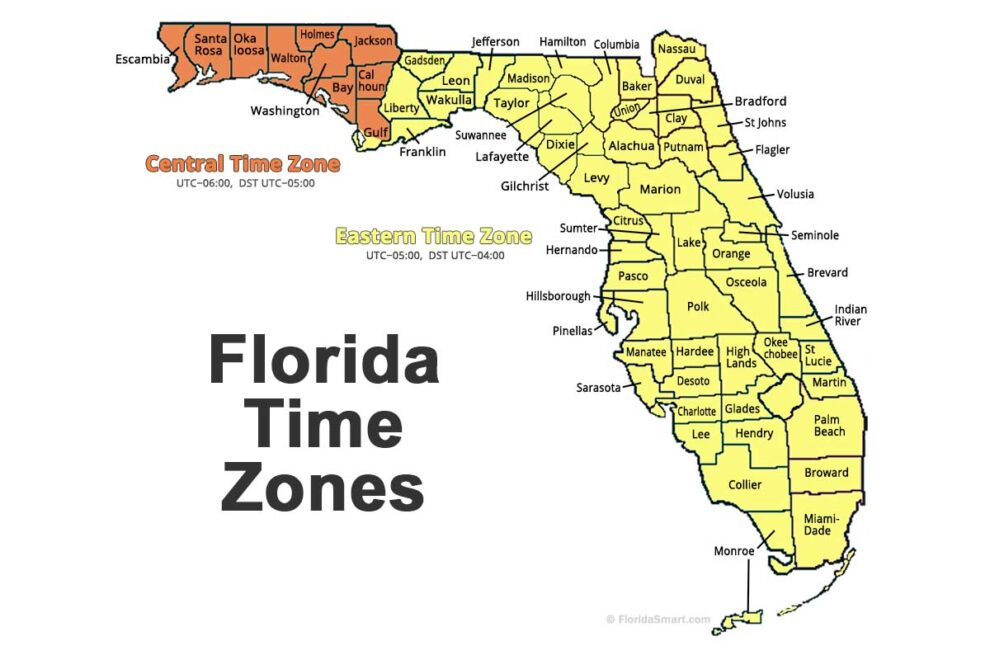
Understanding the geographical distribution of time zones within Florida is the first step in mastering your travel logistics. Unlike many states that adhere to a single time zone, Florida straddles two, which can be a pleasant surprise or a minor complication depending on your itinerary. This dual-zone system primarily impacts the panhandle region, a crucial detail for those traveling across the state.
Eastern vs. Central: Understanding the Divide
The vast majority of Florida operates on the Eastern Time Zone (ET), which observes Eastern Standard Time (EST) during the colder months (UTC-5) and Eastern Daylight Time (EDT) during daylight saving months (UTC-4). This includes major tourist hubs and bustling cities like Miami, Orlando, Tampa, Fort Lauderdale, Key West, Naples, Sarasota, Jacksonville, Gainesville, and Tallahassee. Essentially, if you’re visiting theme parks, enjoying South Beach’s nightlife, or exploring the Florida Keys, you’ll be on Eastern Time.
However, a segment of the Florida Panhandle, located in the westernmost part of the state, observes the Central Time Zone (CT). This region operates on Central Standard Time (CST) (UTC-6) and Central Daylight Time (CDT) (UTC-5). Specifically, counties west of the Apalachicola River are typically in Central Time. This includes popular coastal destinations such as Pensacola, Destin, Fort Walton Beach, and Panama City Beach. For travelers flying into or driving through this area, especially if connecting from cities in Eastern Time, a one-hour time difference must be factored into flight schedules, hotel bookings, and any planned activities. Ignoring this detail could lead to missed appointments, late arrivals, or simply confusion, detracting from an otherwise smooth journey.
Daylight Saving Time: Adjusting Your Clocks
Like most of the United States, Florida observes Daylight Saving Time (DST). This means that clocks “spring forward” one hour on the second Sunday in March and “fall back” one hour on the first Sunday in November. During DST, Eastern Time becomes EDT (UTC-4), and Central Time becomes CDT (UTC-5).
The impact of DST on travel is primarily about synchronizing your personal devices and awareness of event timings. Most smartphones and smart devices automatically adjust, but it’s always wise to double-check local time, especially if you’re using older devices or analog clocks. For international travelers, the shift can alter the time difference between your home country and Florida, necessitating careful recalculation for communicating with family or managing remote work. This annual adjustment, while common, is another layer of time awareness essential for planning seamless travel and accommodation logistics.
Maximizing Your Florida Trip: Time Management for Unforgettable Experiences
Effective time management is the cornerstone of any successful Florida vacation, transforming a good trip into an exceptional one. With so much to see and do, from world-class attractions to serene natural landscapes, a well-planned schedule ensures you capture every moment without feeling rushed. This section delves into strategic approaches to maximize your hours, whether you’re an early riser or a night owl, and how to navigate the practicalities of accommodation.
Early Birds and Night Owls: Tailoring Your Itinerary
Florida caters to every pace, allowing travelers to tailor their itineraries around their natural rhythms. For early birds, the morning offers unparalleled opportunities. Imagine catching a breathtaking sunrise over the Atlantic Ocean at Miami Beach or Daytona Beach, experiencing the tranquil beauty before the crowds arrive. Theme parks like Walt Disney World Resort and Universal Orlando Resort often offer “early entry” for guests staying at their resort hotels, a golden opportunity to experience popular rides with minimal wait times. Similarly, a morning visit to Everglades National Park is ideal for wildlife viewing, as many animals are most active during the cooler parts of the day.
Conversely, night owls will find Florida equally vibrant after dark. Disney Springs and Universal CityWalk come alive with dining, entertainment, and shopping options. South Beach transforms into a hub of sophisticated bars and clubs, offering a completely different vibe from its daytime beach scene. For those interested in astronomy, the clear skies away from city lights, perhaps in the Florida Keys, provide a stunning backdrop for stargazing. Planning your activities to align with peak energy levels—whether morning or evening—can significantly enhance your enjoyment and engagement with Florida’s diverse offerings.
Planning Around Peak Times: Avoiding the Rush
To truly maximize your time and minimize frustration, understanding and planning around peak times is crucial. This applies to everything from popular attractions to dining and even road travel. Theme parks, especially those in Orlando such as Magic Kingdom or Islands of Adventure, experience their highest crowds midday. Visiting at park opening or later in the evening often allows for a more relaxed experience and shorter queues. Utilizing apps that provide real-time wait times for rides and shows can be invaluable here.
Similarly, popular restaurants, particularly those offering unique local cuisine or stunning views in cities like St. Petersburg or Fort Lauderdale, often have peak dining hours between 6 PM and 8 PM. Making reservations in advance, or opting for an earlier or later meal, can save significant waiting time. When it comes to road travel, avoiding rush hour traffic in major metropolitan areas like Miami or Tampa is key. Using navigation apps that account for real-time traffic conditions can help you choose the quickest routes, ensuring you spend less time in transit and more time enjoying your destination. Strategic planning around these peak times is an essential hack for any traveler focused on optimizing their precious vacation moments.
Accommodation Check-ins and Check-outs: Synchronizing Your Schedule
Accommodation logistics are often the first and last time-sensitive elements of any trip. Standard hotel check-in times in Florida are typically between 3 PM and 4 PM, with check-out usually around 11 AM or 12 PM. Understanding these standard times is vital for coordinating your arrival and departure flights or drives.
For travelers arriving early, or departing late, communication with your hotel or vacation rental provider is key. Many hotels, especially those catering to a luxury lifestyle or business stays, offer options for early check-in or late check-out, sometimes for an additional fee. Services like baggage storage are also commonly available, allowing you to explore the local area, grab a meal, or hit the beach without your luggage while waiting for your room to be ready or after check-out. If you’re staying in an apartment or villa booked through services like Airbnb or VRBO, make sure to clarify specific arrival and departure procedures and times with your host, as these can be more flexible or more rigid than traditional hotels. Synchronizing your accommodation schedule with your travel plans ensures a smooth transition into and out of your Florida adventure, preventing unnecessary stress and maximizing your time enjoying the amenities and destinations.
Time-Sensitive Tourism: Exploring Florida’s Diverse Offerings
Florida’s allure lies in its vast array of attractions, from historical sites to vibrant natural parks and thrilling entertainment complexes. Each of these experiences, however, comes with its own optimal timing. To truly immerse yourself in the local culture, savor the culinary delights, and stand in awe of famous landmarks, a keen understanding of “when to go” is just as important as “where to go.”
Iconic Landmarks and Attractions: When to Visit
The grandeur of Florida’s landmarks often dictates specific visiting hours or peak times that savvy travelers should consider. For instance, the historic Castillo de San Marcos in St. Augustine, the oldest masonry fort in the United States, is best explored in the morning to avoid midday crowds and the intense Florida sun. Its gates open early, offering a more serene experience for history buffs. Similarly, a visit to the Kennedy Space Center Visitor Complex near Titusville requires a full day, as there are numerous exhibits, shows, and tours. Arriving right at opening allows ample time to see everything without rushing, especially if you’re hoping to catch a live rocket launch, which operates on a precise, often unpredictable, schedule.
Natural wonders like Everglades National Park or Biscayne National Park have different peak seasons and optimal times of day. The dry season (November to April) is generally preferred for the Everglades for wildlife viewing, particularly in the early morning or late afternoon when temperatures are cooler. For underwater explorations at John Pennekamp Coral Reef State Park in Key Largo, booking snorkeling or diving tours well in advance is crucial, as they operate on fixed schedules and fill up quickly. Even something as simple as walking along South Beach’s Art Deco Historic District is best enjoyed in the cooler parts of the day, offering better light for photographs and a more comfortable stroll. Coordinating your visits with these optimal times can dramatically improve your experience and appreciation of these iconic Florida destinations.
Culinary Adventures: Dining Times and Reservations
Food is an integral part of local culture and tourism, and Florida’s culinary scene is as diverse as its landscapes. From fresh seafood on the Gulf Coast to Cuban influences in Miami and fine dining in Orlando, there’s an adventure for every palate. However, enjoying these gastronomic delights often requires time-sensitive planning. Popular restaurants, especially those known for their unique dishes or ambiance, can have long wait times during peak dinner hours (typically 7 PM to 9 PM). Making reservations, often weeks in advance for highly sought-after spots, is not just recommended but often necessary to secure a table.
For a more casual experience, consider dining during off-peak hours or exploring eateries in less crowded neighborhoods. Lunch hours (12 PM to 2 PM) can also be busy, especially in business districts. For breakfast or brunch, a popular weekend activity, especially in trendy areas like South Florida and Central Florida, plan to arrive early or book ahead to avoid queues. Embracing local food festivals or farmer’s markets, which operate on specific days and times, can also offer a unique taste of Florida’s flavors and local produce. Understanding the rhythm of local dining habits and planning accordingly ensures your culinary journey is as smooth and enjoyable as your other adventures.
Seasonal Considerations: The Best Time to Be There
Florida’s climate and event calendar significantly influence the “best time to be there,” affecting crowd levels, accommodation prices, and the availability of certain activities. The peak tourist season generally runs from late fall through early spring (November to April), when the weather is cooler and drier, particularly appealing to visitors escaping colder northern climates. During this period, destinations like Miami, the Florida Keys, and Orlando experience high demand for hotels, resorts, and vacation rentals, leading to higher prices and larger crowds at attractions. Major events like Art Basel in Miami or the Epcot International Food & Wine Festival at Epcot further concentrate tourist activity during specific weeks.
Conversely, the summer months (June to September) are hot and humid, with a higher chance of afternoon thunderstorms and the potential for hurricanes. However, this “off-season” can offer benefits like lower accommodation rates, fewer crowds at theme parks (though still busy), and special summer promotions. Families traveling on a budget or those looking for a more relaxed experience might find this a viable option, provided they are prepared for the weather. Spring Break (typically March) sees a massive influx of students, particularly in coastal cities like Panama City Beach and Fort Lauderdale, which can mean higher prices and a very lively atmosphere. Planning your trip around these seasonal considerations is vital for managing expectations, securing the best deals on travel and accommodation, and ensuring your Florida experience aligns with your preferences.
Lifestyle and Leisure: How Time Shapes Your Florida Getaway
The way you allocate your time profoundly defines your travel lifestyle in Florida. Whether you’re seeking opulent experiences, stretching a limited budget, juggling family needs, or balancing work with pleasure, strategic time management is the silent architect of your trip’s success. Florida caters to every pace, allowing travelers to sculpt their schedule to match their desired holiday ethos.
Luxury vs. Budget Travel: Allocating Your Precious Hours
For the luxury traveler, time often translates to convenience and bespoke experiences. This might mean booking private transfers to avoid waiting, reserving prime dining slots, or enjoying exclusive tours that bypass queues. The goal is often to maximize comfort and minimize logistical friction. A luxury lifestyle in Florida might involve spa treatments at a five-star resort in Naples, a yacht charter in Miami, or a multi-day stay at an all-inclusive resort where every minute is designed for indulgence. Here, time is spent enjoying premium amenities and curated experiences rather than navigating logistics.
On the other hand, budget travelers meticulously plan their time to make every dollar count. This might involve researching free attractions like public beaches or parks, utilizing public transportation or ridesharing to save on rental car costs, and cooking some meals in self-catering apartments or villas. Time is allocated to finding deals, planning efficient routes between destinations, and exploring local, less-expensive eateries. For both ends of the spectrum, time is a finite resource. The luxury traveler pays to save time and enhance experiences, while the budget traveler invests time in planning to save money and broaden their experiences, proving that understanding “what time now” directly impacts the economic efficiency of their Florida accommodation and tourism choices.
Family Fun and Business Stays: Scheduling for Success
Traveling with family introduces unique time considerations. The schedule often revolves around the youngest members, requiring flexibility and breaks. For a family trip to LEGOLAND Florida Resort or SeaWorld Orlando, early starts are often beneficial to beat the heat and crowds, but afternoon naps or pool time are crucial to avoid meltdowns. Planning meals around children’s hunger cues and incorporating downtime into a busy schedule ensures a happy family experience. Accommodation choices, like suites with multiple rooms or resorts with dedicated kids’ clubs, often play a role in optimizing family time.
For business travelers, time is literally money. A business stay in a bustling city like Tampa or Jacksonville means maximizing productivity during working hours while potentially carving out brief windows for leisure or networking. Hotels catering to business clientele often offer amenities like 24-hour fitness centers, early breakfast options, and late check-out to accommodate demanding schedules. The focus is on efficient travel, easy access to conference centers, and reliable connectivity. Even a quick visit to a local landmark or a quality dinner becomes a time-managed event, integrating seamlessly into a packed itinerary. For both family and business trips, a clear understanding of daily schedules and logistical timing is paramount for success and enjoyment.
The Art of Relaxation: Slowing Down in the Sunshine State
While Florida offers endless excitement, one of the greatest luxuries is the freedom to simply slow down and embrace the leisurely pace of vacation. The concept of “what time now” can shift from a practical concern to an invitation to disconnect. Imagine a morning spent lingering over coffee on a balcony overlooking the Gulf Coast in Sarasota, or an afternoon dedicated to reading a book on the pristine sands of a secluded Florida beach.
This mindful approach to time allows for genuine relaxation and immersion in the Florida lifestyle. It could involve booking a long-term stay in a charming villa to truly live like a local, exploring farmers’ markets at your own pace, or indulging in unhurried spa treatments at a resort. The absence of a rigid schedule can be incredibly liberating, fostering a deeper connection with your surroundings and allowing spontaneous discoveries, whether it’s an unexpected local eatery or a hidden nature trail. Embracing the slower moments ensures that your Florida getaway isn’t just a list of checked-off attractions but a restorative and enriching experience, perfectly balanced between thrilling adventures and serene tranquility.
In conclusion, knowing “What time now in Florida, USA?” is far more than a simple geographical fact; it’s the gateway to unlocking the full potential of your travel experience. From navigating dual time zones and optimizing your itinerary around peak attraction times to aligning your accommodation choices and embracing your preferred travel lifestyle, every aspect of your Florida adventure is touched by the clock. By understanding and strategically managing your time, you transform a mere visit into a meticulously crafted journey, ensuring every moment spent in the Sunshine State is not just counted, but truly counts.
LifeOutOfTheBox is a participant in the Amazon Services LLC Associates Program, an affiliate advertising program designed to provide a means for sites to earn advertising fees by advertising and linking to Amazon.com. Amazon, the Amazon logo, AmazonSupply, and the AmazonSupply logo are trademarks of Amazon.com, Inc. or its affiliates. As an Amazon Associate we earn affiliate commissions from qualifying purchases.