
Planning a trip to Minneapolis often involves a keen interest in its vibrant culture, captivating attractions, and diverse lifestyle offerings. However, before you book your stay at a luxurious resort or a cozy apartment, or sketch out your itinerary of exploring iconic landmarks and engaging in exciting activities, understanding the local climate is paramount. The weather in Minneapolis plays a significant role in shaping your travel experience, from the types of clothing you’ll need to pack to the kinds of outdoor adventures you can comfortably embark on. This guide delves into the nuances of Minneapolis‘s weather throughout the year, offering insights to help you make the most of your visit, whether you’re a solo adventurer, part of a family trip, or on a business stay.

Understanding Minneapolis’s Distinct Seasons
Minneapolis, situated in the heart of the Midwest, experiences a continental climate characterized by distinct seasons, each with its unique charm and challenges. This means you can expect dramatic shifts in temperature and precipitation as the year progresses. From the sweltering heat of summer to the biting cold of winter, and the pleasant transitions of spring and fall, knowing what to anticipate will significantly enhance your travel plans.
Summer in Minneapolis: Warmth and Outdoor Activities
Summers in Minneapolis, typically from June through August, are generally warm to hot and humid. Average high temperatures often hover in the mid-80s Fahrenheit (around 29-30°C), with occasional heatwaves pushing temperatures into the 90s Fahrenheit (32°C and above). Evenings offer a welcome respite, with temperatures cooling down into the comfortable 60s Fahrenheit (15-20°C). This is a prime time for outdoor enthusiasts, as the city truly comes alive with a plethora of events and activities.
The warm weather makes it ideal for exploring Minneapolis‘s renowned chain of lakes. The Chain of Lakes, a system of interconnected lakes including Bde Maka Ska, Lake Harriet, and Lake Calhoun, offers ample opportunities for swimming, boating, kayaking, paddleboarding, and sailing. The Grand Rounds Scenic Byway, a 50-mile parkway encircling the city, is perfect for cycling or a leisurely drive, offering breathtaking views of the lakes and parks.
June often sees the beginning of peak summer, with long daylight hours and vibrant blooming flora in places like the Minneapolis Sculpture Garden. July and August tend to be the hottest and most humid months, so staying hydrated and seeking shade during the hottest parts of the day is recommended. When packing for a summer visit, light, breathable clothing, sunscreen, a hat, and sunglasses are essential. Don’t forget a light jacket or sweater for cooler evenings or air-conditioned interiors.
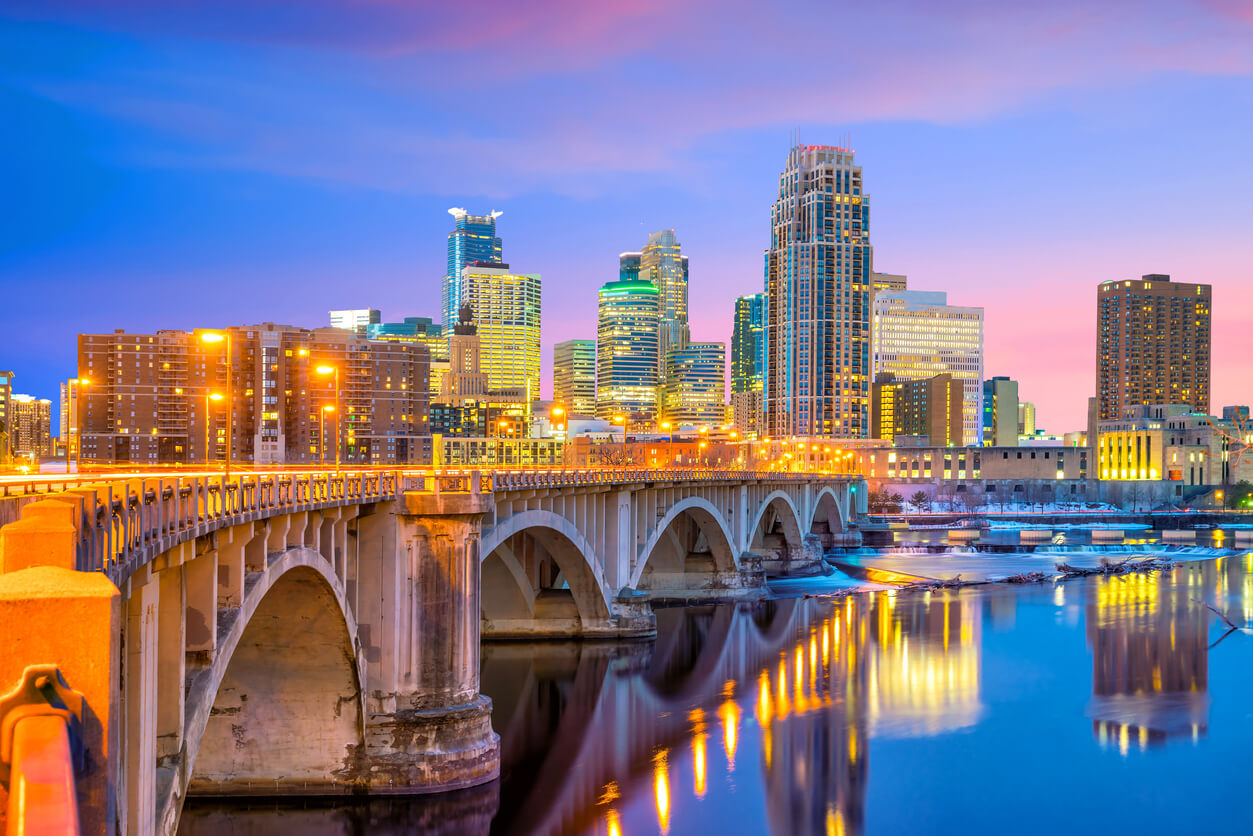
For those interested in local culture and activities, summer in Minneapolis is packed with festivals, outdoor concerts, and farmers’ markets. The Stone Arch Bridge, a historic landmark offering stunning views of the Mississippi River and the St. Anthony Falls, is a popular spot for evening strolls as the sun sets, casting a golden glow over the cityscape. If you’re considering a stay at a resort with pool access or an apartment with a balcony, summer provides the perfect backdrop to enjoy these amenities.
Autumn in Minneapolis: A Tapestry of Color and Crisp Air
As summer fades, Minneapolis transitions into a glorious autumn, generally from September through October. This season is often considered by many to be the most picturesque time to visit. The oppressive humidity of summer dissipates, replaced by crisp, cool air and the breathtaking spectacle of changing fall foliage. Average high temperatures in September are in the pleasant 70s Fahrenheit (21-26°C), gradually dropping into the 50s Fahrenheit (10-15°C) by late October.
The Minnehaha Park, home to the stunning Minnehaha Falls, becomes a particularly magical place in the fall, with the surrounding trees erupting in vibrant shades of red, orange, and yellow. This is an excellent time for hiking and photography. The Mississippi National River and Recreation Area also offers numerous trails where you can immerse yourself in the autumnal beauty.
This season is perfect for exploring the city’s attractions without the intense summer heat. You can comfortably wander through neighborhoods like Uptown or the North Loop, discovering unique shops and galleries. It’s also a fantastic time to indulge in food experiences, with harvest-themed menus appearing in many restaurants. Consider visiting a local brewery or a cozy cafe to savor seasonal treats.
Packing for fall in Minneapolis requires layers. You’ll likely need a mix of long-sleeved shirts, sweaters, and a medium-weight jacket. Comfortable walking shoes are a must, as you’ll want to explore the city on foot as much as possible. Evenings can get quite chilly, so a scarf and hat might be necessary, especially later in October. If you’re looking for budget travel options, fall can be an excellent choice, as accommodation prices might be slightly lower than during the peak summer months.
Winter in Minneapolis: The Embrace of Snow and Ice
Winter in Minneapolis, from November through March, is a true test of resilience and offers a unique, albeit cold, experience. The city is known for its frigid temperatures and significant snowfall. Average high temperatures in December, January, and February rarely climb above freezing, often hovering in the 20s Fahrenheit (around -6°C to -1°C), with average lows plunging into the single digits Fahrenheit (below -17°C). Wind chill factors can make it feel even colder.
Despite the extreme cold, Minneapolis has adapted to its winter climate with a robust infrastructure and a vibrant winter culture. The city is a wonderland for those who enjoy winter sports. The Chain of Lakes freezes over, transforming into a vast playground for ice skating, ice fishing, and cross-country skiing. Theodore Wirth Park offers extensive trails for cross-country skiing and snowshoeing.
For a truly unique experience, the Minneapolis Downtown Winter Market can be a charming place to find local crafts and treats, even amidst the snow. The iconic Stone Arch Bridge offers a starkly beautiful, snow-dusted vista during winter, and if you’re lucky, you might see the Mississippi River partially frozen.
When packing for a winter visit, thermal layers are your best friend. Think base layers, mid-layers like fleece or wool, and a heavy, insulated, waterproof outer coat. A warm hat, gloves or mittens, and waterproof boots with good traction are absolutely essential. Scarves or neck gaiters are also crucial for protecting your face from the biting wind. For accommodation, consider places with excellent heating systems and indoor amenities like swimming pools or cozy lounges where you can warm up after a day of exploration. Many hotels in the downtown area offer easy access to skyways, a network of enclosed pedestrian bridges that allow you to navigate the city center without braving the elements, making them a practical choice for business stays.
Spring in Minneapolis: Renewal and Thawing
Spring in Minneapolis, typically from April through May, is a season of transition as the city shakes off the last vestiges of winter and bursts into life. Early spring can still be quite chilly, with lingering snow and temperatures that might not consistently rise above freezing. However, as May approaches, temperatures become much milder, with average highs climbing into the 60s Fahrenheit (15-20°C).
The thaw brings vibrant green back to the landscape, and the parks and gardens begin to bloom. This is a wonderful time to revisit places like the Eloise Butler Wildflower Garden and Bird Sanctuary, where you can witness the resurgence of native flora and fauna. The Minneapolis Institute of Arts and the Walker Art Center are excellent indoor options for days when the weather is still unpredictable.
Spring is also a great time to enjoy the city’s culinary scene. With the arrival of warmer weather, outdoor seating options begin to appear at restaurants, and farmers’ markets start to reappear, offering fresh spring produce. It’s a good period for budget travel as the peak tourist season has not yet fully commenced. Packing for spring in Minneapolis requires flexibility. Layers are key: include sweaters, light jackets, and potentially a waterproof outer shell for unexpected rain showers. Comfortable walking shoes are still a must.
Planning Your Trip: Weather Considerations for Different Travel Styles
The weather in Minneapolis influences how you’ll approach your travel, impacting your choice of accommodation, activities, and even the lifestyle aspects of your trip.
For the Outdoor Adventurer
If your primary interest lies in exploring the natural beauty and engaging in outdoor activities, the shoulder seasons of late spring and early fall often offer the most pleasant conditions. These periods provide a balance of agreeable temperatures and fewer crowds, allowing for a more immersive experience in places like the Minnehaha Park or along the Mississippi River. Summer is ideal for water-based activities on the Chain of Lakes, but be prepared for heat and humidity. Winter offers a unique challenge and reward for those who embrace winter sports, with opportunities for skiing, skating, and ice fishing.
For the Culture and City Explorer
For those who prefer to focus on museums, landmarks, restaurants, and indoor attractions, the weather is less of a limiting factor. However, understanding seasonal weather can still inform your decision. For instance, visiting during milder seasons like spring or fall means you can comfortably walk between different attractions and enjoy the city’s architecture and street life. Winter’s skyway system makes it easy to access many downtown hotels and points of interest without direct exposure to the cold. Summer offers numerous outdoor festivals and events that are integral to Minneapolis‘s cultural calendar.

For Families and Long-Term Stays
For family trips, the weather dictates the types of outings that will be most enjoyable for children. Summer offers the most freedom for outdoor play, while winter can be a magical time with snow activities, provided adequate preparation. Spring and fall provide a good mix, allowing for park visits and city exploration. For long-term stays, having a base with good heating and cooling, like an apartment or a serviced accommodation, becomes crucial. Being able to adapt your itinerary to changing weather conditions is key to ensuring a comfortable and enjoyable extended visit.
In conclusion, while the weather in Minneapolis can be dynamic and sometimes extreme, understanding its patterns is the first step to planning a successful and memorable trip. Whether you’re drawn by its scenic beauty, its thriving arts scene, or its renowned hospitality, a little meteorological foresight will go a long way in ensuring your Minneapolis adventure is everything you hope for.
LifeOutOfTheBox is a participant in the Amazon Services LLC Associates Program, an affiliate advertising program designed to provide a means for sites to earn advertising fees by advertising and linking to Amazon.com. Amazon, the Amazon logo, AmazonSupply, and the AmazonSupply logo are trademarks of Amazon.com, Inc. or its affiliates. As an Amazon Associate we earn affiliate commissions from qualifying purchases.