
Navigating the ever-changing atmospheric conditions of New York City is an essential part of planning any visit or even just a day out for residents. The city, a vibrant tapestry of concrete and culture, experiences a diverse range of weather patterns throughout the year, influenced by its coastal location and continental influences. Understanding the current conditions is not merely about knowing if you need an umbrella; it’s about optimizing your experience, from exploring iconic landmarks to enjoying its renowned culinary scene.
The weather in New York City is a dynamic entity, characterized by distinct seasons. Spring brings a gentle thawing, with temperatures gradually rising and nature bursting into bloom, particularly in its numerous parks. Summer, on the other hand, is typically warm to hot and humid, offering long daylight hours perfect for outdoor activities and exploring neighborhoods like Greenwich Village or SoHo. Autumn is often considered the most picturesque season, with crisp air, vibrant foliage in places like Central Park, and comfortable temperatures ideal for walking tours and visiting museums such as the Metropolitan Museum of Art. Winter can be harsh, with freezing temperatures, snow, and wind, transforming the city into a dazzling, albeit chilly, wonderland, perfect for cozying up in a charming cafe or enjoying holiday decorations.

Understanding Current Conditions for Optimal Exploration
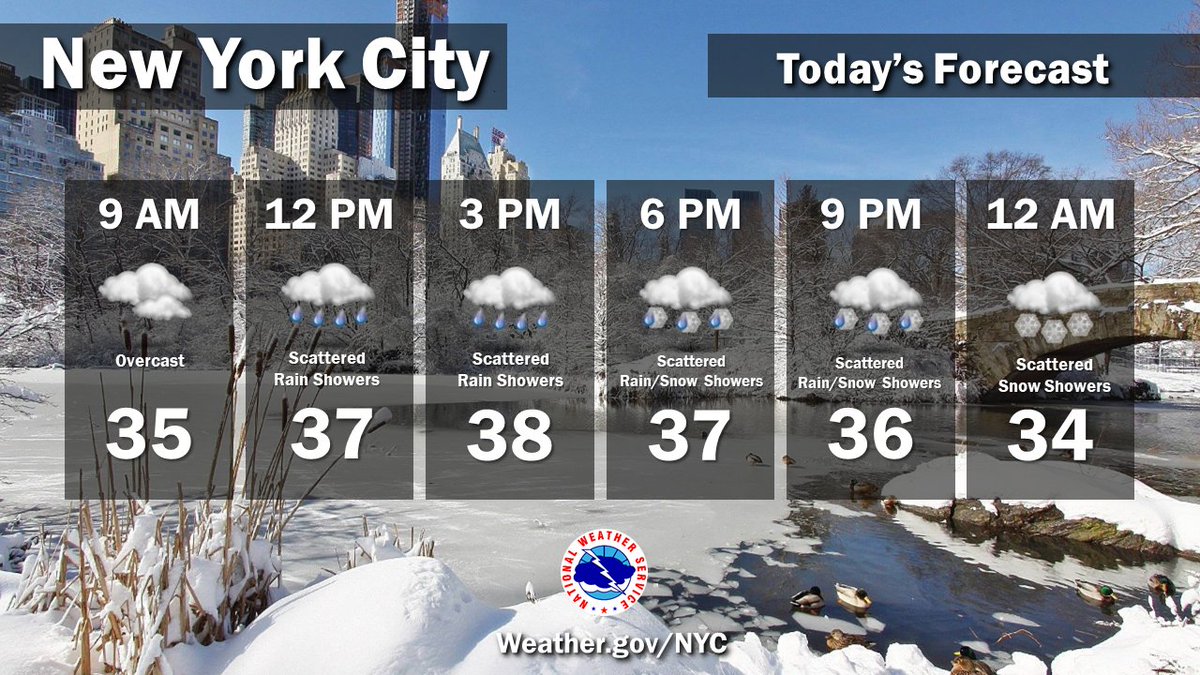
When you inquire about the weather in New York City “right now,” you are seeking immediate, actionable information to tailor your immediate plans. This goes beyond a simple temperature reading. It involves understanding the nuances of humidity, wind speed, precipitation, and the feel of the air. For a visitor, this directly impacts wardrobe choices, transportation decisions, and the feasibility of outdoor sightseeing. For instance, a high humidity day in summer might make that planned stroll across the Brooklyn Bridge feel more strenuous, while a sudden downpour could necessitate a shift from exploring the High Line to an indoor cultural experience at the Museum of Modern Art.
Real-Time Data for Immediate Decisions
The most reliable way to ascertain the current weather is through reputable weather forecasting services. These services utilize a network of sensors, satellites, and meteorological models to provide up-to-the-minute data. Key indicators to monitor include:
- Temperature: This is the most basic metric, usually presented in Fahrenheit or Celsius. It dictates the necessity of layers and the overall comfort level outdoors.
- “Feels Like” Temperature: This crucial metric accounts for wind chill in colder months and heat index in warmer months, offering a more accurate representation of how the temperature will affect your body.
- Precipitation: This includes the type (rain, snow, sleet, hail), intensity, and probability of occurrence. A forecast of heavy rain, for example, would immediately rule out outdoor activities at Governor’s Island and encourage a visit to the American Museum of Natural History.
- Wind Speed and Direction: Wind can significantly impact the perceived temperature and make certain outdoor activities, like visiting the observation deck of the Empire State Building, less enjoyable or even unsafe.
- Humidity: High humidity can make hot weather feel oppressive and cold weather feel damp and penetrating. It also plays a role in the comfort of indoor environments.
- Cloud Cover and Visibility: This information is vital for activities like flying into JFK Airport or LaGuardia Airport, or for simply appreciating the city’s skyline.
Impact on Daily Activities and Itinerary
Knowing the immediate weather conditions empowers travelers and locals alike to make informed decisions that enhance their enjoyment of New York City.
For Tourists:
- Wardrobe Selection: Dressing appropriately is paramount. A light jacket might suffice for a breezy spring afternoon, while thermal layers are essential for a winter evening stroll through Times Square.
- Activity Planning: A sunny day is perfect for exploring Prospect Park or taking a ferry to the Statue of Liberty. Conversely, a rainy day is an excellent opportunity to delve into the immersive exhibits at the Intrepid Sea, Air & Space Museum or enjoy a Broadway show.
- Transportation: Heavy snow can disrupt subway services and make taxis scarce. Knowing this in advance allows for more flexible travel arrangements, perhaps opting for the subway over a cab during a blizzard.
- Photography: Lighting conditions, determined by cloud cover, can greatly affect the quality of photographs. A clear, sunny day offers optimal light for capturing the grandeur of One World Observatory.
For Residents:
- Commuting: Understanding rush hour traffic patterns affected by adverse weather is crucial for timely arrivals at work or appointments.
- Recreational Pursuits: Whether it’s a jog through Bryant Park or a picnic in Washington Square Park, current weather dictates the feasibility and enjoyment of these activities.
- Errands: A quick trip to the grocery store or a visit to a local market like Chelsea Market can be planned more efficiently based on immediate weather forecasts.
Seasonal Weather Patterns and Their Influence
While immediate conditions are key for day-to-day planning, understanding the general seasonal weather patterns of New York City provides a broader context for planning longer trips or anticipating upcoming changes.
Spring (March – May)
Spring in New York City is a period of transition. Early spring can still be quite cool, with lingering winter chill, but as the season progresses, temperatures climb steadily. Cherry blossoms typically bloom in April, offering a beautiful spectacle in parks like Brooklyn Botanic Garden. Expect a mix of sunny days and occasional spring showers, making layers the most practical clothing choice. Average temperatures range from the low 40s to the low 70s Fahrenheit.
Summer (June – August)
Summers are characterized by warmth and humidity, with average high temperatures in the high 70s and 80s Fahrenheit. Heatwaves are not uncommon, and the humidity can make these days feel even hotter. This is prime time for outdoor activities, rooftop bars, and exploring the city’s beaches like Coney Island. Evening thunderstorms are also a possibility, so keeping an eye on the forecast is advisable.
Autumn (September – November)
Autumn is widely regarded as one of the most beautiful times to visit or live in New York City. The weather is typically crisp and cool, with sunny days and comfortable temperatures. The fall foliage in the city’s parks is stunning, drawing many to admire the vibrant reds, oranges, and yellows. Temperatures gradually decrease from pleasant warmth in September to cooler conditions in November, ranging from the 50s to the 70s Fahrenheit.
Winter (December – February)
Winters in New York City are cold, with average high temperatures in the 30s and 40s Fahrenheit, and nights often dropping below freezing. Snowfall is common, and while it can create a magical atmosphere, it can also lead to travel disruptions. The city embraces the winter with festive decorations, holiday markets, and cozy indoor activities. Packing warm, waterproof clothing is essential for any winter visit.
Planning Your Visit with Weather in Mind
When planning a trip to New York City, integrating weather considerations into your itinerary is crucial for a seamless and enjoyable experience.
Packing Essentials
Your packing list will heavily depend on the time of year and the current weather.
- Spring/Fall: Layers are key. Pack t-shirts, long-sleeved shirts, a sweater or fleece, and a waterproof and windproof jacket. Comfortable walking shoes are a must.
- Summer: Lightweight, breathable clothing is ideal. Include shorts, skirts, t-shirts, and a light jacket for cooler evenings or air-conditioned interiors. Don’t forget sunscreen and a hat.
- Winter: Warm, insulated clothing is paramount. This includes thermal base layers, sweaters, a heavy winter coat, a hat, gloves, and a scarf. Waterproof boots with good traction are highly recommended.
Transportation and Mobility
The weather can significantly impact your movement around the city.
- Subway System: The New York City Subway is generally reliable even in inclement weather, making it a good option during rain or snow.
- Taxis and Ride-Sharing: Availability can decrease and prices can surge during severe weather.
- Walking: Enjoyable in pleasant conditions, but less so during extreme heat, cold, or heavy precipitation.
- Ferries: Services like the Staten Island Ferry or those to Governors Island are weather-dependent and may be suspended during storms.

Indoor vs. Outdoor Activities
Be prepared to be flexible with your plans. Have a list of indoor attractions ready for days when outdoor exploration is not feasible. This could include museums, galleries, Broadway shows, sporting events at arenas like Madison Square Garden, or even just browsing the shops in areas like Fifth Avenue.
By staying informed about the current weather in New York City and understanding the broader seasonal patterns, you can better prepare for your visit, ensure your comfort, and make the most of the incredible experiences this iconic metropolis has to offer.
LifeOutOfTheBox is a participant in the Amazon Services LLC Associates Program, an affiliate advertising program designed to provide a means for sites to earn advertising fees by advertising and linking to Amazon.com. Amazon, the Amazon logo, AmazonSupply, and the AmazonSupply logo are trademarks of Amazon.com, Inc. or its affiliates. As an Amazon Associate we earn affiliate commissions from qualifying purchases.