
Understanding the climate of a destination is paramount for any traveler planning their journey. For those considering a visit to Ocala, Florida, a charming city nestled in the heart of the Sunshine State, grasping its unique weather patterns is key to ensuring a comfortable and enjoyable experience. Ocala offers a diverse range of outdoor activities, from equestrian pursuits to exploring natural springs, all of which are significantly influenced by its subtropical climate. This comprehensive guide delves into the nuances of Ocala’s weather year-round, equipping prospective visitors with the knowledge needed to pack appropriately, plan activities strategically, and make the most of their time in this beautiful region.
Understanding Ocala’s Climate Profile
Ocala is situated in central Florida, which means its climate is characterized by warm, humid summers and mild, relatively dry winters. Unlike coastal cities that benefit from sea breezes, Ocala’s inland location often results in slightly higher summer temperatures and less moderation from oceanic influences. The city experiences distinct seasons, each bringing its own charm and considerations for travelers. Its position within the subtropical zone means ample sunshine is a year-round constant, contributing to its appeal as a vacation destination.
Subtropical Nuances and Regional Influences
The subtropical climate of Ocala, and indeed much of Florida, is defined by warm temperatures throughout most of the year and high humidity, particularly during the summer months. This classification means that freezing temperatures are rare, making it an attractive escape for those fleeing colder northern winters. The lack of significant elevation changes across the state means weather systems often move slowly, and localized phenomena like afternoon thunderstorms are common. Ocala’s distance from the immediate coastline also means that while it is susceptible to tropical storms and hurricanes, it often experiences less direct impact than areas directly on the Gulf or Atlantic coasts, typically receiving heavy rainfall and strong winds rather than direct landfalls. However, awareness during hurricane season (June 1st to November 30th) is always prudent for travelers.
Key Weather Characteristics
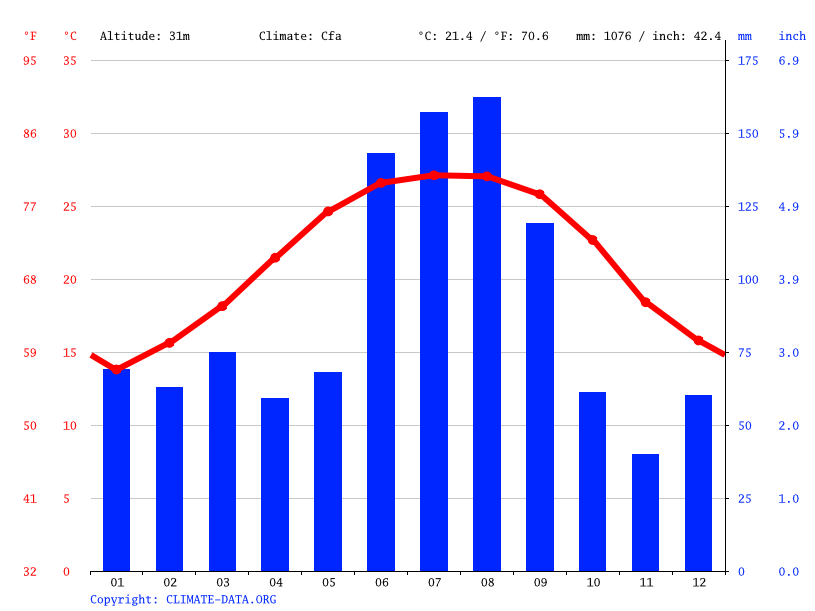
The most defining features of Ocala’s weather are its high levels of sunshine, prevalent humidity, and distinct wet and dry seasons. The city averages over 230 sunny days per year, making it a bright and inviting locale. Humidity levels can be quite high, especially from May through October, often making ambient temperatures feel warmer than the thermometer indicates. Rainfall patterns are seasonal:
- Wet Season (June to September): Characterized by daily afternoon thunderstorms, often brief but intense. This period accounts for the majority of the annual precipitation. While heavy, these storms usually clear quickly, giving way to sunshine.
- Dry Season (October to May): Features less frequent rainfall, lower humidity, and more consistently clear skies. This period is generally considered the most pleasant for visitors, offering ideal conditions for outdoor activities.
Understanding these patterns is crucial for planning outdoor excursions, whether it’s an early morning horseback ride or an afternoon stroll through one of Ocala’s many parks.
Seasonal Breakdown: What to Expect When
Each season in Ocala presents a unique atmospheric profile, influencing the type of experiences travelers can anticipate. From the vibrant energy of summer to the serene tranquility of winter, knowing what the weather typically brings allows for optimized trip planning.
Summer (June – August): Hot, Humid, and Thundery
Summer in Ocala is unmistakably hot and humid, embodying the classic Florida summer experience. Daily high temperatures typically range from the low 90s°F (around 32-34°C), often feeling warmer due to the high humidity, which can push the heat index into triple digits. Nights offer little relief, with lows rarely dropping below the mid-70s°F (24-25°C). The hallmark of an Ocala summer is the almost daily afternoon thunderstorm. These storms usually build up in the late afternoon, delivering heavy rain and often lightning, then quickly dissipate, leaving behind refreshed air and often a beautiful sunset. While they can disrupt outdoor plans, they are typically short-lived. This season is also the peak of hurricane season, though direct hits on inland Ocala are less common than coastal areas. Travelers during this period should focus on indoor activities during peak heat and storm times, or plan outdoor excursions for early mornings. Water-based activities, like visiting Silver Springs State Park or municipal pools, become particularly appealing.
Autumn (September – November): Transition to Pleasantness
Autumn marks a welcome transition in Ocala. While September can still feel very much like summer with lingering heat and humidity, October usually brings a noticeable shift. By November, temperatures become significantly more comfortable, with highs often in the 70s°F (21-26°C) and lows dipping into the 50s°F (10-15°C), offering crisp, pleasant evenings. Humidity levels gradually decrease, and the frequency of afternoon thunderstorms lessens considerably. This period, especially October and November, is widely considered one of the best times to visit Ocala due to the agreeable weather. While technically still within hurricane season until the end of November, the threat generally diminishes as the season progresses. Outdoor events and activities become much more enjoyable.
Winter (December – February): Mild, Dry, and Ideal
Winter is arguably the most delightful season in Ocala for many travelers, particularly those from colder climates. The weather is typically mild, dry, and sunny, making it perfect for extended outdoor exploration. High temperatures generally range from the mid-60s to low 70s°F (18-23°C), while nights can be cool, often falling into the 40s°F (4-9°C) and occasionally dipping to freezing or just below. Frost can occur, but snow is extremely rare. Rainfall is minimal during these months, and humidity is at its lowest. This combination creates ideal conditions for equestrian activities, hiking, golfing, and simply enjoying the natural beauty of the area without the intense heat or humidity of summer. It is peak tourist season, attracting snowbirds and those seeking a respite from the cold.
Spring (March – May): Warm, Pleasant, and Blooming
Spring in Ocala is a season of increasing warmth and vibrant natural beauty. March and April offer some of the most pleasant weather of the year, with comfortable temperatures mirroring late autumn. Highs range from the low 70s to low 80s°F (21-29°C), and nights remain mild. Humidity gradually begins to climb as May approaches, signaling the transition back towards summer. Rainfall remains relatively low compared to summer, but occasional spring showers can occur. This period is excellent for outdoor activities, enjoying the lush landscapes, and participating in local festivals before the summer heat fully sets in. The blooming of various plants and trees adds to the scenic appeal, making it a visually stunning time to visit.

Navigating Ocala’s Weather: Practical Tips for Travelers
Equipped with an understanding of Ocala’s climate, travelers can take proactive steps to ensure a comfortable and safe trip. Thoughtful packing and planning can significantly enhance the travel experience, irrespective of the season.
Packing Essentials for Each Season
- Summer: Light, breathable clothing (cotton, linen), swimsuits, wide-brimmed hats, sunglasses, and waterproof footwear. A compact umbrella or light rain jacket for afternoon storms is essential.
- Autumn: Layers are key. Start with light clothing for warm days, and add a light jacket, sweater, or cardigan for cooler evenings, especially in October and November.
- Winter: Long-sleeved shirts, sweaters, and a medium-weight jacket are recommended for days. For cooler evenings and mornings, a warmer coat or thermal layers may be necessary.
- Spring: Similar to autumn, layers are beneficial. Lighter jackets or cardigans for evenings and early mornings, with comfortable warm-weather clothing for daytime.
- Year-round: Regardless of the season, comfortable walking shoes are a must, especially if planning to explore Ocala’s parks or trails.
Staying Hydrated and Sun-Safe
Due to Ocala’s abundant sunshine and high humidity, particularly outside of winter, staying hydrated and protected from the sun is crucial.
- Hydration: Always carry a reusable water bottle and drink plenty of fluids, even if you don’t feel thirsty. Electrolyte drinks can be beneficial during prolonged outdoor activity in the summer.
- Sun Protection: Apply broad-spectrum sunscreen with an SPF of 30 or higher liberally and reapply every two hours, or more often if swimming or sweating. Wear wide-brimmed hats and UV-protective sunglasses. Seek shade during the sun’s peak hours (typically 10 AM to 4 PM).
Dealing with Summer Thunderstorms
Summer afternoon thunderstorms are a given in Ocala. Instead of letting them derail your plans, incorporate them into your itinerary:
- Plan Ahead: Schedule outdoor activities for the morning. By early to mid-afternoon, be prepared to move indoors.
- Seek Shelter: Many attractions, shops, and restaurants offer excellent shelter. Use this time for a leisurely meal, museum visit, or some retail therapy. The Appleton Museum of Art, for instance, provides a great indoor alternative.
- Monitor Forecasts: While often predictable, local weather forecasts and radar apps can provide real-time updates on storm severity and movement.
Hurricane Preparedness
While Ocala’s inland location offers some protection, it is still part of Florida and subject to the hurricane season.
- Stay Informed: If traveling between June and November, monitor reputable weather sources like the National Hurricane Center.
- Travel Insurance: Consider purchasing travel insurance that covers hurricane-related cancellations or interruptions.
- Local Advisories: Pay attention to local emergency management advisories should a storm threat emerge. Hotels and local authorities are excellent sources of information.
Ocala’s Weather and Your Travel Itinerary
The climate of Ocala directly influences which activities are most enjoyable at different times of the year. Tailoring your itinerary to the prevailing weather conditions will maximize your travel satisfaction.
Best Times for Outdoor Activities
- Equestrian Sports: Ocala is renowned as the “Horse Capital of the World,” and equestrian activities are popular year-round. However, the mild temperatures and low humidity of autumn and winter create the most ideal conditions for riding, training, and attending events at venues like the World Equestrian Center. Spring is also excellent.
- Hiking and Nature Trails: Exploring the myriad trails and natural areas, such as those within the Ocala National Forest, is best done in autumn, winter, and spring. The cooler, drier air makes for more comfortable trekking and less insect activity.
- Water Sports and Springs Exploration: While enjoyable year-round, the refreshing waters of Ocala’s natural springs (like Silver Springs State Park) are particularly inviting during the hot summer months. The consistently cool 72°F (22°C) water provides a perfect escape from the heat. Boating and kayaking are also popular warm-weather pursuits.
- Golf: Golfers will find Ocala’s courses enjoyable for much of the year, but the pristine conditions and comfortable temperatures of winter and spring are particularly appealing for a full round.
Leveraging Weather for Indoor Experiences
When the weather isn’t cooperating for outdoor adventures, Ocala still offers plenty to explore indoors.
- Museums and Galleries: The Appleton Museum of Art provides a fantastic retreat from summer heat or a rainy day, showcasing diverse collections.
- Shopping and Dining: Ocala boasts a charming historic downtown square with unique boutiques, art galleries, and a wide array of restaurants and cafes, perfect for lingering during inclement weather. The Market Street at Heath Brook also offers shopping options.
- Entertainment Venues: Check local listings for live music, theater performances, or other indoor entertainment options, especially prevalent during the cooler tourist season.

Event Planning Considerations
Many of Ocala’s signature events are scheduled to coincide with its most favorable weather.
- Seasonal Festivals: Numerous outdoor festivals, farmers’ markets, and equestrian competitions are concentrated in the autumn, winter, and spring months when the weather is ideal for large gatherings. Examples include the Ocala Film Festival or seasonal art fairs.
- Parades and Outdoor Concerts: These events are typically planned for the cooler, drier periods to ensure participant and attendee comfort. If planning to attend a summer event, be prepared for heat and potential rain.
In conclusion, Ocala, Florida, offers a welcoming climate for travelers throughout the year, each season presenting distinct advantages and challenges. From the invigorating coolness of its winters to the vibrant energy of its humid summers, understanding these meteorological patterns is the first step towards crafting a memorable and well-prepared journey. By embracing the nuances of Ocala’s weather, visitors can confidently plan their activities, pack wisely, and fully immerse themselves in the unique charm of this central Florida gem.
LifeOutOfTheBox is a participant in the Amazon Services LLC Associates Program, an affiliate advertising program designed to provide a means for sites to earn advertising fees by advertising and linking to Amazon.com. Amazon, the Amazon logo, AmazonSupply, and the AmazonSupply logo are trademarks of Amazon.com, Inc. or its affiliates. As an Amazon Associate we earn affiliate commissions from qualifying purchases.