
Oklahoma, often referred to as the “Sooner State,” boasts a diverse climate shaped by its geographical position at the crossroads of several major air masses. This dynamic weather system creates distinct seasons, offering unique experiences for travelers and locals alike. Understanding Oklahoma’s weather patterns is crucial for planning any visit, from appreciating its natural beauty to engaging in its vibrant outdoor activities. This guide delves into the nuances of Oklahoma’s climate, helping you prepare for your adventures.
Seasonal Climate Overview
Oklahoma’s weather is characterized by its variability. The state experiences hot summers, mild to cool winters, and transition seasons that can be unpredictable. Its location in the central United States means it is susceptible to influences from the Gulf of Mexico, the Rocky Mountains, and the Arctic.
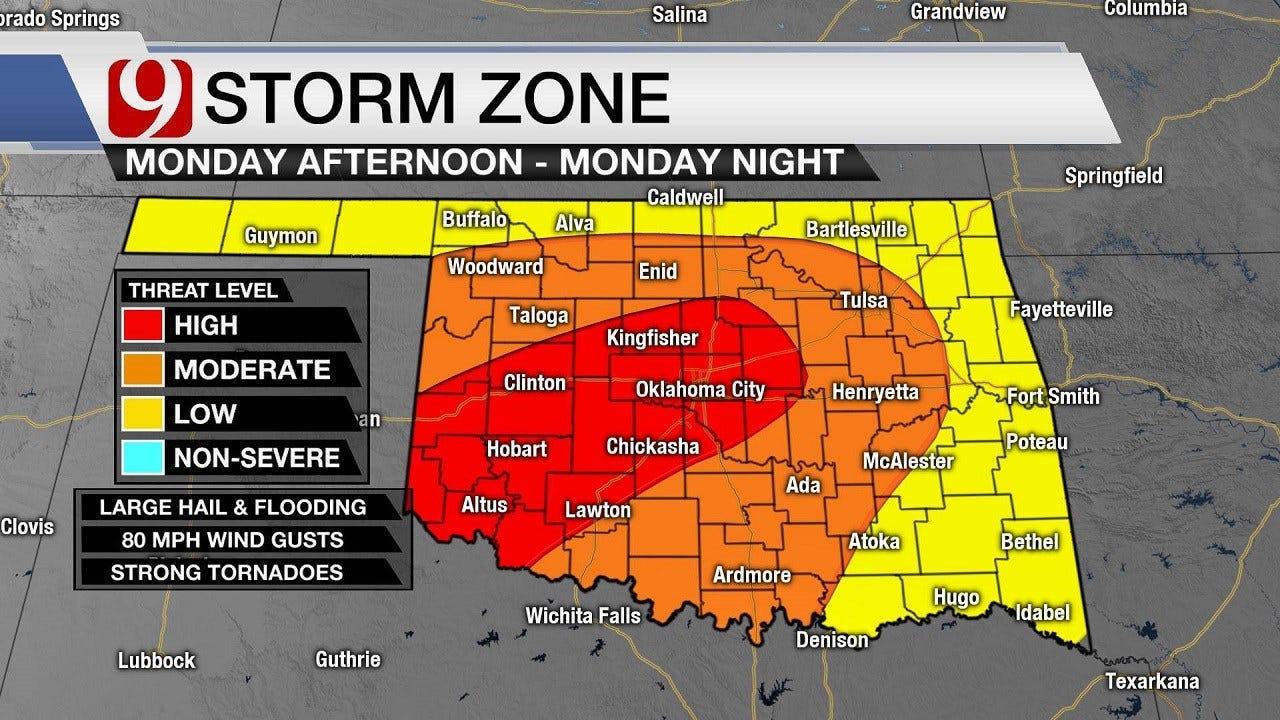
Spring: A Symphony of Change
Spring in Oklahoma is a time of dramatic transformation. Following a generally mild winter, the state awakens with increasing temperatures and rainfall. However, this season is also renowned for its volatility.
Transitional Weather and Thunderstorms
As warmer, moist air from the Gulf of Mexico clashes with cooler, drier air from the north, severe weather becomes a significant concern. Thunderstorms are frequent, and they can escalate into dangerous supercells capable of producing large hail, damaging winds, and tornadoes. The tornado season in Oklahoma is most active from April to June, a period that requires vigilance and preparedness. Despite the risks, spring also brings a vibrant display of wildflowers across the state, particularly in areas like the Arbuckle Mountains and the Wichita Mountains Wildlife Refuge. The landscape, often brown from winter, bursts into lush greens and a riot of floral colors.
Average Spring Temperatures and Precipitation
Temperatures begin to rise in March, often averaging in the 50s and 60s Fahrenheit, before climbing into the 70s and 80s by May. Rainfall typically increases during this period, with April often being one of the wettest months. Travelers should pack layers to accommodate fluctuating temperatures and be prepared for rain showers.
Summer: Heat and Humidity
Summers in Oklahoma are typically hot and humid, a direct result of warm air masses dominating the region. This season is ideal for enjoying water-based activities and exploring the many lakes and rivers scattered across the state.
Dominance of Heat Waves
From June through August, daytime temperatures regularly exceed 90 degrees Fahrenheit, with heat waves pushing temperatures into the triple digits. The humidity can make these high temperatures feel even more oppressive. Outdoor activities are best enjoyed in the early morning or late evening, or by seeking shade in parks and urban areas. Air conditioning is a welcome respite, making indoor attractions like museums and shopping centers popular during the peak heat.
Occasional Severe Weather and Drought
While tornado activity generally subsides as summer progresses, severe thunderstorms can still occur, often bringing heavy rainfall and flash flooding, particularly in low-lying areas. Conversely, extended periods without significant rainfall can lead to drought conditions, impacting agriculture and increasing the risk of wildfires, especially in western Oklahoma.
Average Summer Temperatures and Precipitation
Average summer temperatures range from the high 70s to the mid-80s Fahrenheit. Precipitation patterns can be inconsistent, with some areas experiencing heavy downpours while others face dry spells.
Autumn: A Pleasant Respite
Autumn is often considered one of the most pleasant seasons in Oklahoma, offering a welcome break from the summer heat. The weather is generally mild and dry, making it an excellent time for outdoor exploration and scenic drives.
Crisp Air and Colorful Foliage
As temperatures begin to cool, the humidity decreases, leading to crisp, clear days. The state’s diverse tree population, particularly in eastern Oklahoma, puts on a spectacular display of fall colors, with vibrant reds, oranges, and yellows adorning the landscapes. This is an ideal time to visit national parks and forests, or to enjoy hiking and camping.
Decreasing Storm Activity
The likelihood of severe thunderstorms and tornadoes significantly diminishes in the fall. While occasional cold fronts can bring cooler temperatures and rain, the extreme weather events of spring and summer are rare. This makes autumn a safer and more predictable time for travel.
Average Autumn Temperatures and Precipitation

Autumn temperatures gradually decrease from the 70s in September to the 40s and 50s by November. Rainfall also tends to be lower than in spring, with drier conditions prevailing.
Winter: Cold and Occasionally Snow
Oklahoma winters can be quite variable, ranging from mild and pleasant to cold and snowy. The state is subject to incursions of Arctic air, which can bring freezing temperatures and winter precipitation.
Winter Storms and Ice
While significant snowfall is not a consistent feature of Oklahoma winters, occasional snowstorms can occur, blanketing the landscape in white. More common, however, are ice storms, which can cause significant disruptions to transportation and power grids. These storms are a result of warm, moist air overriding a layer of sub-freezing air near the surface, leading to freezing rain.
Cold Snaps and Mild Spells
Oklahoma winters are characterized by periods of cold, with temperatures frequently dropping below freezing, particularly at night. However, these cold snaps are often interspersed with milder spells, where temperatures can rise into the 50s or even 60s Fahrenheit for a few days. This variability means that packing for winter travel requires adaptability.
Average Winter Temperatures and Precipitation
Average winter temperatures generally range from the low 30s to the mid-40s Fahrenheit. Precipitation during winter can manifest as rain, sleet, or snow, with the amount and type varying significantly from year to year and region to region.
Regional Climate Variations
Oklahoma’s climate is not uniform across the entire state. Distinct geographical features and proximity to different weather influences create regional variations.
Eastern Oklahoma: Humid Subtropical Influence
Eastern Oklahoma, characterized by its rolling hills and forests, generally experiences a more humid subtropical climate. This region receives more rainfall than the western parts of the state, contributing to its lush vegetation. Summers are hot and humid, while winters are cooler with a greater chance of snow and ice compared to the west.
Western Oklahoma: Semi-Arid Conditions
Western Oklahoma, part of the Great Plains, has a more semi-arid climate. This area is drier, with hotter summers and cooler, often windier, winters. The reduced rainfall makes this region more susceptible to drought and wind erosion. The Oklahoma Panhandle is particularly dry, resembling the climate of New Mexico and Texas.
Central Oklahoma: Transitional Climate
Central Oklahoma, including the capital city of Oklahoma City, experiences a transitional climate, drawing influences from both the eastern humid regions and the western semi-arid areas. This region is often at the forefront of severe weather outbreaks, situated in a prime location for tornado development.
Preparing for Oklahoma’s Weather
Regardless of the season, preparedness is key to enjoying Oklahoma.
Packing Essentials
When packing for a trip to Oklahoma, versatility is paramount. Layers are your best friend, allowing you to adjust to rapidly changing temperatures. Include a waterproof and windproof outer layer, comfortable walking shoes, and sun protection (hat, sunscreen) even in cooler months, as the sun can be intense. For spring and summer, insect repellent is also advisable.
Staying Informed
Keeping abreast of weather forecasts is crucial, especially during spring and summer. Utilize reliable weather apps and local news broadcasts to stay updated on any potential severe weather threats. In the event of a tornado warning, have a plan in place and know where to seek shelter. Many cities and towns have designated storm shelters.

Embracing the Climate
Oklahoma’s weather, while sometimes challenging, is also a source of its unique character. The dramatic storms can lead to spectacular sunsets, the heat of summer fuels vibrant outdoor life, and the changing seasons paint the landscape with diverse beauty. By understanding and respecting its climate, visitors can fully appreciate the dynamic spirit of the Sooner State. Whether you’re drawn to the dramatic skies, the blooming prairies, or the crisp autumn air, Oklahoma’s weather offers a constant, captivating backdrop to your adventures.
LifeOutOfTheBox is a participant in the Amazon Services LLC Associates Program, an affiliate advertising program designed to provide a means for sites to earn advertising fees by advertising and linking to Amazon.com. Amazon, the Amazon logo, AmazonSupply, and the AmazonSupply logo are trademarks of Amazon.com, Inc. or its affiliates. As an Amazon Associate we earn affiliate commissions from qualifying purchases.