
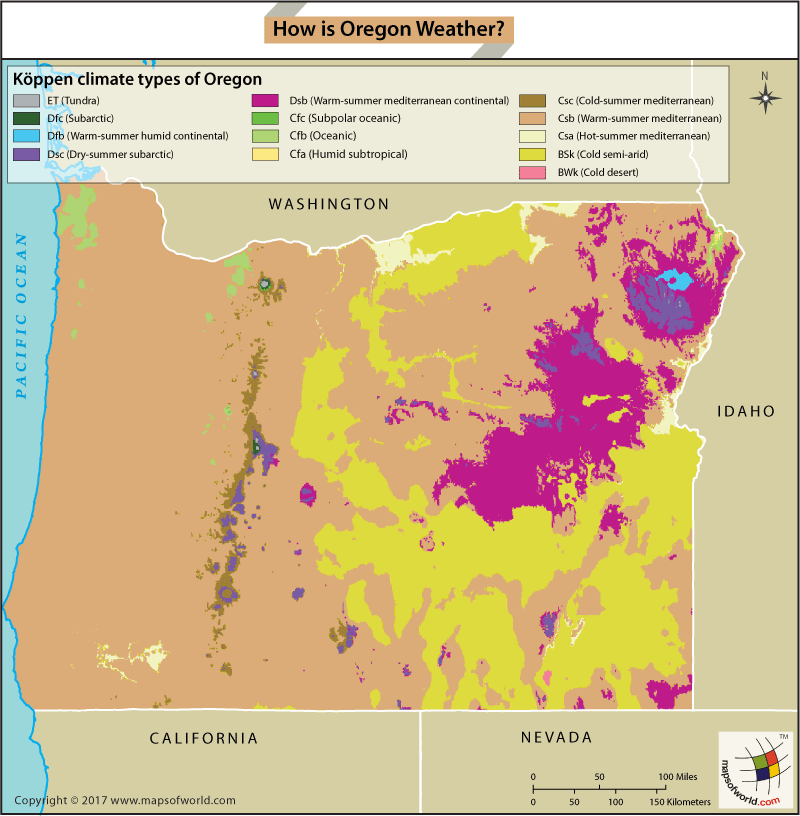
Oregon, a state celebrated for its diverse landscapes ranging from arid high deserts to lush temperate rainforests, presents a fascinating tapestry of climatic conditions. Understanding the weather in Oregon is paramount for anyone planning a visit, whether for outdoor adventures, urban exploration, or simply to experience its unique charm. The state’s geography, heavily influenced by the Pacific Ocean to the west and the Cascade Mountains inland, creates distinct microclimates that vary significantly by region and season. This guide delves into the typical weather patterns across Oregon, offering insights into what to expect throughout the year.
Pacific Northwest Coastal Climate
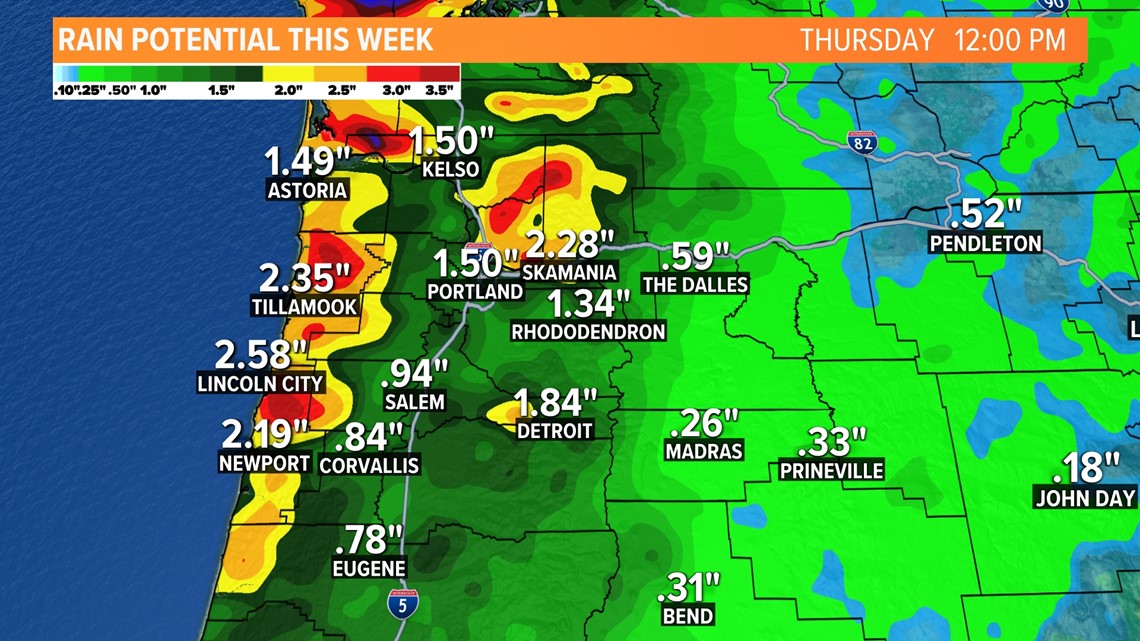
The Oregon Coast is characterized by a moderate, maritime climate. Influenced by the Pacific Ocean, temperatures are generally milder than inland areas, with cooler summers and warmer winters. Rainfall is a defining feature of this region, particularly from fall through spring, contributing to the verdant, moss-draped forests that are iconic to the Pacific Northwest.
Summer on the Coast (June – August)
Summers along the Oregon Coast are typically pleasant and relatively dry, though cloudy mornings are not uncommon. Daytime temperatures usually range from the low 60s to the mid-70s Fahrenheit (15-24°C). The ocean breeze can keep coastal towns cooler than their inland counterparts, making it an ideal time for exploring beaches like Cannon Beach or enjoying activities in Seaside. While sunshine is more prevalent, occasional fog banks can roll in, especially in the mornings, adding to the atmospheric allure. Evenings can be cool, so packing layers is essential.
Fall and Winter on the Coast (September – February)
Autumn brings a dramatic shift to the coast, with increased rainfall and wind. Temperatures begin to cool, typically ranging from the 40s to the 60s Fahrenheit (4-15°C). This season is perfect for storm watching, a popular pastime in towns like Depoe Bay. Winter remains wet and cool, with average temperatures in the 30s and 40s Fahrenheit (0-10°C). Snowfall is rare at sea level but can occur at higher elevations along the coast. The dramatic skies and powerful ocean waves create a rugged, captivating beauty that draws many visitors seeking a more introspective travel experience.
Spring on the Coast (March – May)
Spring sees a gradual return of milder weather and more sunshine, though rain showers remain frequent. Temperatures begin to climb, generally between the 40s and 60s Fahrenheit (4-15°C). Wildflowers start to bloom, adding splashes of color to the coastal bluffs, and migrating whales can be spotted offshore. It’s a transitional period, offering a blend of invigorating weather perfect for coastal hikes and exploring charming seaside communities.
Willamette Valley and Portland Metro Area Weather
The Willamette Valley, home to Portland and the heart of Oregon’s wine country, experiences a Mediterranean-like climate with warm, dry summers and cool, wet winters. The valley is shielded from the harshest Pacific storms by the Coast Range mountains to the west.
Summer in the Valley (June – August)
Summers in the Willamette Valley are typically warm and dry, with ample sunshine. Daytime temperatures often reach the 70s and 80s Fahrenheit (21-32°C), with occasional heatwaves pushing temperatures into the 90s or even 100s Fahrenheit (32-38°C). This is the prime season for outdoor activities, vineyard tours, and exploring the vibrant city life of Portland. The low humidity makes the heat more bearable, and evenings are usually pleasant.
Fall and Winter in the Valley (September – February)
Autumn in the Willamette Valley is renowned for its stunning fall foliage, particularly in the wine regions. Temperatures begin to cool, with daytime highs in the 50s and 60s Fahrenheit (10-20°C) in early fall, gradually dropping into the 40s and 50s Fahrenheit (4-15°C) as winter approaches. Rainfall increases significantly from October onwards. Winters are cool and damp, with average temperatures in the 30s and 40s Fahrenheit (0-10°C). Freezing temperatures and occasional light snow are possible, especially in the northern parts of the valley, but prolonged snow events are rare. This is the season for cozying up in cafes, exploring museums, and enjoying the festive holiday atmosphere in cities like Portland.
Spring in the Valley (March – May)
Spring brings a welcome change to the Willamette Valley with blooming flowers, budding trees, and increasing sunshine. While showers are still common, they are often interspersed with sunny periods. Temperatures gradually warm from the 40s and 50s Fahrenheit (4-15°C) in early spring to the 60s and 70s Fahrenheit (15-26°C) by late spring. It’s an ideal time for exploring gardens, cycling through the countryside, and enjoying the return of outdoor markets.
Cascade Mountains and Eastern Oregon Climate
The Cascade Mountains act as a significant climatic divide, creating a stark contrast between western and eastern Oregon. East of the Cascades, the climate is semi-arid to arid, characterized by hot, dry summers and cold, snowy winters.
Summer in the Cascades and East (June – August)
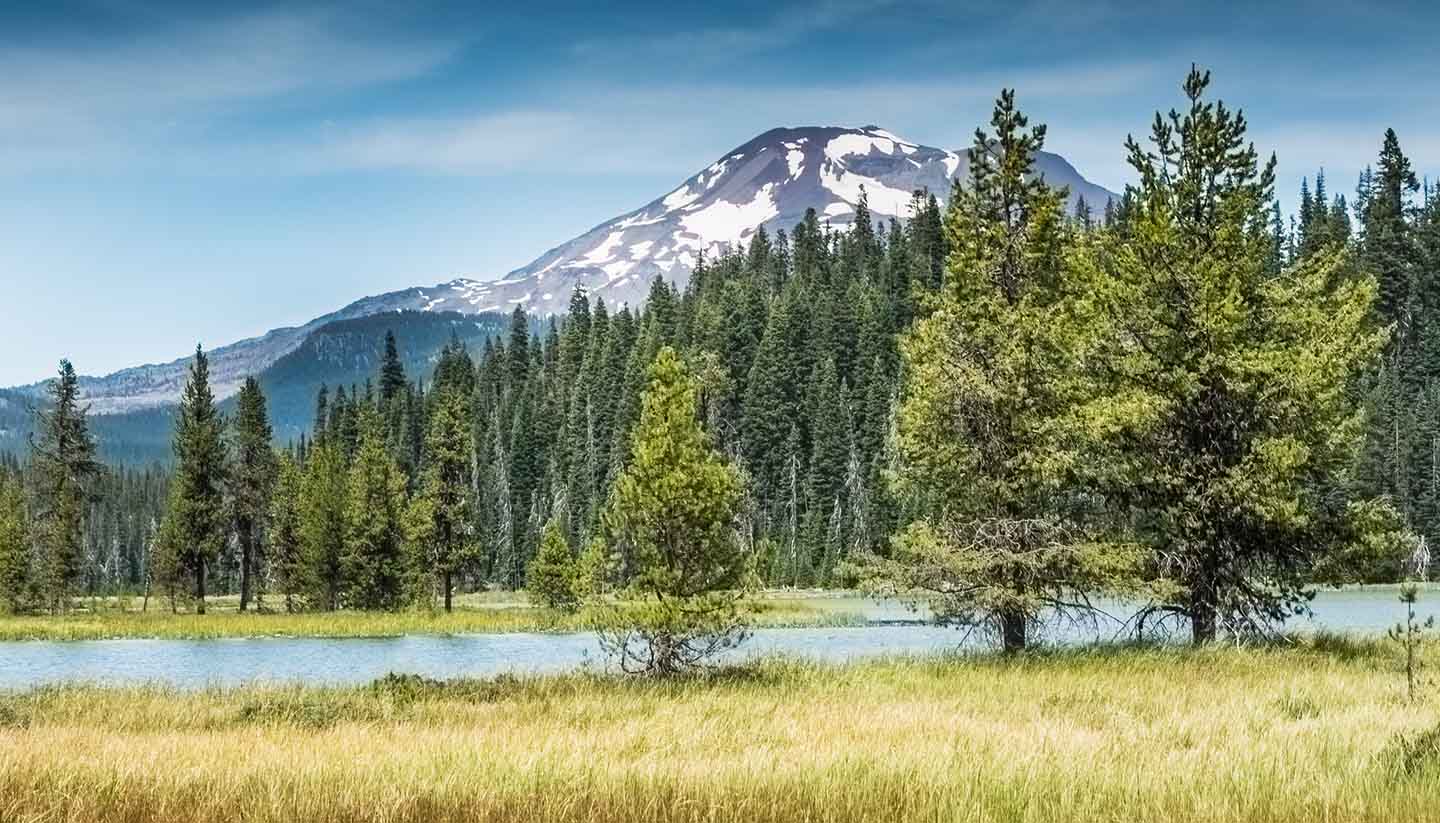
Summers in the mountainous regions and east of the Cascades are generally warm to hot and very dry. Temperatures in the high desert areas can easily exceed the 80s and 90s Fahrenheit (27-38°C), with nights offering cooler relief. In the mountains, daytime temperatures are more moderate, typically in the 70s and 80s Fahrenheit (21-32°C), though higher elevations will be cooler. This is the prime season for hiking in places like Crater Lake National Park or exploring the Wallowa Mountains. Afternoon thunderstorms can occur in the mountains, but overall, rainfall is minimal.
Fall and Winter in the Cascades and East (September – February)
Autumn in eastern Oregon brings crisp air and vibrant fall colors, with temperatures cooling significantly. Snow begins to fall in the higher elevations of the Cascades as early as October, making it a prime destination for winter sports enthusiasts at resorts like Mt. Hood Ski Bowl or Timberline Lodge. Winters are cold, with sub-freezing temperatures common. Heavy snowfall is expected in the mountains, often blanketing the landscape in deep snow, while eastern Oregon experiences a drier cold with occasional snowfalls. Cities like Bend and La Grande will see winter conditions.
Spring in the Cascades and East (March – May)
Spring in eastern Oregon is a period of transition. While snow persists at higher elevations well into spring, lower elevations begin to warm up. Temperatures can be highly variable, with sunny, mild days followed by late frosts or snow. Wildflowers begin to bloom in the high desert as the snow recedes. In the mountains, the spring melt creates flowing rivers and waterfalls, but many higher-elevation trails may remain impassable until late spring or early summer.
Southern Oregon Climate
Southern Oregon, encompassing regions like the Rogue Valley, experiences a climate that blends Mediterranean influences with more continental extremes. It is generally warmer and drier than the Willamette Valley.
Summer in Southern Oregon (June – August)
Summers in Southern Oregon are hot and dry, with prolonged periods of sunshine. Temperatures frequently reach the 80s and 90s Fahrenheit (27-38°C), and heatwaves can push them even higher. This makes it ideal for exploring attractions like the Oregon Shakespeare Festival in Ashland or enjoying outdoor activities in the Crater Lake National Park region, though it’s important to stay hydrated.
Fall and Winter in Southern Oregon (September – February)
Autumn offers mild temperatures and beautiful fall colors, making it a pleasant time to visit. As winter approaches, temperatures cool, and rainfall increases, though typically less than in the coastal or northern valleys. Frost is common, and occasional light snow can fall, particularly at higher elevations. Cities like Medford experience cooler, wetter winters, while areas closer to the California border often remain milder.
Spring in Southern Oregon (March – May)
Spring in Southern Oregon is characterized by warming temperatures and increasing sunshine, though rain showers persist. It’s a beautiful time as the landscape greens and wildflowers bloom. Temperatures gradually rise from the 50s Fahrenheit (10°C) in early spring to the 70s Fahrenheit (21°C) by late spring, making it a great time for outdoor exploration before the summer heat sets in.
In conclusion, Oregon’s weather is as diverse as its landscapes. Whether you seek the misty charm of the coast, the vibrant urban life of Portland, the alpine beauty of the Cascades, or the sun-baked expanses of the high desert, understanding these climatic nuances will undoubtedly enhance your travel experience in this captivating state. Always check local forecasts before your trip, as conditions can change rapidly.
LifeOutOfTheBox is a participant in the Amazon Services LLC Associates Program, an affiliate advertising program designed to provide a means for sites to earn advertising fees by advertising and linking to Amazon.com. Amazon, the Amazon logo, AmazonSupply, and the AmazonSupply logo are trademarks of Amazon.com, Inc. or its affiliates. As an Amazon Associate we earn affiliate commissions from qualifying purchases.