
San Diego, California, often hailed as “America’s Finest City,” owes much of its allure to its legendary climate. For travelers planning a visit, understanding the local weather patterns isn’t just about packing the right attire; it’s about optimizing their entire travel experience. From choosing the best time for beach activities to finding the perfect accommodation for a long-term stay, San Diego’s climate plays a pivotal role. This comprehensive guide delves into the nuances of San Diego weather, offering insights for every type of traveler, whether you’re seeking luxury resorts, budget-friendly apartments, family-friendly experiences, or a productive business stay. We’ll explore how the city’s sun-drenched days and mild evenings influence everything from tourism activities to lifestyle choices, ensuring your trip is as perfect as the weather itself.
San Diego’s Legendary Climate: An Overview
The cornerstone of San Diego’s reputation as a world-class destination is undeniably its climate. Unlike many other major cities in the United States, San Diego boasts a remarkably consistent and pleasant weather profile year-round, making it an attractive destination regardless of the season. This enviable climate is a significant draw for tourism, influencing everything from outdoor activities and dining experiences to the types of hotels and resorts that thrive here.
The Mediterranean Influence
San Diego’s climate is classified as semi-arid and subtropical, often referred to as a Mediterranean climate. This classification implies mild, wet winters and warm, dry summers, a pattern highly sought after globally. The city’s geographical position, nestled along the Pacific Ocean coastline, and its proximity to the cool ocean currents are crucial factors. These currents act as a natural air conditioner, moderating temperatures, particularly during the summer months. This maritime influence prevents the extreme heat often experienced further inland and provides a refreshing coolness, especially noticeable in the coastal regions. This consistent moderation creates an ideal environment for a wide array of attractions and experiences, from exploring historic landmarks to enjoying vibrant local culture and cuisine, which are all pillars of San Diego’s tourism appeal.
Sunshine and Mild Temperatures Year-Round
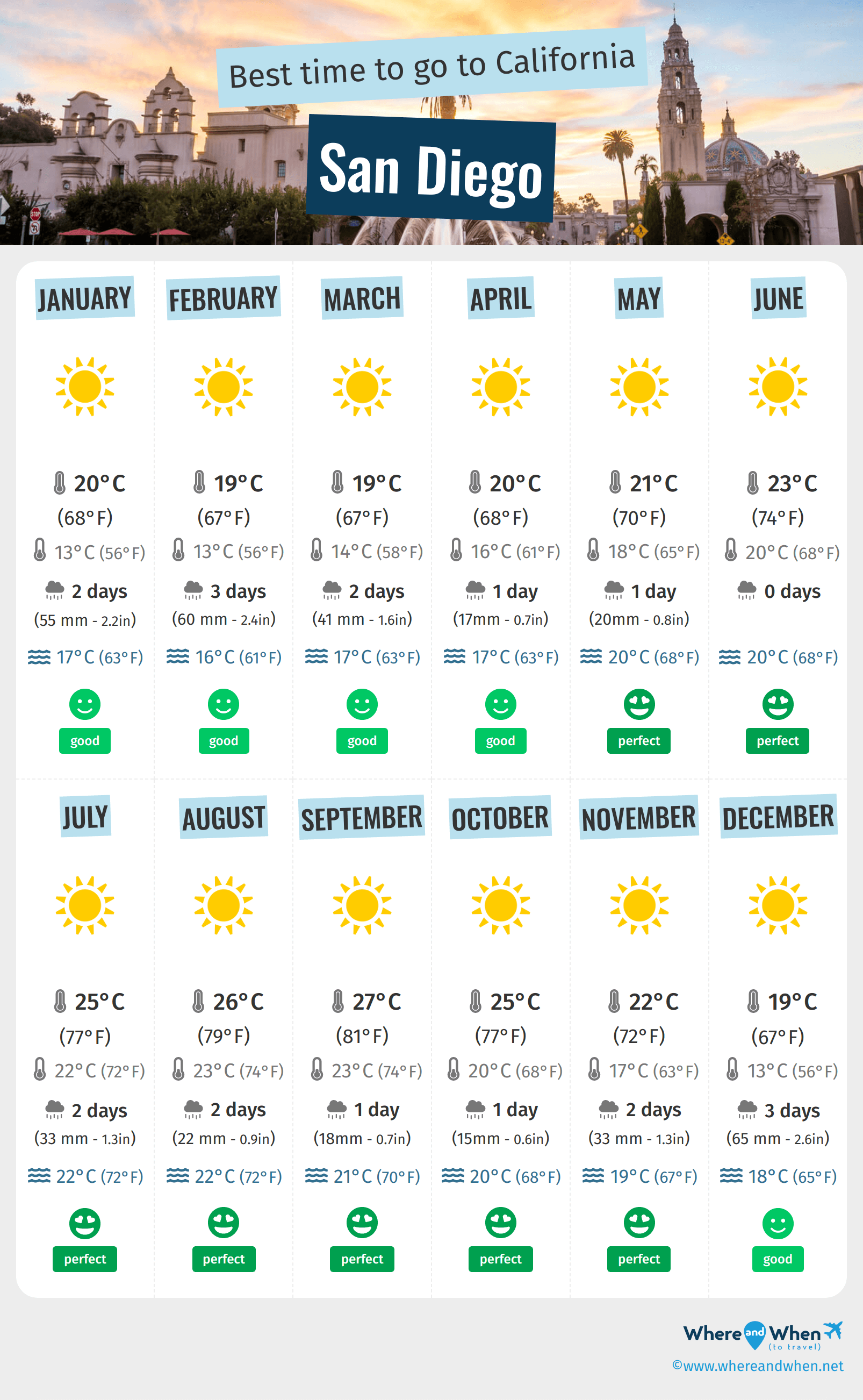
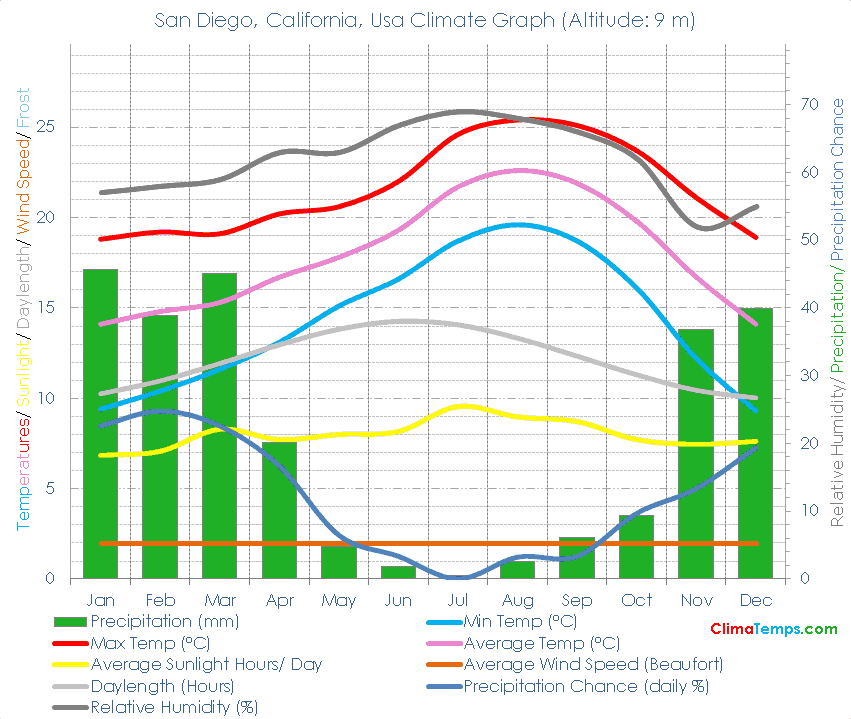
What truly sets San Diego apart is its abundance of sunshine and consistently mild temperatures. The city averages over 260 sunny days per year, with average daily temperatures hovering comfortably between 60°F (15°C) and 75°F (24°C) for much of the year. Humidity levels are generally low, contributing to the comfortable feel even when temperatures rise. This consistent comfort means that outdoor activities are almost always on the agenda, whether it’s a leisurely stroll through a famous park, an adventurous hike along the coast, or simply relaxing on one of the many pristine beaches. For travelers, this translates into less worry about adverse weather disrupting plans and more opportunities to engage with the destination’s rich offerings. This makes San Diego an ideal location for diverse lifestyles, from those seeking active adventures to those desiring tranquil relaxation.
Microclimates: A Subtle Nuance
While San Diego’s overall climate is incredibly consistent, it’s worth noting the presence of subtle microclimates. The expansive metropolitan area stretches from the immediate coast to inland valleys and foothills, resulting in slight variations in weather. Coastal areas, such as the picturesque community of La Jolla or the vibrant shores of Pacific Beach, tend to be cooler and foggier in the mornings, especially during late spring and early summer, due to the marine layer. Temperatures here rarely exceed the mid-70s even in summer. As you move further inland, for example towards cities like Poway, the marine influence lessens, leading to warmer summers and slightly cooler winters. Summer temperatures inland can climb into the 80s and occasionally 90s Fahrenheit. Understanding these microclimates is beneficial when choosing accommodation; a coastal resort offers a consistently cooler, ocean-breeze experience, while an inland hotel might be warmer during peak summer but also offers easier access to specific regional attractions.
Seasonal Weather Breakdown and Travel Planning
Planning a trip to San Diego is always a good idea, but knowing what to expect from each season can significantly enhance your experience, guiding your choices for travel, accommodation, and activities. The city’s mild nature means there’s no truly “bad” time to visit, but each season offers unique charms and considerations for various travel lifestyles.
Spring (March – May): The Awakening Season
Weather: Spring in San Diego is characterized by incredibly pleasant, mild temperatures, with averages ranging from the low 60s to high 60s Fahrenheit (15-20°C). Rainfall is minimal, and the days grow progressively longer and sunnier. Towards late spring, particularly in May, the famous “May Gray” and “June Gloom” phenomena can begin. This refers to mornings with a persistent marine layer, often characterized by overcast skies or light fog, which typically burns off by midday, revealing brilliant sunshine.
Activities: This is an ideal time for outdoor adventures and sightseeing before the summer crowds arrive. Explore the expansive Balboa Park, home to museums, gardens, and the world-renowned San Diego Zoo. Hiking trails along the coast or in inland preserves are delightful. The pleasant weather is perfect for enjoying patio dining in the Gaslamp Quarter or visiting the vibrant farmers’ markets.
Travel & Accommodation: Spring represents a shoulder season, often offering better deals on flights and hotels compared to the peak summer months. It’s a fantastic time for budget-conscious travelers or those seeking a more relaxed pace. Many suites and boutique hotels might have attractive rates, and booking is generally easier than in summer.
Summer (June – August): Peak Season Sunshine (Mostly)
Weather: San Diego summers are warm, sunny, and dry, making it a quintessential summer destination. Average temperatures are in the mid-70s Fahrenheit (24-25°C) along the coast, with inland areas being warmer. As mentioned, “June Gloom” and “July Fog” are common coastal morning occurrences, but they almost always give way to clear, sunny afternoons, perfect for beach activities. Excessive heat is rare, thanks to the cooling ocean breezes.
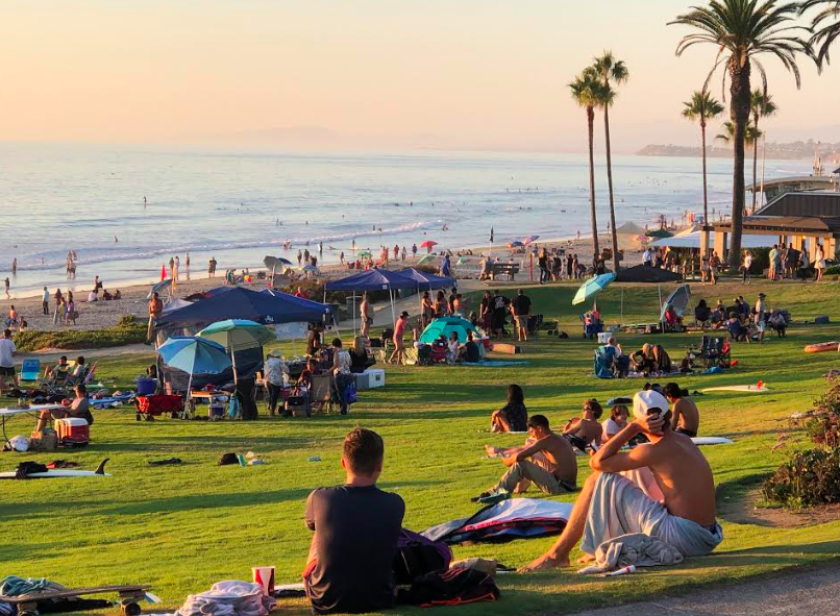
Activities: Summer is prime time for beach activities and water sports. Popular spots like Coronado Beach and Pacific Beach are bustling with swimmers, surfers, and sunbathers. Festivals and outdoor concerts are abundant. It’s also a great time to visit attractions like SeaWorld San Diego or take a harbor cruise.
Travel & Accommodation: This is San Diego’s peak tourism season. Expect higher prices for flights, hotels, and resorts, especially for luxury travel options like the historic Hotel del Coronado or family-friendly resorts like Paradise Point Resort. Booking well in advance is essential, particularly for preferred suites or villas. This is also a popular time for family trips and those seeking a vibrant, energetic atmosphere.
Fall (September – November): Local’s Favorite Season
Weather: Fall is often considered the best time to visit San Diego by locals and repeat visitors. The “June Gloom” and “July Fog” dissipate, leading to clearer skies and warmer ocean temperatures. “Indian Summer” often extends into October, bringing some of the clearest, most pleasant days of the year, with average temperatures in the low 70s Fahrenheit (21-23°C). Rainfall remains very low until late November.
Activities: The mild, clear weather is perfect for nearly every activity. It’s an excellent time for exploring inland attractions like the wineries in nearby Temecula, enjoying scenic hikes, or playing golf. Beach days are still very much on the cards, often with fewer crowds. Cultural events and food festivals are also common during this season, celebrating the local culture and culinary scene.
Travel & Accommodation: Fall is another fantastic shoulder season. Post-summer crowds thin out, and pre-holiday rates are often attractive, making it suitable for both luxury and budget travel. It’s a great time for couples’ getaways or business stays, offering a more serene yet still vibrant atmosphere. Accommodation options, from boutique hotels to vacation rentals, become more accessible.
Winter (December – February): Mild and Mellow
Weather: San Diego winters are remarkably mild compared to most of the United States. Average daytime temperatures are in the mid-50s to low 60s Fahrenheit (13-17°C). This is the wettest season, though rainfall is still relatively infrequent and typically comes in short bursts. Sunny days are still very common, often interspersed with cooler, cloudy periods. Frost is rare, and snow is virtually unheard of.
Activities: While not traditional beach weather for swimming, many still enjoy walks on the beach. Winter is prime whale-watching season as gray whales migrate along the coast. It’s an excellent time to explore museums, art galleries, and indoor attractions at Balboa Park. Cozy cafes and restaurants, especially in areas like Little Italy or the Gaslamp Quarter, offer a warm retreat. Holiday events add a festive touch in December.
Travel & Accommodation: Winter is generally the quietest tourism season, aside from holiday peaks. This can translate to lower prices for accommodation, making it an excellent time for budget travel or long-term stays. Many hotels and apartments offer attractive off-season rates. It’s a good choice for those seeking a peaceful escape or for business travelers looking to avoid the summer rush.
Practical Tips for Planning Your San Diego Trip Based on Weather
Understanding San Diego’s weather patterns is just the first step. Translating that knowledge into practical planning advice can elevate your trip from good to unforgettable, ensuring your travel, accommodation, and lifestyle choices align perfectly with your expectations.
What to Pack
The golden rule for packing for San Diego is layering, regardless of the season. Even on the warmest days, evenings can bring a cool ocean breeze, making a light jacket or sweater essential.
- Year-Round Essentials: Sunscreen (critical due to consistent sunshine), sunglasses, a hat, comfortable walking shoes, and a light jacket or cardigan.
- Spring/Fall: Add a medium-weight jacket for evenings. Swimsuit if you plan on visiting heated pools or if the ocean warms up (fall).
- Summer: Swimsuits are a must. Light clothing (shorts, t-shirts, dresses). Consider a very light jacket or shawl for evenings, especially near the coast.
- Winter: A warmer jacket or coat, longer pants, and closed-toe shoes. While not freezing, the air can be crisp, especially in the mornings and evenings. An umbrella might be useful for occasional rain showers, though they are usually brief.
Maximizing Your San Diego Experience
The weather in San Diego significantly dictates the optimal time for specific activities.
- Best Time for Beach Activities: While beaches are accessible year-round, late summer (August-September) often boasts the warmest ocean temperatures and clearest skies, making it ideal for swimming, surfing, and sunbathing. Early summer (June-July) is also popular, but be prepared for potential morning fog.
- Best Time for Exploring Inland Attractions: Spring and fall offer the most comfortable temperatures for destinations slightly removed from the coast. Visiting attractions like the San Diego Zoo Safari Park or hiking in regional parks is more pleasant when temperatures are moderate.
- Considering Weather for Specific Events or Festivals: Many outdoor festivals and events are scheduled in spring, summer, and fall to take advantage of the favorable weather. If your trip revolves around a particular event, check its schedule and plan your visit accordingly, keeping seasonal weather in mind for comfort.
Accommodation Choices Influenced by Weather
Your choice of accommodation can greatly enhance your comfort, particularly during specific seasons.
- Coastal Resorts for Summer: If a vibrant beach experience is your priority, booking a coastal resort or beachfront apartment is ideal for summer. These properties, like Hotel del Coronado, offer direct access to the ocean breeze, which is a natural cooler. Be prepared for higher rates and book early due to high demand.
- Hotels with Heated Pools for Cooler Months: For winter or early spring visits, consider hotels or resorts that boast heated pools and hot tubs. This allows for enjoyable swimming and relaxation even when the ocean is too cool. Many luxury hotels offer exceptional spa amenities perfect for cooler days.
- Air Conditioning Considerations: While San Diego is generally mild, inland areas can get warm in summer. If you plan to stay further from the coast during July or August, ensure your accommodation, whether a hotel, apartment, or villa, has reliable air conditioning for maximum comfort.
- Booking Flexibility for Longer Stays: For long-term stays, especially during shoulder or off-peak seasons (late fall, winter, early spring), you might find better deals on apartments and extended-stay suites. The mild weather makes San Diego an attractive option for snowbirds or digital nomads seeking a pleasant climate for several weeks or months. Checking reviews and comparing various accommodation types can help secure the best value for your lifestyle.
In conclusion, San Diego’s weather is not just a pleasant backdrop; it’s an integral part of its identity as a premier travel destination. Its consistent mildness and abundant sunshine cater to a diverse range of travelers and lifestyles throughout the year. By understanding the seasonal nuances and applying these practical tips, you can ensure your trip to “America’s Finest City” is perfectly tailored to your preferences, whether you’re chasing the summer sun, enjoying a tranquil fall escape, or embracing the mild winter charm. So pack your bags, prepare for endless sunshine, and get ready to experience the magic of San Diego weather firsthand.
LifeOutOfTheBox is a participant in the Amazon Services LLC Associates Program, an affiliate advertising program designed to provide a means for sites to earn advertising fees by advertising and linking to Amazon.com. Amazon, the Amazon logo, AmazonSupply, and the AmazonSupply logo are trademarks of Amazon.com, Inc. or its affiliates. As an Amazon Associate we earn affiliate commissions from qualifying purchases.