
Planning a trip to San Jose, California, involves understanding its unique climate, a crucial factor that shapes everything from packing decisions to daily itineraries. As the largest city in Silicon Valley and a major hub in the Bay Area, San Jose offers a distinct Mediterranean climate characterized by mild, wet winters and warm, dry summers. This predictable weather pattern makes it an appealing travel destination year-round, provided you know what to expect and how to prepare.
Decoding San Jose’s Mediterranean Climate for Travelers
The Mediterranean climate of San Jose is a major draw for visitors, offering comfortable conditions for a variety of activities. Unlike regions with extreme temperature fluctuations or high humidity, San Jose generally boasts agreeable weather that enhances the travel experience. This climate is defined by two primary seasons, each with its own charm and set of considerations for the discerning traveler.
Mild, Wet Winters: An Opportunity for Cozy Exploration
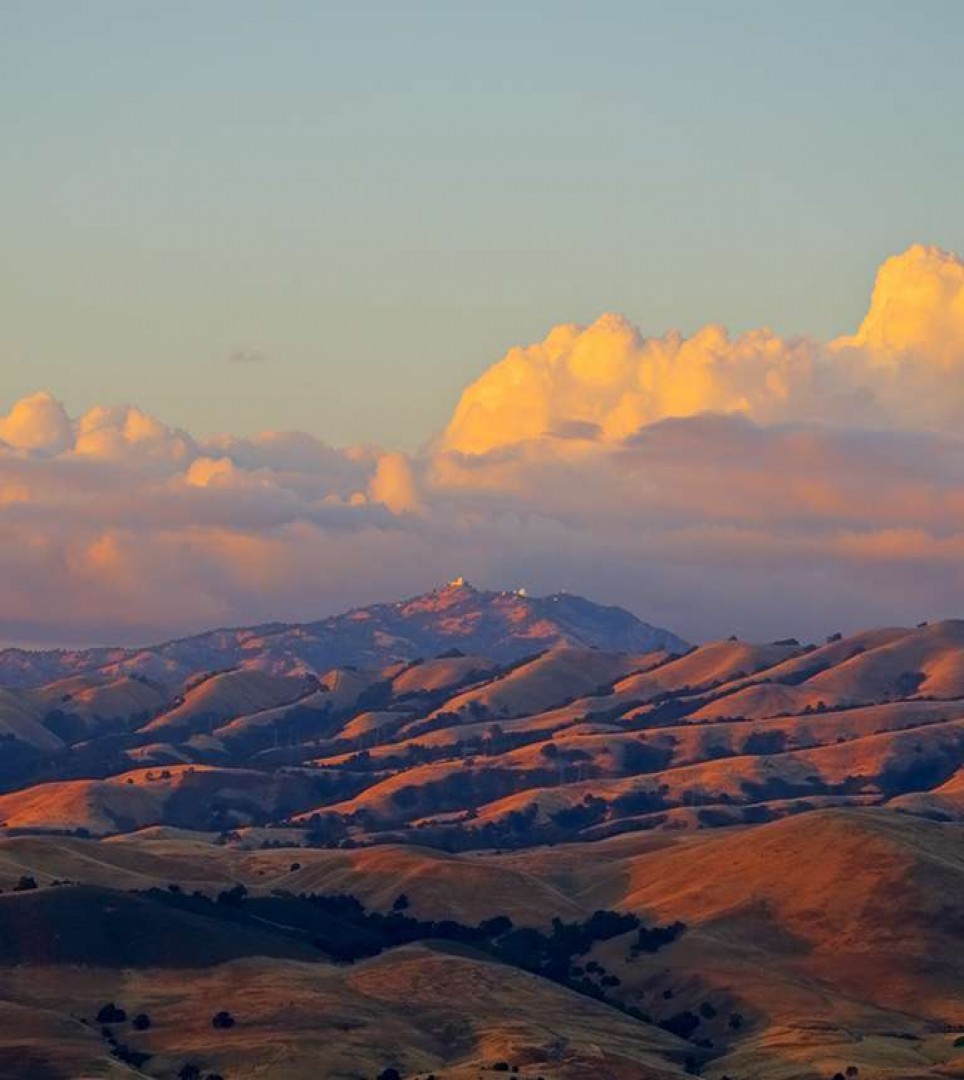
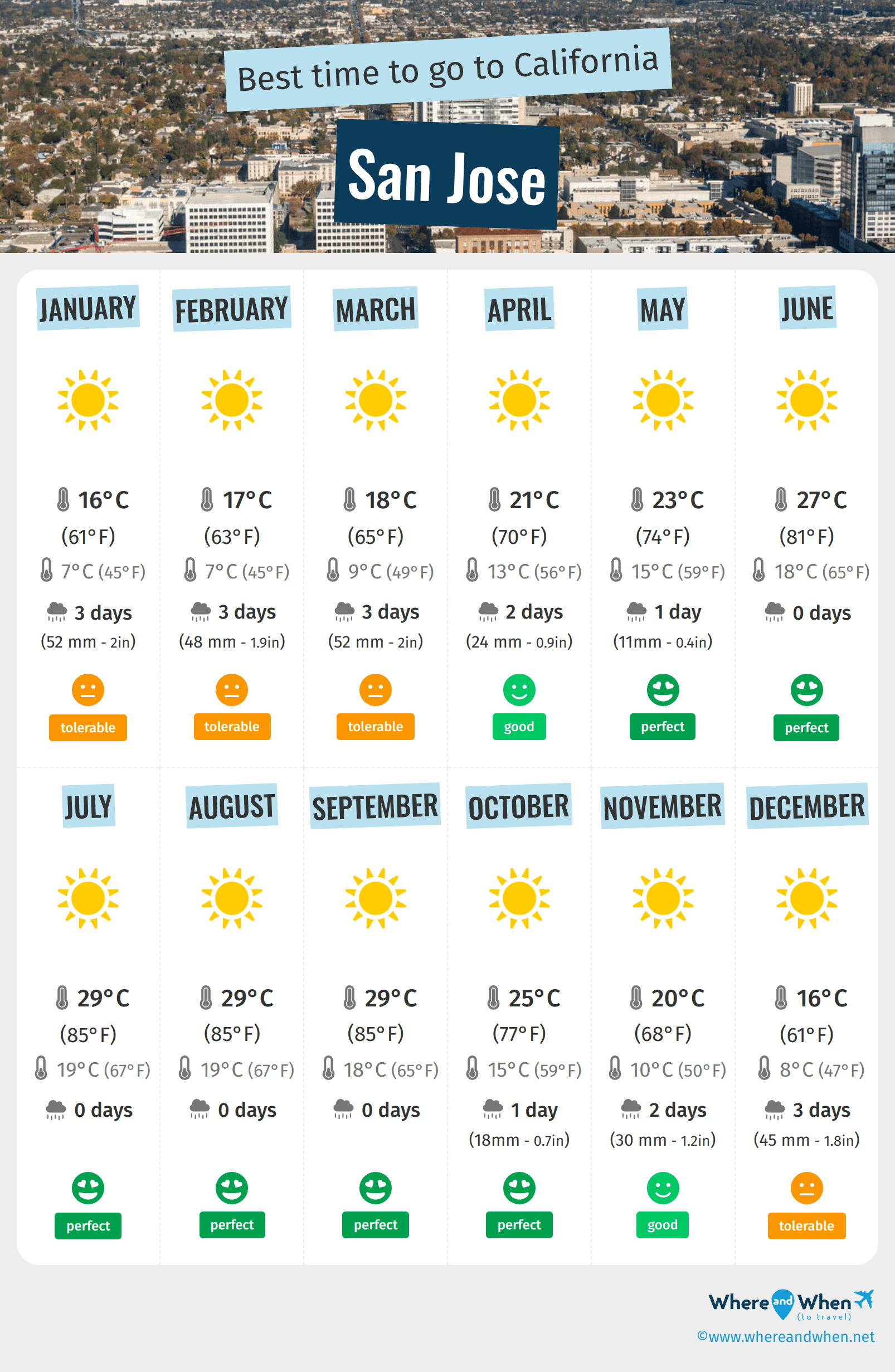
From November through March, San Jose experiences its mild, wet winter season. Temperatures during the day typically range from the mid-50s to low 60s Fahrenheit (10-16°C), rarely dipping below freezing. Nights are cooler, often in the low 40s (4-7°C). While “wet” implies rain, it’s important to note that San Jose’s rainfall is moderate, usually arriving in intermittent showers rather than prolonged downpours. Sunny days are still common, especially after a frontal system passes.
For travelers, this means a few things. Firstly, winter often brings fewer crowds to major attractions, offering a more relaxed and intimate experience. Secondly, the landscape transforms, becoming lush and green, particularly in the surrounding hills. Activities like visiting indoor museums such as The Tech Interactive or the Rosicrucian Egyptian Museum are excellent choices. Enjoying cozy cafes, exploring vibrant downtown areas, or even taking a crisp walk through San Jose Municipal Rose Garden on a clear day can be incredibly rewarding. Packing layers, including a waterproof jacket and comfortable walking shoes, is essential to comfortably navigate the occasional rain and cooler temperatures.
Warm, Dry Summers: The Peak Season for Outdoor Adventures
June through September marks San Jose’s warm, dry summer. This is arguably the most popular time to visit, characterized by abundant sunshine and very little rain. Daytime temperatures typically hover in the upper 70s to low 80s Fahrenheit (25-29°C), often peaking in the mid-90s (35°C) during heatwaves, especially in July and August. However, due to its inland location, the coastal fog that often blankets nearby San Francisco usually doesn’t reach San Jose, resulting in clearer skies. Nights provide a welcome respite, cooling down to the mid-50s to low 60s (13-17°C), making evenings pleasant for dining al fresco or enjoying outdoor events.
Travelers arriving in summer can anticipate an abundance of outdoor activities. Hiking and biking trails at places like Alum Rock Park or along the Guadalupe River Trail are in prime condition. Exploring the San Jose Flea Market, attending outdoor concerts, or simply relaxing in one of the city’s many parks becomes a daily pleasure. Hydration is key, and packing light, breathable clothing, sunscreen, sunglasses, and a wide-brimmed hat is highly recommended. The significant temperature drop from day to night also necessitates a light jacket or sweater for evening outings.
Seasonal Travel Guide: Making the Most of San Jose’s Weather
Each season in San Jose presents unique opportunities for travelers. Understanding these nuances allows for tailored planning, ensuring an unforgettable journey regardless of when you visit.
Spring: Bloom and Mild Breezes (April-May)
Spring in San Jose is a transitional period, offering some of the most pleasant weather of the year. Temperatures range from the mid-60s to low 70s Fahrenheit (18-23°C) during the day, with cooler evenings. Rainfall decreases significantly compared to winter, and the landscape is vibrant with blooming flowers and lush greenery.
This is an excellent time for travelers to enjoy a mix of indoor and outdoor activities. Parks and gardens, such as the Hakone Estate and Gardens or the San Jose Municipal Rose Garden, are at their most beautiful. It’s also a fantastic season for wine tasting tours in the nearby Santa Cruz Mountains or exploring charming towns. Packing layers is crucial for spring, as temperatures can fluctuate throughout the day. A light jacket, sweaters, and comfortable shoes for walking are ideal.
Fall: Perfect for Outdoor Adventures (October)
Often considered an extension of summer, October in San Jose offers incredibly agreeable weather. Daytime temperatures are usually in the comfortable mid-70s Fahrenheit (24°C), with minimal rainfall. The air is often crisp and clear, making it perfect for outdoor excursions without the intense heat of mid-summer.
For travelers, fall is ideal for hiking, cycling, and exploring the region’s natural beauty. It’s also a prime time for harvest festivals and outdoor markets. The San Jose Jazz Festival sometimes extends into early fall, offering vibrant cultural experiences. Similar to spring, layering is wise for fall, as evenings can become quite cool. Jeans, light long-sleeved shirts, and a medium-weight jacket will ensure comfort from morning to night.
Packing Essentials for Your San Jose Trip
Strategic packing based on San Jose’s weather patterns is key to a comfortable and enjoyable trip.
Summer Packing List
- Lightweight, breathable clothing: Shorts, t-shirts, sundresses made from cotton or linen.
- Swimsuit: For hotel pools or nearby beaches (like Santa Cruz).
- Sun protection: Wide-brimmed hat, sunglasses, high-SPF sunscreen.
- Comfortable walking sandals or sneakers.
- Light jacket or sweater: Essential for cool evenings.
- Reusable water bottle: To stay hydrated in the dry heat.
Winter Packing List
- Layered clothing: Long-sleeved shirts, sweaters, fleece jackets.
- Waterproof and windproof outer shell/jacket: Crucial for rain protection.
- Warm pants: Jeans or thicker casual trousers.
- Comfortable, waterproof walking shoes or boots.
- Umbrella.
- Scarf and light gloves: For particularly chilly mornings or evenings.
Spring/Fall Layering Strategy
These shoulder seasons demand versatility. Think in terms of removable layers:
- Base layers: T-shirts or light long-sleeved tops.
- Mid-layers: Sweaters, light cardigans, or fleece vests.
- Outer layers: A light to medium-weight jacket (water-resistant is a bonus for spring).
- Comfortable closed-toe shoes: Sneakers or walking boots.
Weather’s Influence on San Jose Activities and Attractions
San Jose’s appealing climate greatly enhances the traveler’s experience, providing a conducive environment for various attractions and activities throughout the year.
Outdoor Pursuits: Parks, Trails, and Gardens
The city’s numerous parks and trails are best enjoyed during the dry seasons (late spring, summer, and fall). Alum Rock Park, with its hiking trails and mineral springs, is glorious under clear skies. The San Jose Municipal Rose Garden and Hakone Estate and Gardens are vibrant showpieces in spring and summer. Even in winter, a sunny day can make for a pleasant stroll, though muddy trails might limit some hiking options. The Guadalupe River Trail offers miles of paved paths perfect for cycling or walking, rain or shine.
Indoor Attractions: Museums and Tech Hubs
When the occasional winter rain arrives, or during a particularly hot summer afternoon, San Jose’s indoor attractions offer perfect refuge. The Tech Interactive provides engaging STEM exhibits for all ages, while the Rosicrucian Egyptian Museum transports visitors to ancient civilizations. Art enthusiasts can explore the San Jose Museum of Art. These venues are ideal regardless of the weather outside, making them excellent choices for any itinerary.
Event Planning: Festivals and Outdoor Gatherings
San Jose hosts numerous festivals and events throughout the year, many of which are weather-dependent. Summer is prime time for outdoor concerts, food festivals, and community gatherings, leveraging the warm, dry conditions. Events like Music in the Park in Downtown San Jose thrive in the summer evenings. While winter might see fewer large-scale outdoor events, indoor performances and holiday markets become popular. Always check local event calendars when planning your visit to align with your interests and the expected weather.
Microclimates and Beyond: Day Trips from San Jose
While San Jose generally enjoys consistent weather, the Bay Area is famous for its microclimates. Venturing just a short distance can lead to noticeable weather changes, a factor travelers should consider for day trips.
Coastal Escapes: Santa Cruz and Monterey
A drive west to the coast, to places like Santa Cruz or Monterey, can reveal significantly different conditions. Coastal areas often experience cooler temperatures and more fog, especially in summer mornings (“June Gloom”). If you’re heading to the beach from a warm San Jose summer day, pack an extra layer or two. Winters are generally milder on the coast, but also wetter.

Mountain Retreats: Santa Cruz Mountains
The Santa Cruz Mountains, nestled between San Jose and the Pacific, offer cooler temperatures and higher humidity, especially within forested areas. Elevations can mean more dramatic temperature swings and a higher chance of rain or even occasional snow at higher peaks in winter. When planning to hike or visit wineries in the mountains, always check the specific forecast for that elevation.
In conclusion, San Jose, California, offers a traveler-friendly climate that, when understood, unlocks a wealth of experiences. Whether seeking the vibrant warmth of summer or the cozy charm of winter, thoughtful planning around its Mediterranean climate ensures a memorable and comfortable journey through the heart of Silicon Valley.
LifeOutOfTheBox is a participant in the Amazon Services LLC Associates Program, an affiliate advertising program designed to provide a means for sites to earn advertising fees by advertising and linking to Amazon.com. Amazon, the Amazon logo, AmazonSupply, and the AmazonSupply logo are trademarks of Amazon.com, Inc. or its affiliates. As an Amazon Associate we earn affiliate commissions from qualifying purchases.