
Texas, a state as vast and diverse as the American spirit itself, presents a compelling tapestry of weather patterns that are as dynamic as its landscapes. From the arid expanses of the West Texas plains to the humid subtropical climate of the Gulf Coast, understanding the weather in Texas is crucial for anyone planning a visit, relocating, or simply seeking to appreciate the nuances of this iconic state. This comprehensive overview delves into the prevailing weather conditions across Texas, exploring seasonal variations, regional differences, and the factors that shape its often-dramatic atmospheric phenomena.
Understanding Texas’s Diverse Climates
The sheer size of Texas, spanning over 268,000 square miles, is the primary driver of its varied climates. The state is broadly divided into several distinct climatic regions, each with its own characteristic temperature ranges, precipitation levels, and seasonal shifts. Recognizing these regional differences is key to comprehending the overall weather picture of Texas.
Panhandle Plains: A Semiarid Experience
In the northernmost reaches of the state, the Panhandle Plains experience a semiarid climate. Summers here are typically hot and dry, with temperatures frequently soaring into the triple digits. Winters can be harsh, characterized by cold spells, occasional snow, and strong, dry winds known as “northers.” Dust storms can also be a concern during drier periods. Precipitation is generally low, making water conservation a significant aspect of life in this region. This area is known for its wide-open spaces and is often associated with ranching and agriculture, which are heavily influenced by the prevailing weather.
North Texas: A Blend of Influences
North Texas, including the bustling metropolitan area of Dallas-Fort Worth, experiences a transitional climate. It combines elements of the drier Panhandle with the more humid conditions found further south. Summers are hot and humid, often punctuated by thunderstorms that can bring heavy rainfall and, at times, severe weather. Winters are generally mild, though cold fronts can bring freezing temperatures and occasional ice storms. Spring and fall are typically pleasant, offering comfortable temperatures ideal for outdoor activities. The region is susceptible to tornadoes during the spring months, a phenomenon that underscores the dynamic nature of its weather.
Central Texas: The Hill Country’s Charm
Central Texas, home to the scenic Texas Hill Country and cities like Austin and San Antonio, boasts a humid subtropical climate. Summers are hot and humid, with average highs in the upper 90s, though heatwaves can push temperatures higher. Thunderstorms are common, particularly during the spring and fall, and can be intense, bringing not only rain but also hail and strong winds. Winters are relatively mild, with occasional freezes. The region receives more rainfall than the Panhandle, supporting its lush landscapes and diverse flora.
East Texas: Piney Woods and Humidity
The eastern part of the state, known as the Piney Woods, has a humid subtropical climate that is heavily influenced by proximity to the Gulf of Mexico. Summers are long, hot, and extremely humid, with frequent thunderstorms. Winters are mild, though cold snaps can occur. This region receives the most rainfall in Texas, contributing to its dense forests and verdant scenery. The high humidity can make summer temperatures feel oppressive, and tropical systems from the Gulf can occasionally impact the weather patterns here.
South Texas: Subtropical and Warm
South Texas, including the Rio Grande Valley, enjoys a humid subtropical climate that borders on a tropical savanna climate in its southernmost reaches. Summers are very hot and humid, with temperatures often exceeding 100°F. Winters are mild and short, with frost being rare. This region receives moderate rainfall, and its proximity to the Gulf of Mexico means it is also susceptible to tropical storms and hurricanes during the Atlantic hurricane season. The warmer climate supports a longer growing season for agriculture.
West Texas: The High Desert’s Aridity
In stark contrast to the East, West Texas presents a more arid and semidesert environment. Summers are scorching hot with very low humidity. Winters are cold, with significant temperature swings and occasional snowfall. The region experiences the most dramatic diurnal temperature variations, meaning large differences between daytime highs and nighttime lows. Rainfall is scarce, and drought conditions are not uncommon. This area is characterized by its vast desert landscapes, mesas, and rugged terrain, including iconic locations like the Guadalupe Mountains National Park.
Seasonal Weather Patterns in Texas
Texas experiences four distinct seasons, each with its own set of weather characteristics that can significantly impact daily life and travel plans. Understanding these seasonal shifts is crucial for anticipating the conditions you might encounter.
Spring: A Season of Transformation and Severe Weather
Spring in Texas, generally from March through May, is a period of dramatic transformation. Temperatures begin to warm considerably after the winter chill, and vegetation bursts into bloom. However, this season is also synonymous with severe weather. The clash between warm, moist air from the Gulf of Mexico and cooler, drier air from the north creates ideal conditions for the formation of thunderstorms. These storms can be severe, producing heavy rain, large hail, damaging winds, and, most notably, tornadoes. The tornado alley that crosses parts of Texas is particularly active during the spring months, making it a critical time for weather preparedness. While some days offer pleasant, mild temperatures perfect for exploring cities like Houston or enjoying the Alamo in San Antonio, the threat of volatile weather is ever-present.
Summer: Heat, Humidity, and the Occasional Downpour

Summers in Texas, from June through August, are characterized by intense heat and humidity, especially in the eastern and southern parts of the state. Daytime temperatures regularly reach the upper 90s and can climb into the triple digits for extended periods. The high humidity can make the heat feel even more oppressive, with heat indices often exceeding 100°F. While drought can be a concern, especially in the western regions, summer thunderstorms are still common, particularly in the afternoons and evenings. These storms can provide temporary relief from the heat with heavy downpours, but they can also lead to localized flooding. For those venturing to the coast, like Galveston Island, the sea breeze offers some moderation, but the overall feeling is one of sustained warmth.
Autumn: A Welcome Respite and Changing Skies
Autumn in Texas, from September through November, typically ushers in a welcome change from the summer heat. September can still feel like summer, especially in the southern regions, but as October and November arrive, temperatures become more moderate and humidity levels decrease. This season is often considered one of the most pleasant times to visit or engage in outdoor activities across the state. The vibrant fall foliage can be seen in some areas, particularly in East Texas. While the risk of severe weather diminishes significantly compared to spring, occasional cold fronts can still bring cooler temperatures and rain. The latter half of autumn can see the beginnings of winter-like conditions in the Panhandle.
Winter: Mild in the South, Chilly in the North
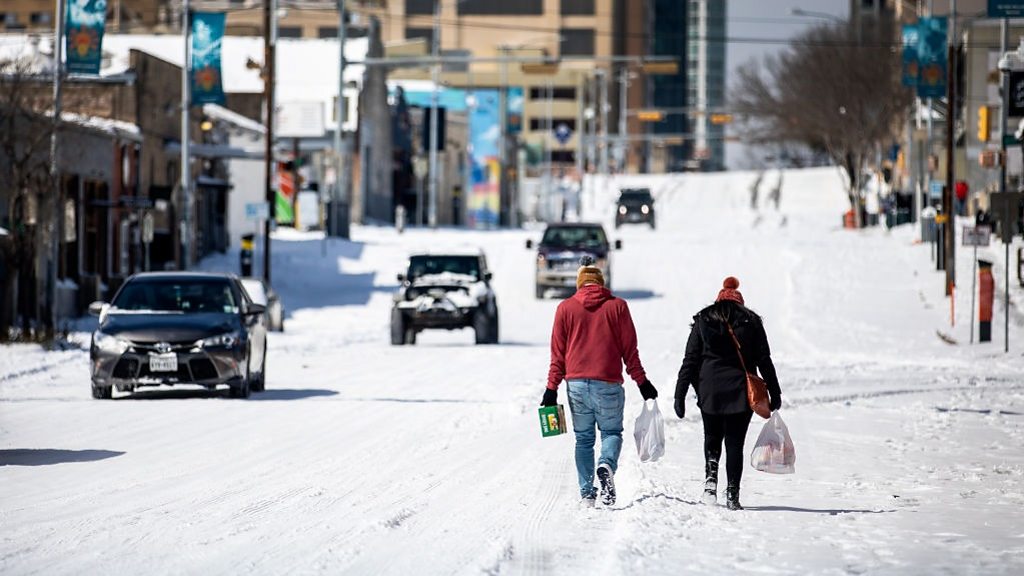
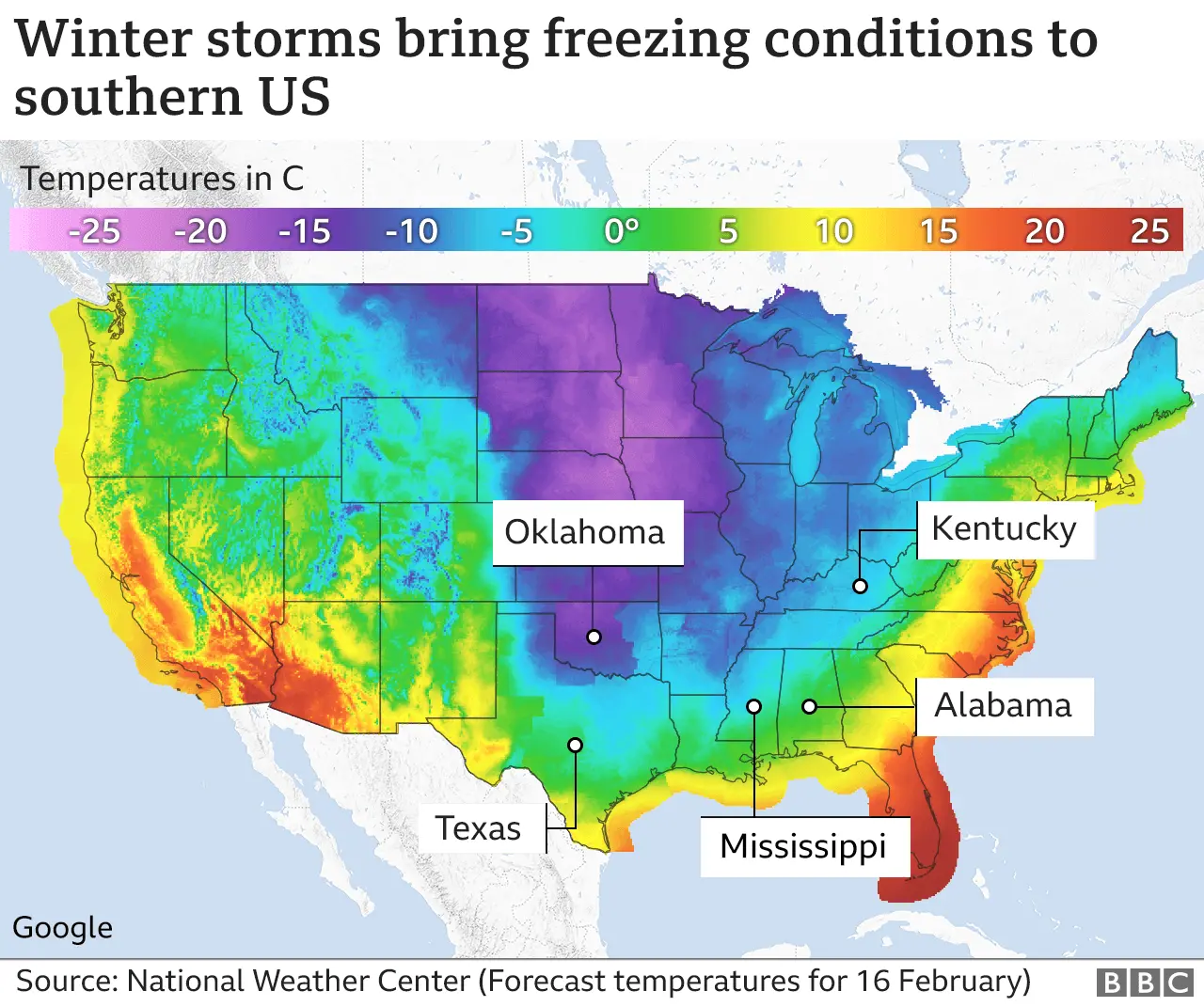
Texas winters, from December through February, present a significant contrast between the northern and southern parts of the state. Southern Texas generally experiences mild winters, with average temperatures ranging from the 50s to 70s Fahrenheit. Frost is infrequent, and snow is a rare occurrence. In contrast, North Texas and the Panhandle can experience much colder weather, with freezing temperatures, occasional ice storms, and even snowfall. These cold spells, often brought by “northers,” can be accompanied by strong, dry winds. While most of the state is spared prolonged periods of extreme cold, residents in the northern regions must be prepared for winter weather conditions. The mild winters in the south make it an attractive destination for those seeking to escape colder climates.
Factors Influencing Texas Weather
Several key factors contribute to the diverse and sometimes extreme weather patterns experienced across Texas. Understanding these influences provides a deeper appreciation for the state’s atmospheric dynamics.
Gulf of Mexico’s Influence: A Source of Moisture and Storms
The Gulf of Mexico is a dominant force shaping the weather of Texas, particularly in the eastern and southern parts of the state. Its warm waters act as a massive reservoir of moisture, fueling the high humidity and frequent thunderstorms that characterize these regions during the spring and summer. Furthermore, the Gulf is the genesis of tropical cyclones—hurricanes and tropical storms—during the Atlantic hurricane season, which runs from June 1st to November 30th. These powerful weather systems can bring devastating winds, torrential rainfall, and significant storm surge to the Texas coast, with their impacts often felt far inland. The prevailing southerly winds also transport this moisture northward, influencing weather patterns across a broad swathe of the state.
Jet Stream Dynamics: Driving Temperature and Storm Systems
The jet stream, a fast-flowing current of air high in the atmosphere, plays a critical role in directing weather systems across Texas. Its position and fluctuations dictate the movement of cold fronts from Canada and warm, moist air from the Gulf. During spring, a southerly dip in the jet stream can create an environment conducive to severe weather, allowing cold air to collide with warm, humid air, leading to the formation of supercell thunderstorms and tornadoes. In winter, a more pronounced southward plunge of the jet stream can bring Arctic air masses into Texas, causing significant drops in temperature and icy conditions, particularly in North Texas and the Panhandle. Conversely, a more northerly position of the jet stream tends to bring warmer and drier conditions.
Topography: Shaping Precipitation and Wind Patterns
While Texas is not characterized by towering mountain ranges like some Western states, its topography still exerts an influence on weather. The higher elevations of the Chisos Mountains in Big Bend National Park and the Guadalupe Mountains in West Texas can influence local precipitation patterns, with higher areas often receiving more rainfall. The relatively flat terrain across much of the state, however, allows weather systems to move unimpeded, contributing to the widespread nature of storms and temperature changes. The presence of large bodies of water, such as Lake Buchanan and Lake Travis near Austin, can also create localized microclimates, affecting temperature and humidity.
Preparing for Texas Weather
Given the variability and occasional extremity of weather in Texas, preparedness is key for residents and visitors alike. Understanding the potential risks and taking appropriate precautions can ensure safety and enhance the overall experience of being in the Lone Star State.
Seasonal Preparedness and Safety
Each season in Texas presents unique weather challenges that require specific preparedness measures. During the hot summer months, staying hydrated, seeking shade, and avoiding strenuous outdoor activities during the peak heat hours are essential to prevent heatstroke and dehydration. For those traveling or residing in areas prone to tornadoes, particularly during spring, having a plan in place, knowing the location of safe shelters, and staying informed about weather watches and warnings issued by organizations like the National Weather Service are paramount. In winter, especially in North Texas, being prepared for freezing temperatures, potential ice accumulation, and the need for heating system maintenance is important. For coastal areas, staying informed about hurricane forecasts and having an evacuation plan if necessary is a vital safety protocol.
Packing for Texas: Adapting to the Climate
When packing for a trip to Texas, it is crucial to consider the time of year and the specific region you will be visiting. Lightweight, breathable clothing is essential for the hot and humid summer months. Sunscreen, hats, and sunglasses are indispensable for protecting yourself from the intense sun. Even in summer, a light jacket or sweater can be useful for air-conditioned interiors or cooler evenings, especially in the spring and fall. For winter travel to North Texas or the Panhandle, warmer layers, including a coat, hat, gloves, and waterproof footwear, are advisable. For spring and fall, packing layers allows for flexibility to adapt to fluctuating temperatures and the possibility of rain. Comfortable walking shoes are a must, regardless of the season, as exploring Texas often involves significant walking.
Staying Informed: Resources for Weather Updates
Staying informed about current and forecasted weather conditions is vital for safe and enjoyable experiences in Texas. The National Weather Service provides detailed forecasts, watches, and warnings for all regions of the state. Local news channels and radio stations also offer timely weather updates. Mobile weather applications can provide real-time radar data and alerts, allowing individuals to track approaching storms. For those interested in long-term weather trends or specific climate data for areas like Corpus Christi or El Paso, various online meteorological resources can be consulted. Having a reliable way to access weather information ensures that you can make informed decisions and stay safe during your time in Texas.
LifeOutOfTheBox is a participant in the Amazon Services LLC Associates Program, an affiliate advertising program designed to provide a means for sites to earn advertising fees by advertising and linking to Amazon.com. Amazon, the Amazon logo, AmazonSupply, and the AmazonSupply logo are trademarks of Amazon.com, Inc. or its affiliates. As an Amazon Associate we earn affiliate commissions from qualifying purchases.