
May in Alaska is a time of dramatic transformation, marking the transition from the long, frigid winter to the vibrant, abundant summer. Often considered a shoulder season, this month offers a unique window into the Last Frontier, characterized by rapidly lengthening daylight hours, awakening wildlife, and a landscape shaking off its snowy blanket. While the weather can be unpredictable, it’s precisely this dynamic quality that makes May an incredibly rewarding time for intrepid travelers seeking fewer crowds and distinct experiences. Understanding Alaska’s regional weather variations during this period is key to planning a successful and enjoyable trip.
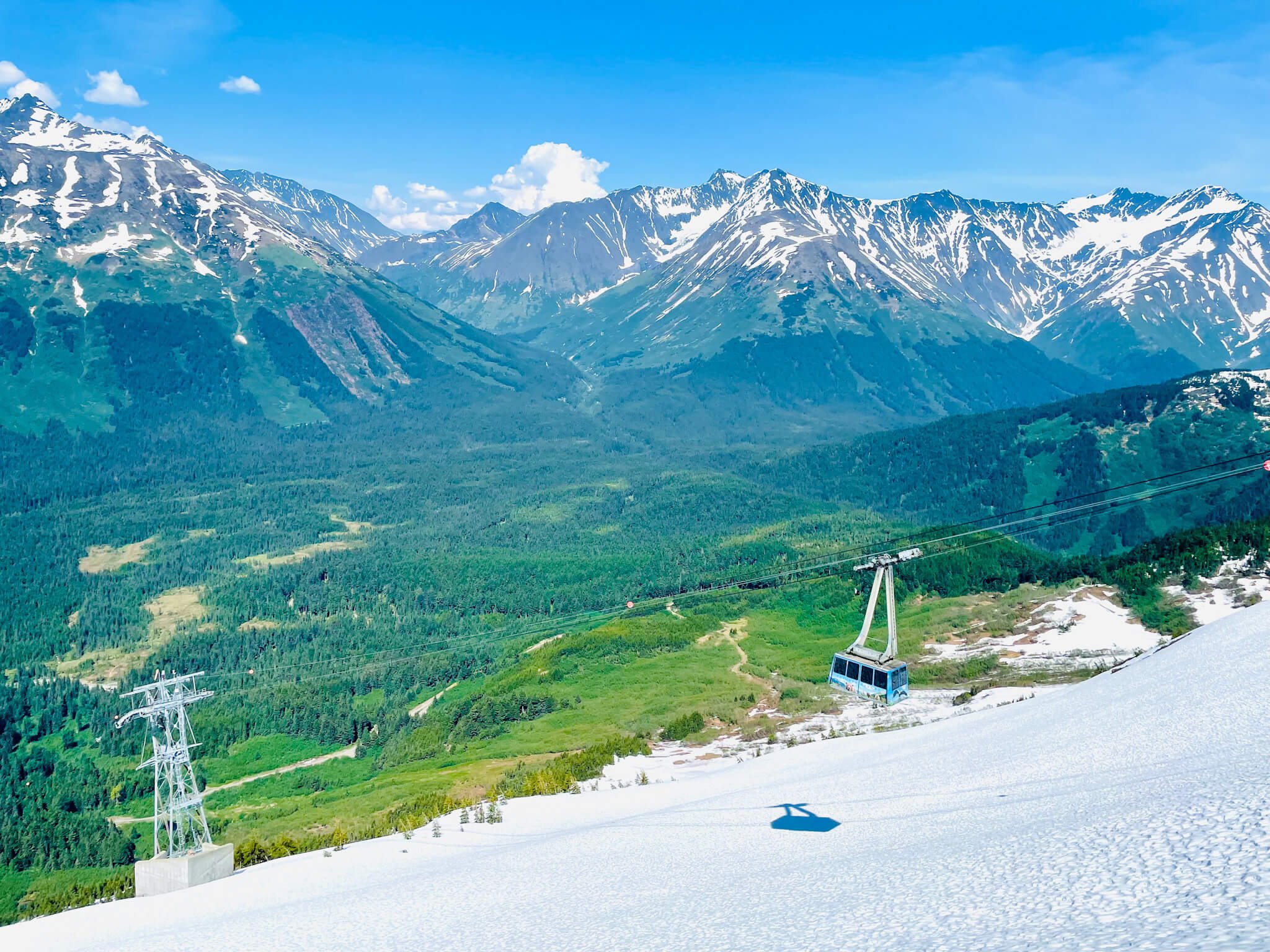
The Shoulder Season Charm of Alaska in May
May represents the dawn of the summer tourist season in Alaska. It’s a month of change, where lingering winter snows give way to lush greenery in many areas, and the iconic wildlife begins to emerge from hibernation or return from migration. Temperatures are generally mild but highly variable, and precipitation can range from light drizzles to occasional snow showers in higher elevations, particularly early in the month.
Traveling to Alaska in May offers several distinct advantages. The early season means fewer visitors, leading to a more intimate experience at popular attractions and often more competitive pricing for accommodations and tours. The landscape is fresh and vibrant, with melting snow feeding roaring rivers and waterfalls, and early wildflowers beginning to bloom. Wildlife viewing opportunities are excellent as animals become more active, foraging in newly uncovered terrain. However, some services and roads might still be opening up, especially in the first half of May, so flexibility and thorough planning are essential.
Regional Weather Variations Across Alaska
Alaska is an immense state, and its weather in May varies significantly from one region to another. What you experience in the temperate rainforests of the Southeast will be vastly different from the interior’s continental climate or the Arctic’s lingering ice.
Southcentral Alaska (Anchorage, Seward, Talkeetna)
This region, encompassing cities like Anchorage, Seward, and Talkeetna, and the popular Kenai Peninsula, experiences a true spring awakening in May.
- Temperatures: Average daytime highs range from 45°F to 55°F (7°C to 13°C), with nighttime lows typically staying above freezing, from 35°F to 45°F (2°C to 7°C). Warmer days are common towards the end of the month.
- Precipitation: Southcentral Alaska is relatively dry in May compared to the summer months, with rainfall totals generally modest. Snow is rare at sea level but can still fall in higher mountain passes, especially in early May.
- Conditions: Trails in lower elevations begin to clear of snow and mud, making early hiking and biking feasible. Lakes and rivers start to open up, allowing for kayaking and fishing. Coastal areas like Seward and Valdez see the start of marine wildlife tours.
Interior Alaska (Fairbanks, Denali National Park)
The interior of Alaska has a more extreme continental climate, meaning greater temperature swings.
- Temperatures: Fairbanks and the areas around Denali National Park can experience pleasantly warm days, with highs often reaching 50°F to 60°F (10°C to 16°C) by late May. However, nights remain cool, often dipping to 30°F to 40°F (-1°C to 4°C).
- Precipitation: May is generally one of the drier months in the Interior. Any precipitation is likely to be rain, though a dusting of snow on the peaks of the Alaska Range is not uncommon even late in the month.
- Conditions: The landscape transforms rapidly. Snow melts quickly from the lowlands, but higher elevations, including much of Denali National Park and the Denali Park Road, will still be covered in significant snow. The Denali Park Road typically opens to private vehicles only for the first 15 miles in early May, with bus tours venturing further into the park as road conditions allow, usually reaching Teklanika River by late May.
Southeast Alaska (Juneau, Sitka, Ketchikan)
This panhandle region is part of a temperate rainforest, characterized by its maritime climate.
- Temperatures: Milder than other regions, with average highs from 45°F to 55°F (7°C to 13°C) and lows from 38°F to 45°F (3°C to 7°C).
- Precipitation: Southeast Alaska is significantly wetter than other parts of the state in May, though not as wet as the peak summer months. Rain is frequent, so waterproof gear is essential. Snow is extremely rare at sea level.
- Conditions: May marks the true beginning of the cruise ship season here, with popular ports like Juneau, Sitka, and Ketchikan bustling with activity. Glaciers like Mendenhall Glacier in Juneau are accessible, and boat tours for whale watching and exploring destinations like Glacier Bay National Park and Preserve are in full swing. The lush forests are vibrant green, and waterfalls are abundant.

Arctic Alaska (Utqiagvik)
For completeness, it’s worth noting that Arctic Alaska, including places like Utqiagvik (formerly Barrow), remains very cold in May.
- Temperatures: Average highs are still below freezing, around 20°F to 30°F (-7°C to -1°C), with lows in the teens.
- Conditions: The Arctic Ocean is typically still ice-covered, though ice break-up can begin by late May. This region is generally not recommended for casual tourism in May unless specifically seeking an extreme cold weather experience.
Daylight Hours and Their Impact on Travel
One of the most remarkable aspects of visiting Alaska in May is the dramatic increase in daylight hours. The farther north you go, the more pronounced this effect becomes. By late May:
- Anchorage: Experiences over 17 hours of daylight, with twilight lasting well into the night.
- Fairbanks: Boasts nearly 20 hours of daylight, with the sky never truly getting dark. The phenomenon of the “midnight sun” begins to be noticeable.
- Utqiagvik: By the end of May, the sun doesn’t set at all, commencing 24 hours of daylight.
These extended daylight hours profoundly impact travel planning. They allow for longer days of exploration, more sightseeing opportunities, and a continuous sense of adventure. However, it can also disrupt sleep patterns for those unaccustomed to it, so packing an eye mask is a wise recommendation. The abundant light invigorates the landscape and its inhabitants, making for vibrant photography and wildlife viewing.
Preparing for May Weather: What to Pack and Expect
Given the variability of Alaska weather in May, packing smart is paramount. The key is layers, versatility, and protection from the elements.
- Layering System: Adopt a three-layer system.
- Base Layer: Moisture-wicking material (not cotton) to keep sweat away from your body.
- Mid-Layer: Insulating fleece or down vest/jacket for warmth.
- Outer Layer: Waterproof and windproof shell jacket and pants to protect against rain, wind, and potentially lingering snow.
- Footwear: Waterproof hiking boots are essential. Trails can be muddy, slushy, or still snow-covered in places. Bring comfortable walking shoes for city exploration.
- Headwear & Gloves: A warm hat (beanie) and waterproof gloves are advisable, especially for early morning excursions or boat tours where temperatures can feel colder.
- Sun Protection: Despite cooler temperatures, the long daylight hours mean significant sun exposure. Pack sunglasses, sunscreen, and a brimmed hat.
- Insect Repellent: While mosquitoes are not usually at their peak in early May, they begin to emerge in warmer, marshier areas by late month. Better to be prepared.
- Photography Gear: Extra batteries are a must, as cold weather can drain them faster. A waterproof camera bag is also a good idea.
Expect dynamic conditions. A sunny, mild morning can quickly turn into a cool, rainy afternoon, especially in coastal and mountainous regions. Roads might still have seasonal closures, particularly mountain passes like the Denali Highway or access to remote wilderness areas. Always check road conditions and ferry schedules before venturing out.

Activities and Experiences Tailored for May Weather
May offers a distinct set of experiences for travelers, often characterized by fewer crowds and a unique natural environment.
- Wildlife Viewing: This is prime time for observing wildlife emerging from winter. Bears (both brown and black) are active and often visible along roadsides as they forage for early spring growth. Migratory birds return, filling wetlands and coastlines with activity. Moose, caribou, and Dall sheep are also commonly spotted. Early season cruises are excellent for whale watching (humpbacks, orcas) and viewing sea otters, seals, and puffins.
- Early Season Hiking and Biking: Lower elevation trails in areas like Anchorage and the Kenai Peninsula begin to open up, offering scenic treks. Be prepared for muddy sections and potentially lingering snow at higher altitudes.
- Cruises and Boat Tours: The cruise season kicks off in May in Southeast Alaska. Smaller boat tours in areas like Seward (Resurrection Bay) and Valdez (Prince William Sound) offer spectacular glacier and marine wildlife viewing, often with fewer passengers than in peak summer.
- Fishing: The highly anticipated king salmon run begins in late May in various rivers, particularly on the Kenai Peninsula, making it an exciting time for anglers.
- Photography: The landscape in May is incredibly photogenic. The contrast of snow-capped peaks against emerging green valleys, roaring waterfalls from melting ice, and the ethereal quality of the long daylight hours provide unique opportunities.
- Glacier Exploration: Many glaciers are accessible, either by road (like the Matanuska Glacier near Palmer) or by boat tours into national parks like Glacier Bay.
While some remote lodges or extreme adventure tours might not fully open until June, May in Alaska is a vibrant, adventurous, and insightful time to visit. With careful planning and the right gear, travelers can experience the state’s natural beauty as it transitions into its magnificent summer splendor.
LifeOutOfTheBox is a participant in the Amazon Services LLC Associates Program, an affiliate advertising program designed to provide a means for sites to earn advertising fees by advertising and linking to Amazon.com. Amazon, the Amazon logo, AmazonSupply, and the AmazonSupply logo are trademarks of Amazon.com, Inc. or its affiliates. As an Amazon Associate we earn affiliate commissions from qualifying purchases.