
Alaska, the Last Frontier, transforms dramatically with the arrival of September. As the vibrant peak summer season winds down, this transitional month offers a unique and often rewarding travel experience for those prepared for its distinctive weather patterns. September ushers in crisper air, the stunning spectacle of fall foliage, and increasing opportunities to witness the ethereal Aurora Borealis, all while crowds begin to thin. However, understanding the specific meteorological nuances of different regions is paramount for a successful trip, as Alaska’s vastness means weather can vary wildly from one area to another. This comprehensive guide delves into what travelers can expect from Alaska’s September climate, helping to inform packing decisions and activity planning.
The Autumnal Shift: September’s Climate Overview
September in Alaska marks a distinct shift from the mild, long days of summer towards the colder, darker conditions of winter. This month is firmly within the shoulder season, characterized by cooling temperatures, increased precipitation, and a noticeable reduction in daylight hours. While the summer months are defined by near-constant daylight and relatively warmer conditions, September provides a more balanced day-night cycle, which is crucial for northern lights viewing.
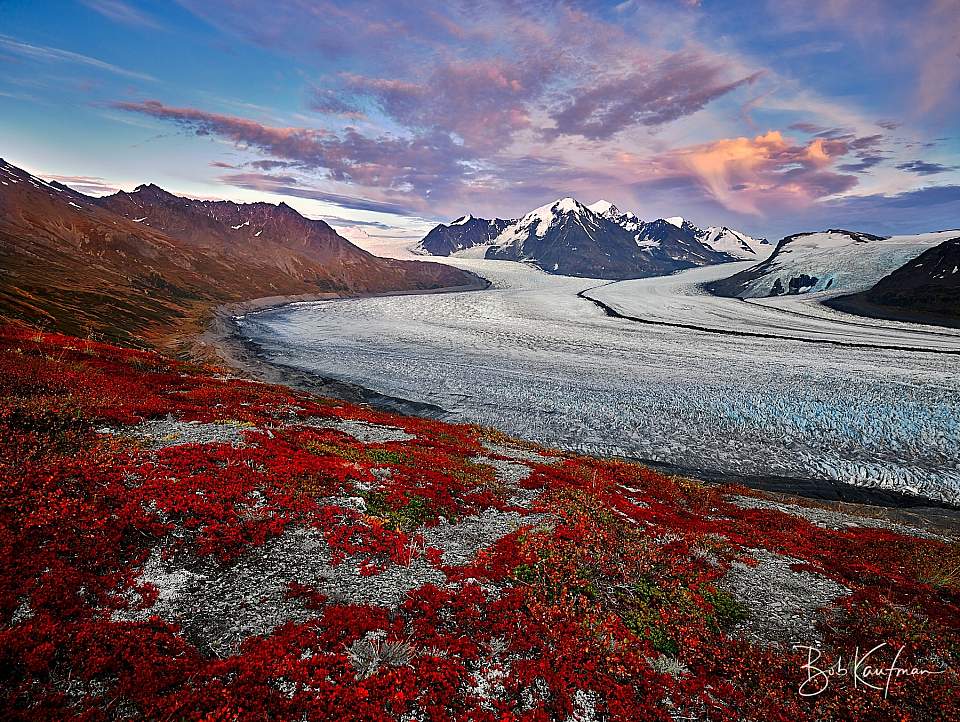
Average temperatures across the state generally range from the low 30s to the high 50s Fahrenheit (around 0 to 15 degrees Celsius). However, these are broad averages, and specific regions can experience significantly different conditions. Coastal areas tend to be milder but wetter, while interior regions see a more pronounced temperature swing, with colder nights and the potential for early snow. The air becomes crisp and invigorating, often carrying the scent of damp earth and pine. This period is particularly celebrated for its visual splendor, as the state’s vast forests of birch, aspen, and cottonwood ignite with brilliant yellows, oranges, and reds against a backdrop of evergreen spruce and fir, offering unparalleled photographic opportunities.
Regional Weather Breakdown and Travel Implications
Understanding the regional variations in Alaska’s September weather is critical for tailoring your travel plans. The state can be broadly divided into several distinct climatic zones, each with its own set of characteristics during this transitional month.
Southcentral Alaska: Anchorage, Seward, and the Kenai Peninsula
The Southcentral region, home to Alaska’s largest city, Anchorage, experiences moderate September weather. Daytime temperatures typically hover in the upper 40s to low 50s Fahrenheit (8-12°C), while nights can dip into the low 30s (0-5°C), bringing the first touches of frost. Precipitation is common, often manifesting as steady rain, though higher elevations, such as those around Girdwood or along the Seward Highway, may see early season snowfall, particularly towards the end of the month. The Kenai Peninsula towns like Seward and Homer are typically wetter, given their coastal proximity. Despite the moisture, the fall colors are spectacular, and wildlife viewing remains excellent. Many summer tour operators begin to reduce their schedules, but essential services remain available.
Interior Alaska: Fairbanks and Denali National Park
Interior Alaska, encompassing Fairbanks and Denali National Park, sees more extreme temperature swings. Days can be mild, reaching into the 40s or low 50s Fahrenheit (4-10°C), but nights cool considerably, often dropping below freezing (0°C). Snow is a real possibility, especially in Denali National Park and towards the end of the month in Fairbanks. The iconic fall colors in the Interior are often at their peak in early to mid-September, creating breathtaking landscapes. Critically, this region offers some of the best opportunities for viewing the Aurora Borealis due to its northern latitude and clearer skies, particularly after the first week of September when sufficient darkness returns. Access to Denali National Park typically becomes limited past a certain point on the park road as winter approaches, so checking current road conditions is vital.
Southeast Alaska: Juneau, Ketchikan, and the Inside Passage

Southeast Alaska, known for its temperate rainforest climate, experiences its wettest month in September. Cities like Juneau, Ketchikan, and Sitka are likely to receive significant rainfall. Temperatures are generally milder than the interior, with daytime highs in the low to mid-50s Fahrenheit (10-14°C) and lows rarely dipping below freezing. While the rain can be persistent, it also contributes to the lush, vibrant scenery. This is still a popular time for Inside Passage cruises, although the season is winding down. The dramatic misty fjords and green landscapes take on an even more mystical quality. Whale watching opportunities, particularly for humpbacks, are still excellent in early September as they feed before migration.
Arctic Alaska: Utqiaġvik and the Gates of the Arctic National Park
In Arctic Alaska, including Utqiaġvik (formerly Barrow) and the remote wilderness of Gates of the Arctic National Park, September brings a rapid transition to winter. Temperatures plummet, with average highs often only reaching the low 30s Fahrenheit (0-3°C) and lows well into the 20s or even teens (-7°C to -1°C). Snow becomes the dominant form of precipitation, and sea ice may begin to form along the coast. Travel to these extreme northern regions in September is primarily for experienced adventurers seeking true wilderness, often requiring specialized gear and guides. Daylight hours diminish very quickly, offering extended periods of darkness conducive to aurora viewing.
Preparing for September’s Elements: What to Pack
A successful September trip to Alaska hinges on smart packing, anticipating a wide range of conditions from mild autumn days to frosty, potentially snowy, evenings. The key strategy is layering, allowing for easy adjustments to fluctuating temperatures and weather changes.
Essential Gear:
- Waterproof and Windproof Outerwear: A high-quality rain jacket and pants are non-negotiable, especially for coastal or Southcentral travel. Opt for breathable materials like Gore-Tex.
- Warm Layers: Fleece jackets, wool sweaters, and down vests are excellent mid-layers. Synthetic or wool base layers are crucial for moisture-wicking and warmth. Avoid cotton for anything close to your skin, as it loses insulating properties when wet.
- Insulated Jacket: A packable down or synthetic insulated jacket is essential for colder mornings, evenings, and northern regions.
- Headwear, Gloves, and Scarf: A warm hat (beanie), waterproof gloves, and a neck gaiter or scarf will provide significant protection against cold and wind.
- Waterproof Hiking Boots: Sturdy, waterproof hiking boots with good ankle support are a must for any outdoor activity. Consider bringing a pair of comfortable, water-resistant shoes for city exploring.
- Warm Socks: Wool or synthetic socks are superior to cotton for warmth and moisture management.
- Backpack with Rain Cover: Handy for day trips, carrying extra layers, snacks, and protecting belongings from rain.
- Insect Repellent: While mosquitoes are less prevalent than in mid-summer, they can still be active, particularly in sheltered, damp areas during early September.
- Camera Gear: Don’t forget extra batteries; cold weather drains them faster. A tripod is highly recommended for capturing the Aurora Borealis.

Maximizing Your September Alaska Experience
Traveling to Alaska in September offers a unique set of advantages that can make for an unforgettable journey. The shoulder season generally means fewer crowds at popular attractions like Denali National Park and along the Alaska Railroad, translating to a more serene experience and potentially lower prices on accommodations and tours.
The vibrant fall foliage is undoubtedly one of the month’s greatest draws, creating breathtaking scenic drives and hiking backdrops. Wildlife, particularly moose and bears, can still be active as they prepare for winter, offering excellent viewing opportunities. However, as the month progresses, some wildlife tours or remote lodges may close for the season, so advance booking and confirmation are advised.
Above all, September stands out as the prime month for seeing the Aurora Borealis without enduring the full chill of deep winter. As the nights grow longer and darker, especially in the interior and northern regions, the chances of witnessing the dancing northern lights significantly increase. Staying a few nights in a location like Fairbanks or planning a dedicated aurora tour can greatly enhance your chances.
While the weather in Alaska during September is undeniably cooler and wetter than the summer peak, it presents a compelling blend of autumnal beauty, diminishing crowds, and the magical prospect of the aurora. With proper preparation and an understanding of regional variations, a September trip to Alaska can be an incredibly enriching and visually stunning adventure. Flexibility in your itinerary and a positive attitude towards changeable weather will ensure you make the most of this captivating transitional season.
LifeOutOfTheBox is a participant in the Amazon Services LLC Associates Program, an affiliate advertising program designed to provide a means for sites to earn advertising fees by advertising and linking to Amazon.com. Amazon, the Amazon logo, AmazonSupply, and the AmazonSupply logo are trademarks of Amazon.com, Inc. or its affiliates. As an Amazon Associate we earn affiliate commissions from qualifying purchases.