
Planning a trip to the Mile-High City requires a good understanding of its unique climate. Denver, Colorado, perched at an elevation of 5,280 feet above sea level, boasts a distinctive semi-arid continental climate characterized by four distinct seasons, abundant sunshine, and often dramatic temperature swings. Travelers coming to Denver should anticipate variability and prepare for a wide range of conditions, often within the same day. This comprehensive guide will help you navigate Denver’s weather patterns, ensuring you pack appropriately and plan your activities for an unforgettable experience in this vibrant Western destination.
Understanding Denver’s Unique Climate
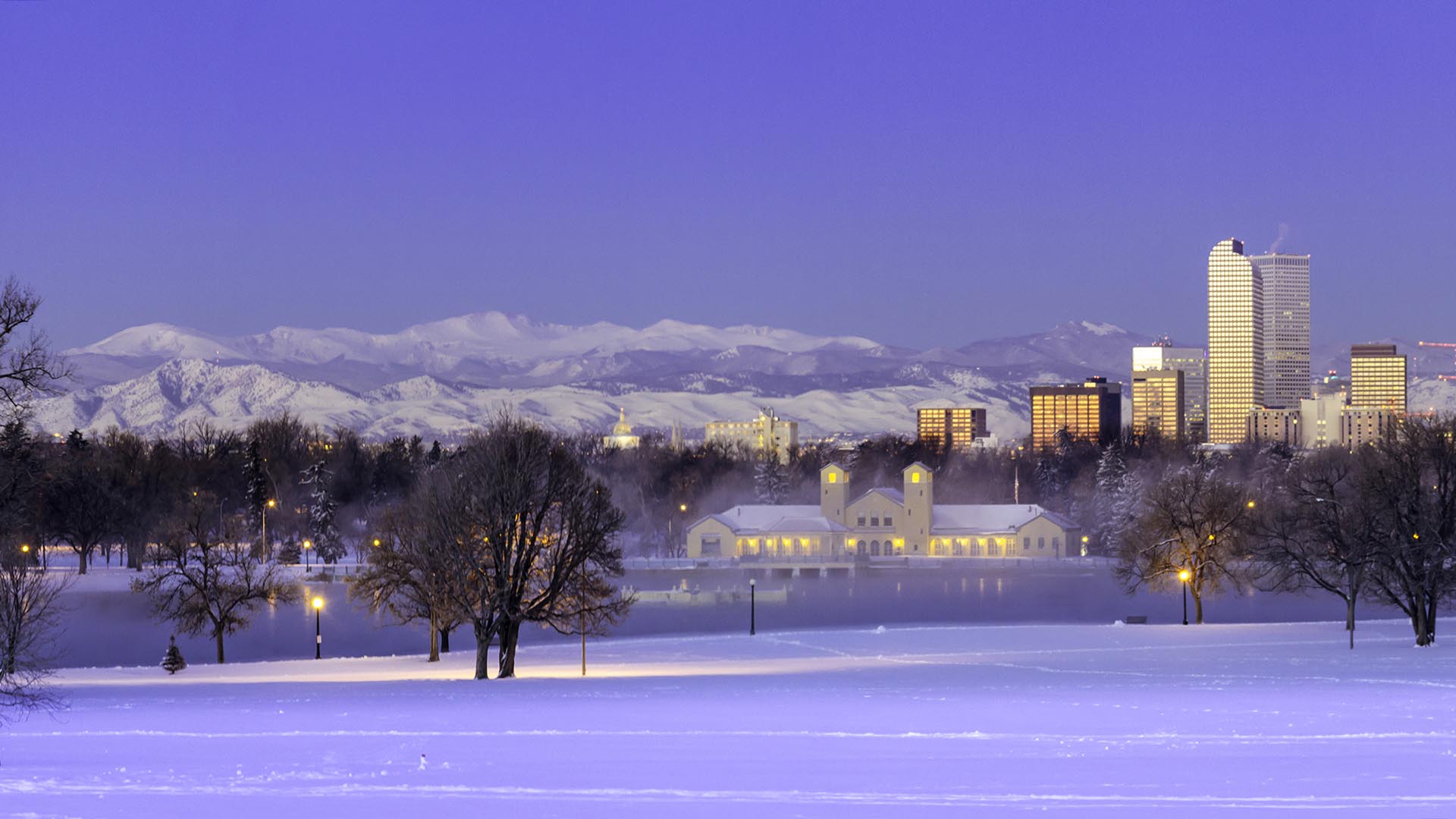
Denver’s weather is a fascinating blend of its high altitude, proximity to the Rocky Mountains, and geographic position in the Great Plains. These factors combine to create a climate that is often surprising to first-time visitors.
High Altitude, Dry Air, and Sunshine
One of the most defining characteristics of Denver’s climate is its high altitude. Being a mile above sea level means the air is significantly drier and thinner than at sea level. This dry air contributes to clearer skies and, perhaps surprisingly, a greater number of sunny days than even Miami or San Diego. On average, Denver experiences over 300 days of sunshine per year. While this sounds idyllic, it also means that the sun’s rays are more intense, and UV exposure is higher, necessitating proper sun protection year-round. The dry air also means larger diurnal temperature swings; even on a warm day, evenings can cool down considerably.
The “Mile-High City” Effect
The elevation directly influences temperatures, making them generally cooler than cities at lower altitudes, especially at night. It also plays a role in the type of precipitation Denver receives. While rain is common, snow is a significant part of the winter and even spring seasons. The thinner air can also impact visitors, leading to mild altitude sickness symptoms like headaches or shortness of breath. Hydration is key to mitigating these effects.
Microclimates and Variability
Due to its position at the foothills of the Rockies, Denver experiences localized weather phenomena. Front Range storms can develop quickly, bringing sudden downpours or snow showers that dissipate just as rapidly. The interaction between mountain and plain weather systems can lead to dramatic shifts in conditions, sometimes within a few hours. Travelers should always be prepared for the possibility of a sunny morning giving way to an afternoon thunderstorm or a mild day unexpectedly turning frosty.
Seasonal Overview for Travelers
Each season in Denver offers a distinct experience, influencing recommended activities and packing strategies.
Spring (March – May): Unpredictable Beauty
Spring in Denver is notoriously unpredictable. While average temperatures climb from the 40s°F (4-9°C) in March to the 60s°F (15-20°C) by May, this season is also Denver’s snowiest. Late-season snowstorms are not uncommon, especially in March and April, often dumping significant amounts of snow before rapidly melting under the intense Colorado sun. Days can fluctuate wildly, offering warm, sunny weather followed by cold, snowy conditions.
- What to Pack: Layers are paramount. Think light jackets, sweaters, waterproof outerwear, and both short-sleeved and long-sleeved shirts. Don’t forget sunglasses and sunscreen, as sunny days are still plentiful.
- Activities: Enjoy early season hiking in lower elevations, visit the Denver Botanic Gardens as flowers begin to bloom, or catch a concert at Red Rocks Amphitheatre when the weather permits. Indoor attractions like museums are also excellent choices.
Summer (June – August): Warm Days, Cool Nights
Denver summers are generally pleasant and dry, making it an ideal time for outdoor exploration. Daytime temperatures typically range from the high 70s to low 90s°F (24-32°C). Humidity is low, which makes even warmer temperatures feel more comfortable. While mornings are often clear and sunny, afternoon thunderstorms are a common occurrence, especially in July and August. These storms are usually brief but can be intense, bringing heavy rain, lightning, and sometimes hail.
- What to Pack: Lightweight clothing, shorts, t-shirts, and a light jacket or sweater for cooler evenings. Rain gear for afternoon showers is advisable. Sunscreen, hats, and plenty of water are essential.
- Activities: Explore Rocky Mountain National Park, enjoy Elitch Gardens Theme & Water Park, attend outdoor festivals like the Cherry Creek Arts Festival, or bike along the city’s extensive trail system.
Autumn (September – November): Golden Hues and Crisp Air
Autumn is arguably one of the most beautiful times to visit Denver. The weather transitions gracefully, offering comfortable, crisp days and cooler nights. September often feels like an extension of summer, with temperatures in the 70s°F (21-26°C), while October brings glorious fall foliage and temperatures in the 60s°F (15-20°C). By November, winter begins to make its appearance, with average temperatures dropping into the 40s°F (4-9°C) and the first significant snowfalls becoming more likely. The air is often clear, providing stunning views of the snow-capped Rockies.
- What to Pack: Layers are key once more. Pack long-sleeved shirts, sweaters, light to medium jackets, and sturdy walking shoes. A waterproof outer layer is also recommended.
- Activities: Scenic drives to witness the vibrant aspen foliage, such as the Peak to Peak Scenic Byway. Hiking is fantastic, and visitors can enjoy seasonal events like the Great American Beer Festival.

Winter (December – February): Snowy Wonderland, Often Sunny
Denver winters are cold but often surprisingly sunny. While average high temperatures hover in the low 40s°F (4-9°C), chinook winds can occasionally bring warmer spells, melting snow quickly. Snowfall is common, but Denver does not typically experience prolonged periods of deep snow accumulation in the city itself, unlike the higher elevations in the Rockies. Snow typically melts rapidly after a storm due to the abundant sunshine. However, nights are consistently cold, dropping well below freezing.
- What to Pack: Warm winter coat, waterproof boots, hat, gloves, scarf, and warm layers. Sunscreen and sunglasses are still essential due to snow glare and intense high-altitude sun.
- Activities: Skiing and snowboarding at world-class resorts like Breckenridge or Vail (a short drive away). Enjoy ice skating in Skyline Park, explore the city’s many breweries and indoor attractions, or witness the holiday lights.
Preparing for Denver’s Weather Variability
Given Denver’s reputation for changeable weather, smart preparation is crucial for a comfortable and enjoyable trip.
Packing Essentials: Layers are Key
The mantra for packing for Denver is “layers.” Regardless of the season, being able to add or remove clothing allows you to adapt to fluctuating temperatures and sudden weather changes. Even in summer, evenings can be cool. In spring and fall, you might experience all four seasons in a single day.
- Sun Protection: Due to the high altitude and numerous sunny days, strong UV radiation is a constant. Always pack high SPF sunscreen, sunglasses, and a wide-brimmed hat.
- Hydration: The dry air at elevation can lead to dehydration more quickly than at sea level. Carry a reusable water bottle and drink plenty of fluids throughout your stay.
- Footwear: Comfortable, broken-in walking shoes are essential for exploring the city. If visiting in winter or spring, waterproof footwear is highly recommended.
Altitude Sickness Awareness
For travelers coming from lower elevations, altitude sickness can be a concern. Symptoms can include headache, nausea, dizziness, and fatigue.
- Tips: Stay well-hydrated, avoid alcohol and strenuous activity on your first day, and take it easy. Most people adjust within 24-48 hours. If symptoms persist or worsen, seek medical attention.
Checking Forecasts and Adapting Plans
While general seasonal expectations are helpful, local weather forecasts are indispensable when in Denver. The weather can change rapidly, so check the forecast daily, especially if you plan outdoor activities or trips into the mountains. Be flexible with your itinerary, having alternative indoor activities planned in case of unexpected inclement weather.
Best Times to Visit Based on Weather Preferences
Choosing the best time to visit Denver often depends on the type of weather experience you’re seeking.
For Outdoor Enthusiasts (Hiking, Biking): Summer and Early Fall
If your primary goal is to explore the hiking and biking trails, especially in the higher elevations of the Rocky Mountains, summer (June-August) and early fall (September-early October) offer the most favorable conditions. Trails are typically clear of snow, and the weather is generally warm and pleasant, though afternoon thunderstorms should always be anticipated in summer.
For Winter Sports: Winter
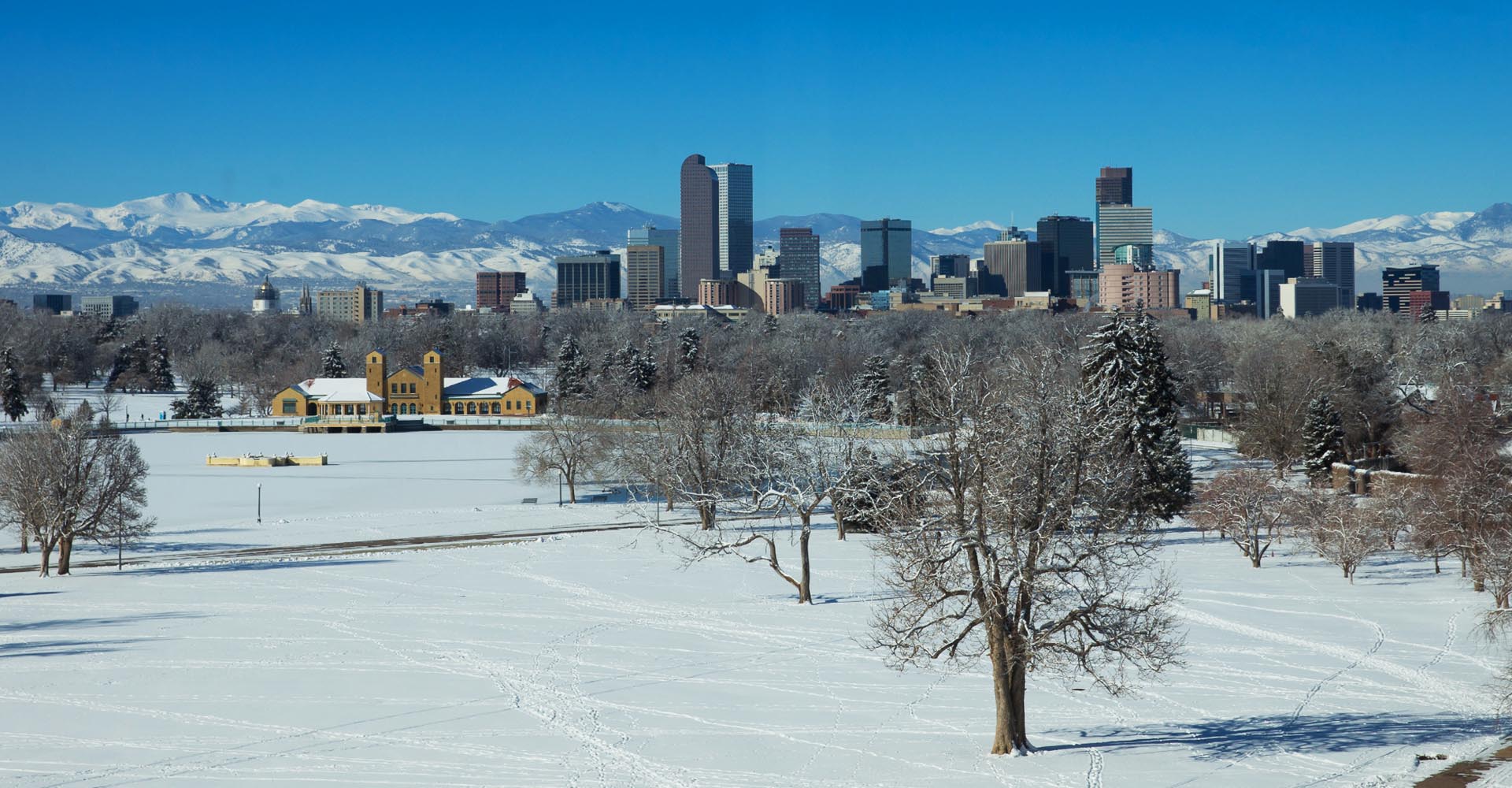
For those eager to hit the slopes, visiting Denver during the winter months (December-February) is ideal. While Denver itself doesn’t offer skiing, its proximity to world-class ski resorts makes it a perfect base. The city provides a vibrant urban experience with easy access to snowy adventures.
For Mild Exploration and Fewer Crowds: Spring and Late Fall (with flexibility)
If you prefer milder weather, fewer crowds, and don’t mind the possibility of a surprise snow shower or chill, late spring (April-May) and late fall (October-November) can be excellent times to visit. These shoulder seasons offer more affordable travel options and a chance to experience Denver’s seasonal transitions, provided you pack for all contingencies and maintain a flexible schedule.
Denver’s weather is as dynamic and captivating as the city itself. By understanding its unique climate and preparing accordingly, travelers can embrace the full spectrum of experiences this magnificent Colorado destination has to offer, no matter the season.
LifeOutOfTheBox is a participant in the Amazon Services LLC Associates Program, an affiliate advertising program designed to provide a means for sites to earn advertising fees by advertising and linking to Amazon.com. Amazon, the Amazon logo, AmazonSupply, and the AmazonSupply logo are trademarks of Amazon.com, Inc. or its affiliates. As an Amazon Associate we earn affiliate commissions from qualifying purchases.