
Florida, often dubbed “The Sunshine State,” is a premier travel destination in the United States renowned for its diverse landscapes, vibrant cities, and world-class attractions. However, understanding its unique weather patterns is paramount for any traveler planning a visit. Positioned between the Gulf of Mexico to the west and the Atlantic Ocean to the east, Florida’s climate is predominantly humid subtropical in the north and tropical in the south, leading to distinct seasonal experiences that profoundly impact travel itineraries and expectations. From scorching summer humidity to mild, pleasant winters, the state offers a spectrum of atmospheric conditions that can make or break a trip if not adequately prepared for.

Understanding Florida’s Climate: The Sunshine State’s Annual Rhythm
Florida’s climate is defined by two primary seasons: a hot, wet season from late May to October, and a mild, dry season from November to April. This duality shapes everything from peak tourist times to recommended activities. Throughout the year, humidity remains a significant factor, especially during the warmer months, contributing to the perceived temperature. Thunderstorms are a daily occurrence in the summer, typically short-lived but intense, providing a brief respite from the heat. Despite its reputation for sunshine, cloud cover can be substantial, particularly during the wet season, yet sunny intervals are almost always guaranteed.
The state’s geographical position also places it within the Atlantic hurricane belt. While not a year-round concern, hurricane season officially runs from June 1st to November 30th, peaking in August and September. Travelers planning visits during this period must factor in the potential for tropical storms and hurricanes, which can disrupt travel plans significantly. This understanding forms the bedrock for optimizing a Florida travel experience, ensuring that visitors pack appropriately, choose the best time to visit specific regions, and remain flexible in their plans.
Seasonal Travel: What to Expect When You Visit
The best time to visit Florida largely depends on what kind of weather you prefer and what activities you plan to enjoy. Each season offers a unique travel experience shaped by the prevailing weather conditions.
Winter (December – February)
Winter is arguably the most popular time to visit Florida, especially for those escaping colder climates. The weather is generally mild, dry, and sunny. Average temperatures range from the low 60s Fahrenheit (15-18°C) in North Florida to the low 70s Fahrenheit (21-23°C) in South Florida and the Florida Keys. Nights can be cool, particularly in the northern and central parts of the state, occasionally dropping into the 40s or 30s Fahrenheit (4-10°C). Rainfall is minimal, making it ideal for outdoor activities like visiting beaches, golfing, exploring Everglades National Park, or enjoying theme parks without the oppressive heat.
However, this peak season also means larger crowds and higher prices for accommodations and flights. Popular destinations like Miami, Orlando, and Key West are bustling. While rare, cold fronts can occasionally bring brief periods of chilly weather, so packing layers is advisable, even for a winter trip to the Sunshine State.
Spring (March – May)
Spring is another excellent time to visit, offering a pleasant transition between the dry winter and the humid summer. Temperatures gradually rise, with averages in the 70s and 80s Fahrenheit (21-30°C). Humidity starts to increase, but it is generally still comfortable compared to the summer months. Rainfall remains relatively low, though afternoon showers become more frequent towards late May. This season is perfect for beach trips, water sports, and exploring cities like St. Augustine or Sarasota. The spring break period can bring crowds to coastal areas and theme parks, so booking in advance is recommended. The weather is typically warm enough for swimming in the ocean or hotel pools without being excessively hot.
Summer (June – August)
Florida summers are characterized by intense heat, high humidity, and frequent afternoon thunderstorms. Average temperatures consistently hover in the high 80s to low 90s Fahrenheit (30-35°C), with heat indices often pushing into the triple digits. The daily thunderstorms are usually brief but heavy, offering a temporary cooldown before the sun returns. While the heat can be challenging, many travelers enjoy summer for its long daylight hours and the opportunity to spend ample time in the water. Theme parks like Walt Disney World Resort and Universal Orlando Resort adapt with numerous indoor attractions, water rides, and misting stations.
This period also marks the beginning of hurricane season. While direct hits are infrequent, tropical depressions and storms can bring several days of heavy rain and wind, potentially disrupting travel. Travelers should monitor weather forecasts closely and consider travel insurance. Despite the weather, summer often sees families traveling due to school holidays, so popular attractions can still be crowded.
Fall (September – November)
Fall in Florida is a mixed bag, starting very much like summer and gradually transitioning into the drier, milder conditions of winter. September and October are still very warm and humid, with high chances of rain, and remain within the peak of hurricane season. Temperatures in Miami or Fort Lauderdale can still reach the high 80s Fahrenheit (30-32°C). As November progresses, humidity drops, temperatures become more comfortable, and the risk of hurricanes diminishes significantly.
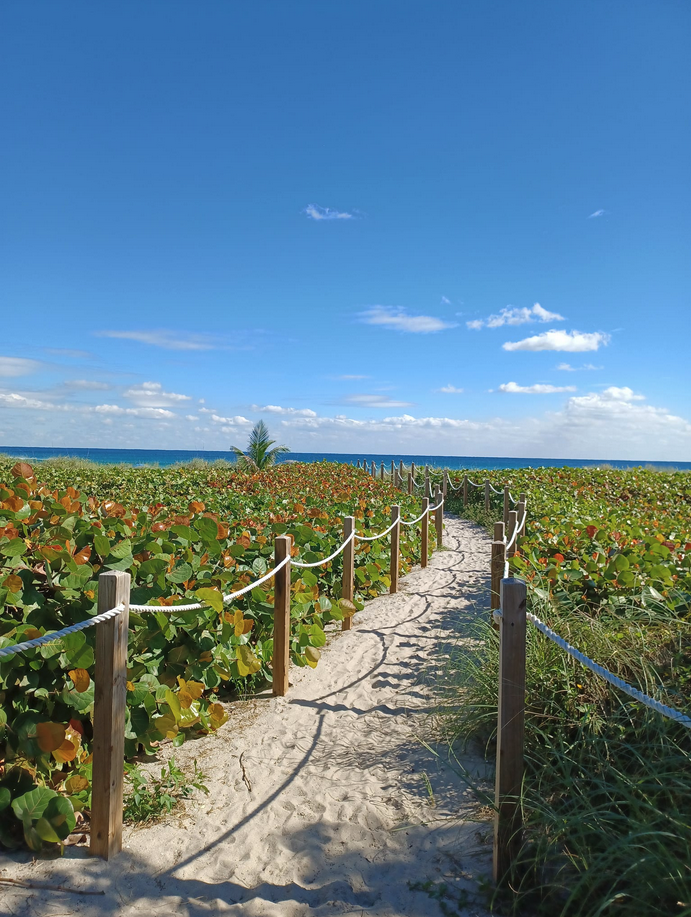
Late fall (mid-November) offers some of the most pleasant weather, with fewer crowds than winter and lower prices than peak season. It’s an ideal time for travelers seeking a balance between good weather and manageable crowds. This period is great for exploring cities, enjoying outdoor festivals, or visiting the beaches without the intense summer heat or winter crowds.
Regional Weather Variations: North, Central, and South Florida
While Florida is generally warm, there are noticeable climatic differences between its northern, central, and southern regions, which can influence travel planning.
North Florida
This region, encompassing cities like Jacksonville, St. Augustine, and the Panhandle, experiences the most distinct four seasons. Winters here are cooler than in the rest of the state, with occasional frosts and even rare freezes, especially inland. Summers are still hot and humid, similar to Central Florida, but spring and fall offer particularly pleasant weather with moderate temperatures and lower humidity. Travelers to North Florida in winter might need warmer clothing, including light jackets or sweaters, while summer packing remains consistent with the rest of the state.
Central Florida
Home to major attractions like Walt Disney World Resort and Universal Orlando Resort in Orlando, and metropolitan areas like Tampa, this region enjoys a classic subtropical climate. Winters are mild and relatively dry, perfect for theme park visits. Summers are hot, very humid, and prone to daily thunderstorms. Spring and fall are generally warm and pleasant, though late spring and early fall can still be quite warm and rainy. For theme park enthusiasts, late fall and winter offer the most comfortable temperatures for extended outdoor activity, while summer requires strategic planning around the heat and afternoon downpours.
South Florida and The Keys
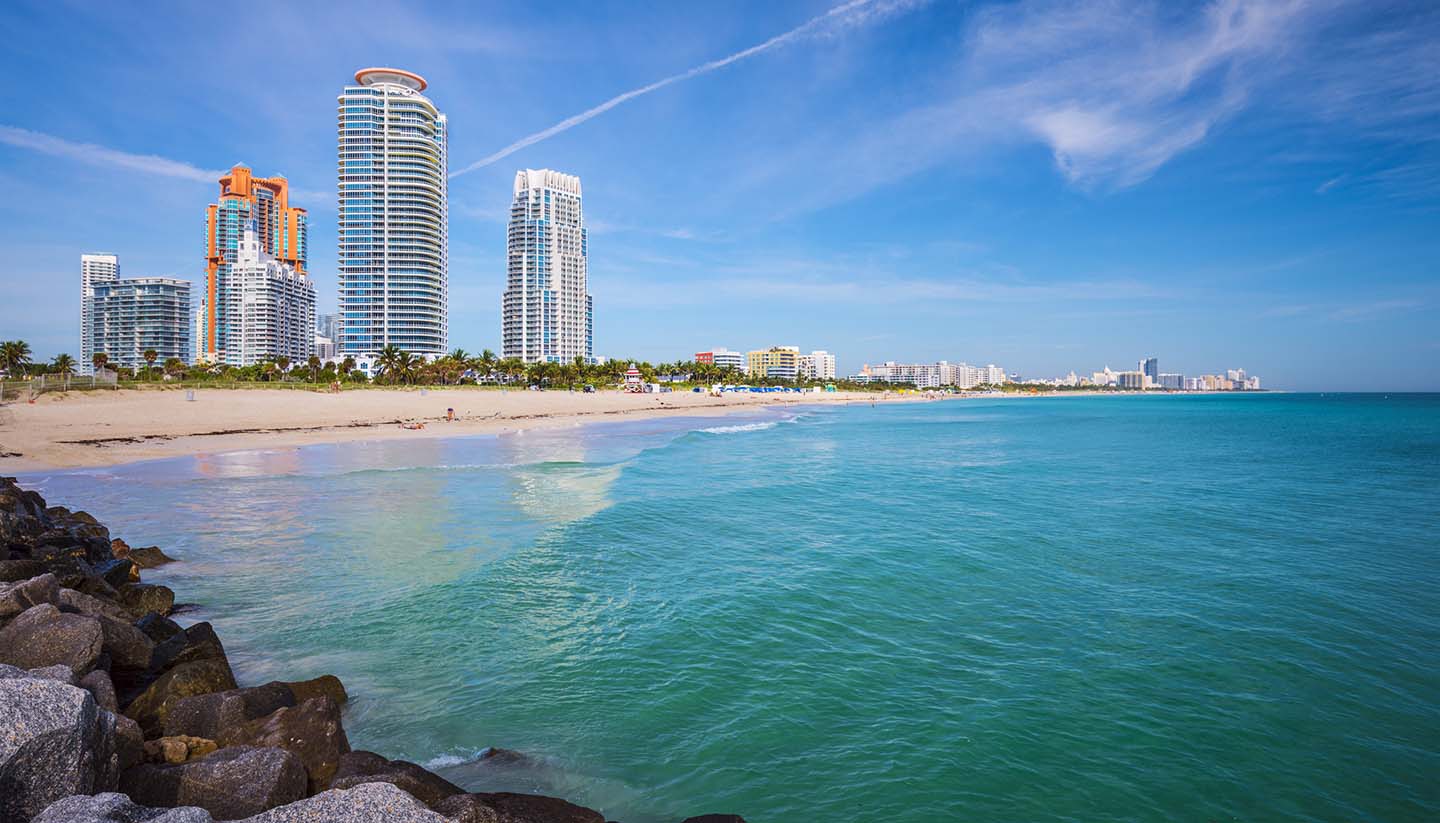
South Florida, including Miami, Fort Lauderdale, and the Florida Keys, boasts a true tropical climate. This means warmer temperatures year-round, with less seasonal variation. Winters are warm and sunny, rarely dipping below 60 degrees Fahrenheit (15°C). Summers are hot, very humid, and subject to consistent tropical downpours. The region is also more susceptible to tropical storms and hurricanes due to its southerly latitude. Travelers to South Florida can expect beach weather virtually any time of year, though summer visitors should be prepared for intense heat and rain, making indoor activities or quick dips in the ocean more appealing.
Preparing for Florida’s Weather: Essential Travel Tips
Regardless of when or where you travel in Florida, a few universal tips can enhance your experience.
Packing Essentials
- Sun Protection: High SPF sunscreen, wide-brimmed hats, and UV-protective clothing are essential year-round due to Florida’s strong sun. Sunglasses are also a must.
- Lightweight Clothing: Breathable fabrics like cotton or linen are ideal for managing heat and humidity, especially during spring, summer, and fall.
- Rain Gear: A lightweight rain jacket or a compact umbrella is indispensable during the wet season (June-October) and can be useful in spring.
- Swimwear: With beaches, pools, and natural springs, swimwear is a staple for any Florida trip.
- Layers for Winter: If traveling between December and February, especially to North Florida or Central Florida, bring a light jacket or sweater for cooler evenings and mornings.
Managing Heat and Humidity
During the hotter months, staying hydrated is crucial. Drink plenty of water, even if you don’t feel thirsty. Plan outdoor activities for early mornings or late afternoons, and seek air-conditioned environments during the hottest parts of the day. Utilize water parks, hotel pools, or visit indoor attractions like museums or aquariums to escape the midday heat. Loose-fitting, light-colored clothing can also help keep you cooler.
Navigating Hurricane Season
If your travel dates fall within hurricane season (June-November), proactive planning is key.
- Monitor Forecasts: Stay informed about weather advisories before and during your trip from reliable sources like the National Hurricane Center.
- Travel Insurance: Consider purchasing travel insurance that covers weather-related cancellations or interruptions.
- Flexibility: Have a contingency plan. Understand your hotel’s cancellation policy and be prepared to adjust plans if a storm threatens your destination. While hurricanes are serious, most days during hurricane season are perfectly fine, but awareness is paramount.
By understanding Florida’s dynamic weather and preparing accordingly, travelers can ensure a comfortable, enjoyable, and memorable experience in this captivating state, no matter the season.
LifeOutOfTheBox is a participant in the Amazon Services LLC Associates Program, an affiliate advertising program designed to provide a means for sites to earn advertising fees by advertising and linking to Amazon.com. Amazon, the Amazon logo, AmazonSupply, and the AmazonSupply logo are trademarks of Amazon.com, Inc. or its affiliates. As an Amazon Associate we earn affiliate commissions from qualifying purchases.