
Aloha! If you’re dreaming of the Hawaiian Islands, you’re likely picturing sun-drenched beaches, lush volcanic landscapes, and the gentle caress of warm ocean breezes. And you wouldn’t be wrong! The weather in Hawaii is a significant part of its allure, offering a tropical paradise that beckons travelers year-round. Unlike many destinations that have distinct and often harsh seasons, Hawaii enjoys a remarkably stable and pleasant climate, making it an ideal escape regardless of when you choose to visit. This consistency is one of the key reasons why the Hawaiian Islands remain a top choice for everything from romantic getaways and family adventures to luxury escapes and budget-friendly explorations.
Understanding the nuances of Hawaiian weather, however, can help you pack smarter, plan your activities more effectively, and truly maximize your island experience. From the iconic shores of Waikiki on Oahu to the dramatic cliffs of the Na Pali Coast on Kauai, each island boasts microclimates influenced by its topography and the prevailing trade winds. This article will delve into what makes Hawaii‘s weather so special, exploring its general patterns, seasonal variations, and what to expect on your next island adventure.
Understanding Hawaii’s Tropical Climate
Hawaii is situated in the tropics, near the equator, which immediately sets the stage for its consistently warm temperatures. The islands are also influenced by the Pacific Ocean, which acts as a natural regulator, moderating extreme temperature fluctuations. This oceanic influence, coupled with the consistent flow of moist air from the northeast, known as the trade winds, creates a unique and largely idyllic climate.
Temperature: Consistently Pleasant
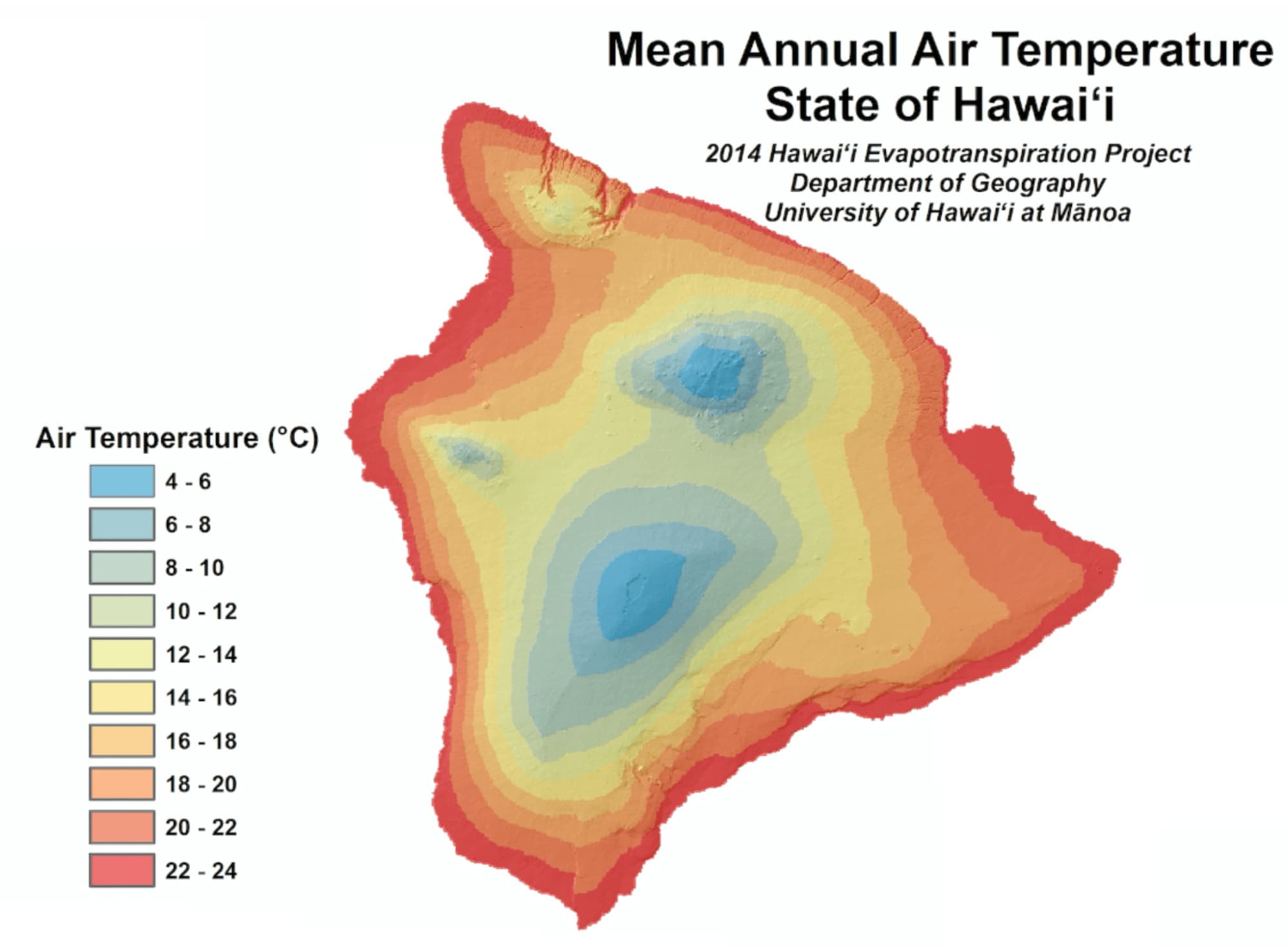
When we talk about Hawaiian weather, the first thing that often comes to mind is temperature, and for good reason. Hawaii is celebrated for its comfortably warm temperatures throughout the year. You won’t find yourself shivering in winter or sweltering in unbearable summer heat. The average daily temperature hovers around a delightful 75-85 degrees Fahrenheit (24-29 degrees Celsius) in the coastal areas, which is where most visitors spend their time.
The difference between the hottest and coolest months is minimal. For instance, August and September are typically the warmest, with average highs reaching the upper 80s Fahrenheit, while January and February are the coolest, with average highs in the mid-70s Fahrenheit. Evenings can bring a slight dip in temperature, offering a refreshing coolness, especially after a day spent exploring the vibrant nightlife or enjoying a leisurely dinner in Lahaina.
It’s important to note that altitude plays a significant role in temperature. While the coastal areas are balmy, venturing to higher elevations, such as the summit of Mauna Kea on the Big Island, can result in dramatically cooler temperatures, sometimes even below freezing, especially during winter months. This is why it’s essential to check the weather forecast for your specific destination within Hawaii, especially if you plan on exploring the mountainous interiors or volcanic craters.
Rainfall: The Islands’ Lifeblood
While Hawaii is famous for its sunshine, it also receives rain, which is crucial for its lush, verdant landscapes. However, the rainfall pattern in Hawaii is quite distinct and varies significantly across the islands and even within different regions of a single island.
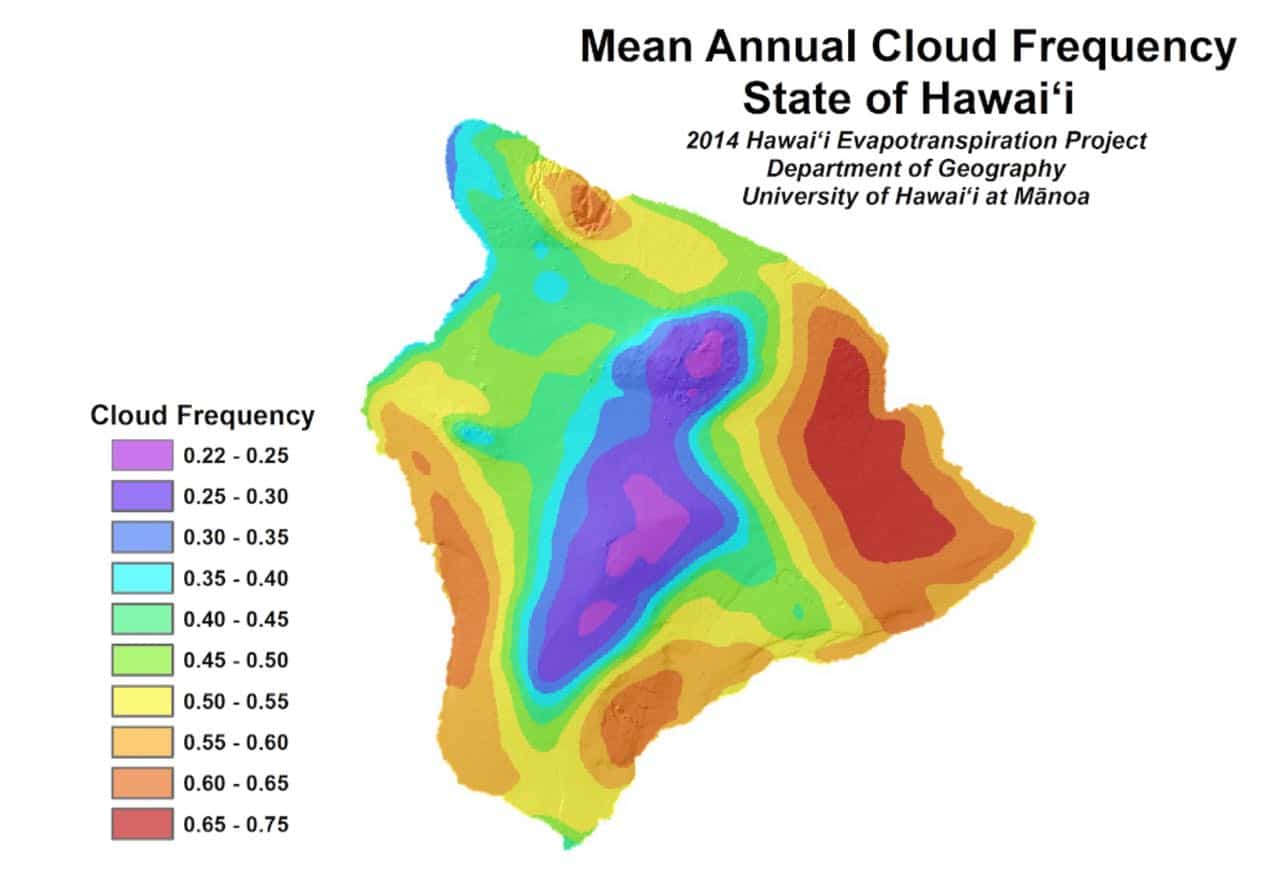
The prevailing northeast trade winds carry moisture inland. As this moist air is forced to rise over the mountains, it cools and condenses, leading to significant rainfall on the windward (northeastern) sides of the islands. These areas are typically characterized by dense rainforests, cascading waterfalls, and vibrant flora. For example, the Hana rainforest on Maui or the Wailuku River State Park on the Big Island often experience higher rainfall.
Conversely, the leeward (southwestern) sides of the islands are often much drier and sunnier. These areas benefit from the “rain shadow” effect, where the mountains block much of the moisture from reaching them. This is why popular tourist areas like Kaanapali on Maui, Poipu on Kauai, and Kona on the Big Island tend to be drier and sunnier, making them ideal for beach activities and outdoor adventures.
Hawaii has two main seasons regarding rainfall: the wet season (November to April) and the dry season (May to October). During the wet season, you can expect more frequent showers, particularly on the windward sides. However, these showers are often brief and localized, meaning you can still enjoy plenty of sunshine. A sudden downpour might be followed by clear skies, and it’s not uncommon for one side of an island to be sunny while the other is experiencing rain. The dry season offers more consistent sunshine across all regions, with rainfall typically reduced to occasional light showers.
Seasonal Variations and Microclimates
While Hawaii is often described as having a “perpetual summer,” there are subtle seasonal shifts and a fascinating array of microclimates that contribute to the islands’ diverse beauty and appeal. Understanding these variations can help you choose the best island and the best time to visit for your desired Hawaiian experience.
The “Dry” and “Wet” Seasons: Subtle Shifts
As mentioned, Hawaii doesn’t experience a drastic shift from summer to winter like many continental locations. Instead, the seasons are primarily defined by rainfall patterns.
The Dry Season (May to October)

This period is often considered the most “ideal” for many visitors, as it generally offers the most sunshine and the least rainfall across the islands.
- Temperatures: Warmest months are typically August and September, with average highs in the upper 80s Fahrenheit.
- Ocean Conditions: The ocean is generally calmer during these months, especially on the south and west shores, making it perfect for swimming, snorkeling, and beginner surfing. The world-renowned surf breaks on the North Shore of Oahu are typically calm during this period.
- Rainfall: Lower rainfall overall, with showers being less frequent and often brief. The leeward sides enjoy abundant sunshine.
The Wet Season (November to April)
This season brings more rain, particularly to the windward sides, but also offers unique advantages and experiences.
- Temperatures: Slightly cooler, with average highs in the mid-70s Fahrenheit.
- Ocean Conditions: The north and west shores of the islands can experience larger waves, attracting experienced surfers to famous spots like Waimea Bay and Banzai Pipeline. Conversely, the south and east shores may offer calmer waters for swimming and snorkeling.
- Rainfall: Increased frequency of showers, especially on the windward coasts. However, these are often short-lived, and the islands remain incredibly green and lush. This is also the time when the Mendenhall Glacier on the Big Island can be seen in its full glory.
The Impact of Elevation and Topography
Hawaii‘s volcanic origins have created dramatic landscapes, and these elevations significantly influence the weather.
- Coastal Areas: As discussed, these are generally warm, sunny, and humid, with temperatures moderated by the ocean. This is where most resorts, like the Grand Hyatt Hotel, and popular beaches are located.
- Mid-Elevations: As you ascend from the coast, temperatures gradually decrease, and rainfall can increase, leading to lush rainforests and agricultural lands. The Road to Hana on Maui showcases these vibrant mid-elevation environments.
- High Elevations: Above 4,000 feet, temperatures can drop significantly. Haleakala National Park on Maui and the summits of Mauna Kea and Mauna Loa on the Big Island can experience frost and even snow in winter. The air becomes thinner and drier at these altitudes. It’s crucial to pack accordingly for these cooler, high-altitude adventures, even if you’re visiting during the warmer months.
Windward vs. Leeward Coasts: A Tale of Two Climates
The prevailing trade winds are a defining feature of Hawaiian weather, creating distinct climatic zones on each island.
- Windward Coasts (Northeast): These areas face the trade winds directly and receive the brunt of the moisture carried from the ocean. They are characterized by abundant rainfall, lush vegetation, waterfalls, and often more dramatic, rugged coastlines. Examples include Hanalei Bay on Kauai and the Hakalau area on the Big Island.
- Leeward Coasts (Southwest): These regions are in the “rain shadow” of the mountains and are therefore much drier and sunnier. They are typically home to the most popular beach resorts, golf courses, and drier landscapes. Examples include Lahaina and Kaanapali on Maui, and Kona on the Big Island.
When choosing your accommodation, whether it’s a luxurious villa or a budget-friendly apartment, considering whether you prefer the lush, green ambiance of the windward side or the sunny, dry conditions of the leeward side is a key planning decision.
Packing for Paradise: What to Bring
Given Hawaii‘s consistently pleasant climate, packing is generally straightforward. However, a few key items will ensure you’re comfortable and prepared for various island activities and microclimates.
Essential Clothing
- Lightweight, Breathable Fabrics: Cotton, linen, and moisture-wicking synthetic materials are your best friends. Think t-shirts, tank tops, shorts, and sundresses for daytime.
- Swimwear: Of course! Pack at least two swimsuits so one can dry while you wear the other.
- Cover-ups: A sarong, light dress, or rash guard is perfect for going from the beach to a casual lunch.
- Comfortable Walking Shoes: Sandals or flip-flops are great for the beach and casual wear. However, if you plan on hiking, exploring volcanic craters, or visiting historical sites, bring a pair of sturdy walking shoes or hiking boots. The trails in Hawaii Volcanoes National Park can be rugged.
- A Light Jacket or Sweater: Evenings can sometimes be a little cooler, especially in higher elevations or if the trade winds pick up. A light jacket, hoodie, or sweater is advisable.
- Rain Gear (Optional but Recommended): While the sun often shines, occasional brief showers are part of the Hawaiian experience, especially on the windward sides. A lightweight, packable rain jacket or poncho can be very useful.
- Dressier Outfit (Optional): If you plan on fine dining or attending a special event, a slightly dressier outfit might be desired, but Hawaii is generally very casual.
Footwear Considerations
- Flip-flops/Sandals: Essential for everyday wear and beach hopping. Many locals and visitors alike live in these.
- Water Shoes: Useful for rocky shorelines or exploring tide pools where sharp coral or rocks might be present.
- Hiking Boots/Sturdy Sneakers: Absolutely necessary if you plan on trekking through rainforests, up volcanic slopes, or along coastal trails. The Diamond Head hike on Oahu is popular and requires good footwear.
Sun Protection
The Hawaiian sun is strong, even on cloudy days. Protecting yourself is paramount.
- Sunscreen: Look for “reef-safe” sunscreen to protect the delicate Hawaiian marine ecosystem. Broad-spectrum SPF 30 or higher is recommended.
- Hat: A wide-brimmed hat or a baseball cap will shield your face and neck.
- Sunglasses: Protect your eyes from the bright glare.
- Rash Guard: A long-sleeved rash guard offers excellent sun protection while swimming or participating in water sports.
Other Useful Items
- Reusable Water Bottle: Staying hydrated is crucial, and Hawaii encourages reducing plastic waste.
- Insect Repellent: While not always necessary in resort areas, it can be helpful in lush, vegetated areas or during dawn and dusk.
- Camera/Phone: To capture the stunning landscapes, from the iconic Pearl Harbor to the breathtaking vistas from Haleakala.
- Daypack: For carrying essentials during day trips and excursions.
By considering these factors, you can pack appropriately and ensure your trip to the Hawaiian Islands is as comfortable and enjoyable as possible, allowing you to fully immerse yourself in the magic of this tropical paradise. Whether you’re staying at a beachfront resort like the Four Seasons Resort Maui at Wailea or a cozy guesthouse, the Hawaiian weather is sure to embrace you with its warmth and beauty.