
Visiting Hawaii in February offers a unique juxtaposition of experiences. While much of the United States is blanketed in snow and shivering under sub-zero temperatures, the Hawaiian Islands bask in a perpetual spring-like state. Known as the “wet season,” February in the Pacific Ocean is often misunderstood by prospective travelers. It is a month of lush landscapes, legendary surf, and the peak of the whale migration, making it one of the most dynamic times to explore the archipelago. Understanding the nuances of the weather during this period is essential for planning a trip that balances relaxation with adventure.

Understanding the Climatic Profile of Hawaii in February
February is technically one of the coolest months in Hawaii, but “cool” is a relative term in the tropics. The islands do not experience the traditional four seasons; instead, they oscillate between the dry season (summer) and the wet season (winter). February falls firmly into the latter, yet it remains one of the most popular times for travelers seeking an escape from the harsh winters of the northern hemisphere.
Temperature Averages and Humidity
During February, daytime high temperatures across the major islands usually hover around 78°F (25°C) to 82°F (28°C). Evening temperatures can dip into the mid-60s°F (around 18°C), particularly in coastal areas. While this might sound warm, the consistent trade winds can make the evenings feel brisk, necessitating a light sweater or windbreaker. Humidity levels are generally lower in February compared to the sweltering summer months, making outdoor activities like hiking much more comfortable.
Rainfall Patterns and the “Green” Season
While February is one of the rainier months, rain in Hawaii is rarely a day-long affair. Most precipitation occurs in short, localized bursts, often overnight or in the early morning. These “blessings,” as locals sometimes call them, are responsible for the vibrant, emerald-green vistas that define islands like Kauai and Maui.
The geography of the islands plays a massive role in weather distribution. Each island has a “windward” side (north and east) and a “leeward” side (south and west). The windward sides receive significantly more rain as the trade winds push clouds against the mountain peaks. Conversely, the leeward sides, such as Kona on the Big Island or Wailea in Maui, remain predominantly sunny and dry even in the heart of February.
Ocean Temperatures and Conditions
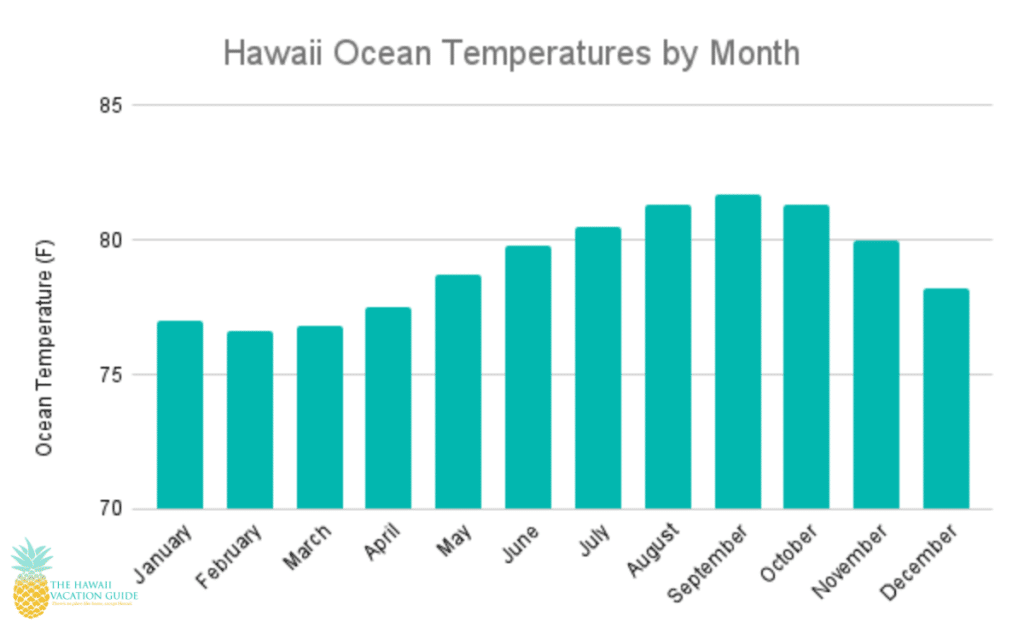
The water temperature in the Pacific Ocean surrounding the islands averages about 74°F (23°C) in February. While this is the coolest the water gets all year, it is still perfectly suitable for swimming and snorkeling. However, the “winter swell” is a significant factor this month. Large swells generated by storms in the North Pacific bring massive waves to the northern shores of the islands, making some beaches dangerous for casual swimming but world-class for professional surfing.
Island-by-Island Weather Guide
Each island in the chain possesses its own microclimates. Choosing where to stay in February depends heavily on what kind of weather you prefer and which activities are on your itinerary.
Oahu: The Gathering Place
In Oahu, February weather is generally pleasant. Honolulu and Waikiki stay relatively dry, as they are protected by the Ko’olau Range. Travelers visiting Pearl Harbor or climbing Diamond Head will find the cooler temperatures ideal for walking. However, a trip to the North Shore will reveal the power of February, with massive waves crashing at Waimea Bay and Banzai Pipeline.
Maui: The Valley Isle
Maui is a favorite for February travelers primarily because of the whales. The weather in Lahaina and Kihei is usually sunny and warm. If you plan to visit Haleakala National Park for sunrise, be prepared for extreme weather changes; temperatures at the summit can drop below freezing even in February. The Road to Hana is particularly spectacular this month, as the rain ensures the waterfalls are flowing at full capacity.
Kauai: The Garden Isle
Kauai is the wettest of the islands, and in February, it lives up to its name as the “Garden Isle.” While Princeville on the north shore may see frequent rain, the Poipu area on the south shore remains a bastion of sunshine. February is a fantastic time to view Waimea Canyon State Park, where the red dirt contrasts sharply with the rain-refreshed greenery. However, boat tours of the Na Pali Coast can be hit-or-miss due to rougher sea conditions.

Island of Hawaii: The Big Island
The Big Island offers the most dramatic weather diversity. You can experience tropical rain in Hilo, arid heat in Kailua-Kona, and even snow on the peaks of Mauna Kea. February is an excellent time to visit Volcanoes National Park, as the cooler air makes hiking across the hardened lava flows much more bearable than in the summer heat.
Seasonal Experiences and Natural Phenomena
The weather in February dictates the natural rhythm of the islands, creating opportunities that are unavailable at other times of the year.
Peak Humpback Whale Watching
One of the primary reasons travelers flock to Hawaii in February is the North Pacific Humpback Whale migration. Thousands of these majestic creatures travel from Alaska to the warm, shallow waters of the Auau Channel between Maui, Lanai, and Molokai. February is the peak of the season, and the weather provides clear visibility for spotting breaches and tail slaps from the shore or a tour boat.
The Big Wave Season
For surf enthusiasts, February is the climax of the winter swell season. The North Shore of Oahu becomes the center of the surfing world. Even if you aren’t a surfer, witnessing 30-foot waves at Sunset Beach is a humbling and awe-inspiring experience that defines a winter trip to the islands. The weather, often a mix of dramatic clouds and piercing sun, adds a cinematic quality to the powerful ocean displays.
Snow in the Tropics
It is a little-known fact that you can see snow in Hawaii. In February, the summits of Mauna Kea and Mauna Loa are often capped with white. While the coastal areas remain in the 80s, the high-altitude regions offer a starkly different climate. This month is ideal for those who want to experience the novelty of seeing snow and tropical palms in a single day.
Essential Packing and Preparation for February
Given the variability of the weather and the wide range of microclimates, packing for Hawaii in February requires a strategic approach.
Layering for Microclimates
The key to comfort in February is layering. While shorts and t-shirts are standard for daytime at the beach, you will need a lightweight, waterproof rain jacket for sudden showers. If your plans include visiting the Upcountry areas of Maui or the highlands of the Big Island, a fleece or a light sweater is indispensable.
Footwear and Gear
Because February is part of the wet season, hiking trails can be muddy. If you plan to explore Manoa Falls or the Kalalau Trail, bring sturdy hiking shoes with good traction. For the water, a “shorty” wetsuit or a thick rash guard can provide extra warmth for extended snorkeling sessions, as the water temperature is at its annual low. Don’t forget reef-safe sunscreen; even on cloudy days, the tropical sun is powerful enough to cause significant burns.
Flexibility in Planning
In February, the weather can change plans on short notice. A planned snorkeling trip to Molokini Crater might be canceled due to high winds, or a helicopter tour of the Na Pali Coast might be delayed by low clouds. Travelers who maintain a flexible itinerary and have “rainy day” backups—such as visiting the Bishop Museum or exploring the shops in Kapalua—will have the most enjoyable experience.
Final Thoughts on February in Hawaii
Traveling to Hawaii in February is a choice that rewards the observant and the adventurous. While it is not the hot, dry summer experience many imagine, it offers a more nuanced and vibrant version of the islands. From the snow-capped peaks of the Big Island to the massive swells of the North Shore, and the intimate encounters with migrating whales, the weather in February facilitates a deep connection with nature. By understanding the island microclimates and preparing for a range of conditions, you can enjoy the serenity of the “wet season” and discover why many regular visitors consider February the best-kept secret of the Hawaiian Islands.
LifeOutOfTheBox is a participant in the Amazon Services LLC Associates Program, an affiliate advertising program designed to provide a means for sites to earn advertising fees by advertising and linking to Amazon.com. Amazon, the Amazon logo, AmazonSupply, and the AmazonSupply logo are trademarks of Amazon.com, Inc. or its affiliates. As an Amazon Associate we earn affiliate commissions from qualifying purchases.