
Choosing the right time to visit Idaho requires a nuanced understanding of the state’s diverse geography. As a landlocked region defined by the towering peaks of the Rocky Mountains and the expansive high deserts of the Snake River Plain, the climate is anything but monolithic. Travelers planning a journey to this rugged northwestern gem must weigh the stark contrast between the sun-drenched summers in Boise and the deep, powdery winters found in the high-altitude reaches of Sun Valley.
Understanding Idaho’s Seasonal Diversity
The climate of Idaho is technically classified as continental, though local topography plays a decisive role in temperature fluctuations. The northern part of the state, particularly near Coeur d’Alene, benefits from maritime air masses that flow in from the Pacific Ocean, leading to milder, wetter conditions than those found in the arid southeastern corner of the state near Idaho Falls.
Spring: A Season of Transformation
As the snow begins to melt in the Sawtooth National Forest, the landscape undergoes a vibrant transition. Spring in this region is marked by unpredictable weather patterns; it is not uncommon to experience bright sunshine followed by a sudden spring shower or even a late-season dusting of snow.
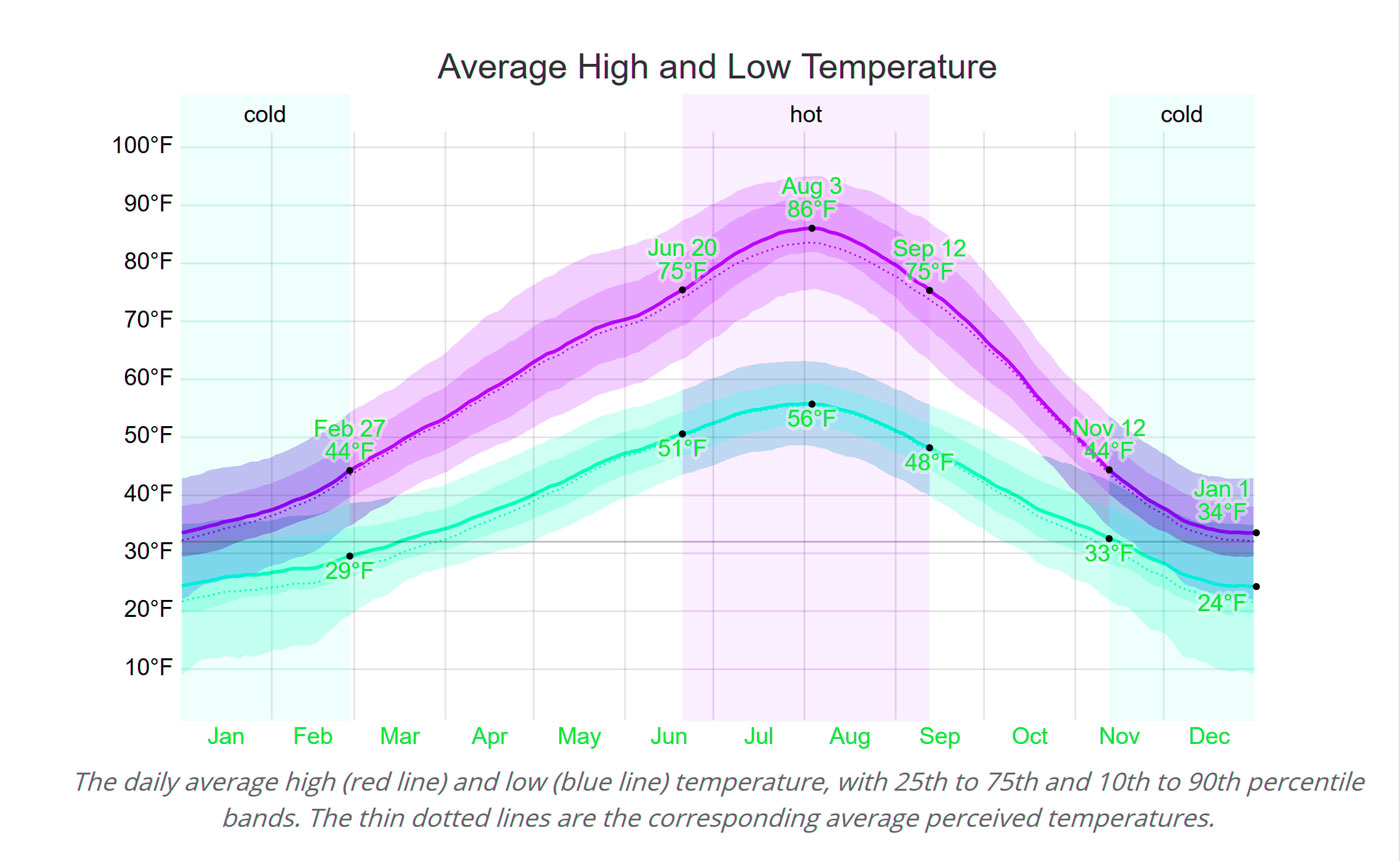
For outdoor enthusiasts, this is the prime time to witness the rejuvenation of the high desert and river canyons. Temperatures typically hover between the 40s and 60s Fahrenheit. While mountain passes like the Galena Summit may remain closed until late May, the lower valleys begin to bloom, making it an excellent time for scenic drives through the Payette National Forest.
Summer: The Season of Adventure
From late June through August, the weather is defined by warm, dry days and cool, crisp nights. This is the peak season for tourism. In areas like McCall, sitting by the edge of Payette Lake becomes the quintessential experience. Because humidity levels remain exceptionally low, the heat rarely feels oppressive. Even when temperatures in Twin Falls climb into the 90s, the dramatic drop in temperature after sunset provides immediate relief.
Winter Wonderland: Snow and Alpine Climates
For those who view weather as a catalyst for recreation, the winter months are the primary draw. The central and northern portions of the state receive significant snowfall, consistently ranking among the best conditions for winter sports in the United States.
The Powder Experience in the Mountains
Regions such as Schweitzer Mountain Resort near the town of Sandpoint receive an incredible bounty of “cold smoke” powder. During the heart of winter, December through February, temperatures in the mountains often stay well below freezing. This persistent cold ensures that the snowpack remains light and dry, creating world-class conditions for skiing and snowboarding.

Winter in the Valleys
While the high peaks are buried in snow, the valleys often experience a different phenomenon. In places like the Treasure Valley, winter can bring temperature inversions. During these periods, a thick layer of fog can settle over Nampa and Caldwell, trapping cool air near the ground while the nearby mountains enjoy bright, sunny conditions. Travelers should be prepared for slick roads and cold wind chill factors when traveling between the urban centers and the rugged wilderness.
Autumn: The Golden Window
Autumn is arguably the most underrated season in the region. Beginning in mid-September, the sweltering heat of August gives way to comfortable, crisp afternoons. This is the ideal time to explore the Frank Church-River of No Return Wilderness.
The Aesthetics of Fall
As the aspen trees turn a vibrant gold and the huckleberry bushes provide a deep crimson hue to the hillsides, the weather remains consistently pleasant. Daytime highs usually range from the 50s to the 70s, making it perfect for hiking, mountain biking, or fly-fishing on the Salmon River.
Preparing for the Shift
The transition to winter can be abrupt. While October often provides clear, blue-sky days, the first hard frost usually occurs by late October or early November. Visitors during this time should practice a “layered” clothing approach. A light jacket might be sufficient for a hike in the morning, but a heavier, insulated coat will be necessary once the sun dips behind the jagged peaks of the Bitterroot Range.
Practical Tips for Weather-Sensitive Travel
Regardless of when you visit, Idaho demands respect for its environment. The combination of high elevation and arid air makes the sun significantly stronger than at sea level.
Essential Gear Considerations
- Hydration is Key: The high desert air is incredibly dry. Travelers should carry more water than they believe they need, especially when venturing into areas like the Craters of the Moon National Monument.
- Sun Protection: Even in the winter, the sun reflecting off the snowpack can lead to severe sunburns. High-SPF sunscreen and polarized sunglasses are non-negotiable items for any travel kit.
- Emergency Readiness: If you are driving through mountain passes in the winter, ensure your vehicle is equipped with snow tires or chains. Cell service can be non-existent in the remote wilderness of the Selway-Bitterroot Wilderness, so keeping a paper map and extra supplies in your trunk is a wise safety precaution.

Choosing Your Ideal Visit
- For Winter Sports: Aim for January or February to ensure the deepest snowpack at locations like Bogus Basin.
- For Hiking and Photography: Aim for the first two weeks of October. The combination of cooling temperatures and autumn foliage makes for the most visually stunning photography opportunities in the Pacific Northwest.
- For Water Activities: Plan your trip for mid-July. By this time, the snowmelt has largely subsided, and the water temperatures in the Snake River are finally comfortable enough for whitewater rafting and kayaking.
Ultimately, the weather in this majestic state is a dynamic force that shapes both the landscape and the lifestyle of those who live and play there. Whether you are seeking the thrill of a powder-filled ski day or the quiet solitude of a sun-warmed desert trail, understanding the rhythm of the seasons will ensure that your visit is defined by comfort and discovery. The diverse microclimates mean that there is always a corner of the state enjoying perfect weather, provided you know exactly where—and when—to look.
LifeOutOfTheBox is a participant in the Amazon Services LLC Associates Program, an affiliate advertising program designed to provide a means for sites to earn advertising fees by advertising and linking to Amazon.com. Amazon, the Amazon logo, AmazonSupply, and the AmazonSupply logo are trademarks of Amazon.com, Inc. or its affiliates. As an Amazon Associate we earn affiliate commissions from qualifying purchases.