
The allure of Las Vegas is undeniable. Known as the “Entertainment Capital of the World,” this vibrant desert metropolis draws millions of visitors each year with its dazzling casinos, world-class shows, and unparalleled dining experiences. But beyond the glittering lights and endless excitement lies a crucial factor that can significantly shape any trip: the weather. Understanding the typical climate patterns of Las Vegas is essential for planning the perfect getaway, whether you’re seeking to relax by a luxurious pool, explore iconic landmarks, or indulge in the city’s famed culinary scene.
The desert climate of Las Vegas is characterized by its extremes. Summers are intensely hot, while winters are mild and pleasant. Spring and autumn offer the most comfortable temperatures, making them peak seasons for many travelers. This article delves into the nuances of Las Vegas weather throughout the year, providing insights to help you pack appropriately, schedule your activities wisely, and ultimately, make the most of your visit to this unique destination.
Seasonal Breakdown: Embracing the Extremes and the Equinoxes
The climate of Las Vegas is dictated by its location in the Mojave Desert. This means sunshine is abundant year-round, but temperatures can fluctuate dramatically. For travelers, this translates into distinct experiences depending on when they choose to visit.
Summer: The Scorching Embrace of the Mojave
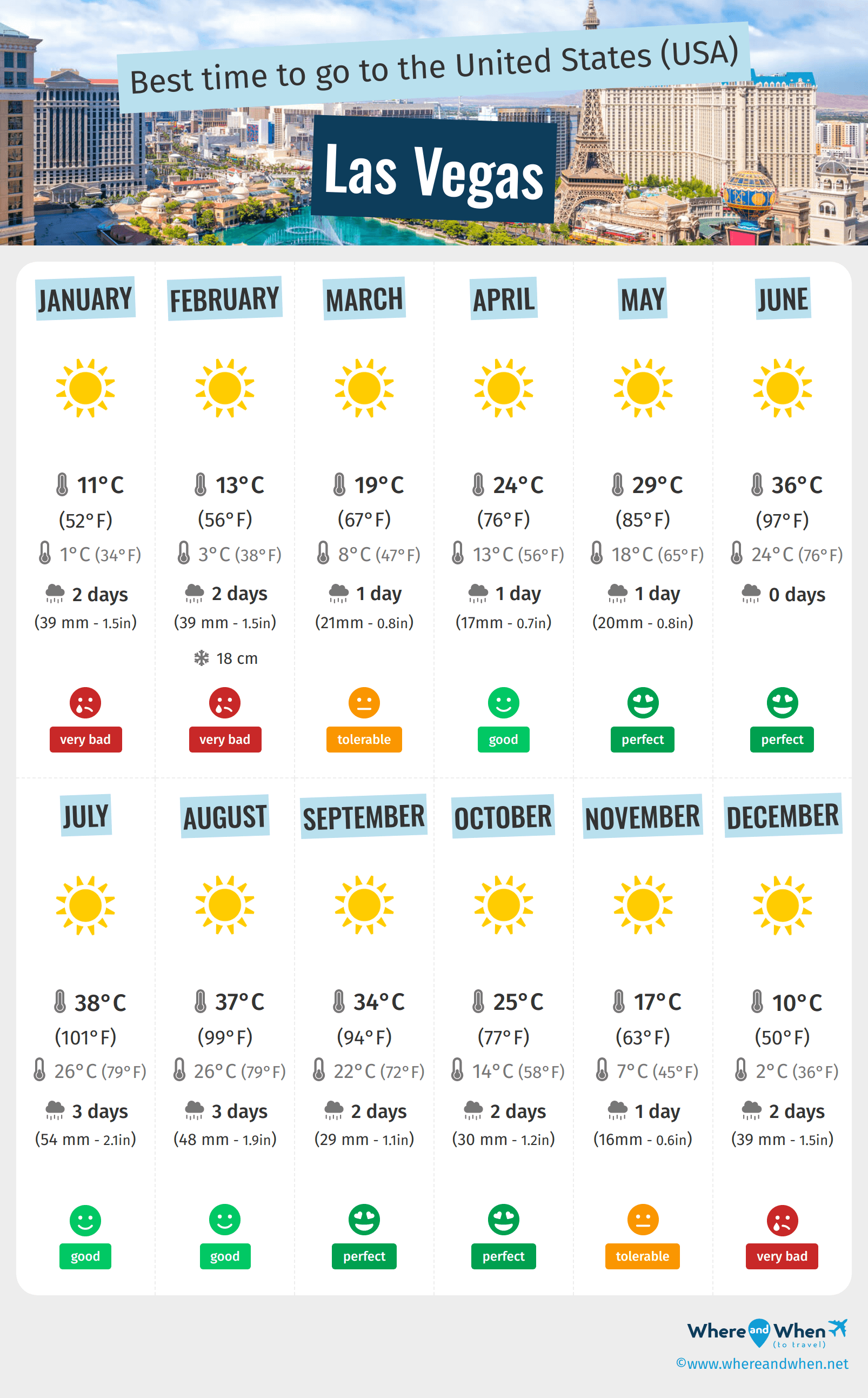
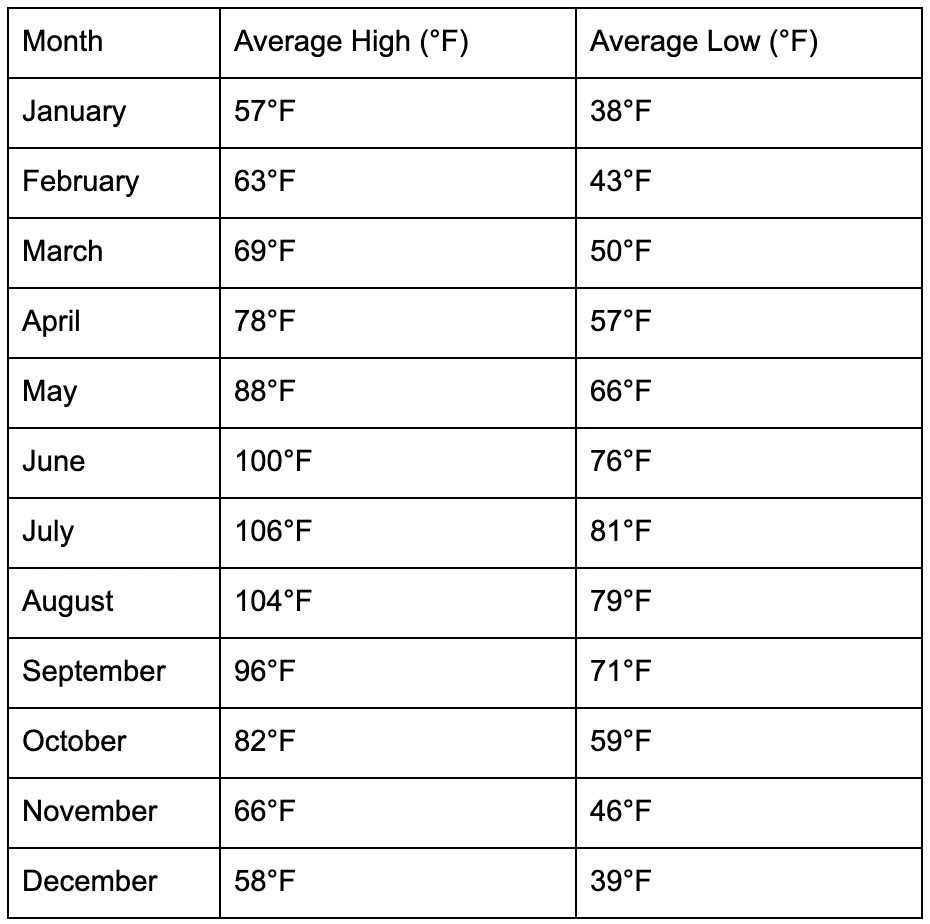
From June through August, Las Vegas experiences its most intense heat. Daytime temperatures routinely soar into the triple digits, frequently exceeding 100°F (38°C) and sometimes reaching as high as 110°F (43°C) or more. The nights offer little respite, with temperatures often staying in the high 80s or low 90s Fahrenheit (around 30-35°C). The humidity is generally low, which can make the heat feel drier, but the sheer intensity of the sun can still be overwhelming.
Despite the formidable heat, Las Vegas remains a popular summer destination. The city’s infrastructure is well-equipped to handle the climate, with most attractions, shopping malls, and, of course, the magnificent resorts and hotels offering air-conditioned sanctuaries. Swimming pools and water-based activities become a primary focus for many visitors. Many of the larger resorts, such as the Bellagio or The Venetian, boast expansive pool complexes that are the perfect escape from the midday sun. Evenings in the summer are still warm but offer a more pleasant atmosphere for exploring the Las Vegas Strip or enjoying outdoor entertainment. However, it is crucial to stay hydrated, wear sunscreen, and limit strenuous outdoor activities during the hottest parts of the day.
Autumn: The Golden Transition to Comfort
As the calendar turns to September, the intense heat of summer begins to wane, ushering in one of the most delightful times to visit Las Vegas. September still carries a residual warmth, with average daytime temperatures in the mid-80s Fahrenheit (around 29°C), but by October, the weather becomes truly idyllic. October and November offer crisp, sunny days with average highs in the 70s Fahrenheit (21-26°C). Evenings cool down considerably, often dropping into the 50s Fahrenheit (10-15°C), making it perfect for enjoying the vibrant nightlife, attending shows, or dining at one of the many acclaimed restaurants.
This period is ideal for exploring the many attractions Las Vegas has to offer outside of its indoor marvels. A visit to the Hoover Dam or a scenic drive through Red Rock Canyon National Conservation Area are much more enjoyable when the weather is mild. The comfortable temperatures also encourage more walking and outdoor exploration, allowing visitors to truly soak in the atmosphere of the city and its surrounding natural beauty.
Winter: The Mild and Inviting Season
Winter in Las Vegas, from December through February, is characterized by mild temperatures and abundant sunshine. Daytime highs typically range from the mid-50s to low 60s Fahrenheit (13-17°C), making it pleasant for outdoor activities. Evenings do get chilly, with temperatures often dropping into the 30s or 40s Fahrenheit (around 0-7°C), so packing layers is essential. Snow is extremely rare in the city itself, though it can fall in the surrounding mountains, offering a picturesque backdrop.
Winter is a fantastic time for those looking to experience the unique offerings of Las Vegas without the oppressive summer heat. It’s perfect for exploring the vast array of indoor entertainment, from the intricate architecture of the Luxor Hotel and Casino to the captivating displays at the Neon Museum. The milder weather also makes it a great time for day trips to nearby natural wonders like Death Valley National Park, although visitors should still be prepared for cooler desert conditions, especially at higher elevations. The holiday season in Las Vegas is particularly magical, with festive decorations adorning the resorts and a general air of celebration.
Spring: A Blooming Period of Pleasantness
Similar to autumn, spring in Las Vegas offers a welcome respite from extreme temperatures. March begins to warm up, with average highs in the 60s Fahrenheit (15-20°C), and by April and May, the city is bathed in comfortable, sunny weather. Daytime temperatures in April and May typically range from the 70s to the 80s Fahrenheit (21-29°C), with cooler evenings.
Spring is an excellent time for outdoor enthusiasts to visit. The blooming desert flora can add a touch of natural beauty to excursions to places like Valley of Fire State Park. It’s also a prime time for exploring the Fremont Street Experience or enjoying leisurely strolls along the Las Vegas Strip. The pleasant climate encourages visitors to take advantage of the numerous outdoor dining options and to experience the city’s vibrant atmosphere without the intense heat of summer. This season often sees a surge in visitors, particularly around major events and holidays.
Understanding Precipitation and Humidity
While Las Vegas is known for its sunshine, it’s important to note that it is a desert city, meaning precipitation is infrequent. The annual rainfall is very low, typically averaging around 4-5 inches. When rain does occur, it often comes in the form of brief, intense thunderstorms, particularly during the monsoon season, which typically spans from July to September. These storms can bring a temporary drop in temperature and a welcome, albeit short-lived, sense of relief from the heat.
Humidity levels in Las Vegas are consistently low throughout the year, contributing to the dry desert climate. Even during the hottest summer months, the lack of high humidity makes the heat more bearable than in humid coastal cities, though the direct sun exposure is still a significant factor. This dryness can affect some individuals, particularly those prone to dry skin or respiratory issues, so it’s advisable to stay well-hydrated and consider using a humidifier in your accommodation if needed.
Packing for the Nevada Sun: A Seasonal Guide
To ensure a comfortable and enjoyable experience in Las Vegas, strategic packing is key. The fluctuating temperatures and desert environment necessitate a versatile wardrobe.
Spring and Autumn Essentials
During the shoulder seasons of spring and autumn, packing should focus on layers. Bring lightweight, breathable clothing such as t-shirts, blouses, and comfortable trousers or shorts. A light jacket, cardigan, or sweater is essential for cooler evenings. Comfortable walking shoes are a must, as you’ll likely be doing a lot of exploring on foot. Don’t forget sunglasses, a hat, and high SPF sunscreen to protect yourself from the strong desert sun, even when temperatures are mild.
Summer Survival Kit
For a summer visit, lightweight and loose-fitting clothing is paramount. Think cotton and linen fabrics. Pack plenty of shorts, sundresses, and t-shirts. A wide-brimmed hat is highly recommended, as is a good pair of sunglasses. Sunscreen with a high SPF is non-negotiable. A swimsuit is, of course, a necessity for enjoying the numerous pools. While daytime temperatures are scorching, evenings can still be warm, so light clothing will suffice. A light shawl or cover-up might be useful for air-conditioned interiors, which can be quite cool. Reusable water bottles are also a smart addition to help you stay hydrated throughout the day.
Winter Warmers
Evenings in Las Vegas during winter can be surprisingly chilly, so packing warmer layers is crucial. This includes long-sleeved shirts, sweaters, and a warm jacket or coat. Jeans or heavier trousers are suitable for daytime wear. For evenings out, you might want slightly dressier options that still offer warmth. Comfortable closed-toe shoes are essential. While the sun can still be bright during the day, the cooler temperatures mean that hats and gloves are generally not necessary unless you plan on spending extended periods outdoors in the early morning or late evening.
Planning Your Trip Around the Weather
The weather in Las Vegas can be a deciding factor for many travelers. By understanding the seasonal patterns, you can tailor your trip to best suit your preferences.
Best Times for Outdoor Adventures
For those who dream of exploring the natural beauty surrounding Las Vegas, spring and autumn are undeniably the best times to visit. The comfortable temperatures make hiking in Red Rock Canyon, visiting the Hoover Dam, or taking a day trip to the stunning Grand Canyon an absolute pleasure. The cooler months of winter also offer opportunities for these excursions, though visitors should be prepared for colder conditions, especially at higher elevations.
Peak Seasons and Considerations
The most popular times to visit Las Vegas often coincide with the most pleasant weather. Spring (March-May) and autumn (September-November) are peak seasons, attracting large crowds and leading to higher prices for flights and accommodation. Booking well in advance is highly recommended during these periods. Summer, despite the heat, is also a busy time, especially for families on vacation and for those seeking poolside relaxation. Winter can offer a slightly less crowded experience, particularly outside of the holiday season, making it a good option for budget-conscious travelers or those who prefer a more relaxed pace.

Special Events and Weather Implications
Las Vegas hosts a multitude of events throughout the year, from major sporting events and conventions to music festivals and holiday celebrations. The weather can play a role in the enjoyment of these events. For outdoor festivals, warm spring or autumn days are ideal, while summer events might require special considerations for heat. Indoor events, of course, are largely unaffected by the weather, offering a reliable entertainment option regardless of the conditions outside. Always check the forecast closer to your travel dates to make any last-minute adjustments to your plans.
In conclusion, Las Vegas offers a diverse climate that can be enjoyed year-round with the right preparation. Whether you’re drawn by the promise of scorching summer fun, the mild comfort of spring and autumn, or the pleasant winter days, understanding the weather is your first step towards an unforgettable experience in this iconic desert city. From the bustling Las Vegas Strip to the serene natural landscapes beyond, the weather in Las Vegas is a dynamic element that adds another layer to the city’s captivating charm.