
California, a state synonymous with innovation, sprawling coastlines, and a vibrant lifestyle, also holds a significant position in the nation’s democratic process. As a pivotal player in presidential elections and a trendsetter in ballot initiatives, understanding the mechanics of voting in the Golden State is crucial for residents and enthusiasts alike. While the allure of California often conjures images of iconic landmarks, luxurious resorts, and unparalleled travel experiences, its civic engagement is equally compelling. For those planning a trip, considering an extended stay, or simply curious about the rhythm of this dynamic state, knowing when and how to cast your vote adds another layer to the California experience. This article delves into the intricacies of voting deadlines and processes in California, offering clarity for active participants in its democratic journey.
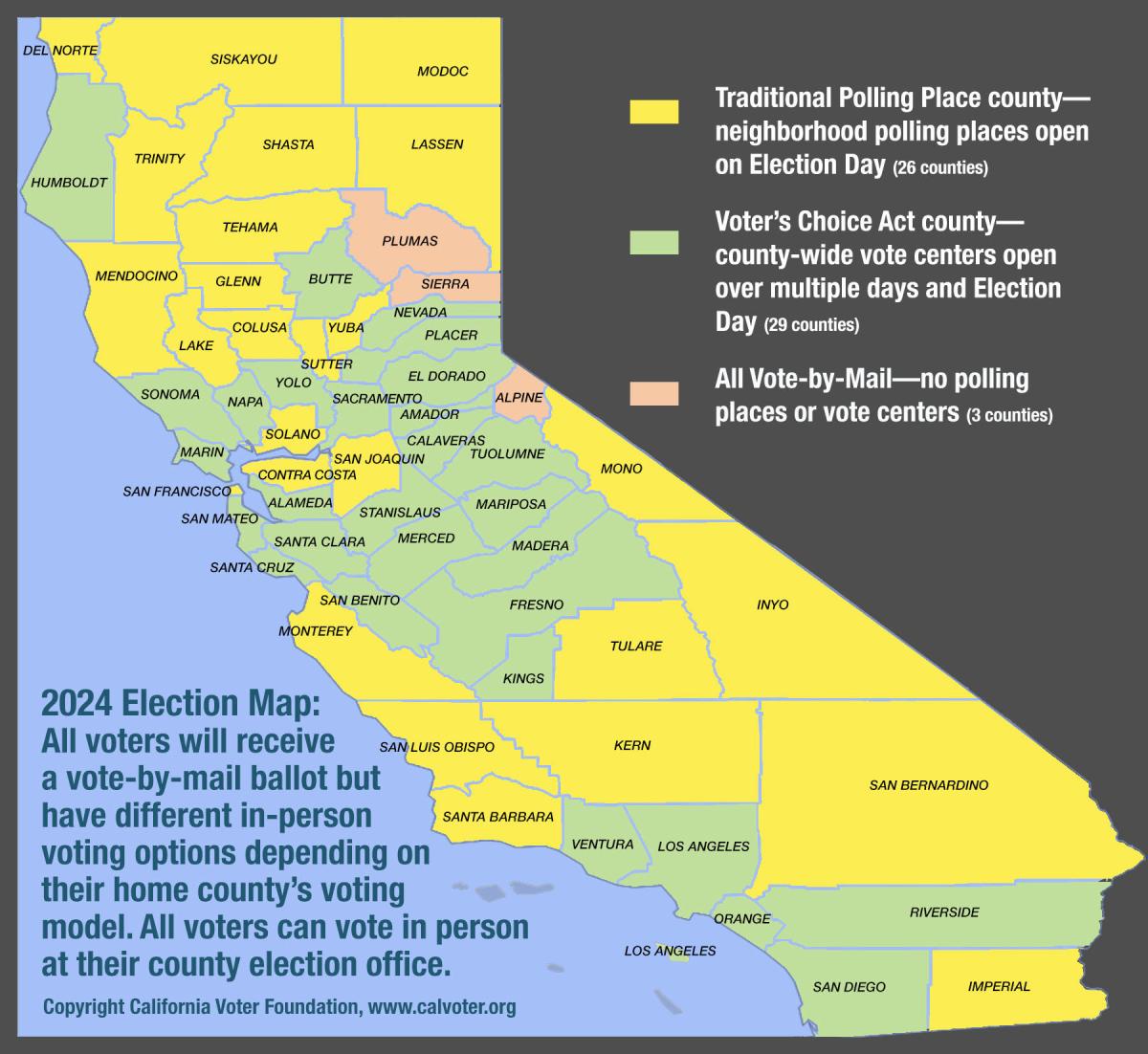
California’s electoral system is a complex tapestry woven with federal requirements and state-specific regulations. The sheer scale of the state, from the bustling metropolis of Los Angeles to the tech-centric hubs of Silicon Valley, means that election administration is a monumental undertaking. Whether you’re a long-time resident, a newcomer establishing roots, or a traveler with a keen interest in local affairs, understanding the voting timeline is paramount. This is especially true for those who might be considering a longer-term accommodation in places like San Francisco or enjoying the resort lifestyle in Palm Springs, as residency requirements and absentee ballot requests are tied to these considerations.
Understanding California’s Election Schedule
California’s election calendar is characterized by a series of primary and general elections, as well as special elections that can be called throughout the year. The state primarily operates under a system where major contests occur on even-numbered years, coinciding with national elections. However, local elections and specific ballot measures can trigger voting opportunities at other times. The key to participation lies in staying informed about these scheduled events and their corresponding deadlines for registration and ballot submission.
Primary Elections: Setting the Stage
Primary elections in California are typically held on the first Tuesday in March of even-numbered years. These elections are crucial for selecting party nominees for various offices, including the President of the United States, U.S. Senators, members of the House of Representatives, state legislators, governors, and numerous local officials. For individuals new to the state, understanding the registration deadlines for these primaries is a fundamental step in civic engagement. Failure to register by the stipulated cutoff date means missing the opportunity to influence the candidates who will advance to the general election. This is a critical aspect for anyone planning a lifestyle change that includes establishing residency, perhaps in a charming villa in Napa Valley or a modern apartment in San Diego.
The voter registration deadline for a primary election is 15 days before the election date. This means that if you are moving to California or deciding to switch your party affiliation, you must ensure your registration is completed and submitted by this deadline. For instance, if the primary election is scheduled for March 5th, the registration deadline would be February 19th. This tight window emphasizes the need for proactive engagement. The Secretary of State’s office provides online registration tools, making the process more accessible for residents across the diverse landscapes, from the iconic Golden Gate Bridge to the natural wonders of Yosemite National Park. For those who might be on a budget travel adventure through the state, being aware of these deadlines can mean the difference between participating or observing.
General Elections: The Culmination of the Electoral Cycle
The general election in California, like in most of the United States, is held on the first Tuesday after the first Monday in November of every even-numbered year. This is the main event where voters make their final choices for elected officials. The deadlines for voter registration for the general election mirror those of the primary, requiring individuals to register 15 days prior to election day. So, if the general election falls on November 5th, the registration deadline would be October 21st.
For individuals who may be in California for an extended stay, perhaps enjoying the amenities of a luxury resort in Beverly Hills or exploring the historic missions, understanding their eligibility to vote is important. While temporary visitors typically cannot vote, those who have established residency and meet the age and citizenship requirements are encouraged to participate. This engagement can range from voting on statewide propositions that might affect tourism policies in areas like Disneyland to local initiatives impacting neighborhoods in cities like Oakland. The California Secretary of State provides comprehensive information on absentee voting, early voting options, and polling place locations, catering to a diverse population spread across varied terrains, from the beaches of Santa Monica to the vineyards of Sonoma.
Voting Methods and Accessibility in California
California has been at the forefront of expanding voting accessibility, offering multiple options for residents to cast their ballots. Understanding these methods can help ensure that no eligible voter is disenfranchised, whether they are a permanent resident or temporarily staying in the state for business or leisure. The state has embraced mail-in voting, early voting centers, and traditional in-person polling on election day, aiming to accommodate diverse lifestyles and schedules.
Vote by Mail: Convenience and Flexibility
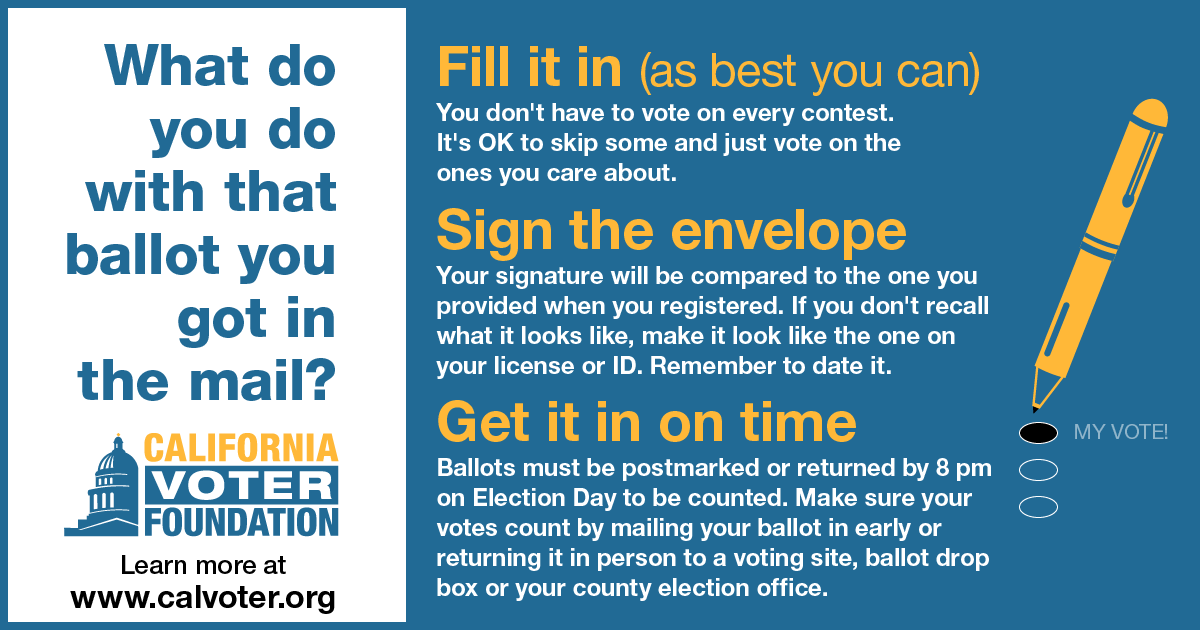
California is a leader in vote-by-mail (VBM) initiatives. In recent years, legislation has expanded the availability of VBM to all registered voters. This means that every registered voter in California automatically receives a ballot in the mail for state and federal elections. The deadline to return a VBM ballot is crucial: it must be postmarked by election day and received by the county elections office no later than three days after the election. Alternatively, VBM ballots can be dropped off at official ballot drop-off locations or directly at a county elections office up until the close of polls on election day.
For those who are traveling or have flexible accommodation arrangements, such as staying in various apartments or villas throughout their trip, vote by mail offers unparalleled convenience. It eliminates the need to find a specific polling place and allows for ballots to be cast from anywhere with a mailbox. However, it’s essential to ensure that the ballot is mailed back in ample time to meet the postmark deadline, or to utilize a drop-off location. For a visitor interested in the local culture of cities like Sacramento or the natural beauty of the Redwood National and State Parks, understanding this postal deadline is a practical consideration for civic participation.
Early Voting and In-Person Options
In addition to vote by mail, California offers early voting centers in many counties, allowing residents to cast their ballots in person before election day. These centers typically open 10 days before an election and operate through election day. The specific dates and locations for early voting centers vary by county, and voters are advised to check with their local county elections official for details. This option is particularly beneficial for those who prefer the in-person voting experience but cannot make it to their assigned polling place on election day.
For individuals who might be enjoying a long-term stay in a suite or resort, exploring the local attractions in areas like Santa Barbara or planning a family trip to San Jose, early voting centers provide an accessible way to participate. They offer a tangible way to engage with the democratic process, similar to visiting a landmark or attending a local festival. On election day itself, voters can cast their ballots at their assigned polling place. Polling places are open from 7 a.m. to 8 p.m. local time. The accessibility of polling places across the state, from the urban sprawl of Long Beach to the more rural areas surrounding Lake Tahoe, is a testament to California’s commitment to voter participation.
Important Deadlines to Remember
Navigating election deadlines can be a challenge, especially with the dynamic nature of travel and lifestyle choices in California. However, adherence to these timelines is crucial for exercising your right to vote. The key deadlines revolve around voter registration, requesting absentee ballots (if applicable, though most voters now receive them automatically), and returning mail-in ballots.
Voter Registration Cutoff
As previously mentioned, the most critical deadline for new voters or those updating their information is the voter registration cutoff, which is 15 days before any election. This applies to both primary and general elections, as well as any special elections. Missing this deadline means you will not be eligible to vote in that specific election. For instance, if you are planning to move to a new accommodation in Anaheim just a week before an election, you will have missed the registration window for that contest. However, California does offer same-day voter registration at polling places and county elections offices, a significant measure to ensure greater participation. This allows individuals to register and vote on the same day during the early voting period or on election day itself.
Mail-In Ballot Deadlines
For those utilizing the vote-by-mail system, the primary deadline is that the ballot must be postmarked by election day. This means that if you mail your ballot on election day, it must be in the mail stream by the end of the day. To be safe, it is always recommended to mail your ballot back several days before election day, or to utilize one of the many official ballot drop-off locations that are available throughout the state. These drop-off points are a convenient option for those who might be enjoying a local food tour in San Francisco Bay Area or exploring the wineries of Central Coast and want to ensure their ballot is received on time.
The close of polls on election day is also a critical time. All in-person voting, whether at a polling place or an early voting center, ceases at 8 p.m. local time. Mail-in ballots, while they can be postmarked on election day, must be received by the county elections office no later than three days after the election. This grace period for received mail-in ballots is another example of California’s commitment to making voting accessible. Understanding these various deadlines ensures that whether you’re staying in a boutique hotel in Hollywood, a sprawling resort in San Diego County, or a vacation rental in Big Sur, you can effectively participate in California’s vibrant democratic process.
LifeOutOfTheBox is a participant in the Amazon Services LLC Associates Program, an affiliate advertising program designed to provide a means for sites to earn advertising fees by advertising and linking to Amazon.com. Amazon, the Amazon logo, AmazonSupply, and the AmazonSupply logo are trademarks of Amazon.com, Inc. or its affiliates. As an Amazon Associate we earn affiliate commissions from qualifying purchases.