
When planning a journey to the legendary oasis of Las Vegas, understanding the climate is just as vital as booking your flight or choosing the right resort. Situated in the heart of the Mojave Desert within the state of Nevada, the city is characterized by a subtropical hot desert climate. This translates to long, sweltering summers, short and mild winters, and transitional seasons that offer some of the most pleasant travel conditions in the United States.
However, the “dry heat” of Southern Nevada can be deceptive. For a traveler, the weather dictates everything from what you pack to how you schedule your visits to The Strip. Whether you are looking to lounge by the pool at the Mandalay Bay or hike the rugged trails of Red Rock Canyon National Conservation Area, a deep dive into the seasonal shifts of this desert jewel is essential for a successful itinerary.
A Seasonal Breakdown of the Las Vegas Climate
The most defining characteristic of Las Vegas weather is its predictability, yet each season brings a distinct atmosphere that caters to different types of travelers.
The Intensity of Desert Summers (June through August)
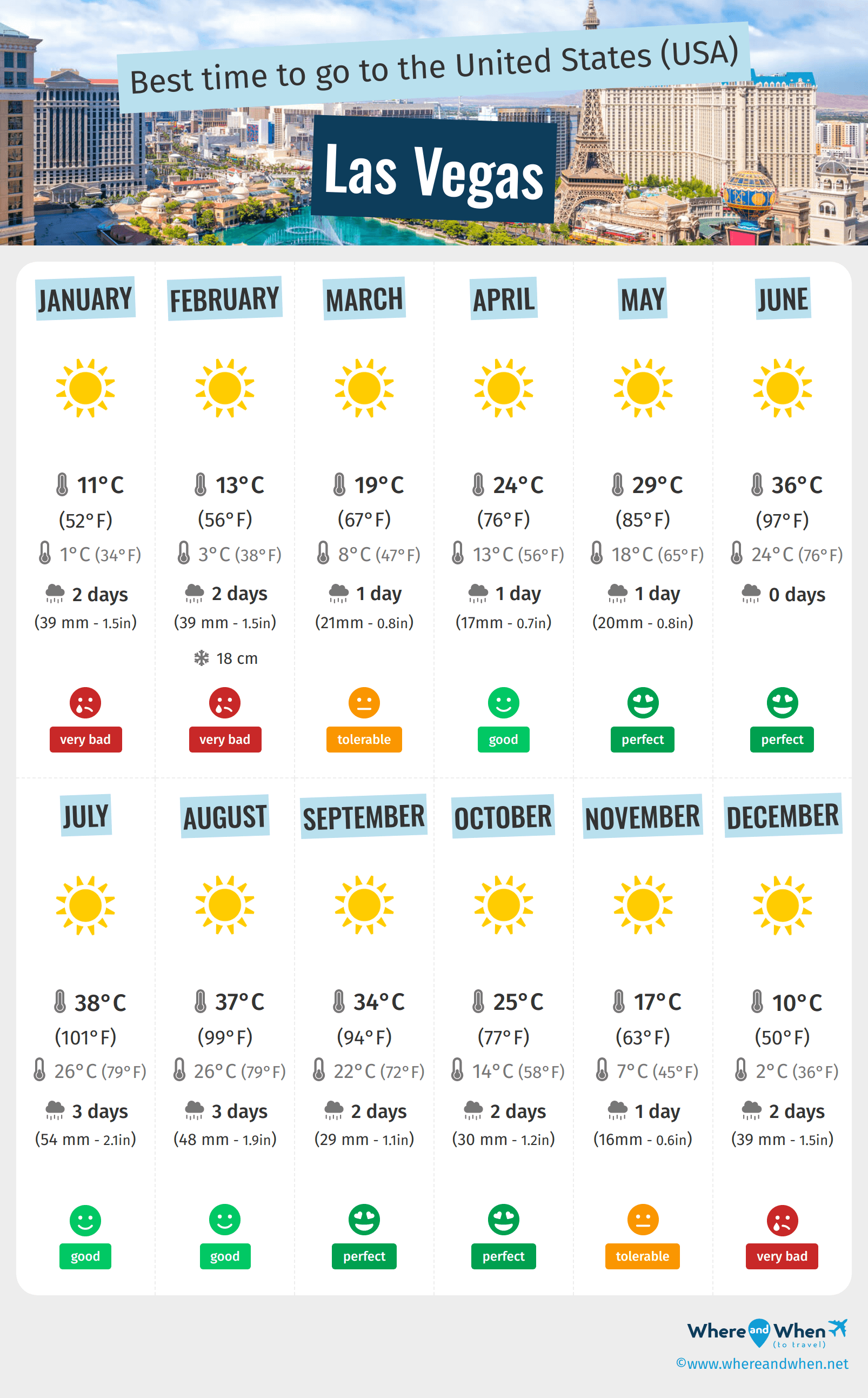
Summer in Las Vegas is an experience of extremes. From June to August, temperatures frequently soar above 100°F (38°C), sometimes peaking at a blistering 115°F (46°C) or higher. While the humidity remains low—often dipping into the single digits—the sun’s intensity is formidable. During these months, the city’s life moves indoors to the climate-controlled environments of the Bellagio or the Caesars Palace.
However, summer is also “Pool Season.” The legendary day clubs and massive resort pool complexes, such as those at the Encore at Wynn Las Vegas, become the primary destinations for visitors. If you are traveling during this window, outdoor activity is best reserved for the very early morning hours or late at night when the concrete jungle finally begins to release its stored heat.
The “Goldilocks” Seasons: Spring and Autumn
For many seasoned travelers, the months of March through May and September through October represent the pinnacle of Las Vegas weather. In the spring, temperatures typically range from the mid-70s to the high 80s (24°C to 31°C). The desert blooms with unexpected colors, making it the perfect time for a day trip to Valley of Fire State Park.
Autumn offers a similar reprieve from the heat. As September gives way to October, the searing temperatures of summer fade into a crisp, comfortable warmth. These months are ideal for walking the length of Las Vegas Boulevard or enjoying al fresco dining at The Venetian. The evening air is particularly refreshing, requiring only a light sweater for comfort.
The Chilly Desert Winters (December through February)
A common misconception is that Nevada is always hot. In reality, winter in Las Vegas can be quite chilly. Daytime highs usually hover around 55°F to 60°F (13°C to 16°C), but once the sun sets over the Spring Mountains, temperatures can drop toward the freezing mark.
Snow is a rarity on the Las Vegas Strip, but it is a common sight on nearby Mount Charleston. Winter visitors often trade their swimsuits for coats and enjoy the festive holiday displays at the Bellagio Conservatory & Botanical Gardens. While the pools are generally closed or heated for hot tub use only, this is the most comfortable time for intensive hiking or golfing at Shadow Creek Golf Creek.
Planning Your Travel Itinerary Around the Elements
When visiting Las Vegas, the weather doesn’t just influence your comfort; it dictates the feasibility of certain attractions and the logistics of your movement between North Las Vegas and the southern end of the city.

Managing the Sun and Hydration
The dry air of Clark County can lead to rapid dehydration and sunburn, even on days that feel relatively mild. The lack of cloud cover means the UV index is consistently high. Professional travel guides often recommend the “rule of the desert”: drink twice as much water as you think you need. When exploring outdoor landmarks like the High Roller Observation Wheel or the Fremont Street Experience in Downtown Las Vegas, sunscreen and hydration are non-negotiable.
The Monsoon Season and Flash Floods
While Las Vegas receives very little annual rainfall—averaging about 4 inches—much of it arrives during the “Southwestern Monsoon” season, typically from July to September. These storms are sudden and violent, characterized by dramatic lightning and heavy downpours. Because the desert ground is hard and non-porous, flash floods are a genuine concern. If you are planning a trip to Hoover Dam or Lake Mead National Recreation Area during this time, it is crucial to monitor local weather alerts and avoid slot canyons if rain is in the forecast.
Wind and Dust Storms
The geography of the Great Basin makes Las Vegas susceptible to high winds, particularly in the spring. These winds can occasionally trigger dust storms, reducing visibility on the Interstate 15 corridor leading toward Los Angeles. For travelers, high winds can also lead to the temporary closure of outdoor attractions, such as the fountains at the Bellagio or gondola rides at The Venetian.
Packing Essentials for a Vegas Vacation
Because Las Vegas weather is a study in contrasts, packing requires a strategic approach. The transition from the 100-degree exterior to the heavily air-conditioned interiors of the MGM Grand can be jarring to the system.
The Summer Kit
If your trip falls between June and August, prioritize lightweight, breathable fabrics like linen and cotton. A wide-brimmed hat and polarized sunglasses are essential for navigating the walk between The Mirage and Caesars Palace. Interestingly, even in summer, a light pashmina or cardigan is recommended for women, and a light jacket for men, as the indoor air conditioning at The Cosmopolitan of Las Vegas is notoriously cool.
The Winter and Shoulder Season Wardrobe
For spring and autumn, the key is layering. A t-shirt may be perfect for a midday stroll past the Eiffel Tower Restaurant, but you will want a jacket by the time the sun sets. For winter visits, do not underestimate the desert cold. A medium-weight coat, scarf, and gloves are necessary if you plan to enjoy the outdoor lights at The Neon Museum or take a late-night helicopter tour over the city.
Footwear for the Desert
Las Vegas involves a surprising amount of walking. The distance between resorts like Wynn Las Vegas and Resorts World Las Vegas can be deceptive. In the summer, heat radiating from the pavement can make thin-soled sandals uncomfortable. Opt for supportive, breathable walking shoes during the day and save the dress shoes for dinner at Hell’s Kitchen.
Leveraging Weather for the Best Experiences
Understanding the nuances of Nevada weather allows you to time your activities for maximum enjoyment.
Best Times for Nature Enthusiasts
If your primary goal is to explore the natural wonders of the American Southwest, timing is everything. A trip to the Grand Canyon (the West Rim is about two hours from the city) is best done in the spring or fall to avoid the summer heat of the canyon floor. Similarly, the colorful sandstone formations of Red Rock Canyon are best explored when temperatures are between 60°F and 80°F.
The Charm of Off-Peak Weather
While summer is peak time for pool parties and winter is popular for New Year’s Eve celebrations, traveling during the “off-weather” months can offer significant benefits. Late January and early February often see lower hotel rates at luxury spots like Waldorf Astoria Las Vegas. While you might not be swimming, the mild daytime temperatures are perfect for sightseeing at The Mob Museum or exploring the artsy corners of the Arts District Las Vegas without the crowds.
Indoor Escapes During Peak Heat
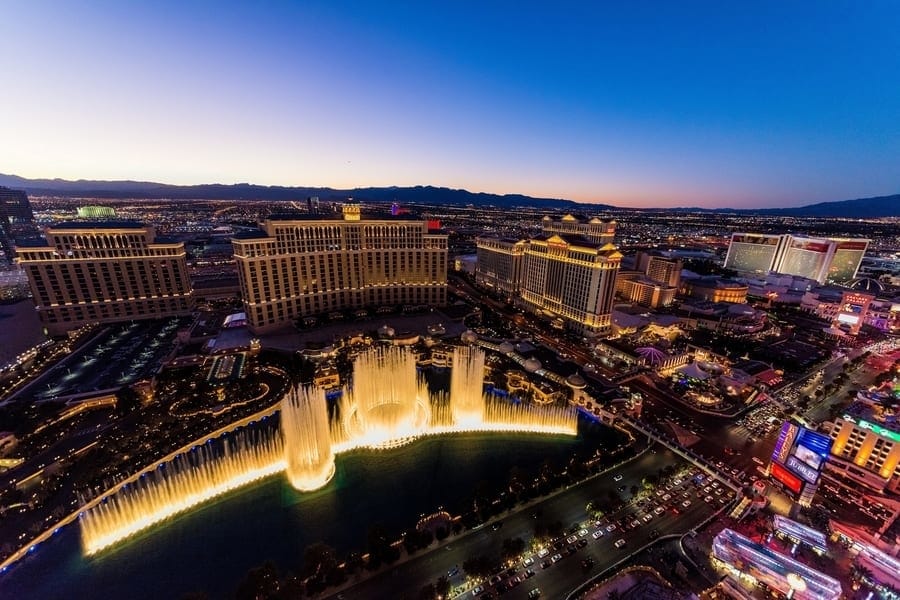
When the Mojave Desert sun is at its zenith, Las Vegas offers an unparalleled array of indoor attractions. You can spend an entire afternoon wandering through the Forum Shops at Caesars, viewing the fine art at the Aria Resort and Casino, or catching a matinee performance of Cirque du Soleil. The city is expertly designed to keep visitors comfortable regardless of the external environment.
In conclusion, the weather in Las Vegas is more than just a backdrop; it is a dynamic participant in the city’s identity. By preparing for the searing sun of summer, the crisp chill of winter, and the occasional drama of a desert monsoon, you can ensure that your Nevada adventure is comfortable, safe, and unforgettable. Whether you are there for the bright lights of Fremont Street or the serene vistas of Lake Mead, knowing what to expect from the sky above will help you make the most of the “Entertainment Capital of the World.”
LifeOutOfTheBox is a participant in the Amazon Services LLC Associates Program, an affiliate advertising program designed to provide a means for sites to earn advertising fees by advertising and linking to Amazon.com. Amazon, the Amazon logo, AmazonSupply, and the AmazonSupply logo are trademarks of Amazon.com, Inc. or its affiliates. As an Amazon Associate we earn affiliate commissions from qualifying purchases.