
When planning a getaway to the sun-drenched shores of Florida, understanding the atmospheric rhythms of Miami is the first step toward a perfect itinerary. Renowned for its tropical monsoon climate, this vibrant metropolis offers year-round warmth, yet the experience of visiting fluctuates significantly based on the season. Whether you are aiming to lounge on South Beach or explore the lush greenery of Fairchild Tropical Botanic Garden, timing your trip according to the weather is essential for maximizing your enjoyment.
The Tropical Seasons: A Year-Round Escape
The climate in Miami is broadly categorized into two distinct seasons: the wet season and the dry season. While the temperatures rarely plummet to uncomfortable levels, the humidity and precipitation levels shift the nature of outdoor activities.
The Dry Season: November to April
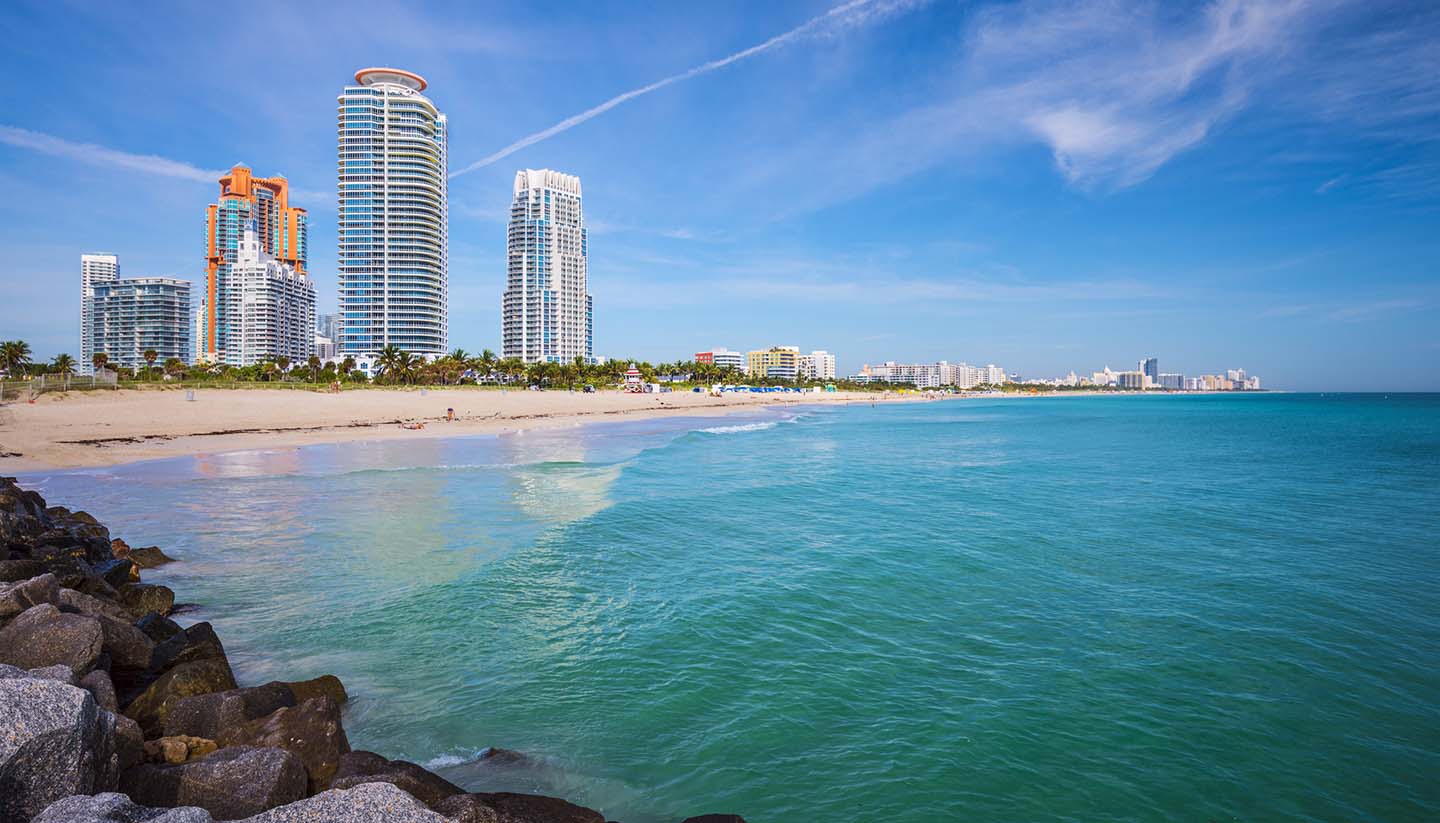
For many travelers, the months spanning from November through April represent the “Goldilocks” period of the United States winter. During this time, the weather is characterized by lower humidity, minimal rainfall, and pleasantly mild temperatures. Average highs typically hover around 75°F to 80°F, creating an ideal environment for walking tours through Art Deco Historic District or dining al fresco on Lincoln Road.
The evenings during these months can bring a crisp, refreshing breeze, particularly near the Atlantic Ocean. It is the prime season for tourists seeking to escape the bitter cold of northern latitudes, making it the busiest period for local attractions.
The Wet Season: May to October
As May arrives, the atmosphere transitions into the true tropical experience. This season is marked by higher humidity and the frequent, albeit usually short-lived, afternoon thunderstorms. June through September can be particularly intense, with temperatures frequently climbing into the high 80s or low 90s.
While the heat may be formidable, this season also showcases the lush, vibrant beauty of the landscape. The rain showers are often heavy but brief, quickly giving way to brilliant sunshine that reflects off the waters of Biscayne Bay. It is a time for those who enjoy water-based activities, as the warmth of the sea remains consistently inviting throughout the summer.
Weather Considerations for Outdoor Exploration
Miami is a city designed for the outdoors, and the weather serves as the gatekeeper for its various experiences. Knowing how to navigate the climate ensures that your plans remain flexible and enjoyable regardless of the forecast.
The Impact of Humidity
The humidity in South Florida is perhaps the most significant factor for visitors to consider. During the peak of summer, the “feels like” temperature can often soar well above the actual thermometer reading due to the moisture in the air. For those planning to visit Everglades National Park, it is vital to prepare for these conditions. Early morning excursions are highly recommended to avoid the midday heat, and staying hydrated is not just a suggestion—it is a necessity for a successful expedition.

Navigating the Hurricane Season
The official Atlantic hurricane season runs from June 1 to November 30. While a direct hit on the city is statistically infrequent, it is a reality of the geography. Most modern travel plans to Miami during these months are rarely disrupted, but savvy travelers often invest in travel insurance during the peak months of August and September. Staying informed via local weather reports allows visitors to enjoy their stay in places like Vizcaya Museum and Gardens with peace of mind.
Seasonal Packing Strategies
Your suitcase should be as adaptable as the Miami weather itself. The key to dressing in this city is mastering the art of layering and choosing breathable fabrics.
Dressing for the Dry Months
During the winter and early spring, pack light layers. While the daytime is perfect for swimwear and linen, the evening temperatures near Ocean Drive can drop enough to require a light sweater or a fashionable blazer. Because this is the peak tourist season, the transition from an air-conditioned museum or gallery to the warm outdoor air happens frequently, making light layers your best defense against feeling too hot or too cold.
Dressing for the Wet Months
In the summer, prioritize moisture-wicking fabrics and loose-fitting clothing. Sandals are generally acceptable everywhere, but having a pair of sturdy, water-resistant walking shoes is helpful for sudden downpours. A high-quality, compact umbrella or a lightweight rain poncho is a must-have accessory, as is a wide-brimmed hat to protect against the Caribbean sun, which remains intense even on cloudy days.
Understanding the Micro-Climates
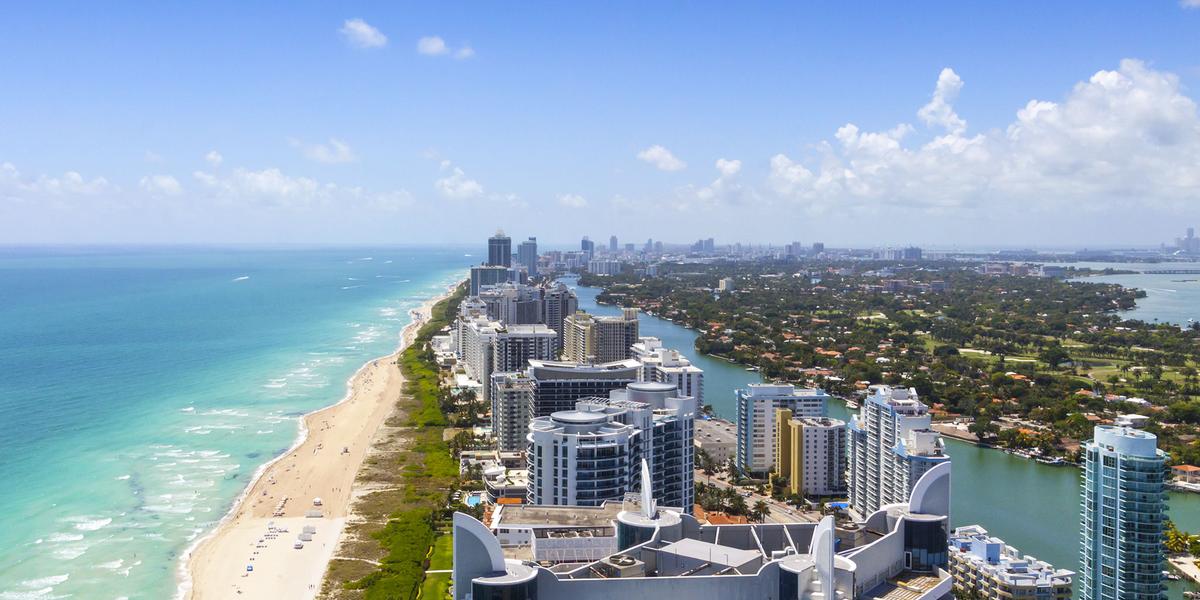
It is a common observation that the weather in Miami can vary by just a few miles. The coastal breeze acts as a natural air conditioner for areas like Miami Beach, keeping the temperature slightly cooler than the inland neighborhoods of Little Havana or Coral Gables.
If you are planning to spend your day at Crandon Park on Key Biscayne, expect a consistent ocean breeze that makes the heat more manageable. Conversely, if you are exploring the streets of the Wynwood Walls in the heart of the city, the lack of immediate proximity to the coastline means the air may feel more stagnant and trapped by the urban landscape. Understanding these subtle differences allows you to curate your day based on the intensity of the heat you prefer.
Why the Weather Makes the City
The allure of Miami is inextricably linked to its climate. The sunshine is a major component of the local lifestyle, fostering a culture of outdoor exercise, late-night gatherings, and a general sense of optimism. From the moment you touch down at Miami International Airport, you can feel the warmth that defines the spirit of this gateway to the Americas.
Whether you find yourself caught in a dramatic summer thunderstorm that cleans the air and leaves the streets smelling fresh, or enjoying a perfectly clear, 75-degree day in February, the weather is part of the story. By respecting the cycles of the seasons and planning your activities with the forecast in mind, you can fully embrace the rhythm of life in this tropical paradise. Ultimately, Miami is a destination that invites you to slow down, breathe the salty air, and enjoy the beauty of a city that lives life outdoors, regardless of the thermometer.
LifeOutOfTheBox is a participant in the Amazon Services LLC Associates Program, an affiliate advertising program designed to provide a means for sites to earn advertising fees by advertising and linking to Amazon.com. Amazon, the Amazon logo, AmazonSupply, and the AmazonSupply logo are trademarks of Amazon.com, Inc. or its affiliates. As an Amazon Associate we earn affiliate commissions from qualifying purchases.