
Montana, the “Big Sky Country,” is renowned for its dramatic landscapes, vast wilderness, and indeed, its distinctive weather patterns. Understanding Montana’s climate is paramount for anyone planning a visit, whether you’re drawn to the towering peaks of the Rocky Mountains, the rolling plains, or the abundant wildlife. The state experiences four pronounced seasons, each offering a unique set of conditions, opportunities, and challenges for travelers. From the crisp, snow-laden winters perfect for skiing and snowshoeing to the warm, sun-drenched summers ideal for hiking and exploring national parks, Montana’s weather is a significant aspect of its allure and a crucial factor in planning any itinerary.
Understanding Montana’s Seasonal Climate
Montana’s continental climate is characterized by significant temperature variations, both seasonally and daily. Its sheer size and varied topography, from the western mountains to the eastern plains, contribute to microclimates that can differ considerably from one region to another. Generally, you can expect warm summers, cold winters, and transitional spring and fall periods. The elevation also plays a substantial role, with higher altitudes experiencing cooler temperatures and more snow.
Summer (June – August)
Summer in Montana is often described as idyllic. Days are long and generally warm to hot, with temperatures in the low to mid-80s Fahrenheit (around 27-30°C) being common in many areas. However, it’s not uncommon for temperatures to reach into the 90s (°F) (above 32°C) during heatwaves. Nights offer a welcome cool down, often dropping into the 40s or 50s Fahrenheit (4-15°C), making for comfortable sleeping conditions. This season is marked by abundant sunshine, though thunderstorms can develop quickly, especially in the mountainous regions. These storms can bring heavy rain, hail, and lightning, so it’s always wise to be prepared. This is the peak season for outdoor activities, with national parks like Glacier National Park and Yellowstone National Park bustling with visitors.
Autumn (September – November)
Fall in Montana is a spectacle of color and a transition to cooler, crisper air. September often retains the warmth of late summer, with daytime temperatures still in the 60s and 70s Fahrenheit (15-25°C). As October arrives, temperatures begin to drop significantly, with averages falling into the 40s and 50s Fahrenheit (4-15°C) during the day. By November, winter’s chill is often making its presence felt, with daytime highs struggling to get above freezing in many areas. This season is known for its brilliant foliage, particularly in the western mountains, and a sense of tranquility as the summer crowds depart. Snowfall can begin as early as October, especially at higher elevations, but widespread accumulation is more typical in November.
Winter (December – February)
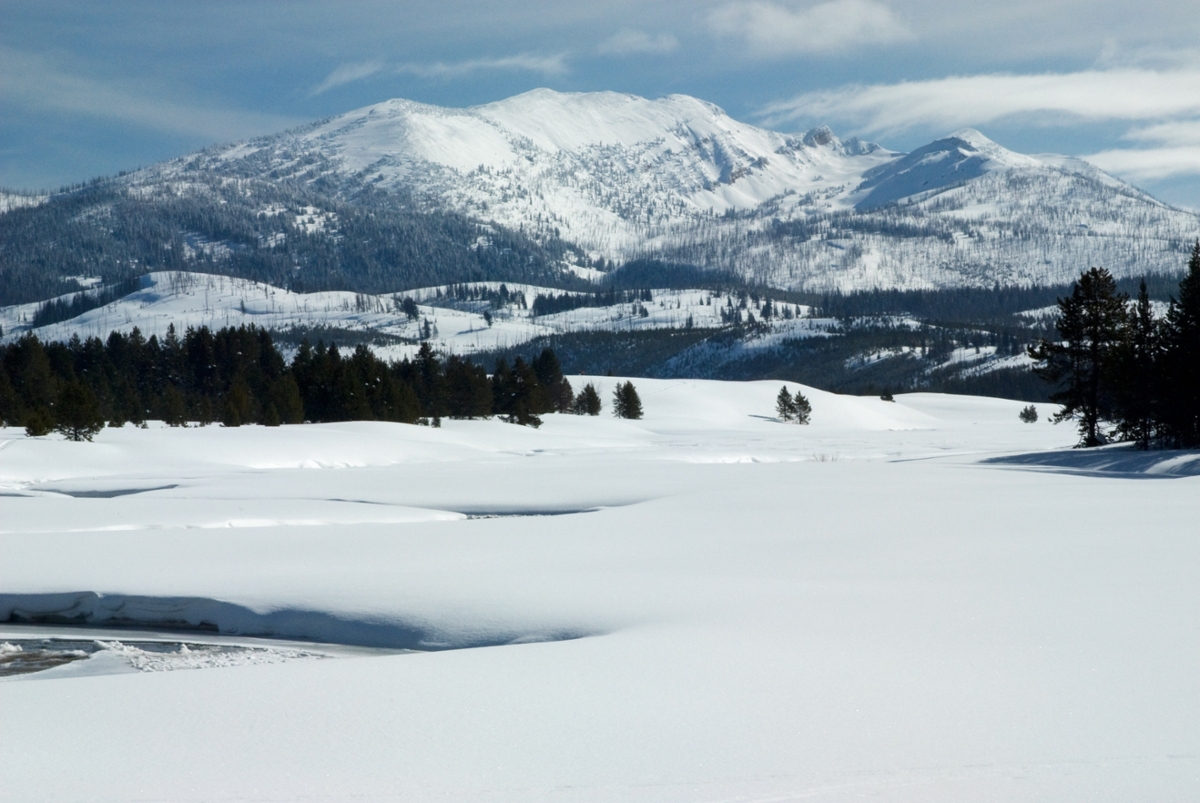
Winter in Montana is undeniably cold and often snowy. Average daytime temperatures hover in the 20s Fahrenheit (around -7 to -1°C), but can easily plummet to 0°F (-18°C) and below, especially during cold snaps. Wind chill factors can make these temperatures feel even more extreme. Snowfall is a defining characteristic of Montana winters, blanketing the landscape and providing opportunities for winter sports. While some areas may receive lighter snow, mountainous regions and ski resorts like Big Sky Resort can experience significant accumulation, often measured in feet rather than inches. Days are short, with limited daylight hours. Despite the cold, the clear, crisp air and the pristine beauty of the snow-covered wilderness are captivating.
Spring (March – May)
Spring in Montana is a season of dramatic change and often unpredictable weather. March can still feel very much like winter, with continued cold temperatures and significant snowfall, particularly in the mountains. However, as April and May arrive, the thaw begins. Temperatures gradually rise, with daytime highs moving into the 40s, 50s, and eventually 60s Fahrenheit (4-20°C) in many regions. This period is characterized by melting snow, leading to muddy conditions and potentially swollen rivers. While the landscape begins to green, late spring snowstorms are not uncommon, especially in higher elevations. This is a transitional period, offering a mix of lingering winter conditions and the first signs of spring’s renewal.
Regional Weather Variations
The vastness of Montana means that weather can differ significantly between its eastern plains and its western mountainous regions. These topographical differences create distinct climatic zones within the state.
Western Montana (Mountains and Valleys)
Western Montana, dominated by the Rocky Mountains, experiences a more varied climate influenced by elevation and topography. Mountainous areas receive considerably more snowfall during winter, supporting world-class ski resorts and making them prime destinations for winter sports enthusiasts. Summers here are generally milder than on the plains, with cooler nights. However, the mountains are also prone to rapid weather changes, with thunderstorms, sudden temperature drops, and snow possible even in summer at higher elevations. Valleys within this region, such as the Bitterroot Valley and the area around Missoula, enjoy a more temperate climate within the western zone, with distinct seasons but moderated by the surrounding mountains.
Eastern Montana (Plains and Prairies)

Eastern Montana is characterized by rolling plains and prairies, which result in a more continental climate with greater temperature extremes. Summers here tend to be hotter and drier than in the west, with frequent sunshine and less humidity. Temperatures can regularly exceed 90°F (32°C). Winters are generally colder and windier, with less snow accumulation compared to the mountains, but the frigid temperatures can be more persistent. The plains are also more susceptible to severe weather events like thunderstorms and occasional tornadoes during the spring and summer months. The open landscape means there is little to break the force of the wind, contributing to the feeling of harshness during winter.
Essential Packing Considerations Based on Weather
Given Montana’s diverse weather, packing strategically is key to enjoying your trip, regardless of the season. Layering is the universal mantra for any visitor.
For Summer Travel
Even in summer, temperatures can fluctuate significantly, especially with elevation changes. Pack lightweight, breathable clothing like t-shirts, shorts, and quick-drying pants. Include a warm fleece or sweater, a waterproof and windproof jacket, and sturdy, comfortable walking or hiking shoes. Don’t forget a hat for sun protection, sunglasses, and high-SPF sunscreen. Evenings can be cool, so a long-sleeved shirt and lighter pants are advisable.
For Winter Travel
Winter in Montana demands serious cold-weather gear. Thermal base layers, insulated mid-layers (like fleece or down), and a heavy, waterproof, and windproof outer jacket are essential. Waterproof insulated pants are a must. Pack warm, waterproof boots with good traction, wool socks, a warm hat that covers your ears, waterproof gloves or mittens, and a scarf or neck gaiter. Consider bringing hand and foot warmers for extreme cold. Even if you’re not participating in winter sports, warm clothing will make your experience much more enjoyable.
For Spring and Autumn Travel
These transitional seasons require flexibility. Pack layers that can be added or removed as needed. This includes long-sleeved shirts, t-shirts, a sweater or fleece, and a waterproof and windproof outer shell. Jeans or comfortable pants are suitable, and sturdy, waterproof footwear is recommended as conditions can be variable, from muddy trails to unexpected snow flurries. Always check the forecast closer to your travel dates for the most accurate guidance.
Planning Your Activities Around the Weather
Montana’s weather is not just a backdrop; it’s an integral part of the experience. Knowing what to expect allows you to plan activities that best suit the conditions and maximize your enjoyment of the “Big Sky Country.”
Summer Adventures
Summer is the prime time for exploring Montana’s vast natural beauty. Glacier National Park offers iconic drives like the Going-to-the-Sun Road, hiking trails through alpine meadows, and opportunities for boating on pristine lakes. Yellowstone National Park is famous for its geothermal wonders like Old Faithful and abundant wildlife. Other popular summer activities include fishing in renowned rivers like the Bighorn River and the Madison River, camping, scenic drives, and visiting charming towns like Bozeman and Whitefish. Be prepared for afternoon thunderstorms, especially in the mountains, and always check park conditions and weather forecasts.
Winter Wonders
When winter blankets Montana in snow, the state transforms into a wonderland for cold-weather enthusiasts. Ski resorts such as Big Sky Resort, Whitefish Mountain Resort, and Bridger Bowl offer exceptional skiing and snowboarding. Beyond downhill sports, opportunities abound for snowshoeing through silent forests, cross-country skiing on groomed trails, ice fishing on frozen lakes, and even dog sledding adventures. Many towns offer cozy lodges and warm restaurants to retreat to after a day in the snow. Driving can be challenging in winter, so always check road conditions and be prepared for winter driving, especially if venturing off main routes.

Spring and Fall Transitions
Spring and fall offer unique experiences for those who appreciate fewer crowds and dramatic natural shifts. In spring, witness the thawing landscapes and the emergence of wildflowers. Rivers become powerful with meltwater, attracting anglers. Fall, on the other hand, is celebrated for its stunning autumn foliage, particularly in the western mountains. It’s an excellent time for hiking and wildlife viewing as animals prepare for winter. However, be prepared for unpredictable weather. Muddy trails are common in spring, and early snow can appear in the fall. Always have flexibility in your itinerary, as weather can influence the accessibility of certain areas or activities.
LifeOutOfTheBox is a participant in the Amazon Services LLC Associates Program, an affiliate advertising program designed to provide a means for sites to earn advertising fees by advertising and linking to Amazon.com. Amazon, the Amazon logo, AmazonSupply, and the AmazonSupply logo are trademarks of Amazon.com, Inc. or its affiliates. As an Amazon Associate we earn affiliate commissions from qualifying purchases.