
Understanding the meteorological patterns of New York is essential for anyone planning a visit to this iconic metropolis. As a city defined by its distinct four-season climate, the experience of exploring the United States cultural capital varies dramatically depending on when you choose to arrive. Whether you are aiming to stroll through Central Park during the bloom of spring or navigate the bustling holiday atmosphere near Rockefeller Center in the depth of winter, knowing what to expect from the sky is the first step in successful trip planning.
The Seasonal Transition: A Guide to New York Climates
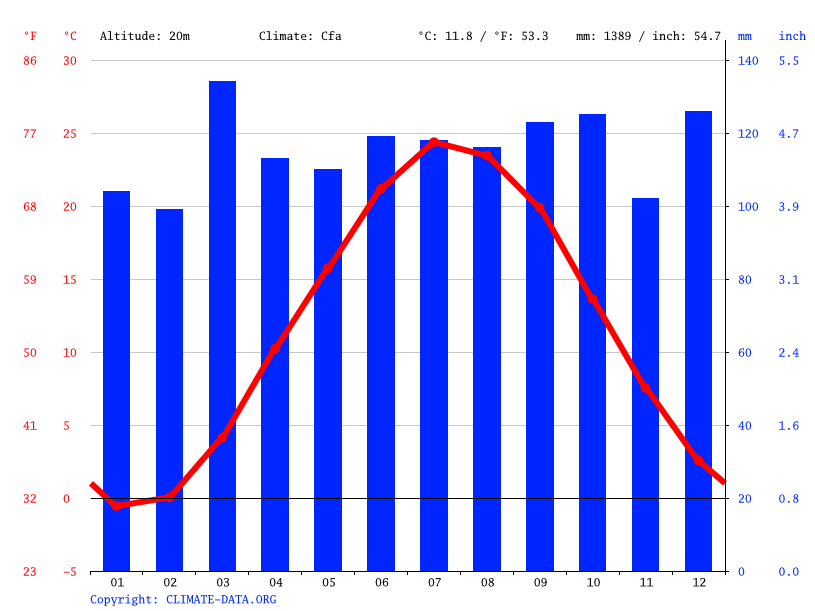
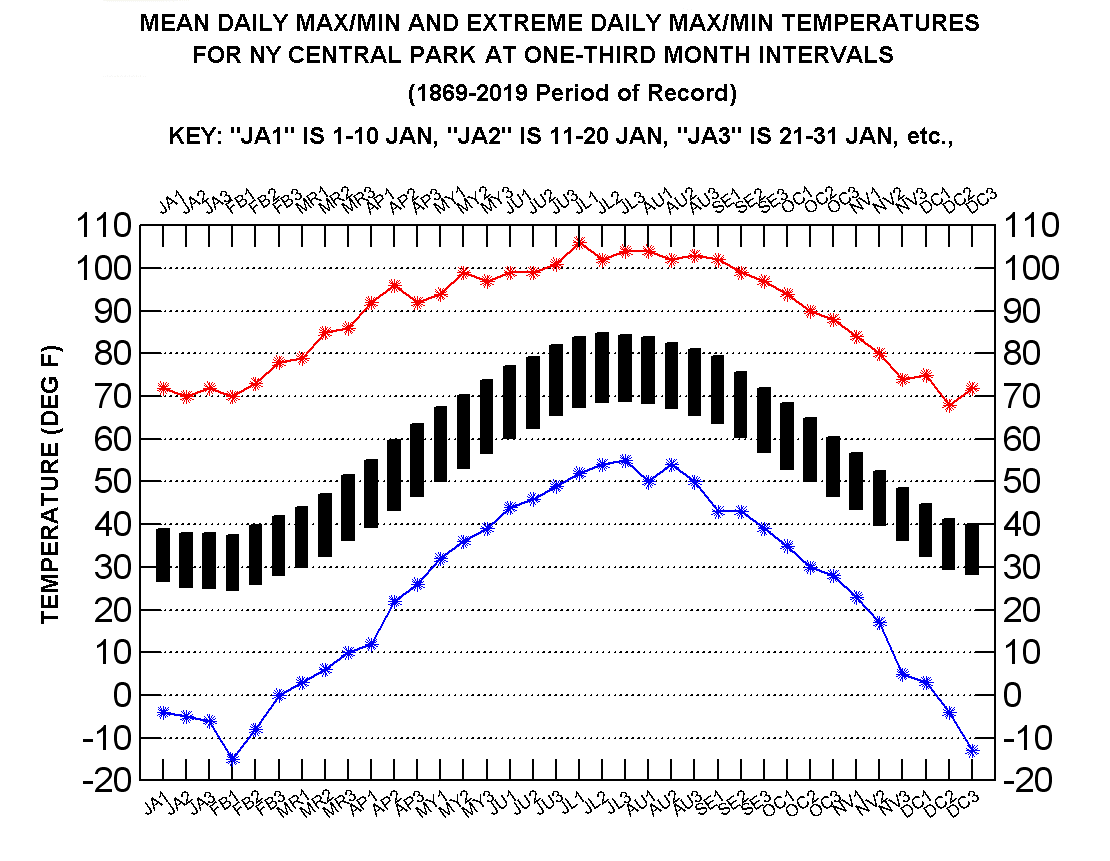
New York City experiences a humid subtropical climate, yet its northern position ensures that winters are cold and snowy, while summers are hot and humid. Because the city is surrounded by water, the ocean acts as a thermal moderator, though the “urban heat island” effect often makes the city center feel warmer than the surrounding suburbs.

Springtime Renewal (March through May)
Spring in the city is a period of transition and unpredictability. In March, temperatures are often cool, with lingering chances of snow or freezing rain. However, by mid-April, the cherry blossoms begin to paint the landscape in shades of pink, signaling the arrival of milder days. Visitors should be prepared for frequent, short-lived spring showers, necessitating a reliable umbrella and waterproof layers. It is the perfect time to explore the High Line as the greenery returns.
The Peak of Summer (June through August)
Summer brings high energy and humidity to the East Coast. July and August are characterized by temperatures frequently climbing into the 80s and 90s Fahrenheit. While these months are perfect for rooftop dining and evening strolls across the Brooklyn Bridge, the midday heat can be intense. Air conditioning is ubiquitous, making indoor attractions like the Metropolitan Museum of Art a popular retreat during peak sunshine hours.
Autumnal Splendor (September through November)
Widely considered the most pleasant season by locals, autumn offers crisp, comfortable weather. The humidity of summer dissipates, replaced by cool, refreshing breezes. October, in particular, is spectacular, with clear blue skies providing a brilliant backdrop for the changing foliage in Prospect Park. By late November, the air takes on a wintry bite, signaling the approach of the festive season.
The Winter Chill (December through February)
Winter is for those who enjoy the romantic allure of a cold-weather city. While temperatures hover around freezing, the city comes alive with holiday lights and the prospect of snow falling over Times Square. January and February are the coldest months, and travelers should pack heavy wool coats, thermal layers, and sturdy, moisture-resistant footwear.
Packing Strategies for Every Weather Pattern
The secret to enjoying a trip to New York State lies in the art of layering. Because the city is highly walkable, you will likely spend significant time outdoors moving between transit hubs like Grand Central Terminal and your destination, while also dipping into heated buildings and stores.
- Footwear: Regardless of the season, comfortable, broken-in walking shoes are mandatory. In the winter, ensure they have good traction for icy patches; in the summer, breathable materials are essential for long days of sightseeing.
- The Layering Rule: A base layer that wicks moisture, a warm middle layer like a sweater or fleece, and an outer shell that blocks wind or rain will carry you through almost any weather condition in the North America region.
- Accessory Essentials: A versatile scarf is a New York staple. It provides warmth in the winter and acts as a stylish accessory during cooler spring or autumn evenings. Sunglasses are necessary year-round, as the reflection of the sun off glass skyscrapers can be quite intense.
Navigating Weather-Related Disruptions
While the weather is generally manageable, the city can occasionally face extreme events that impact travel plans. Understanding how to navigate these moments ensures that your experience remains positive.
Dealing with Extreme Heat
During mid-summer heatwaves, the city activates “Cooling Centers” in public buildings. If you are visiting, prioritize early morning or late evening outdoor activities. Stay hydrated and utilize the extensive underground subway system, which, while warm, keeps you out of direct, blazing sunlight.
Managing Snow and Storms
New York City Department of Sanitation is remarkably efficient at clearing streets after a snowfall. However, heavy winter storms may occasionally delay public transportation or flights. If a major storm is forecasted, keep an eye on official weather alerts and local news outlets. Most museums and entertainment venues, such as those found in Broadway, will remain open unless conditions are truly severe, as the city prides itself on maintaining its momentum.
Seasonal Experiences and How Weather Influences Them
Your choice of season dictates the type of activities you can comfortably enjoy. For instance, dining al fresco is an quintessential Manhattan experience that is best reserved for late spring through early autumn.
If you are planning to visit the Statue of Liberty, remember that the ferry ride can be significantly windier and colder than the surrounding streets, even in shoulder seasons. Always check the wind chill factor before heading to the harbor.
Conversely, indoor cultural immersion is best planned for the depths of winter. A cold, snowy day is the ideal time to lose yourself in the American Museum of Natural History or to attend a long-running theater production. By aligning your itinerary with the seasonal reality of the city, you turn potential weather constraints into atmospheric benefits.
Conclusion: Preparing for the Climate of New York
The weather in this bustling metropolis is part of its identity. It dictates the rhythm of the streets, the fashion of the residents, and the vibrant changing colors of its many parks. By respecting the seasonal shifts and packing appropriately, you can navigate the city with the confidence of a local. Whether you are bracing against a biting wind coming off the Hudson River or enjoying a warm, golden sunset from a rooftop in Queens, the weather is simply the backdrop to the unparalleled excitement that defines a trip to this iconic destination. Always monitor the short-term forecast as your arrival date approaches, as the city’s coastal location can lead to rapid, unexpected changes in atmospheric conditions. With the right gear and a flexible mindset, every season offers a unique and memorable glimpse into the heart of the city.
LifeOutOfTheBox is a participant in the Amazon Services LLC Associates Program, an affiliate advertising program designed to provide a means for sites to earn advertising fees by advertising and linking to Amazon.com. Amazon, the Amazon logo, AmazonSupply, and the AmazonSupply logo are trademarks of Amazon.com, Inc. or its affiliates. As an Amazon Associate we earn affiliate commissions from qualifying purchases.