
Understanding Oklahoma’s Diverse Climate for Travelers
When planning a trip to Oklahoma, understanding its climate is paramount to ensuring a comfortable and enjoyable experience. Often characterized as having a continental climate with subtropical influences, Oklahoma’s weather is as dynamic as its landscape. It’s a state that experiences distinct seasons, each with its own unique meteorological personality. From scorching summers to crisp, cool winters, and the notorious unpredictable nature of its spring and autumn, travelers need to be well-informed to pack appropriately and schedule their activities wisely. The geographical position of Oklahoma in the central United States, away from large bodies of water that might moderate temperatures, contributes to these significant seasonal swings. Furthermore, its location within “Tornado Alley” means that weather can change with remarkable speed, making preparedness a key aspect of any visit. This guide delves into the typical weather patterns across the year, offering insights for those looking to explore the Sooner State.
Seasonal Breakdown of Oklahoma Weather
To truly grasp the weather in Oklahoma, it’s essential to break it down by season. Each period brings its own set of conditions, influencing what visitors can expect and what activities might be most suitable.
Spring: A Season of Transition and Transformation
Spring in Oklahoma, typically from March through May, is a period of dramatic change. It’s often the wettest season, with rainfall increasing significantly after the drier winter months. Temperatures begin to warm considerably, with March still holding the potential for late winter chills, but quickly transitioning to milder days as April and May arrive. Average high temperatures in spring can range from the 60s (°F) in early spring to the 80s (°F) by late May.
However, spring is also famously the most active season for severe weather. Oklahoma’s position within Tornado Alley means that this is the peak time for thunderstorms, hail, and tornadoes. These events can occur with little warning, bringing periods of heavy rain, strong winds, and dramatic lightning displays. While this can be a concern for travelers, it’s also a natural phenomenon that shapes the state’s identity. Parks and outdoor attractions, such as the Arbuckle Mountains or the Wichita Mountains Wildlife Refuge, often burst with vibrant green as vegetation revives, making it a beautiful time to visit for hiking and sightseeing, provided one stays informed about weather forecasts.
Summer: Heat and Humidity Dominate
Summer in Oklahoma, from June through August, is characterized by significant heat and humidity. July and August are typically the hottest months, with average high temperatures frequently reaching into the 90s (°F) and often pushing above 100°F (°F). Low humidity can be a factor in the western parts of the state, offering some relief, but for most of Oklahoma, the air can feel thick and heavy.
Despite the heat, summer is a popular time for outdoor activities. Lakes and rivers, such as Lake Texoma or the Oklahoma River, become prime destinations for swimming, boating, and fishing. Evenings often offer a respite from the daytime heat, with temperatures cooling down, making outdoor dining and exploring cities like Oklahoma City or Tulsa more pleasant. Thunderstorms can still occur during the summer, often in the form of pop-up afternoon storms, which can bring temporary relief from the heat with rain and cooler air. However, these are generally less severe and widespread than the spring storms.
Autumn: A Brief Respite of Pleasant Conditions
Autumn, from September through November, is often considered the most pleasant season for visiting Oklahoma. The oppressive heat of summer begins to subside, giving way to crisp, cool air and sunny days. September can still hold onto some summer warmth, but by October and November, temperatures become ideal for outdoor exploration. Average high temperatures tend to be in the 60s and 70s (°F) in early autumn, dropping into the 50s (°F) by late fall.
This season is perfect for enjoying the state’s natural beauty. The foliage in areas like the Ozark Mountains or the Ouachita Mountains provides a stunning display of colors, making scenic drives and hiking trails particularly appealing. The chance of severe weather decreases significantly compared to spring, though occasional cold fronts can still bring strong winds and cooler temperatures. This period is excellent for exploring attractions like the Philbrook Museum of Art in Tulsa or the historic Colony House in Edmond.
Winter: Cold, but Often Mild with Occasional Extremes
Winter in Oklahoma, from December through February, is typically cold but can vary significantly from year to year. Average high temperatures usually hover in the 40s and 50s (°F), with nighttime lows frequently dipping below freezing. Snowfall is not uncommon, though it is generally light and often melts quickly. However, Oklahoma can experience significant winter storms, including ice storms and heavier snowfalls, which can disrupt travel and daily life. These events are more common in the northern and western parts of the state.
Despite the cold, winter offers a quieter, more relaxed pace for visitors. Cities like Oklahoma City and Tulsa offer a range of indoor attractions, from museums and theaters to dining and shopping experiences. Outdoor activities are less prevalent but not impossible. Some visitors enjoy the stark beauty of the winter landscape, especially if there’s a dusting of snow. The state’s wind can be a significant factor in winter, making even moderately cold temperatures feel much colder.

Regional Variations in Oklahoma’s Weather
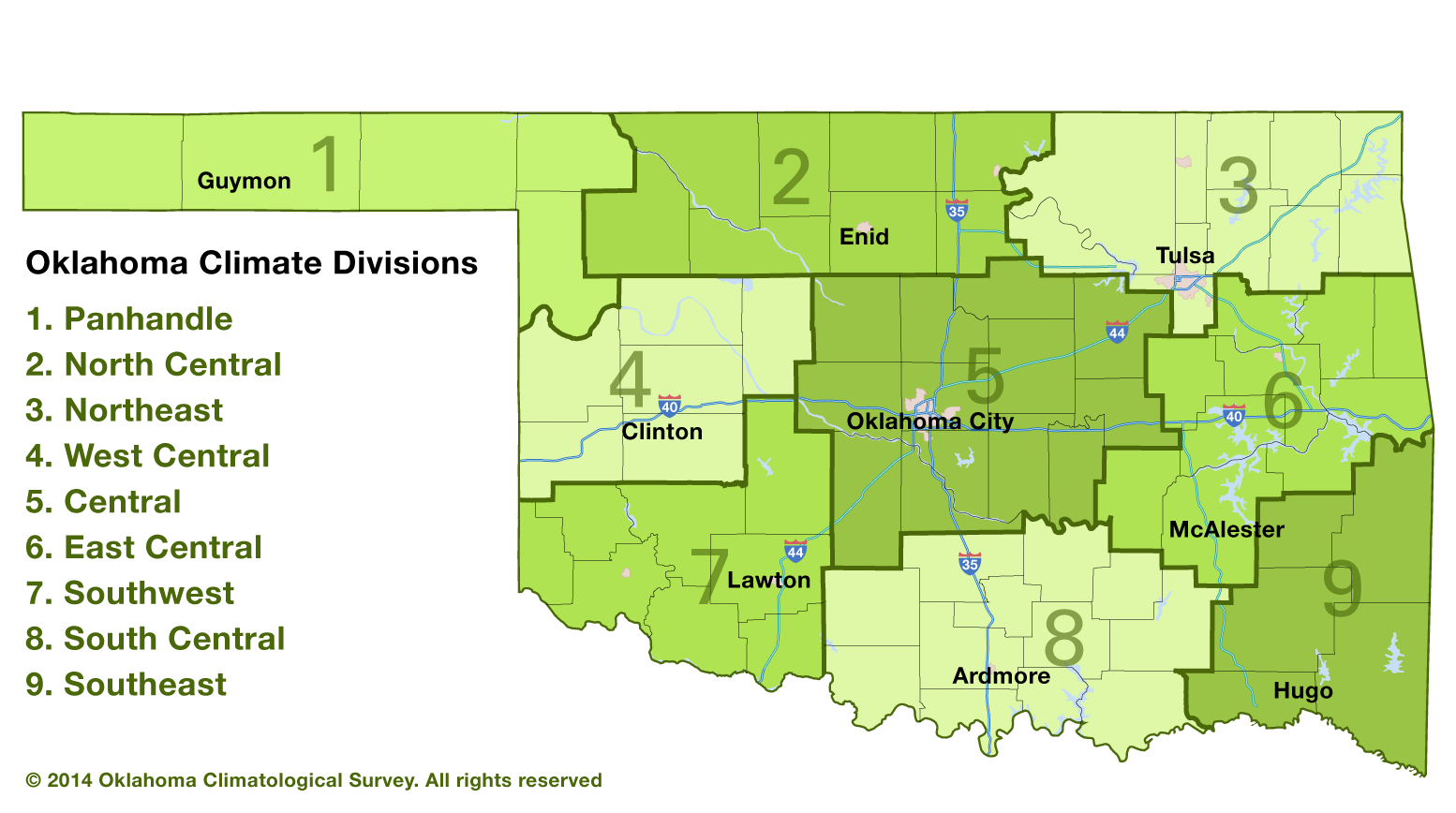
While the general seasonal patterns apply across Oklahoma, there are distinct regional variations that can influence a traveler’s experience. The state’s diverse topography, from the western plains to the eastern hills, plays a role in these microclimates.
The Panhandle and Western Oklahoma: Arid Plains
The Oklahoma Panhandle and much of western Oklahoma experience a more arid climate compared to the eastern parts of the state. Summers here are intensely hot and dry, with prolonged periods of temperatures well above 100°F (°F). Rainfall is less frequent, and droughts can be a significant concern. This region is also prone to strong winds, which can exacerbate the dry conditions and contribute to dust storms, particularly during drier seasons. Winters are cold, with temperatures frequently dropping below freezing, and the potential for snow is higher than in the south. Attractions in this region, such as Black Mesa State Park, require visitors to be prepared for extreme temperatures and dry conditions.
Central Oklahoma: The Transitional Zone
Central Oklahoma, including the metropolitan areas of Oklahoma City and its surrounding communities, represents a transitional zone between the drier west and the more humid east. This region experiences the full spectrum of Oklahoma’s weather, including the most significant risk of severe thunderstorms and tornadoes during the spring. Summers are hot and humid, while winters are cold with a chance of snow and ice. The milder temperatures of spring and autumn make this a popular time to visit for events like the Oklahoma City Memorial Marathon or exploring the Myriad Botanical Gardens.
Eastern Oklahoma: Humid Subtropical Influences
Eastern Oklahoma, particularly the Ozark and Ouachita regions, has a climate that leans more towards humid subtropical. Summers here are hot and humid, with higher rainfall totals than the western parts of the state. The increased moisture supports denser vegetation, making this area lush and green for much of the year. Spring can bring significant rainfall, contributing to the beauty of the rolling hills and forests. Winters are generally milder than in the west, with less frequent and less severe snow and ice events, though cold snaps still occur. This region is ideal for exploring state parks and enjoying outdoor activities when the weather is favorable, especially during the beautiful fall foliage season.
Preparing for Oklahoma’s Weather: Tips for Travelers
To make the most of your visit to Oklahoma, proactive preparation for its unique weather patterns is key. This involves understanding the potential for dramatic shifts and packing accordingly.
Essential Packing List
Regardless of the season, a few items should always be on your packing list for Oklahoma:
- Layers: The ability to add or remove clothing is crucial. Lightweight, breathable layers are ideal for warmer months, while warmer sweaters and jackets are essential for cooler periods.
- Rain Gear: A waterproof jacket and umbrella are indispensable, especially during spring and summer, when sudden thunderstorms are common.
- Sun Protection: Sunscreen, a wide-brimmed hat, and sunglasses are vital year-round, as even on cooler days, the sun can be intense, particularly in the western plains.
- Comfortable Footwear: Whether you’re exploring urban areas or hiking trails, comfortable walking shoes are a must. Waterproof boots are advisable for wetter seasons.
- Durable Outerwear: For winter travel, a warm, windproof coat is essential. Consider waterproof gloves and a warm hat.

Staying Informed About Weather Conditions
The most critical aspect of navigating Oklahoma’s weather is staying informed.
- Weather Apps and Websites: Utilize reputable weather forecasting services for real-time updates. Many offer alerts for severe weather.
- Local News: Tune into local television or radio stations for weather reports and advisories, especially during periods of predicted severe weather.
- Traveler Alerts: Be aware of any travel advisories issued by state or local authorities, particularly during significant weather events.
- Flexibility: Be prepared to adjust your itinerary. If severe weather is forecast, consider indoor activities or rescheduling outdoor excursions. For example, if a storm rolls in while you’re near Oklahoma City, perhaps a visit to the National Cowboy & Western Heritage Museum would be a suitable alternative to a planned hike.
By understanding the nuances of Oklahoma’s climate and preparing diligently, travelers can embrace the full beauty and adventure that this diverse state has to offer, from the vast plains to the verdant eastern hills.
LifeOutOfTheBox is a participant in the Amazon Services LLC Associates Program, an affiliate advertising program designed to provide a means for sites to earn advertising fees by advertising and linking to Amazon.com. Amazon, the Amazon logo, AmazonSupply, and the AmazonSupply logo are trademarks of Amazon.com, Inc. or its affiliates. As an Amazon Associate we earn affiliate commissions from qualifying purchases.