
Seattle, Washington, a city famously cradled by Puget Sound and embraced by the Olympic and Cascade Mountains, is often synonymous with a certain atmospheric mystique. The moniker “Emerald City” conjures images of lush greenery, frequently moistened by a gentle, persistent drizzle. However, to paint Seattle’s weather with such a singular brushstroke would be to overlook the city’s nuanced climatic character. While the rain is indeed a defining feature, understanding Seattle’s weather requires a deeper dive into its distinct seasons, microclimates, and the subtle shifts that can transform a grey day into a sun-drenched panorama.
Understanding Seattle’s Climate: The Rain Shadow Effect and Pacific Influence
Seattle’s weather is largely dictated by its geographical position in the Pacific Northwest. The prevailing westerly winds, carrying moisture from the Pacific Ocean, are a primary influence. However, the city benefits from the Olympic Mountains’ rain shadow effect. As moist air from the ocean rises over the mountains to the west, it releases a significant portion of its precipitation on the western slopes. By the time the air descends eastward towards Seattle, it is considerably drier, leading to Seattle receiving less rainfall than many might assume.
This phenomenon is a key reason why Seattle often experiences what locals term “liquid sunshine”—a persistent but often light mist or drizzle rather than torrential downpours. This contrasts sharply with cities on the western side of the Olympic Peninsula, which can receive substantially more rainfall. Despite this, the cloud cover remains a dominant characteristic for much of the year, contributing to the city’s verdant landscape and influencing its unique lifestyle.
The Distinct Seasons of Seattle
Seattle experiences four discernible seasons, each offering a unique atmospheric experience for visitors and residents alike.
Spring: A Gradual Awakening
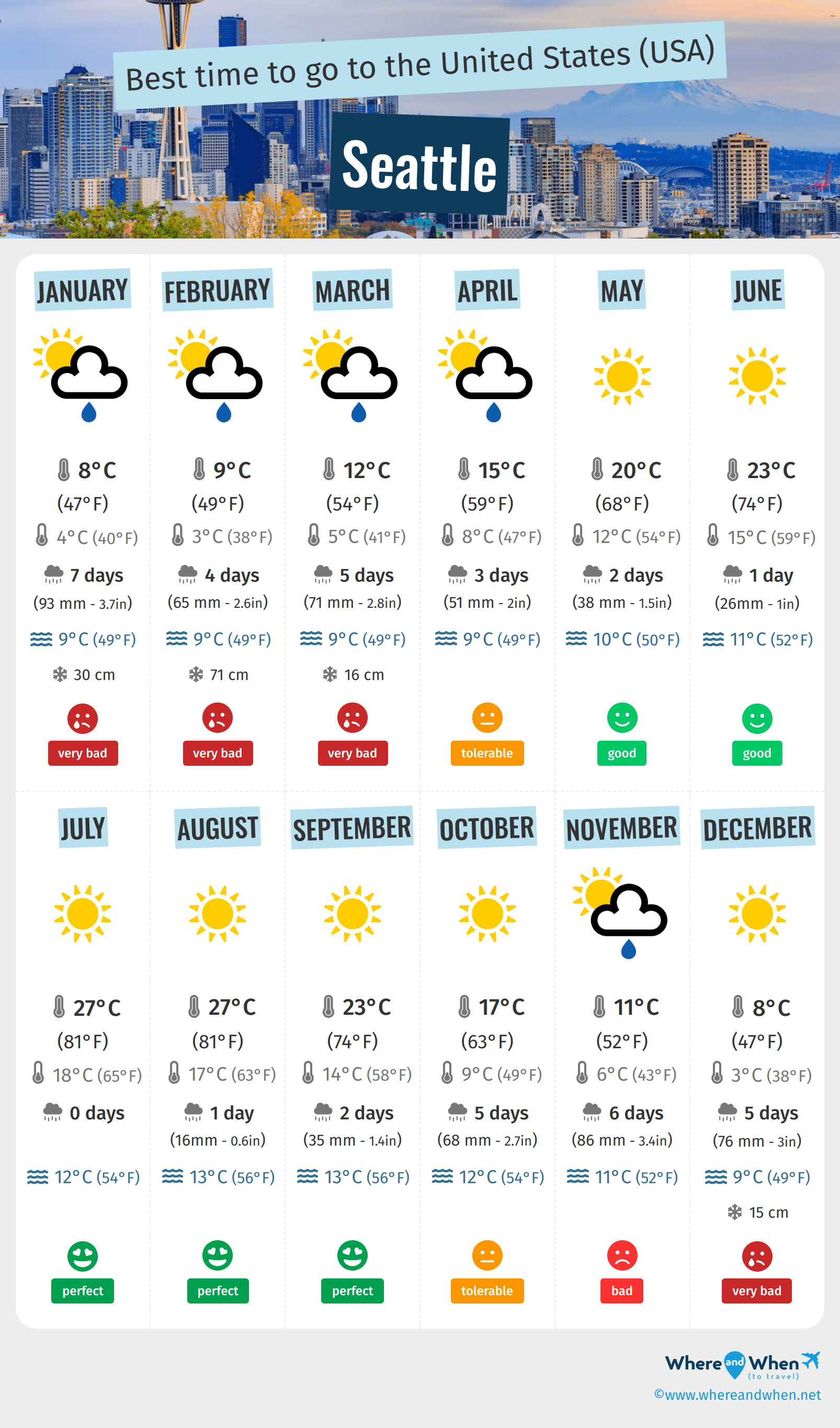
Spring in Seattle, typically from March through May, is a season of transition. The early weeks can still bear the chill and dampness of winter, with temperatures hovering in the 40s and 50s Fahrenheit. However, as April and May approach, the city begins to shed its winter coat. Days lengthen, and the sun, though often shy, starts to make more frequent appearances. Rainfall remains a possibility, but the persistent, soaking rains of winter often give way to brighter, more intermittent showers.
The average high temperatures in spring climb from the low 50s in March to the mid-60s by May. Spring is a beautiful time to explore Seattle’s parks, such as Discovery Park or the Washington Park Arboretum, as the city bursts into bloom. Cherry blossoms, rhododendrons, and countless other flowers transform the landscape into a vibrant spectacle. The air is fresh, and there’s a palpable sense of renewal throughout the city.
Summer: The Sun-Drenched Interlude
The period from June through August is often considered Seattle’s most idyllic. The summer months are characterized by mild temperatures, significantly reduced rainfall, and long daylight hours. Highs typically range from the mid-70s to the low 80s Fahrenheit, with very few days exceeding the 90s. This is the time when Seattle truly shines, offering clear skies and a comfortable, dry warmth.
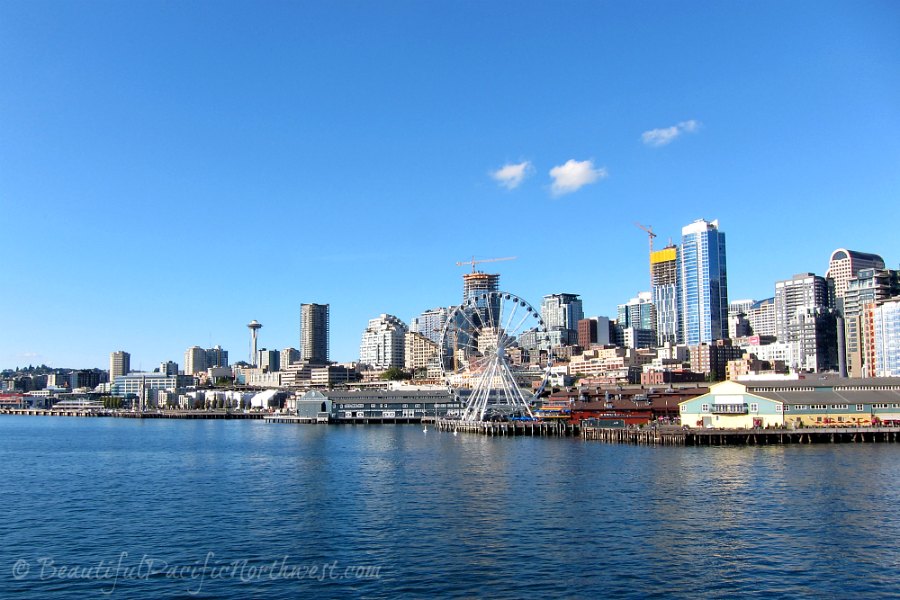
This season is perfect for outdoor activities. Exploring Pike Place Market is a delight under the summer sun, as are boat tours on Puget Sound or visits to Alki Beach. The iconic Space Needle offers unparalleled panoramic views on clear summer days, showcasing the city against the backdrop of snow-capped mountains. While summer is generally dry, occasional heatwaves can occur, but they are usually short-lived. Evenings remain pleasant, ideal for enjoying the city’s vibrant outdoor dining scene or catching a concert at a venue like the Marymoor Park Concerts.
Autumn: A Colorful Descent
As September arrives, the vibrant energy of summer begins to mellow into the rich hues of autumn. September and October typically offer a delightful transition, with temperatures remaining mild and daylight hours gradually decreasing. Rainfall begins to increase, marking the city’s return to its more characteristic dampness.
High temperatures in early autumn can still reach the 70s, but by November, they often settle into the 50s. The fall foliage in Seattle is a sight to behold, with parks and tree-lined streets erupting in shades of red, orange, and yellow. Visiting Volunteer Park or taking a scenic drive through the surrounding areas offers stunning autumnal vistas. The cozy ambiance of Seattle’s coffee shops becomes even more inviting as the weather turns cooler and damper.
Winter: The Season of Mist and Mildness
Seattle’s winters, from December through February, are not characterized by harsh blizzards or extreme cold, but rather by cool temperatures, overcast skies, and frequent rain. Average high temperatures hover in the low to mid-40s Fahrenheit, with nighttime lows rarely dipping below freezing. Snowfall is infrequent and usually light, often melting within a day or two.
The defining feature of a Seattle winter is the persistent cloud cover and drizzle. This “grey” weather contributes to the city’s lush greenery and provides a cozy backdrop for indoor activities. Visiting museums like the Museum of Pop Culture (MoPOP) or exploring the indoor markets and shops offers excellent ways to spend time. While outdoor exploration might be less appealing on some days, the moody atmosphere can be incredibly charming, especially when combined with the festive lights of the holiday season.
Navigating Seattle’s Microclimates and Weather Anomalies
Beyond the general seasonal patterns, Seattle’s weather can exhibit subtle variations due to its varied topography and proximity to large bodies of water.
The Sound and the Hills
Areas closer to Puget Sound, such as those along the western edge of the city, can experience slightly cooler temperatures and more consistent sea breezes, particularly in the summer. Conversely, neighborhoods situated on higher ground or further inland might experience slightly warmer temperatures, especially during summer heatwaves. The presence of Lake Washington to the east also plays a role, influencing local wind patterns and precipitation.
Fog and Haze
While not as notorious as San Francisco’s fog, Seattle can experience periods of fog, particularly during the cooler months and in the early morning. This is often most noticeable in low-lying areas and near the waterfront. Similarly, during dry spells in summer, wildfire smoke from distant regions can occasionally drift into the Puget Sound basin, impacting air quality and creating hazy skies, though this is less common than the natural cloud cover.
Packing for Seattle: A Layered Approach
Understanding Seattle’s weather is key to packing appropriately for a visit. The overarching advice is to embrace layering.
Essential Items
- Waterproof Outerwear: A good quality, waterproof and windproof jacket is non-negotiable, regardless of the season. A hood is highly recommended.
- Comfortable Footwear: Waterproof shoes or boots are essential for navigating potentially wet streets and trails.
- Layers: Pack a mix of short-sleeved shirts, long-sleeved shirts, sweaters, and fleece. This allows you to adjust to changing temperatures throughout the day.
- Umbrella: While many Seattleites opt for hoods, a compact umbrella can be useful for brief showers.
- Sun Protection (Summer): Even with milder temperatures, sunscreen, sunglasses, and a hat are important for sunny summer days.
Seasonal Considerations
- Spring/Autumn: Focus on mid-weight layers, a waterproof jacket, and comfortable, water-resistant shoes. Scarves and light gloves can also be beneficial.
- Summer: Lighter layers are sufficient, but always pack a jacket for cooler evenings or unexpected changes. Sun protection is key.
- Winter: Heavier layers, including a warm sweater and potentially thermal base layers, are advisable. Waterproof footwear and a warm, waterproof jacket are paramount.
By being prepared for the city’s characteristic blend of moisture and mildness, visitors can fully embrace all that Seattle has to offer, from its vibrant urban core to its stunning natural surroundings, no matter the season. The weather, rather than being a deterrent, becomes an integral part of the Seattle experience, shaping its landscape, its culture, and its appeal.
LifeOutOfTheBox is a participant in the Amazon Services LLC Associates Program, an affiliate advertising program designed to provide a means for sites to earn advertising fees by advertising and linking to Amazon.com. Amazon, the Amazon logo, AmazonSupply, and the AmazonSupply logo are trademarks of Amazon.com, Inc. or its affiliates. As an Amazon Associate we earn affiliate commissions from qualifying purchases.