
Tampa, Florida, beckons travelers with its vibrant energy, sun-drenched beaches, and a diverse array of attractions. Understanding the weather patterns of this Gulf Coast gem is paramount for planning a truly memorable visit. Whether you’re dreaming of a leisurely stroll along the waterfront, an exciting day at an amusement park, or a relaxing escape to a pristine beach, knowing what to pack and what to expect weather-wise will enhance your experience immeasurably. Tampa’s climate is characterized by its subtropical nature, offering a distinct rhythm of seasons that influence every aspect of a visit, from the outdoor activities available to the best times to experience its unique charm.
Understanding Tampa’s Climate: A Seasonal Overview
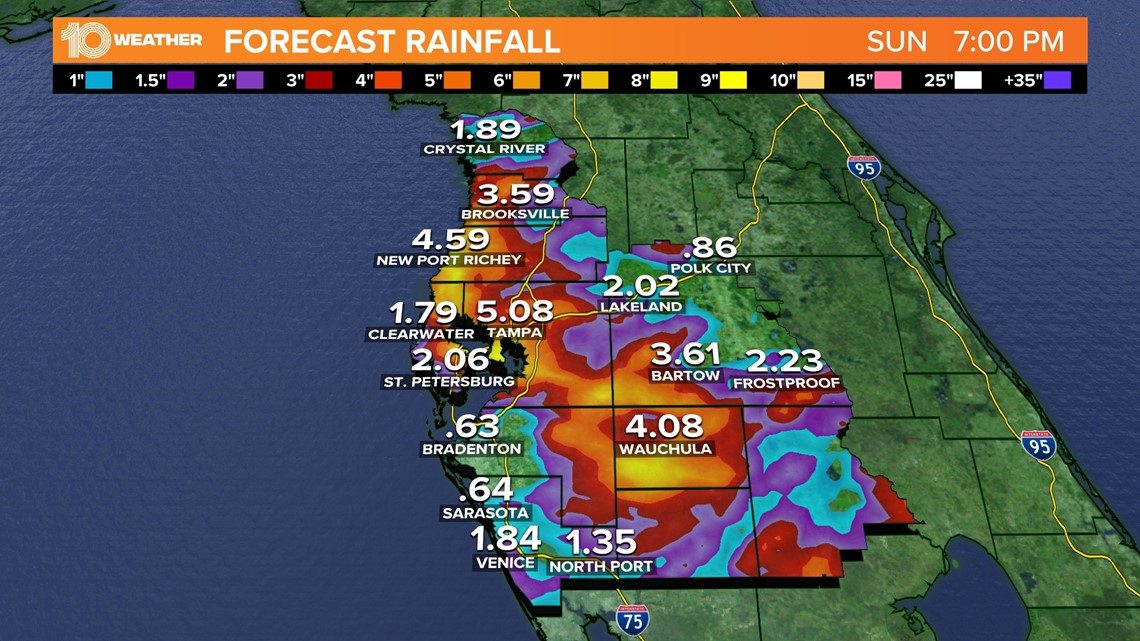
Tampa’s weather is broadly divided into two main seasons: a hot and humid wet season and a warm and dry season. This distinction is crucial for any traveler aiming to optimize their itinerary and enjoy the city’s offerings to their fullest. The subtropical climate ensures that even the “cooler” months are generally mild, making it an attractive destination year-round. However, significant differences in temperature, humidity, and precipitation mark the transition between these periods.
The Hot and Humid Wet Season (June to September)
This period is synonymous with summer in Tampa. Expect high temperatures consistently in the high 80s and low 90s Fahrenheit (around 31-33°C), often feeling even hotter due to the significant humidity. Rainfall is abundant, typically occurring in the form of afternoon thunderstorms. These storms are often intense but usually brief, providing a temporary respite from the heat before the sun returns. While the humidity can be substantial, the lush greenery and vibrant atmosphere of the city are at their peak during these months.
Key characteristics of the wet season:
- Temperatures: Consistently high, with average highs in the upper 80s to low 90s F (31-33°C). Nights offer little relief, with lows often in the mid-70s F (around 24°C).
- Humidity: High, contributing to the “feels like” temperature being considerably warmer than the actual air temperature.
- Precipitation: Frequent, usually in the form of daily afternoon thunderstorms. While heavy, they are typically short-lived.
- Sunshine: Plenty of sunshine, interspersed with the passing storms.
The Warm and Dry Season (October to May)
This is often considered the prime season for visiting Tampa. The oppressive humidity of the summer months subsides, replaced by pleasant, comfortable conditions. Temperatures are milder, with daytime highs typically ranging from the mid-60s to the mid-70s Fahrenheit (around 18-24°C) in the cooler months and climbing into the 80s F (around 27-32°C) as spring approaches. Rainfall is significantly less frequent, and sunny days are the norm. This season is ideal for outdoor exploration, enjoying the beaches, and participating in various events and festivals that dot the Tampa calendar.
Key characteristics of the dry season:
- Temperatures: Milder and more comfortable. Winter months (December-February) see average highs in the mid-60s to low 70s F (18-22°C), with occasional cooler days. Spring (March-May) brings warmer temperatures, with highs frequently reaching the 80s F (27-32°C).
- Humidity: Significantly lower than in the summer, making outdoor activities much more enjoyable.
- Precipitation: Scarce, with far fewer rainy days. When rain does occur, it is typically light and brief.
- Sunshine: Abundant sunshine is characteristic of this period, perfect for exploring the city and its surroundings.
Planning Your Visit: Weather Considerations by Month
While Tampa offers year-round appeal, understanding the nuances of each month can help you tailor your trip for optimal enjoyment.
Spring (March – May): A Transition to Warmth
Spring in Tampa is a delightful time to visit. The lingering pleasant temperatures of winter give way to steadily warming weather, with increasing sunshine and lower humidity than the summer months. March and April still carry a hint of winter’s mildness, while May begins to feel decidedly like summer.
- March: Expect comfortable highs in the low to mid-70s F (21-24°C) and lows in the 50s F (10-15°C). Humidity is still relatively low.
- April: Temperatures climb into the mid-70s to low 80s F (24-28°C), with pleasant evenings.
- May: The weather starts to heat up, with average highs reaching the upper 80s F (30-32°C). Humidity begins to increase, and the possibility of afternoon showers emerges.
This is an excellent time for outdoor activities like exploring Ybor City or enjoying Busch Gardens Tampa Bay.
Summer (June – September): Embracing the Heat and Humidity

Summer in Tampa is undeniably hot and humid, but also incredibly vibrant. This is the time for embracing the water, whether it’s at Adventure Island water park, the nearby Clearwater Beach, or simply by enjoying the air-conditioned attractions. The daily thunderstorms, while sometimes intense, are part of the tropical experience and often bring a dramatic visual spectacle.
- June, July, August: These are the peak summer months, with average highs consistently in the low 90s F (33-34°C) and lows in the mid-70s F (24-26°C). Humidity levels are high. Afternoon thunderstorms are a daily occurrence.
- September: The heat and humidity persist, though a slight decrease in temperature and thunderstorm frequency might be observed towards the end of the month.
Despite the heat, summer is a popular time for families and those seeking a classic beach vacation experience. Remember to stay hydrated and take advantage of indoor attractions during the hottest parts of the day.
Fall (October – November): A Gentle Cool Down
As the calendar turns to fall, Tampa experiences a welcome shift towards cooler and drier weather. The oppressive humidity of summer dissipates, making way for comfortable temperatures and plentiful sunshine. This is arguably one of the most pleasant times to visit.
- October: Highs typically range from the mid-70s to low 80s F (24-28°C), with cooler evenings. Humidity drops noticeably.
- November: Temperatures continue to cool, with average highs in the low to mid-70s F (21-24°C) and lows in the 50s F (10-15°C). Rainfall is minimal.
Fall is ideal for exploring the Florida Aquarium or enjoying outdoor dining and festivals.
Winter (December – February): Mild and Sunny Escapes
Tampa’s winters are remarkably mild, offering a stark contrast to the colder climates experienced elsewhere in the United States. Snowfall is virtually non-existent, and freezing temperatures are rare. This season is perfect for visitors seeking to escape the winter chill and enjoy outdoor activities without the intense heat and humidity of the summer months.
- December, January, February: Average highs hover in the mid-60s to low 70s F (18-22°C), with occasional cooler days where temperatures might dip into the 50s F (10-15°C). Nights can be cool, with lows sometimes in the 40s F (4-9°C).
Winter is a fantastic time for visiting The Tampa Riverwalk, exploring the historic Henry B. Plant Museum, or enjoying a round of golf at one of the many local courses.
Packing Essentials for Tampa’s Climate
Regardless of when you visit, packing appropriately is key to enjoying your time in Tampa.
For the Wet Season (June – September):
- Lightweight, breathable clothing: Cotton and linen are your friends. Think shorts, t-shirts, sundresses, and light, quick-drying fabrics.
- Rain gear: A lightweight, packable umbrella and a waterproof or water-resistant jacket are essential for those afternoon downpours.
- Swimwear: You’ll want to hit the water, whether it’s a pool, a water park like Adventure Island, or the Gulf.
- Comfortable, waterproof footwear: Sandals and water shoes are ideal. Consider sneakers that can handle getting damp.
- Sun protection: Wide-brimmed hats, sunglasses, and high SPF sunscreen are non-negotiable.
- Insect repellent: Especially for evenings, as mosquitoes can be prevalent during humid periods.
For the Dry Season (October – May):
- Layering is key: While generally warm, mornings and evenings can be cooler, especially in the winter months. Pack light sweaters, long-sleeved shirts, and perhaps a light jacket.
- Casual daytime attire: Shorts, capris, t-shirts, and light dresses are perfect for exploring.
- Slightly dressier options: For evenings out in areas like Channelside or Hyde Park Village.
- Comfortable walking shoes: You’ll likely be doing a lot of exploring on foot.
- Swimwear: Even in the cooler months, the sun can be warm enough for a dip, especially at resorts or during warmer spells.
- Sun protection: Still important, as the Florida sun is strong year-round.

Tips for Navigating Tampa’s Weather
- Stay hydrated: This is crucial year-round, but especially during the hot and humid summer months. Carry a reusable water bottle.
- Monitor weather forecasts: While general patterns are predictable, individual days can vary. Check the forecast daily to adjust your plans.
- Embrace the afternoon showers: In the wet season, don’t let the possibility of a brief downpour deter your plans. Often, storms pass quickly, leaving behind cooler, fresher air.
- Utilize indoor attractions: Tampa offers a wealth of indoor activities, from museums like the Tampa Museum of Art to shopping centers and the numerous attractions at Busch Gardens Tampa Bay, providing excellent options for days with inclement weather.
- Consider travel insurance: Particularly if traveling during hurricane season (June 1st to November 30th), having travel insurance can provide peace of mind.
By understanding and preparing for Tampa’s unique weather patterns, you can ensure your visit is filled with sunshine, fun, and unforgettable experiences, no matter the season.
LifeOutOfTheBox is a participant in the Amazon Services LLC Associates Program, an affiliate advertising program designed to provide a means for sites to earn advertising fees by advertising and linking to Amazon.com. Amazon, the Amazon logo, AmazonSupply, and the AmazonSupply logo are trademarks of Amazon.com, Inc. or its affiliates. As an Amazon Associate we earn affiliate commissions from qualifying purchases.