
The Enormous Scale of Hospitality: Defining “Biggest”
When pondering the question “What is the world’s biggest hotel?”, the immediate thought often drifts to sheer physical size. However, in the realm of hospitality, “biggest” can be interpreted through several lenses, each offering a unique perspective on the colossal scale of modern accommodation. While the footprint of a building is a primary consideration, capacity – the number of rooms available – is arguably the most common and impactful metric for defining a hotel’s magnitude. Beyond rooms, however, one might consider the sheer number of staff employed, the vastness of its facilities, or even its economic impact on the surrounding region. For the purpose of this exploration, we will primarily focus on the number of guest rooms as the definitive measure of a hotel’s size, as this directly correlates to its ability to house the largest number of travelers. This metric allows for a quantifiable comparison and truly highlights the gargantuan establishments that cater to mass tourism and global events.
Room Count: The Primary Benchmark
The universally accepted method for ranking the world’s largest hotels is by the total number of guest rooms they offer. This figure is not only a testament to the architectural and operational capabilities of the hotel but also an indicator of its capacity to serve a significant influx of guests. A hotel with thousands of rooms is not merely a place to sleep; it’s a self-contained ecosystem designed to manage and cater to a small city’s worth of people. This focus on room count allows for a clear hierarchy and identifies the true titans of the hotel industry, those that redefine what it means to accommodate large numbers of people under one roof.
Beyond Rooms: Other Metrics of Scale
While room count is paramount, other factors contribute to a hotel’s perception of scale. The total area of the complex, including convention centers, dining venues, recreational facilities, and back-of-house operations, plays a significant role. For instance, a hotel with a sprawling campus might feel larger than one with a more compact, vertical structure, even if the room count is similar. The number of employees is another crucial aspect; managing thousands of rooms and catering to thousands of guests requires a massive workforce, from housekeeping and maintenance to F&B and administrative staff. Finally, the economic footprint, including revenue generated and jobs supported, can also be seen as a measure of a hotel’s immense impact.
The Current Reigning Champion: First World Hotel & Plaza
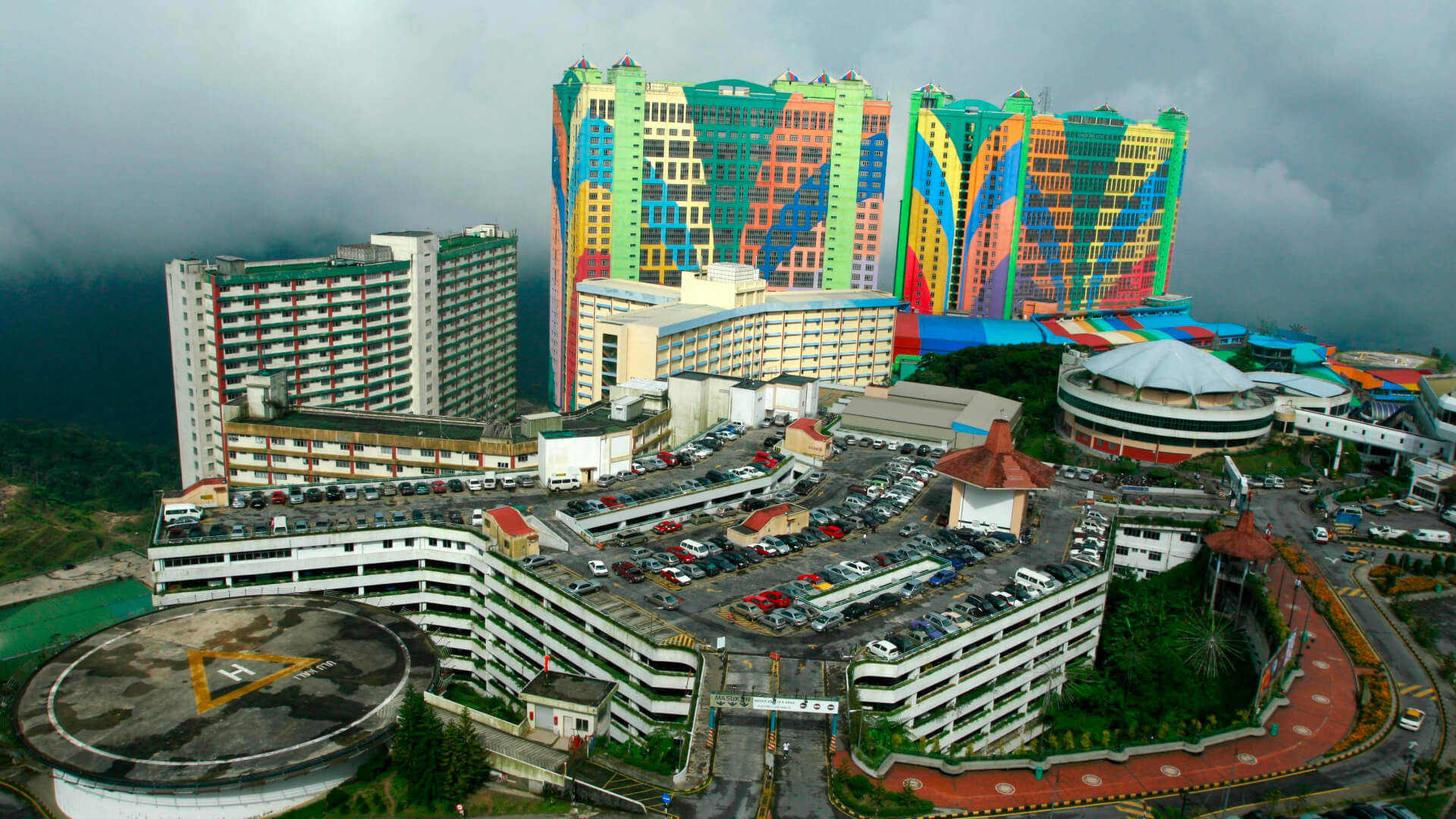
In the current landscape of global hospitality, the title of the world’s largest hotel by room count is held by the First World Hotel & Plaza in Genting Highlands, Malaysia. This colossal establishment is not just a hotel; it’s a vibrant hub within a larger integrated resort complex. Its sheer scale is almost difficult to comprehend, making it a landmark in itself and a significant draw for tourists seeking an immersive entertainment experience.
Unveiling First World Hotel & Plaza
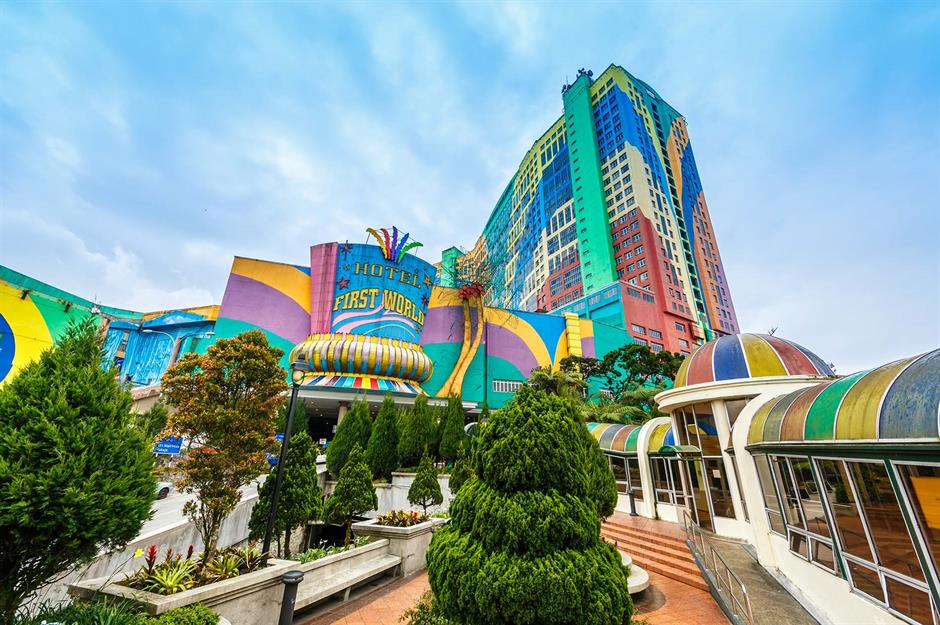
Located at an altitude of over 6,000 feet in the Genting Highlands, a popular hill resort destination in Malaysia, the First World Hotel & Plaza is a beacon of vibrant colors and immense capacity. It was first opened in 2000 and has since undergone several expansions, solidifying its position as the world’s largest. The hotel is renowned for its eye-catching, brightly colored facade, which mirrors the fun and entertainment-filled atmosphere it offers. This visual distinctiveness makes it instantly recognizable and a symbol of its grandeur.
The Astonishing Room Count
The most striking feature of the First World Hotel & Plaza is its staggering number of rooms. The hotel boasts a remarkable 7,351 rooms. This figure dwarfs that of many other large hotels around the globe, allowing it to accommodate an unprecedented volume of guests. These rooms are generally categorized into various types, from standard rooms to more premium suites, designed to cater to a diverse range of traveler needs and budgets. The efficiency required to manage such a vast number of rooms, from check-in processes to daily housekeeping, is a testament to the hotel’s sophisticated operational systems and dedicated staff.
Integrated Resort Experience
The First World Hotel & Plaza is more than just a place to stay; it is intrinsically linked to the First World Plaza, a sprawling indoor theme park and shopping complex. This integration means that guests have direct access to a multitude of entertainment options without ever needing to leave the resort. The plaza features rides, attractions, retail outlets, and dining establishments, creating a complete leisure destination. This synergy between accommodation and entertainment is a key strategy that contributes to the hotel’s immense popularity and its ability to draw in millions of visitors annually. The presence of the Genting International Showroom within the complex also adds to its allure, hosting various performances and events.
Operational Excellence and Challenges
Operating a hotel of this magnitude presents unique challenges and necessitates a high degree of operational excellence. The logistics of managing thousands of guests, their luggage, and their dining preferences are immense. This includes highly efficient check-in and check-out procedures, a robust food and beverage service capable of handling peak demand, and a comprehensive maintenance and cleaning schedule. The hotel’s success is a direct result of meticulous planning, advanced technology adoption for managing reservations and guest services, and a large, well-trained workforce. The sheer volume of resources required, from linen and toiletries to food supplies and energy, is colossal, highlighting the complex supply chain management involved.
Contenders and Other Giants in the Hospitality Arena
While the First World Hotel & Plaza currently holds the undisputed title, the hospitality industry is dynamic, with numerous other exceptionally large hotels and resorts that are significant players in their respective regions and globally. These establishments, though not as numerous in rooms as the current champion, often offer unique experiences, luxurious amenities, or cater to specific market segments, making them notable in their own right. Understanding these other giants provides context to the scale of First World Hotel & Plaza and showcases the diverse approaches to large-scale accommodation.
The Venetian and The Palazzo, Las Vegas

In Las Vegas, a city synonymous with grand hotels and mega-resorts, The Venetian and The Palazzo stand as formidable contenders. These sister properties, operated by Las Vegas Sands, are often considered together due to their integrated nature and shared amenities. They offer a luxurious experience inspired by the Italian city of Venice, complete with canals, gondola rides, and meticulously recreated architecture.
- Combined Room Count: Together, The Venetian and The Palazzo boast approximately 7,092 rooms. While slightly fewer than the First World Hotel & Plaza, this figure still places them among the world’s largest. The rooms themselves are known for their spaciousness and opulent design, with standard suites featuring separate living areas and Italian marble bathrooms.
- Integrated Entertainment and Dining: Like their Malaysian counterpart, these Las Vegas giants are integrated resorts. They feature world-class casinos, a vast array of fine dining restaurants and casual eateries, high-end retail outlets, multiple swimming pools, a spa, and entertainment venues that host renowned performers. The iconic Grand Canal Shoppes offer a unique shopping and dining experience reminiscent of Venice.
The CityCenter Complex, Las Vegas
Another significant cluster of large hotels can be found within Las Vegas‘s CityCenter complex. This development is a marvel of modern architecture and urban planning, housing several distinct, large-scale hotels.
- ARIA Resort & Casino: A prominent hotel within CityCenter, ARIA Resort & Casino features around 4,004 rooms. It is known for its contemporary design, advanced in-room technology, and a strong focus on sustainability.
- Vdara Hotel & Spa: This non-gaming, non-smoking hotel offers approximately 1,495 rooms and suites, appealing to those seeking a more tranquil and exclusive experience within the bustling resort environment.
- Waldorf Astoria Las Vegas: Formerly known as Mandarin Oriental, Waldorf Astoria Las Vegas provides around 392 luxurious rooms and suites, emphasizing high-end service and sophisticated amenities.
While the individual hotels within CityCenter might not individually rival the top spots for room count, the sheer concentration of large, high-quality accommodations within this single development highlights Las Vegas‘s dominance in the large-scale hotel sector.
Other Notable Mega-Hotels
Beyond Las Vegas and Malaysia, other regions boast exceptionally large hotels that are essential to their tourism infrastructure.
- MGM Grand Las Vegas, Nevada, USA: This iconic Las Vegas hotel, while not part of the CityCenter complex, is another behemoth. It features a substantial 6,852 rooms and suites, making it one of the largest hotels in the world. It is renowned for its extensive entertainment options, including the MGM Grand Garden Arena, and its diverse dining and casino facilities.
- The Dubai World Trade Centre Hotel Apartments, Dubai, UAE: While often functioning as serviced apartments, this property in Dubai is noteworthy for its sheer scale and capacity, offering accommodation for a large number of long-term and short-term visitors. Details on exact room counts can vary due to its apartment nature, but it’s a significant player in large-scale UAE accommodation.
These examples illustrate that while the First World Hotel & Plaza leads in sheer room numbers, the concept of a “biggest hotel” is a competitive and evolving one, with numerous establishments pushing the boundaries of scale and guest capacity.
The Future of Mega-Hotels: Trends and Innovations
The construction and operation of mega-hotels like the First World Hotel & Plaza are not static endeavors. They represent a continuous evolution in hospitality design, technology, and guest experience. As the demand for travel and large-scale events continues to grow, so too does the impetus to build even larger and more sophisticated accommodation facilities. Several trends are shaping the future of these colossal establishments.
Technological Integration and Smart Hospitality
The future of mega-hotels will undoubtedly be defined by a greater integration of technology. This goes beyond simple Wi-Fi access. We are likely to see increased use of artificial intelligence (AI) for personalized guest services, from anticipating needs to managing complex reservation systems. Smart room technology, allowing guests to control lighting, temperature, entertainment, and even order services via voice commands or mobile apps, will become standard. Automation in housekeeping, maintenance, and even food delivery will be crucial for managing efficiency at scale. The use of big data analytics will enable hotels to understand guest behavior and preferences more deeply, leading to more tailored experiences and optimized operations.
Sustainability and Environmental Responsibility
As the world becomes increasingly conscious of environmental impact, mega-hotels will face growing pressure to adopt sustainable practices. This includes innovative energy-saving designs, the use of renewable energy sources, efficient water management systems, and comprehensive waste reduction and recycling programs. Large-scale vertical farming could even be integrated to supply fresh produce to hotel restaurants, reducing transportation emissions. The architectural design will likely incorporate more green spaces and natural light to reduce energy consumption and enhance the guest experience. Compliance with stringent environmental regulations will also be a key factor in future developments.
Diversification of Offerings and Experiential Travel
While room count remains a primary metric, future mega-hotels will likely focus more on offering diverse and unique experiences to attract and retain guests. This could include specialized attractions within the hotel itself, such as immersive art installations, advanced wellness centers, or even educational hubs. The rise of experiential travel means that guests are seeking more than just a bed; they want authentic and memorable interactions. Mega-hotels will need to become destinations in themselves, offering a curated blend of entertainment, culture, and leisure activities that cater to a wide range of interests. This might also include creating micro-communities within the hotel, with distinct zones catering to families, business travelers, or luxury seekers.
Urban Planning and Integrated Developments
The concept of a hotel as a standalone entity is evolving towards a more integrated approach within urban landscapes. Future mega-hotels will likely be part of mixed-use developments that include residential spaces, retail centers, office buildings, and public amenities. This creates vibrant, self-sustaining hubs that contribute significantly to the local economy and infrastructure. The planning and design will need to consider seamless integration with public transportation networks and the surrounding community. This holistic approach ensures that these massive structures serve a broader purpose beyond just accommodation, becoming integral parts of the cities in which they are located. The Genting Highlands resort, which houses the First World Hotel & Plaza, serves as an early example of this trend, demonstrating how a large hotel can be the anchor for a comprehensive entertainment and leisure destination.
The future of the world’s biggest hotels is one of continued innovation, adaptation, and an ever-increasing focus on providing a comprehensive and memorable experience for a global clientele.
LifeOutOfTheBox is a participant in the Amazon Services LLC Associates Program, an affiliate advertising program designed to provide a means for sites to earn advertising fees by advertising and linking to Amazon.com. Amazon, the Amazon logo, AmazonSupply, and the AmazonSupply logo are trademarks of Amazon.com, Inc. or its affiliates. As an Amazon Associate we earn affiliate commissions from qualifying purchases.