
Understanding the annual rainfall in Nevada County, California, is more than just a meteorological curiosity; it’s a fundamental aspect of planning any visit, from a spontaneous weekend getaway to an extended stay, and deeply influences the local tourism, accommodation, and lifestyle experiences. Nestled in the picturesque Sierra Nevada foothills and extending into the high mountains, Nevada County boasts a diverse climate that shapes its vibrant landscapes, outdoor activities, and the very rhythm of life for its residents and visitors alike. The significant variations in precipitation, particularly between its western foothills and eastern high country, dictate everything from the best time for hiking and watersports to the prime season for skiing and exploring historic landmarks. For anyone considering Nevada County as their next destination, a deeper dive into its yearly rainfall patterns is essential for an enriching and well-prepared adventure.
Unpacking Nevada County’s Precipitation Patterns
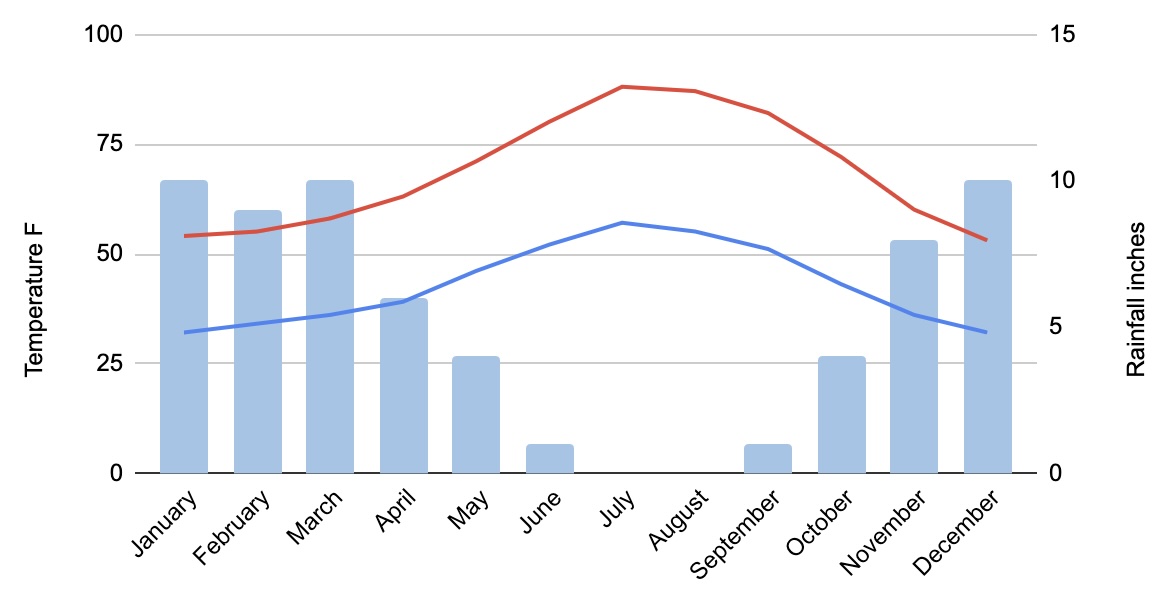
The climate of Nevada County is characterized by a Mediterranean pattern, featuring warm, dry summers and cool, wet winters. However, due to its significant elevation changes—ranging from approximately 1,500 feet in the western foothills to over 8,000 feet in the eastern high Sierra Nevada—the amount and type of precipitation vary dramatically across the county. This geographical diversity creates distinct microclimates, offering a wide array of experiences depending on where and when you choose to visit.
Averages and Variations Across the Landscape
On average, Nevada County receives anywhere from 30 to over 60 inches of precipitation annually, with the majority occurring between October and April. This broad range highlights the stark differences between the western and eastern portions of the county.
In the lower elevations, such as the historic towns of Grass Valley and Nevada City, the annual precipitation typically falls within the 30-50 inch range, predominantly as rain. Winters here are generally mild, with occasional cold snaps and rare snowfall that usually melts quickly. These charming towns, known for their Gold Rush era architecture and vibrant arts scenes, experience a relatively moderate rainy season, which keeps the surrounding oak woodlands and chaparral ecosystems lush and green.
Moving eastward into the higher elevations, particularly around Truckee and towards Donner Summit, the precipitation figures climb significantly, often exceeding 50 or even 60 inches annually. Crucially, a substantial portion of this precipitation arrives as snow. Donner Summit, for instance, is renowned for receiving some of the highest snowfall totals in California, often accumulating hundreds of inches in a good winter. This heavy snowfall is vital for the region’s water supply and, perhaps more famously, for fueling its world-class winter sports industry. The elevation gradient means that while Nevada City might be experiencing a drizzly winter day, just an hour’s drive east could immerse you in several feet of fresh powder.
Beyond these averages, yearly precipitation can fluctuate significantly. California is susceptible to multi-year drought cycles and intensely wet periods, influenced by phenomena like El Niño and La Niña. These variations can lead to drier-than-average winters with reduced snowpacks or, conversely, extremely wet seasons with abundant rain and record snowfall. Staying informed about current weather patterns and long-term forecasts is always advisable for travelers.
The Winter Wonderland and Summer Serenity
The distinct precipitation patterns give rise to two very different, yet equally captivating, seasonal landscapes in Nevada County.
Winter: For those seeking a quintessential winter wonderland experience, the eastern high country of Nevada County is an unparalleled destination. The deep snowpacks are the lifeblood of premier ski resorts like Sugar Bowl Resort and Boreal Mountain Resort, situated within the expansive Tahoe National Forest and offering exceptional skiing, snowboarding, and snow play opportunities. The beauty of snow-laden pines, frozen lakes, and the crisp mountain air creates an idyllic setting for winter sports enthusiasts and those simply looking for a cozy, festive escape. Even in the western foothills, the occasional dusting of snow adds a magical charm to the historic streetscapes of Nevada City and Grass Valley, though significant accumulation is rare.
Summer: In stark contrast, the summers across Nevada County are typically warm, sunny, and remarkably dry. The rainy season subsides by late spring, giving way to months of clear skies, low humidity, and comfortable temperatures, particularly in the foothills. This period is perfect for a vast array of outdoor activities. The dry conditions transform the landscape into a golden hue, contrasting beautifully with the deep blue waters of Lake Tahoe and smaller gems like Scotts Flat Lake. While afternoon thunderstorms can occasionally roll through the high country, especially in July and August, they are usually brief and add a dramatic flair rather than disrupting plans significantly. This summer serenity makes Nevada County a magnet for hikers, bikers, and water sports enthusiasts.
Rainfall’s Influence on Travel and Tourism in Nevada County
The annual precipitation in Nevada County is a primary determinant for what kind of travel experiences are available and when. From thrilling outdoor adventures to serene cultural explorations, understanding the weather patterns is key to maximizing your visit.
Guiding Outdoor Adventures Through the Seasons
The distinct wet and dry seasons naturally segment the county’s outdoor offerings.
Winter (November-April): This is the undisputed season for snow sports. The heavy snowfall in the eastern part of Nevada County makes it a prime destination for downhill skiing and snowboarding at resorts like Sugar Bowl Resort, Boreal Mountain Resort, and the nearby Northstar California Resort. Cross-country skiing and snowshoeing are also immensely popular, with extensive trail networks found at places like Royal Gorge Cross Country Ski Resort within the Tahoe National Forest. For those preferring a more subdued winter experience, the foothills offer opportunities for scenic drives, winery visits, and exploring the charming shops and restaurants of Nevada City and Grass Valley, which often host festive holiday events.

Spring (April-June): As the snow melts in the mountains and the rain tapers off in the foothills, spring brings a resurgence of vibrant life. The snowmelt feeds the rivers, making this an ideal time for white-water rafting on the South Yuba River or its tributaries. Hiking trails, often inaccessible in winter, become passable, revealing a spectacular display of wildflowers, particularly along routes like the Independence Trail. This shoulder season offers lush landscapes and fewer crowds, perfect for nature photography and leisurely strolls through historic parks like Empire Mine State Historic Park or Malakoff Diggins State Historic Park, where the greenery contrasts beautifully with the industrial remnants of the past.
Summer (June-September): With virtually no rainfall, summer is the peak season for water-based activities and high-country exploration. Lake Tahoe becomes a hub for boating, swimming, paddleboarding, and kayaking. Smaller lakes like Scotts Flat Lake offer excellent fishing and camping. The vast network of hiking and mountain biking trails, from the Lakes Basin Recreation Area to the numerous routes in the Tahoe National Forest, are in prime condition. Outdoor concerts, farmers’ markets, and street fairs abound in Nevada City and Grass Valley, taking full advantage of the pleasant, dry evenings.
Autumn (September-November): As temperatures cool and the occasional rain shower returns, autumn paints Nevada County in a glorious palette of reds, oranges, and golds, particularly in the deciduous trees along river canyons and in the foothills. This is an excellent time for scenic drives, apple picking, and enjoying the last of the dry hiking weather before winter’s snows arrive. The crisp air and vibrant scenery create a wonderful backdrop for wine tasting and exploring local farms.
Crafting the Perfect Itinerary: From Cozy Retreats to Lakeside Escapes
The annual rainfall patterns heavily influence choices in accommodation and the overall lifestyle experience in Nevada County.
Accommodation:
- Winter: Travelers often seek out cozy accommodations with amenities that embrace the colder weather. Ski-in/ski-out resorts near Truckee, such as The Ritz-Carlton, Lake Tahoe at Northstar California Resort, offer direct access to the slopes and luxurious comforts like spas and fine dining. Charming boutique hotels like the historic National Exchange Hotel in Nevada City provide a warm refuge with fireplaces and often feature festive decorations. Vacation rentals with hot tubs and access to snow play areas are also highly sought after.
- Summer: The focus shifts to properties that maximize outdoor living. Lakeside resorts, such as the Hyatt Regency Lake Tahoe Resort, Spa and Casino in Incline Village (just across the border but a major draw), offer private beaches, water sport rentals, and stunning views. Campsites around Scotts Flat Lake and within the national forests provide a more rustic experience. Hotels with pools, outdoor patios, and easy access to hiking trails are popular choices.
Lifestyle and Food: The local culture and culinary scene adapt to the seasons. Winter often features hearty, warming meals, local craft beers, and opportunities for indoor entertainment. Many establishments offer live music and seasonal menus that highlight comfort food. Summer brings lighter fare, farm-to-table dining, and a focus on outdoor patios and al fresco dining. Local wineries and breweries thrive in both seasons, offering different experiences depending on the weather – a cozy tasting room in winter or a sunny vineyard tour in summer.
Tips for Travelers: Always check the weather forecast for your specific destination within Nevada County, as conditions can vary wildly even within short distances. Pack layers, regardless of the season, as mountain weather can change quickly. If traveling in winter, ensure your vehicle is equipped for snowy conditions (chains or 4WD/AWD are often required on mountain passes). For summer visits, bring plenty of water, sun protection, and be mindful of fire restrictions.
The Ecological and Lifestyle Footprint of Nevada County’s Rainfall
Beyond its immediate impact on tourism, Nevada County’s yearly rainfall is a critical element shaping its ecology, infrastructure, and the enduring lifestyle of its communities. It underpins the very essence of what makes this region so unique and appealing.
Sustaining the Region’s Natural Splendor
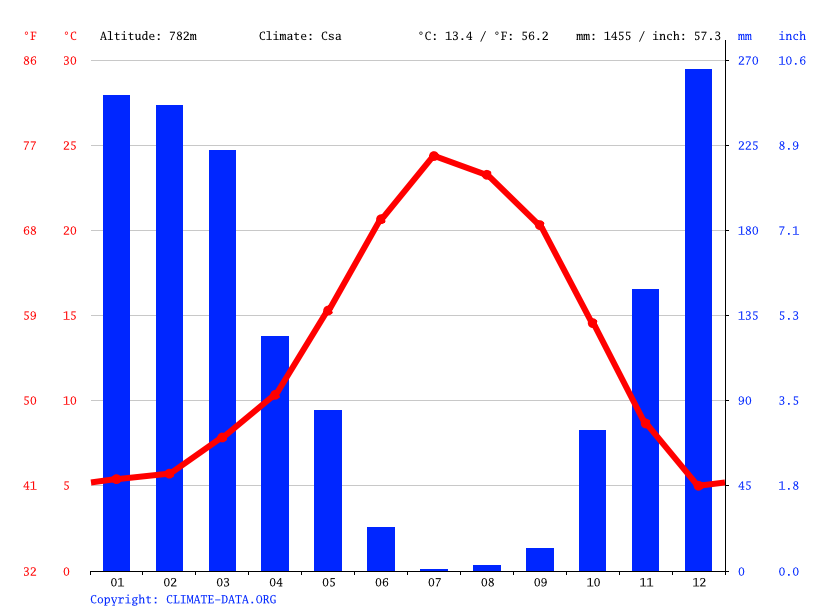
The precipitation regime is the lifeblood of Nevada County’s diverse ecosystems. The abundant winter rainfall and snowmelt replenish the groundwater, feed the rivers and streams like the South Yuba River, and sustain the region’s lush forests. These forests, predominantly Ponderosa pine, sugar pine, and various fir species in the higher elevations, and oak woodlands in the foothills, are crucial habitats for a wide array of wildlife. The snowpack, in particular, acts as a natural reservoir, slowly releasing water throughout the dry summer months, which is essential for maintaining river flows, supporting aquatic life, and providing drinking water to communities throughout California.
The health of these ecosystems, directly tied to precipitation, also plays a significant role in mitigating summer wildfire risks. While historically California experiences a fire season, ample winter moisture can lead to healthier, more resilient forests, and greener undergrowth that is less prone to ignition early in the dry season. However, prolonged drought periods can exacerbate fire danger, underscoring the delicate balance of the region’s climate. Protecting these natural resources, from the clear waters of Lake Tahoe to the ancient groves in the Tahoe National Forest, is paramount for local conservation efforts and sustainable tourism.
Embracing a Diverse Lifestyle Through the Seasons
The varied rainfall patterns not only shape the landscape but also foster a unique lifestyle that adapts and thrives across the seasons. This adaptability is reflected in the diverse range of travel experiences available, catering to different preferences and budgets.
Luxury Travel vs. Budget-Friendly Adventures: In winter, luxury travelers can indulge in high-end ski resorts like The Ritz-Carlton, Lake Tahoe, complete with gourmet dining and spa services. Conversely, budget travelers can find affordable accommodations in Truckee or explore free snow play areas. In summer, luxury might mean a private lakefront rental on Lake Tahoe, while budget-conscious visitors can opt for camping at Scotts Flat Lake or exploring the numerous free hiking trails. Nevada County’s climate ensures that there’s an experience for every type of traveler, allowing for both opulent escapes and rugged, nature-immersive journeys.
Family Trips and Business Stays: The seasonal shifts also cater to different group dynamics. Families flock to the snow-covered mountains in winter for sledding, skiing lessons, and cozy cabin stays. Summer is ideal for family lake vacations, educational visits to historic sites like Empire Mine State Historic Park, and outdoor adventures that appeal to all ages. For business stays, particularly in Grass Valley or Nevada City, the relatively mild winters mean fewer travel disruptions compared to the high country. Conference facilities and hotels are equipped to host events year-round, often capitalizing on the beautiful shoulder seasons of spring and fall, when the weather is pleasant and crowds are smaller.
The people of Nevada County have developed a deep appreciation for the distinct rhythm of their climate. They embrace the challenges and joys of each season – from preparing for heavy snowfalls to celebrating long, sunny summer days. This local perspective is infectious, encouraging visitors to not just observe the weather but to actively participate in the seasonal transformations of the landscape. It’s a place where you can witness the dramatic power of nature and then, within hours, find solace in a warm, inviting community, making every visit a truly dynamic and memorable experience.
In conclusion, the yearly rainfall in Nevada County is far from a simple statistic. It is the architect of its diverse landscapes, the engine of its tourism economy, and the soul of its distinct lifestyle. Whether you’re chasing fresh powder on Donner Summit, paddling on Lake Tahoe, or exploring the historic streets of Nevada City, understanding the county’s precipitation patterns will undoubtedly enhance your appreciation for this remarkable corner of California. By planning your trip with the climate in mind, you can unlock the full potential of Nevada County’s natural beauty and vibrant culture, ensuring an unforgettable journey regardless of the season.
LifeOutOfTheBox is a participant in the Amazon Services LLC Associates Program, an affiliate advertising program designed to provide a means for sites to earn advertising fees by advertising and linking to Amazon.com. Amazon, the Amazon logo, AmazonSupply, and the AmazonSupply logo are trademarks of Amazon.com, Inc. or its affiliates. As an Amazon Associate we earn affiliate commissions from qualifying purchases.