
When planning a trip to Los Angeles, one might instinctively search for “the zip code for LA, California.” However, Los Angeles is not a single entity with a singular zip code. Instead, it is a vast, sprawling metropolis comprised of numerous distinct neighborhoods, districts, and even independent cities, each with its own unique set of zip codes. Understanding this geographic tapestry is fundamental for any traveler looking to navigate and experience the city effectively. For the seasoned explorer or the first-time visitor, deciphering LA’s postal code system is more than just a matter of mail delivery; it’s a critical tool for itinerary planning, hotel selection, transportation logistics, and uncovering the diverse attractions that make this city a global destination.
The Geographic Tapestry of Los Angeles
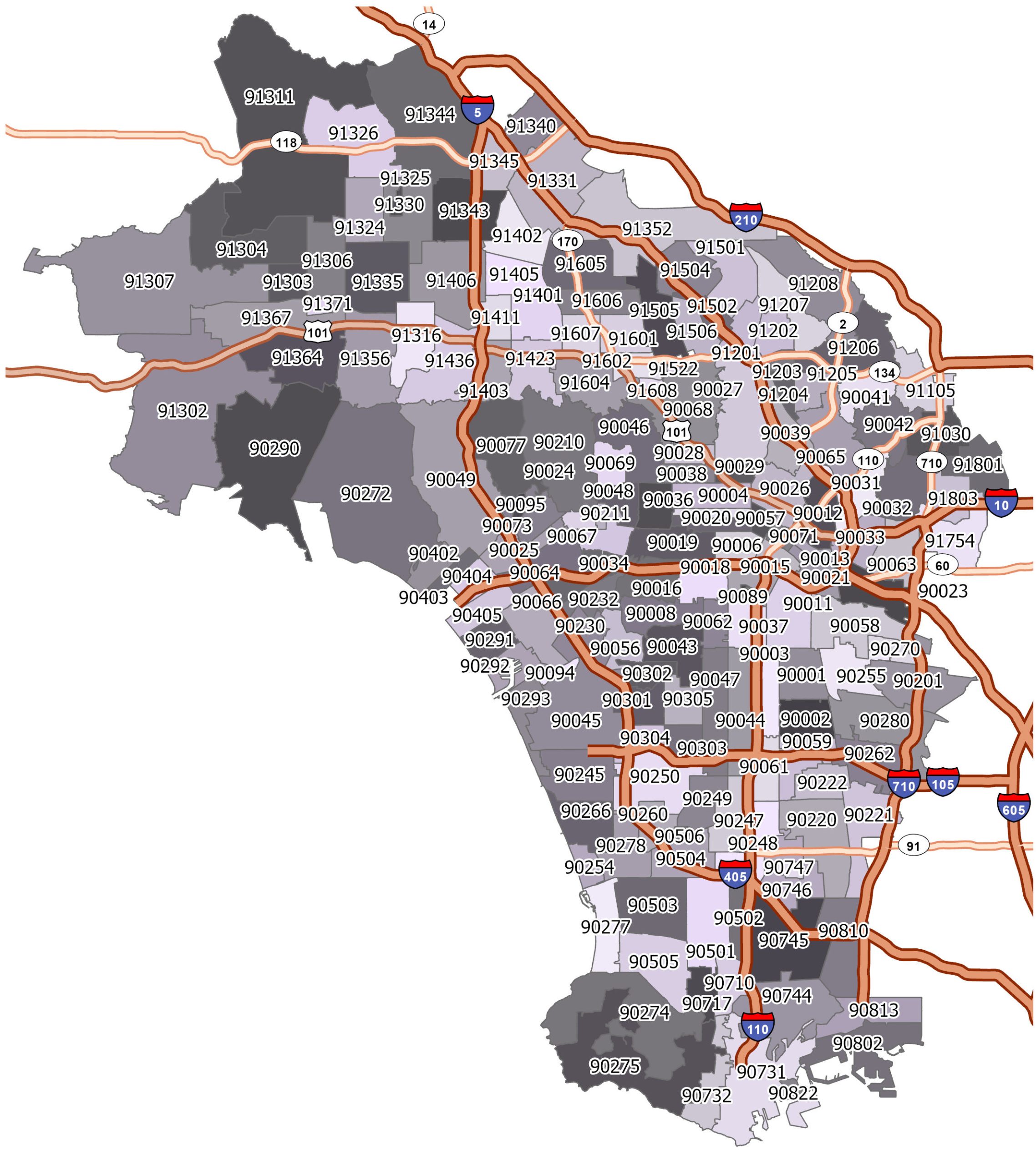
Los Angeles County, often simply referred to as “LA,” is one of the largest and most populous counties in the United States, covering over 4,000 square miles. Within this expansive area lies the City of Los Angeles itself, a sprawling urban center that incorporates a myriad of distinct communities. Beyond the city limits, the county also includes 87 other incorporated cities, such as Beverly Hills, Santa Monica, West Hollywood, Burbank, and Pasadena, all of which are often perceived by outsiders as simply “part of LA.” Each of these cities and a multitude of unincorporated areas are subdivided into numerous zip code zones, reflecting their specific geographic boundaries and local identities.
This intricate network of zip codes serves as a geographical identifier, carving the immense urban landscape into manageable segments. For the traveler, this means that a single zip code search will only yield results for a very specific, often small, portion of what is generally considered Los Angeles. To truly grasp the scope of what LA offers, one must embrace the concept of its multifaceted nature, where each zip code represents a unique piece of the city’s vast puzzle, guiding visitors to everything from sun-drenched beaches and historic neighborhoods to iconic entertainment districts and cultural institutions. Understanding this fundamental aspect transforms the seemingly simple question of “the zip code” into an insightful entry point for comprehensive travel planning.
Decoding LA’s Zip Codes for Travelers
For visitors to Los Angeles, zip codes are far more than just arbitrary numbers; they are powerful organizational tools that unlock specific experiences and streamline travel logistics. They allow for precise navigation within a city renowned for its vastness and traffic.
Planning Your Itinerary: Neighborhoods and Their Codes
Each zip code in Los Angeles typically corresponds to a specific neighborhood or a defined section of a larger district, each boasting its own character, attractions, and amenities. For instance, the zip code 90028 immediately brings to mind Hollywood proper, with its legendary Walk of Fame, TCL Chinese Theatre, and vibrant entertainment scene. If your primary interest is luxury shopping and celebrity sightings, a search for accommodations or dining within the 90210 zip code (which covers much of Beverly Hills, including Rodeo Drive) will yield highly targeted results. Similarly, beach lovers targeting Santa Monica would focus on codes like 90401, 90402, or 90405, knowing they are selecting an area famous for its pier, beaches, and the Third Street Promenade.
By starting your travel planning with an understanding of key zip codes, you can more efficiently group attractions, choose restaurants close to your daytime activities, and minimize travel time. This granular approach ensures that your precious vacation hours are spent exploring, rather than commuting across the city’s extensive geography. For example, if you wish to explore the museums along the Miracle Mile, you would concentrate your search within the 90036 area, which is home to institutions like LACMA and the La Brea Tar Pits. This level of precision is invaluable for crafting a cohesive and enjoyable itinerary.
Navigating LA: Transportation and Proximity
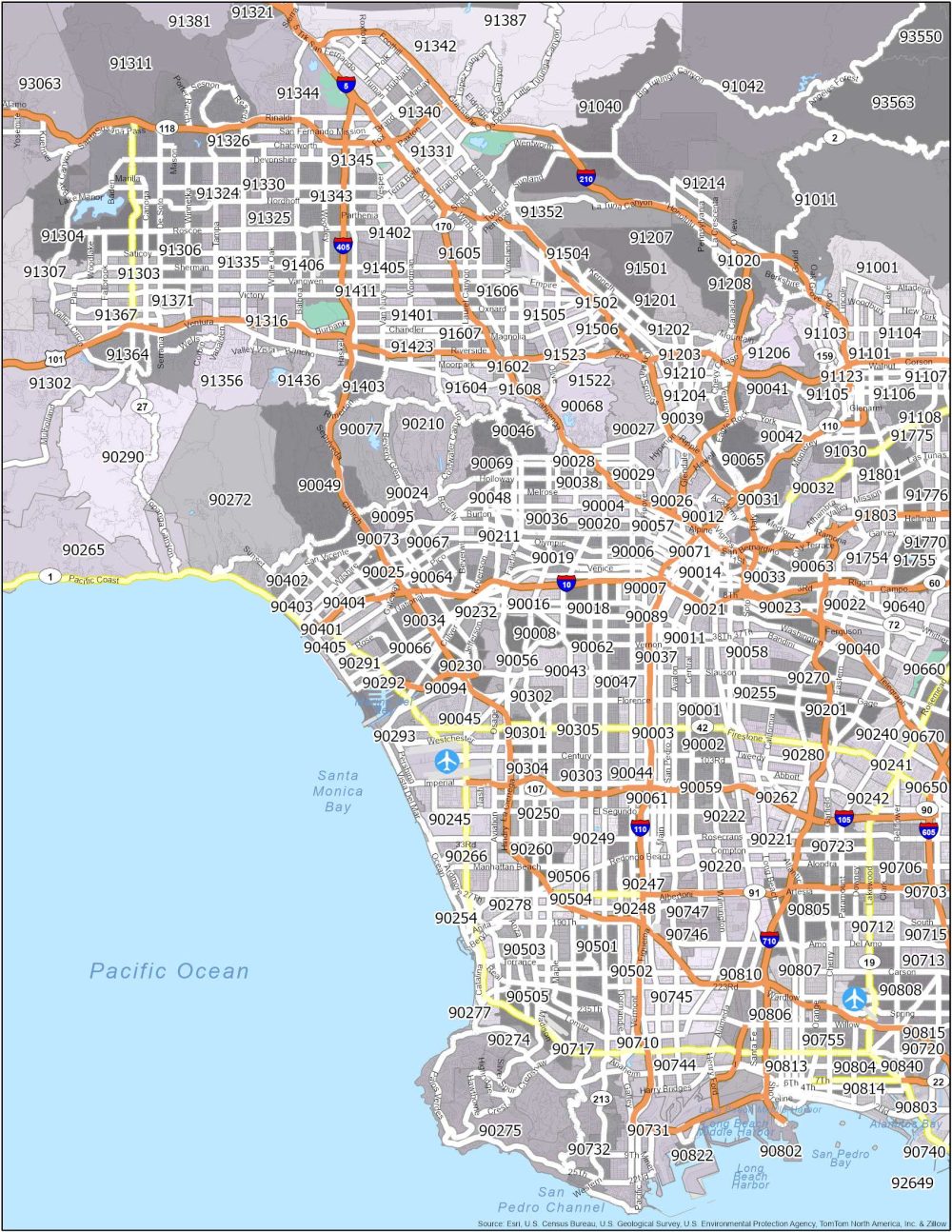
Los Angeles is notorious for its traffic, making efficient transportation planning paramount. Zip codes play a crucial role in this. When using ride-sharing apps, inputting a specific zip code can sometimes refine the pick-up or drop-off location, especially in dense urban areas. More importantly, understanding the zip codes of your desired destinations relative to your accommodation helps in estimating travel times and selecting the most appropriate mode of transport, whether it’s renting a car, utilizing the growing Metro Rail and Metro Bus system, or relying on ride-shares.
Travelers can use mapping applications by searching for a specific zip code to view its boundaries and identify nearby major thoroughfares, public transport hubs, or even alternative routes. This insight allows for more strategic grouping of activities. For instance, if you plan to visit the Walt Disney Concert Hall and Grand Central Market in Downtown Los Angeles, knowing they fall within or adjacent to zip codes like 90012 or 90013 helps you understand their close proximity, making it feasible to explore both on foot or via a short public transit ride, rather than assuming long distances typical of other parts of LA.
Finding Accommodation: Beyond the City Center
Selecting the right accommodation is perhaps where zip codes prove most indispensable. Given the sheer size of Los Angeles, simply searching for “hotels in LA” will yield an overwhelming and often irrelevant list. By focusing on the zip code of your preferred area, you can narrow down your search considerably. Want to stay near the beach? Search for hotels in Santa Monica’s 90401 or Venice Beach’s 90291. Looking for a vibrant nightlife and entertainment hub? Focus on West Hollywood, which uses zip codes like 90069 and 90046.
This targeted approach not only helps you find lodging in your desired locale but also allows for better budget management. Prices for hotels and vacation rentals can vary dramatically between different zip codes, even those that are geographically close. For example, a hotel in a bustling Hollywood zip code might be priced differently than one just a few miles north in a quieter residential area, even if both are technically within the city of Los Angeles. Furthermore, understanding the zip code helps confirm whether a hotel advertised as “LA” is actually within the city limits or in a neighboring suburb, which could significantly impact travel times and access to specific attractions.
Key Los Angeles Zip Codes for Iconic Travel Experiences
To aid in your travel planning, here’s a snapshot of some significant zip codes in the Los Angeles area and what they typically offer to visitors:
- 90210 (Beverly Hills): Synonymous with luxury and glamour, this zip code is home to Rodeo Drive, high-end boutiques, world-class dining, and opulent hotels. It’s the place to see and be seen, offering a glimpse into the lavish California lifestyle.
- 90028 (Hollywood): The heart of the entertainment industry, 90028 encapsulates the iconic Hollywood experience. Here you’ll find the Walk of Fame, the TCL Chinese Theatre, and numerous venues for live music and performances. Many vantage points for the Hollywood Sign are also accessible from this area.
- 90401 (Santa Monica): This zip code covers the bustling downtown area of Santa Monica, including the famous Santa Monica Pier and the vibrant Third Street Promenade. It’s perfect for beach activities, shopping, dining, and enjoying the relaxed coastal vibe.
- 90291 (Venice Beach): Just south of Santa Monica, 90291 encompasses the eclectic and lively Venice Beach boardwalk. Travelers flock here for its unique bohemian atmosphere, street performers, muscle beach, and canals.
- 90012, 90013, 90014, 90015 (Downtown Los Angeles): Downtown Los Angeles (DTLA) is a revitalized hub of culture, arts, and finance, segmented by several zip codes. These areas host architectural marvels like the Walt Disney Concert Hall, historic sites such as Grand Central Market and the Historic Core, and a thriving culinary scene.
- 90036 (Mid-Wilshire/Miracle Mile): A cultural corridor, this zip code is home to some of LA’s premier museums, including LACMA, the Petersen Automotive Museum, and the ancient La Brea Tar Pits. It’s ideal for art and history enthusiasts.
- 90069 (West Hollywood): This zip code covers much of West Hollywood, known for its vibrant nightlife, LGBTQ+ friendly establishments, trendy restaurants, and the iconic Sunset Strip.

Beyond the Codes: The Spirit of LA Travel
While zip codes provide an essential framework for navigating the vast urban landscape of Los Angeles, the true spirit of travel in this dynamic city lies in exploring its diverse cultures, culinary innovations, and breathtaking natural beauty. From the pristine beaches of Malibu (90265) to the artistic enclaves of Silver Lake (90026) and the serene hiking trails of the Santa Monica Mountains, LA offers an endless array of experiences.
The question “What is the zip code for LA, California?” ultimately leads to a deeper understanding of this incredible destination. It clarifies that Los Angeles is not a singular point on a map but a mosaic of communities, each identified by its unique postal code and each offering a distinct flavor of the quintessential Southern California adventure. By utilizing zip codes as a strategic tool, travelers can move beyond generic guides and craft a personalized journey that delves into the specific neighborhoods and experiences that resonate most with their interests, transforming a mere visit into an unforgettable exploration of one of the world’s most iconic cities.
LifeOutOfTheBox is a participant in the Amazon Services LLC Associates Program, an affiliate advertising program designed to provide a means for sites to earn advertising fees by advertising and linking to Amazon.com. Amazon, the Amazon logo, AmazonSupply, and the AmazonSupply logo are trademarks of Amazon.com, Inc. or its affiliates. As an Amazon Associate we earn affiliate commissions from qualifying purchases.