
For many, a zip code is merely a series of numbers, a practical detail for mail delivery or online forms. Yet, for the discerning traveler exploring a vibrant metropolis like Miami, the seemingly simple query “What is the zip code for Miami, Florida, USA?” unlocks a deeper understanding of this dynamic destination. Miami is not a singular entity defined by one zip code; rather, it is a mosaic of distinct neighborhoods, each with its own character, attractions, and, crucially, its own postal code. This article delves into the significance of Miami’s zip codes, transforming them from mere digits into powerful tools for planning, navigation, and immersive exploration for any traveler seeking to truly experience the Magic City. Understanding the postal geography of Miami is not just about logistics; it’s about decrypting the city’s multifaceted identity, from its sun-drenched beaches to its thriving cultural enclaves and bustling urban cores.

Decoding Miami’s Geographic Tapestry Through Zip Codes
Miami, a sprawling urban landscape on the southeastern tip of Florida, encompasses a vast area, leading to a complex yet logical system of zip codes. These five-digit identifiers serve as more than just postal routes; they are invisible boundaries that delineate communities, commercial hubs, and residential zones, each offering a unique flavor of the Miami experience. For the traveler, recognizing these divisions is the first step toward strategic planning and enriched discovery.
The Basics: Understanding Miami’s Primary Zip Codes
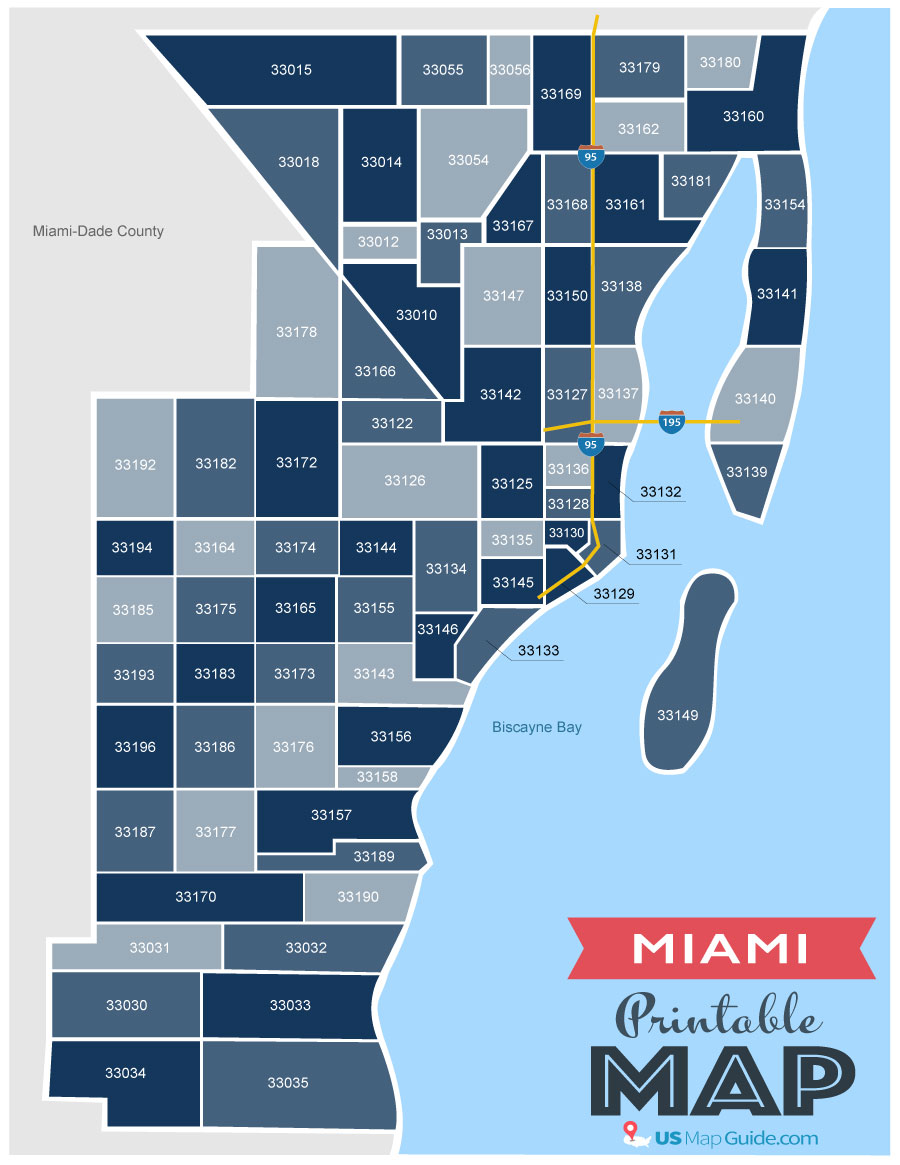
The overarching zip code series for Miami-Dade County, where Miami is situated, generally begins with 331xx. However, pinpointing the zip code for Miami is an oversimplification, as the city itself, along with its adjacent municipalities and unincorporated areas, utilizes a wide array. For instance, central Downtown Miami often falls within the 33130, 33131, or 33132 range, reflecting its dense urban core. Across the Biscayne Bay, Miami Beach, a separate municipality but integral to the Miami experience, predominantly uses zip codes like 33139, especially for areas like the iconic South Beach and the Art Deco Historic District. Other key areas like Coral Gables might use 33134, and the bustling financial district of Brickell shares several with Downtown Miami, primarily 33131. Recognizing that a single zip code does not define the entirety of Miami is crucial for any visitor, as this understanding paves the way for a more nuanced exploration of its diverse regions.
How Zip Codes Define Miami’s Distinct Neighborhoods
The magic of Miami lies in its distinct neighborhoods, each with a unique personality shaped by history, culture, and demographics. Zip codes act as geographic markers for these diverse enclaves:
- South Beach (33139): Synonymous with glamorous beaches, vibrant nightlife, and pastel-hued Art Deco Historic District architecture, this area is a prime destination for sun-seekers and partygoers.
- Brickell (33131): Often referred to as “Manhattan of the South,” Brickell is Miami’s financial hub, boasting towering skyscrapers, upscale restaurants, and luxury residential buildings. It caters to a sophisticated, urban traveler.
- Wynwood (33127): This former industrial district has transformed into a global street art mecca, famous for the Wynwood Walls and an eclectic mix of galleries, boutiques, and trendy eateries. It’s a haven for art and culture enthusiasts.
- Little Havana (33135): Home to a vibrant Cuban expatriate community, Little Havana offers an immersive cultural experience with its iconic Calle Ocho, authentic Cuban cigars, domino parks, and lively street festivals.
- Coconut Grove (33133): Miami’s oldest continuously inhabited neighborhood, Coconut Grove is characterized by its lush greenery, bohemian charm, and laid-back atmosphere, offering a serene escape with boutique shops and waterfront dining.
- Coral Gables (33134, 33146): Known for its Mediterranean Revival architecture, tree-lined streets, and prestigious landmarks like the Biltmore Hotel and the Venetian Pool, Coral Gables exudes an elegant, planned community feel.
Each zip code, therefore, isn’t just a postal address; it’s a key to understanding the prevailing atmosphere, available amenities, and cultural nuances of a specific part of Miami, allowing travelers to choose an experience that perfectly aligns with their interests.
Practical Applications for Travelers: Leveraging Zip Codes for a Seamless Miami Experience
For a traveler, understanding Miami’s zip code landscape offers tangible benefits, streamlining planning and enhancing the overall trip. From selecting the perfect place to stay to navigating local attractions, zip codes are an invaluable tool.
Navigating Accommodation and Lodging Choices
When booking accommodations, the zip code is often the quickest way to confirm the exact location and determine its proximity to desired attractions. Travelers seeking the beach and nightlife will gravitate towards Miami Beach (e.g., 33139), where options range from luxurious resorts on South Beach to boutique hotels in the Art Deco Historic District. Those on a business trip or desiring a more cosmopolitan, urban environment might focus on Brickell or Downtown Miami (e.g., 33131, 33132), home to upscale hotels and serviced apartments. Families or those seeking a quieter, more residential feel might look towards Coral Gables (33134) or Coconut Grove (33133). Using zip codes in accommodation searches allows for precise filtering, ensuring the chosen stay aligns perfectly with the traveler’s itinerary and desired atmosphere, minimizing surprises and maximizing satisfaction.
Planning Transportation and Logistics
Zip codes are also crucial for understanding the logistics of getting around Miami. Ride-sharing apps and taxi services rely heavily on zip codes for accurate fare estimates and route planning. Knowing the zip code of your destination can help you anticipate travel times, especially given Miami’s infamous traffic. Furthermore, if you plan to utilize public transportation, such as Metromover or Metrobus, understanding the zip code helps in identifying the nearest stops and planning transfers. For travelers who opt for package deliveries or mail services during their stay, providing the correct zip code for their hotel or temporary residence is fundamental for successful receipt. Even understanding the approximate distance between different zip-coded areas can inform decisions about whether to rent a car, rely on ride-shares, or stick to walking and public transit.
Discovering Local Attractions and Services
Beyond accommodation and transport, zip codes serve as a geographical filter for discovering local attractions, dining experiences, and essential services. Searching for “restaurants near 33135” will yield authentic Cuban eateries in Little Havana, while “art galleries in 33127” will direct you to the vibrant street art and contemporary spaces of Wynwood. Landmarks like the Pérez Art Museum Miami and the Phillip and Patricia Frost Museum of Science are often found within the 33132 zip code of Downtown Miami, while the historic Vizcaya Museum & Gardens resides in the 33129 area. Even mundane but necessary services like pharmacies, grocery stores, or laundromats can be efficiently located by pairing their service type with the local zip code. This allows travelers to quickly immerse themselves in the local offerings pertinent to their immediate surroundings, enhancing convenience and serendipitous discoveries.
Beyond the Numbers: The Cultural and Economic Significance of Miami’s Zip Zones
The numerical identifiers of Miami’s zip codes extend their utility far beyond mere postal services; they act as a fascinating lens through which to view the city’s economic landscape and its rich tapestry of cultures. For the insightful traveler, this perspective adds another layer of appreciation for Miami’s dynamism.
Economic Hubs and Business Districts
Certain zip codes in Miami clearly delineate its economic powerhouses. The 33131 zip code, encompassing both Brickell and parts of Downtown Miami, signifies the region’s financial and commercial nerve center. Here, gleaming office towers house international banks, law firms, and tech startups, attracting business travelers and high-end tourism. Similarly, the zip codes associated with Miami International Airport (like 33126) point to crucial logistical and industrial zones that underpin the city’s role as a gateway to the Americas. Understanding these economic delineations helps travelers not only in business-related visits but also in appreciating the infrastructure that supports Miami’s vibrant tourism industry, from luxury shopping districts to major convention centers.
Cultural Pockets and Community Identity
Perhaps most compellingly, zip codes often correspond to distinct cultural pockets, each fostering a strong sense of community identity. The 33135 zip code for Little Havana is more than an address; it’s a testament to the enduring Cuban spirit that thrives within its boundaries, defining everything from the language spoken to the cuisine served. The art-centric atmosphere of Wynwood (33127) and the bohemian charm of Coconut Grove (33133) are similarly intrinsically linked to their respective postal zones. These cultural distinctions are vital for travelers seeking authentic experiences that go beyond the typical tourist traps. By using zip codes as a guide, visitors can intentionally seek out neighborhoods that resonate with their cultural interests, whether it’s exploring Latin American heritage, engaging with contemporary art, or enjoying the laid-back, historic ambiance of Key Biscayne (33149).
Maximizing Your Miami Journey: Advanced Tips for Using Zip Code Information
Beyond the fundamental uses, a deeper understanding of Miami’s zip code system can significantly enhance a traveler’s ability to plan, explore, and even live like a local. These advanced tips empower visitors to delve deeper into the city’s offerings and nuances.
Researching Local Events and Festivals
Many local events, festivals, and farmers’ markets are inherently neighborhood-specific. By knowing the zip code of a particular area, travelers can conduct targeted online searches to uncover hyper-local happenings that might otherwise be missed. For instance, searching for “events 33133” might reveal a community fair in Coconut Grove, while “festivals 33135” could lead to a vibrant celebration on Calle Ocho in Little Havana. This granular approach allows for a more authentic and immersive travel experience, connecting visitors with the pulse of Miami’s diverse communities.
Understanding Local Regulations and Safety
While generally safe for tourists, Miami, like any large city, has areas with differing characteristics. Zip codes can sometimes offer a preliminary indication of general neighborhood profiles, which can be useful for travelers prioritizing specific safety or amenity levels. For example, upscale residential zip codes like those in Coral Gables (33134) or Key Biscayne (33149) tend to have a different feel than more densely populated urban cores. It’s always advisable to conduct further research on specific neighborhoods, but knowing the zip code provides a starting point for understanding the local environment, including potential parking regulations, noise ordinances, or even the general availability of late-night services.
Engaging with the Local Community
For travelers interested in a more profound engagement with the local community, zip codes can be a useful tool. They can help locate community centers, public libraries, or local businesses that are truly embedded within a neighborhood. Supporting local businesses within a specific zip code not only contributes directly to that community but also offers an authentic glimpse into daily life. This level of engagement moves beyond traditional sightseeing, offering opportunities for meaningful interactions and a deeper appreciation for the diverse fabric that makes up Miami. Whether it’s finding a beloved local coffee shop, a hidden gem of a bookstore, or a unique art studio, zip codes are the roadmap to discovering the true essence of Miami away from the well-trodden tourist paths.
In conclusion, the question “What is the zip code for Miami, Florida, USA?” might seem simple, but its answer reveals a complex and fascinating geographical reality. Miami is not defined by a single zip code but by a rich tapestry of them, each signifying a unique slice of this vibrant city. For the intrepid traveler, understanding and utilizing these postal codes transforms a basic logistical detail into a powerful navigational and exploratory tool. From selecting the perfect accommodation that matches your desired vibe to efficiently planning your transit and discovering hidden cultural gems, zip codes offer an invaluable framework. By recognizing the stories and distinctions embedded within these five-digit numbers, visitors can move beyond the surface-level attractions and truly immerse themselves in the multifaceted charm, dynamic culture, and diverse communities that collectively form the unforgettable experience of Miami.
LifeOutOfTheBox is a participant in the Amazon Services LLC Associates Program, an affiliate advertising program designed to provide a means for sites to earn advertising fees by advertising and linking to Amazon.com. Amazon, the Amazon logo, AmazonSupply, and the AmazonSupply logo are trademarks of Amazon.com, Inc. or its affiliates. As an Amazon Associate we earn affiliate commissions from qualifying purchases.