
The question “What is the zip code in [Chicago, Illinois]?” might seem deceptively simple, yet it opens a gateway to understanding the intricate urban tapestry of one of America’s most iconic cities. Beyond mere postal delivery, zip codes in Chicago serve as informal delineations of neighborhoods, each possessing its own distinct character, history, and resident experience. Navigating these digital coordinates offers a unique lens through which to appreciate the diversity and dynamism of this Midwestern metropolis.
Understanding Chicago’s Postal Geography
The United States Postal Service (USPS) assigns zip codes, officially known as ZIP+4 codes, to facilitate efficient mail sorting and delivery. In a city as vast and populous as [Chicago, Illinois], this system is crucial. However, for residents and visitors alike, these five-digit codes often correspond to specific geographic areas that have developed their own identities over time. Chicago’s grid system, a fundamental aspect of its urban planning, plays a significant role in how these zip codes are distributed and perceived. The city is broadly divided into North, South, and West sides, with zip codes often reflecting these major divisions and then further segmenting into the distinct communities within them.
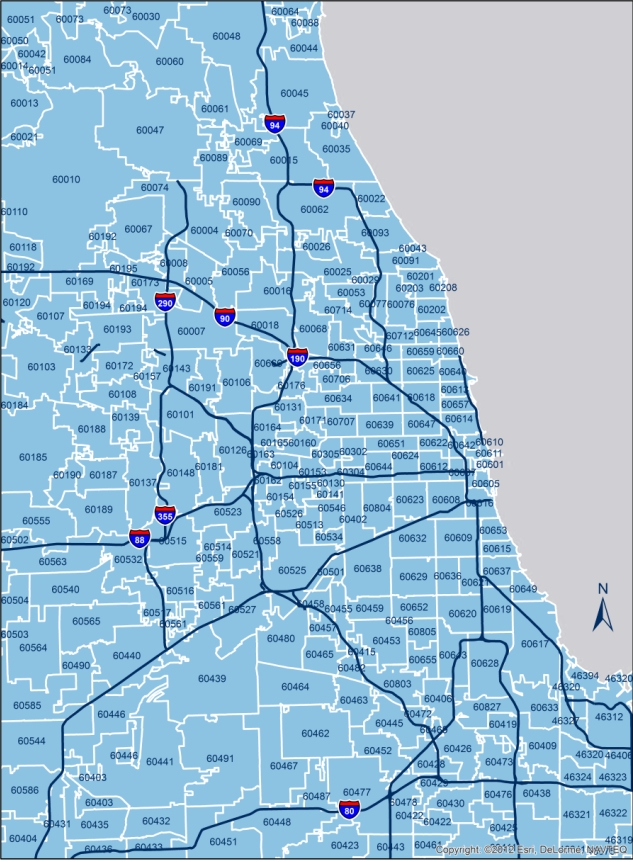
The 606 Zip Code Prefix: A Broad Overview
A significant portion of [Chicago, Illinois] falls under the 606 zip code prefix. This broad designation encompasses a wide range of neighborhoods, from the bustling downtown core to more residential enclaves. Understanding this prefix is a starting point, but the true richness lies in the specific five-digit codes that follow. Each of these codes can represent a single neighborhood, a collection of smaller communities, or even a specific large institution or business. The density of zip codes varies; downtown areas, with their numerous businesses and high-rise residences, may have more localized zip codes compared to more sprawling residential areas.
Key Neighborhoods and Their Zip Codes
Delving into specific zip codes allows for a more granular exploration of [Chicago, Illinois]’s urban landscape. Each zip code can be thought of as a micro-destination, offering a unique blend of attractions, local eateries, and community vibes.
-
The Loop (60601, 60602, 60603, 60604, 60605, 60606, 60607): This is the central business district, a vibrant hub of commerce, culture, and architecture. Here, you’ll find iconic landmarks like Millennium Park, home to “The Bean” (Cloud Gate), and world-class museums such as the Art Institute of Chicago. The zip codes within The Loop are densely populated with businesses, theaters, and hotels, reflecting its status as the city’s economic and cultural heart. Dining options range from upscale steakhouses to casual lunch spots catering to the daily influx of workers and tourists.
-
Lincoln Park (60614): Known for its sprawling namesake park, which includes the Lincoln Park Zoo and the Lincoln Park Conservatory, this neighborhood offers a blend of urban sophistication and community charm. The 60614 zip code is characterized by tree-lined streets, vintage architecture, and a lively mix of shops and restaurants along Lincoln Avenue and Clark Street. It’s a popular area for families and young professionals, offering excellent access to green spaces and cultural institutions.
-
Wicker Park / Bucktown (60622): These adjacent neighborhoods are synonymous with a bohemian and artistic spirit, celebrated for their independent boutiques, vintage shops, art galleries, and eclectic music venues. The 60622 zip code pulsates with a youthful energy, attracting creatives and trendsetters. Milwaukee Avenue serves as a central artery, buzzing with activity from morning coffee shops to late-night bars and restaurants. The area’s vibrant street art scene adds to its unique visual appeal.
-
Lakeview (60657, 60613, 60640): Lakeview is a large and diverse community, encompassing several distinct areas like Wrigleyville, Boystown, and East Lakeview. The 60657 zip code, in particular, is closely associated with the energetic atmosphere of Wrigleyville, the home of the legendary Wrigley Field, home of the Chicago Cubs. Beyond baseball, Lakeview offers a rich tapestry of LGBTQ+ friendly establishments, a wide array of dining options, and proximity to Lake Michigan and its scenic lakefront path.
-
Pilsen (60608): Historically a predominantly Mexican-American neighborhood, Pilsen is renowned for its vibrant Mexican culture, stunning murals, and thriving culinary scene. The 60608 zip code is a destination for authentic Mexican cuisine, from humble taquerias to more established restaurants. The neighborhood’s commitment to the arts is evident in its numerous galleries and the National Museum of Mexican Art. Pilsen offers a deep dive into the cultural heritage that shapes [Chicago, Illinois].
-
Hyde Park (60637): Home to the prestigious University of Chicago and its affiliated institutions, Hyde Park possesses an intellectual and academic aura. The 60637 zip code is also where you’ll find the Museum of Science and Industry and the former residence of President Barack Obama and First Lady Michelle Obama. The neighborhood boasts beautiful architecture, charming cafes, and a strong sense of community, set against the backdrop of Jackson Park.

Practical Applications of Chicago Zip Codes
While understanding the cultural nuances of each zip code is enriching, knowing the specific codes has practical implications for visitors and residents alike.
Navigating and Locating Attractions
When planning a trip to [Chicago, Illinois], or even when exploring your own city, zip codes are indispensable tools. They are the primary way to pinpoint specific locations for navigation apps, booking accommodations, and understanding proximity to desired attractions. If you’re aiming to experience the architectural marvels of The Loop, knowing the 606xx zip codes associated with that area will guide your accommodation search and itinerary planning. Similarly, if you’re interested in the vibrant nightlife of Wicker Park, targeting the 60622 zip code will lead you to the heart of the action.
Accommodation and Services
For travelers, zip codes are a fundamental aspect of booking accommodation. Hotel websites, vacation rental platforms, and even search engines often allow users to filter by zip code. This can be particularly useful when you want to stay within a specific neighborhood’s ambiance or ensure proximity to certain attractions or business districts. For instance, if you’re attending a conference at McCormick Place, identifying the zip code for that area (primarily 60616) will help you find hotels within easy reach.
Understanding Community Demographics and Services
Zip codes can also offer insights into the demographic makeup and the types of services available within a given area. While not a perfect science, certain zip codes are often associated with specific economic profiles, ethnic communities, or dominant age groups. This can influence the types of businesses that thrive in an area, from specialty grocery stores and cultural centers to niche retail outlets and community organizations. Local government services, school districts, and public transportation routes are also often organized or understood in relation to these postal boundaries.
Beyond the Numbers: The Human Element
It’s important to remember that zip codes are administrative divisions. The true essence of [Chicago, Illinois] lies not in the numbers themselves, but in the people who inhabit these areas and the vibrant cultures they cultivate. While a zip code might technically define a boundary, neighborhoods often blend and overlap, and communities are built on human connection, shared experiences, and local pride.
The Evolving Landscape of Chicago Neighborhoods
[Chicago, Illinois] is a city in constant flux. Neighborhoods evolve, demographics shift, and new trends emerge. What might be a distinct characteristic of a zip code today could be influenced by gentrification, new development, or cultural influxes tomorrow. Therefore, while zip codes provide a useful framework for understanding the city, experiencing its neighborhoods firsthand is the best way to truly grasp their unique spirit and character. A zip code is a starting point, a digital address that unlocks a physical space filled with stories, sounds, and sights.
Exploring Chicago Through Its Postal Codes
For the intrepid traveler, using zip codes as a guide can lead to unexpected discoveries. Instead of simply targeting a well-known attraction, try exploring a zip code that catches your eye, allowing yourself to wander and discover the local coffee shops, independent bookstores, community parks, and authentic restaurants that define the everyday life of that area. This approach can lead to more immersive and authentic travel experiences, moving beyond the typical tourist trail and into the heart of Chicago’s diverse communities. The 606xx series of zip codes is not just a postal code; it’s an invitation to explore, engage, and understand the multifaceted soul of [Chicago, Illinois].
LifeOutOfTheBox is a participant in the Amazon Services LLC Associates Program, an affiliate advertising program designed to provide a means for sites to earn advertising fees by advertising and linking to Amazon.com. Amazon, the Amazon logo, AmazonSupply, and the AmazonSupply logo are trademarks of Amazon.com, Inc. or its affiliates. As an Amazon Associate we earn affiliate commissions from qualifying purchases.