
For visitors, residents, and businesses alike, navigating New York, a city synonymous with ambition, culture, and endless possibilities, often begins with a fundamental question: “What is the zip code New York?” The simple answer is that there isn’t just one. New York City (NYC), a sprawling metropolis of five boroughs, hundreds of distinct neighborhoods, and millions of people, is serviced by a complex and extensive network of zip codes, each meticulously designed to pinpoint locations for mail delivery, urban planning, and a myriad of other critical functions. Understanding this system is not merely about sending a postcard; it’s a key to unlocking the city’s diverse geography, predicting travel times, identifying local cultures, and even making informed decisions about accommodation.

This article delves into the intricate world of New York City zip codes, exploring their structure, their significance for tourists and residents, and how they define the unique character of different areas. Whether you’re planning a trip to experience the iconic landmarks, searching for a specific hotel, or simply curious about the city’s organizational backbone, deciphering NYC’s zip code map offers invaluable insights into the rhythm and structure of one of the world’s greatest cities.
Understanding New York City’s Complex Zip Code System
The concept of a Zone Improvement Plan (ZIP) code was introduced by the United States Postal Service (USPS) in 1963 to streamline mail delivery across the United States. For a city as vast and densely populated as New York, a single identifying code would be utterly insufficient. Instead, NYC is subdivided into hundreds of distinct zip code zones, each representing a specific geographical area, often corresponding to neighborhoods, business districts, or even large institutional complexes.
The Basics: Why Multiple Zip Codes?
The primary reason for New York City’s multitude of zip codes is sheer scale and population density. Imagine trying to deliver mail efficiently in a city where a single block can house thousands of residents and numerous businesses. Each zip code serves as a unique identifier for a smaller, manageable area, facilitating everything from postal logistics to emergency service dispatch. Beyond mail, these codes have evolved into essential tools for demographic analysis, market research, urban planning, and even navigating digital maps and ride-sharing services. For travelers, knowing the zip code of their destination or accommodation can instantly convey its general location, helping them understand its proximity to attractions, public transport, and various amenities. It’s a quick shortcut to understanding “where” you are in the vast expanse of the city.
Deciphering the Digits: How NYC Zip Codes Work
United States zip codes are five digits long, sometimes extended with a four-digit suffix (ZIP+4) for even more precise location. In New York City, the first digit typically indicates a broad geographical region within the United States (e.g., “1” for the northeastern United States, which includes New York). The subsequent digits further narrow down the location.
For NYC, the structure generally follows this pattern:
- 100xx – 104xx: Predominantly cover Manhattan and The Bronx. Manhattan primarily uses 100xx through 102xx, while The Bronx largely utilizes 104xx.
- 110xx – 114xx: Primarily encompass Brooklyn and Queens. Brooklyn generally falls within 112xx, and Queens uses 111xx, 113xx, and 114xx.
- 103xx: Exclusively for Staten Island.
This initial digit understanding gives a broad sense of which borough an address belongs to, a critical piece of information for planning travel, especially across the city’s distinct cultural landscapes.
Navigating New York City by Zip Code: A Tourist’s Perspective
For anyone venturing into the concrete jungle, understanding the geographical distribution of zip codes can significantly enhance the travel experience. It’s a practical tool for planning itineraries, understanding neighborhood vibes, and ensuring efficient navigation between attractions.
Iconic Manhattan Zip Codes and Their Landmarks
Manhattan, the heart of New York City and often the primary focus for tourists, boasts some of the most famous zip codes, each corresponding to an area rich in landmarks, culture, and unique experiences.
- 10001 (Chelsea, Midtown West, Hudson Yards, Penn Station): This zip code is a nexus of activity, home to New York Penn Station, a major transportation hub. It also encompasses the trendy neighborhood of Chelsea, known for its art galleries and the Chelsea Market, and the ultra-modern development of Hudson Yards, featuring The Vessel and panoramic views.
- 10003 (East Village, Union Square, Gramercy Park): A vibrant area beloved for its bohemian past, diverse dining, and thriving nightlife. It includes Union Square, a popular park and market, and the exclusive, picturesque neighborhood of Gramercy Park.
- 10005 (Financial District): The epicenter of global finance, this zip code includes Wall Street, the New York Stock Exchange, and the solemn 9/11 Memorial & Museum. It offers a stark contrast between historical gravitas and modern commercial dynamism.
- 10011 (West Village, Chelsea): Part of the historic Greenwich Village area, known for its charming brownstones, jazz clubs, and literary history. It also houses segments of the beautiful High Line urban park.
- 10014 (Greenwich Village): The quintessential bohemian neighborhood, characterized by its narrow, tree-lined streets, historic architecture, and a lively arts scene. It’s perfect for leisurely strolls and discovering quaint shops and cafes.
- 10018 (Garment District, Times Square): This zip code puts you right in the dazzling heart of Midtown Manhattan, encompassing the vibrant spectacle of Times Square and the world-renowned Broadway theater district. It’s an area of constant motion and iconic tourist appeal.
- 10019 (Midtown West, Theatre District): Extending from Times Square, this area is home to numerous Broadway theaters, Carnegie Hall, and parts of Rockefeller Center. It’s a hub for entertainment, business, and major hotels.
- 10020 (Rockefeller Center): A specific zip code for the iconic Rockefeller Center complex itself, known for its Top of the Rock observation deck, seasonal ice rink, and impressive Art Deco architecture.
- 10022 (Midtown East, Sutton Place): A prestigious area featuring corporate headquarters, luxury shopping along Fifth Avenue, and landmarks like St. Patrick’s Cathedral and the United Nations Headquarters.
- 10023 (Upper West Side): Known for its elegant pre-war buildings, cultural institutions like the American Museum of Natural History, and proximity to Central Park. It offers a more residential, family-friendly feel while still being distinctly urban.
- 10024 (Upper West Side): Another prominent Upper West Side zip code, bordering Central Park and embodying classic New York charm with its grand avenues and cultural vibrancy.
- 10025 (Upper West Side): Continues the residential and cultural feel of the Upper West Side, offering diverse dining options and easy access to both Central Park and the Hudson River Greenway.
- 10028 (Upper East Side): Synonymous with luxury and old-world elegance, the Upper East Side is home to prestigious boutiques, high-end residences, and cultural institutions along “Museum Mile,” including the Metropolitan Museum of Art.
- 10036 (Theatre District, Times Square): Another crucial zip code for the entertainment industry, home to many Broadway theaters and bustling restaurants, hotels, and attractions near Times Square.
Beyond Manhattan: Exploring Other Boroughs
While Manhattan draws much attention, the other boroughs offer equally rich and diverse experiences, each with its own set of zip codes that define unique local cultures and attractions.
- Brooklyn: The 112xx series covers Brooklyn.
- 11201 (Downtown Brooklyn, Brooklyn Heights, DUMBO): This area boasts stunning views of the Manhattan skyline, the iconic Brooklyn Bridge, and historic neighborhoods like Brooklyn Heights and DUMBO, known for its art scene and waterfront parks.
- 11211 (Williamsburg): A global hotspot for trendsetters, artists, and foodies. Williamsburg is renowned for its vibrant nightlife, boutique shops, and diverse culinary scene, offering a distinctly modern Brooklyn experience.
- 11215 (Park Slope, Prospect Heights): Known for its beautiful brownstones, family-friendly atmosphere, and proximity to Prospect Park and the Brooklyn Museum.
- Queens: The 111xx, 113xx, 114xx series cover Queens.
- 11101 (Long Island City): A rapidly developing waterfront neighborhood offering incredible views of Manhattan, a thriving arts scene with institutions like MoMA PS1, and a growing number of hotels and restaurants. Its proximity to Manhattan makes it an excellent base for visitors.
- 11375 (Forest Hills): A charming, upscale residential neighborhood known for its historic Tudor-style homes, lush green spaces, and the renowned Forest Hills Stadium.
- 11354 (Flushing): The heart of one of NYC’s largest Chinatowns, offering an immersive cultural experience with authentic Asian cuisine, markets, and shops. It’s also near Citi Field and Flushing Meadows-Corona Park.
- The Bronx: The 104xx series covers The Bronx.
- 10451 (Grand Concourse, Concourse Village): Features the historic Grand Concourse, modeled after Parisian boulevards, and is close to Yankee Stadium, home of the New York Yankees.
- 10460 (Bronx Zoo, Fordham University): Home to the world-famous Bronx Zoo and the extensive New York Botanical Garden, offering vast green spaces and educational experiences.
- Staten Island: The 103xx series covers Staten Island.
- 10301 (St. George): The entry point for the Staten Island Ferry, offering free, spectacular views of the Statue of Liberty and Manhattan skyline. It’s also home to the St. George Theatre and the Staten Island Museum.
Practical Applications for Travelers and Visitors
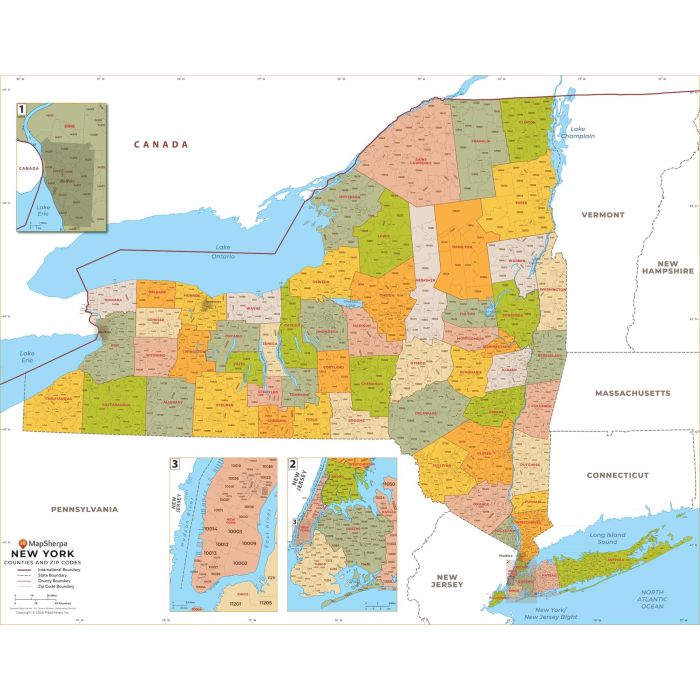
Understanding NYC zip codes goes beyond mere curiosity; it’s a practical tool for maximizing a trip:
- Accommodation Search: When booking hotels or short-term rentals, comparing zip codes helps determine proximity to desired attractions, public transport, and airport access (LaGuardia Airport, JFK Airport, Newark Liberty International Airport). For instance, a hotel in 10019 (Midtown West) will offer different access and atmosphere than one in 11101 (Long Island City), even if both are convenient.
- Itinerary Planning: Grouping attractions by zip code or contiguous zip code areas (e.g., Lower Manhattan from 10004 to 10013) can optimize travel time and reduce reliance on extensive public transport between disparate locations.
- Local Experience: Zip codes often reflect distinct neighborhood identities. For instance, dining in 10012 (SoHo) offers a different vibe and culinary focus than dining in 10032 (Washington Heights). Using zip codes can help travelers immerse themselves in specific local cultures.
- Cost Awareness: Generally, zip codes closer to major Manhattan attractions (e.g., Midtown, Upper East Side) tend to have higher costs for hotels, food, and activities. Exploring adjacent zip codes in other boroughs can often yield more budget-friendly options without sacrificing convenience.
Zip Codes and Accommodation: Finding Your Perfect Stay
For many travelers, accommodation is one of the most significant aspects of their trip planning. New York City’s diverse accommodation landscape – from luxurious suites to boutique hotels, budget-friendly apartments, and long-term stay options – is heavily influenced by zip codes.
How Zip Codes Influence Hotel Choices and Pricing
Hotel prices in NYC can vary dramatically, and zip codes are a key indicator of these fluctuations. Areas with high demand, prime locations near major business districts or iconic landmarks, and superior amenities naturally command higher prices.
- Luxury and Prime Location (e.g., 10019, 10022, 10028): Zip codes covering Midtown, the Theatre District, and the Upper East Side host many of the city’s most prestigious hotels like The Plaza Hotel, Ritz-Carlton Central Park, and Four Seasons Hotel New York Downtown. These areas offer unparalleled access to attractions like Central Park, Fifth Avenue shopping, and Broadway shows, reflected in their premium rates.
- Convenience and Business Travel (e.g., 10001, 10036): Zip codes around Penn Station, Times Square, and the Garment District are popular for business travelers and tourists seeking central locations. Hotels here, such as Hilton Midtown or Grand Hyatt New York, prioritize connectivity and accessibility to corporate offices and transit.
- Emerging and Budget-Friendly Options (e.g., 11101, 11211): For those seeking more value, zip codes in rapidly developing areas like Long Island City (Queens) or Williamsburg (Brooklyn) offer a growing number of stylish hotels and boutique accommodations at more competitive prices. These areas often provide stunning skyline views and vibrant local scenes, coupled with easy subway access to Manhattan.
- Boutique and Neighborhood Immersion (e.g., 10014, 11215): Zip codes in neighborhoods like Greenwich Village or Park Slope host charming guesthouses and smaller boutique hotels, offering a more intimate, local experience away from the bustling tourist hubs.
When evaluating accommodation, always cross-reference the zip code with a map to visualize its proximity to public transportation (subway lines are crucial in NYC), desired attractions, and dining options. Reviews and comparisons often highlight the pros and cons of staying in specific areas, further informed by understanding their zip code context.
Booking Smart: Using Zip Codes for Long-Term Stays and Apartments
For longer visits, relocating, or specific project-based stays, apartments and extended-stay hotels become more attractive. Zip codes are even more critical here, as they define not just convenience but also the daily lifestyle. A zip code in a primarily residential area (e.g., 10025 Upper West Side or 11215 Park Slope) will offer different amenities (grocery stores, local parks, community centers) than one in a commercial or highly touristy zone.
Platforms for booking apartments or short-term rentals heavily rely on zip codes for filtering searches. Knowing the specific zip codes for areas like Lower East Side (10002), known for its vibrant history and nightlife, or Upper Manhattan (e.g., 10031 Hamilton Heights), which offers a more authentic neighborhood feel and diverse community, allows users to target their search effectively. This precision helps in finding accommodation that aligns not only with budget and size requirements but also with the desired lifestyle and cultural experience during an extended visit.
The Cultural and Economic Significance of NYC Zip Codes
Beyond their practical applications for mail and navigation, zip codes in New York City are powerful indicators of cultural identity, demographic shifts, and economic trends. They are often shorthand for specific lifestyles, income brackets, and even political leanings, painting a nuanced picture of the city’s incredible diversity.
Lifestyle, Demographics, and Neighborhood Identity
Each NYC zip code often correlates with a distinct demographic profile and lifestyle.
- Luxury & Exclusivity: Zip codes like 10021 (Upper East Side) or 10013 (Tribeca) are synonymous with high-end living, luxury boutiques, fine dining, and a predominantly affluent population.
- Bohemian & Artistic: Areas like 10014 (Greenwich Village) or 11211 (Williamsburg) evoke a sense of artistic freedom, independent businesses, and a vibrant, often youthful, creative community.
- Family-Friendly & Residential: Zip codes such as 11215 (Park Slope) or 10024 (Upper West Side) are known for their beautiful parks, excellent schools, and a focus on community, attracting families seeking a balance between urban living and suburban comforts.
- Cultural Enclaves: Zip codes like 11354 (Flushing) in Queens or 10002 (Lower East Side) in Manhattan represent rich cultural tapestries, home to specific immigrant communities, their unique cuisines, traditions, and festivals.
These associations make zip codes not just numerical identifiers but cultural markers, helping residents and visitors understand the social fabric of the city. For those interested in local culture, food, and activities, researching the zip code of their potential destination can reveal a treasure trove of authentic experiences.

The Real Estate Landscape and Economic Indicators
In the competitive New York City real estate market, zip codes are paramount. They are direct indicators of property values, rental costs, and investment potential. Developers, real estate agents, and urban planners use zip codes extensively to analyze market trends, identify areas for growth or gentrification, and inform pricing strategies.
For example, a sudden increase in demand for apartments in a specific Queens zip code like 11101 (Long Island City) can signal rapid development and a shift in its economic landscape, attracting new businesses and amenities. Conversely, zip codes in historically affluent areas like 10065 (Upper East Side) consistently maintain some of the highest property values in the United States.
Moreover, zip codes are often used by businesses to target marketing campaigns, understand consumer behavior, and strategically place new stores or services. This economic significance underscores how deeply integrated these five-digit codes are into the city’s commercial and social ecosystems. They are not merely for mail but serve as vital arteries in the economic heartbeat of New York City.
In conclusion, while the question “What is the zip code New York?” might seem straightforward, its answer unfolds into a fascinating exploration of one of the world’s most dynamic cities. New York City’s zip code system is a testament to its scale and complexity, a practical tool for daily life, and a rich source of information for understanding its diverse neighborhoods, iconic landmarks, and ever-evolving cultural and economic landscapes. Whether you’re a first-time visitor or a seasoned New Yorker, appreciating the power of the zip code opens up new ways to connect with and navigate this extraordinary metropolis.
LifeOutOfTheBox is a participant in the Amazon Services LLC Associates Program, an affiliate advertising program designed to provide a means for sites to earn advertising fees by advertising and linking to Amazon.com. Amazon, the Amazon logo, AmazonSupply, and the AmazonSupply logo are trademarks of Amazon.com, Inc. or its affiliates. As an Amazon Associate we earn affiliate commissions from qualifying purchases.