
The question “What is the zip code of Florida USA?” often arises from a common misunderstanding: that an entire state, particularly one as vast and diverse as Florida, could be encompassed by a single postal code. In reality, Florida does not have a single zip code. Instead, like all states in the United States, it is segmented into thousands of unique five-digit and nine-digit (ZIP+4) codes, each meticulously assigned to specific geographic areas, from bustling urban centers to serene rural communities and barrier islands. For anyone planning to explore the Sunshine State, understanding this intricate system is not merely a logistical detail but a fundamental aspect of effective travel planning and an enriched experience.
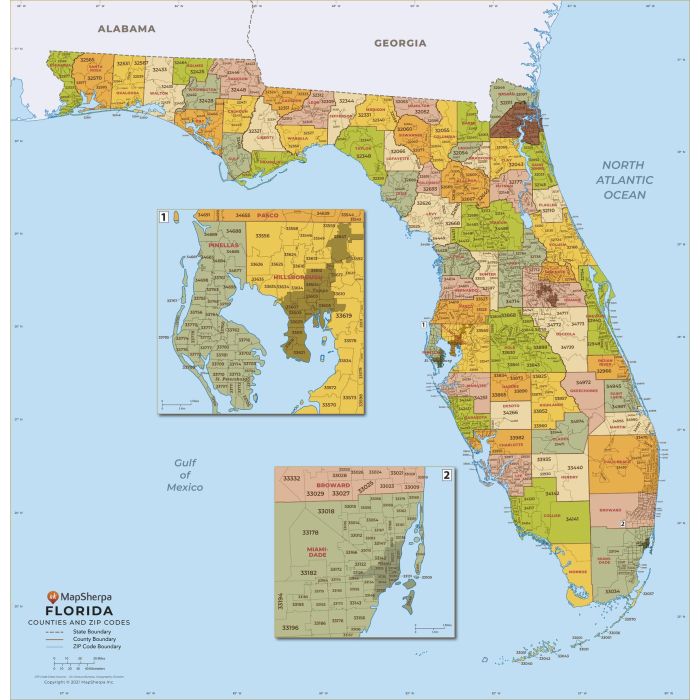
Zip codes are a cornerstone of modern logistics, developed by the United States Postal Service (USPS) to streamline mail delivery. However, their utility extends far beyond just postage, becoming indispensable tools for navigation, local area identification, and even market research. For travelers, they offer a granular lens through which to view and interact with a destination. This article will delve into the multifaceted world of Florida’s zip codes, explaining their structure, their significance for different travel experiences, and how savvy visitors can leverage this knowledge to optimize their journeys across the state’s varied landscapes.
The Intricacies of Florida’s Postal Geography
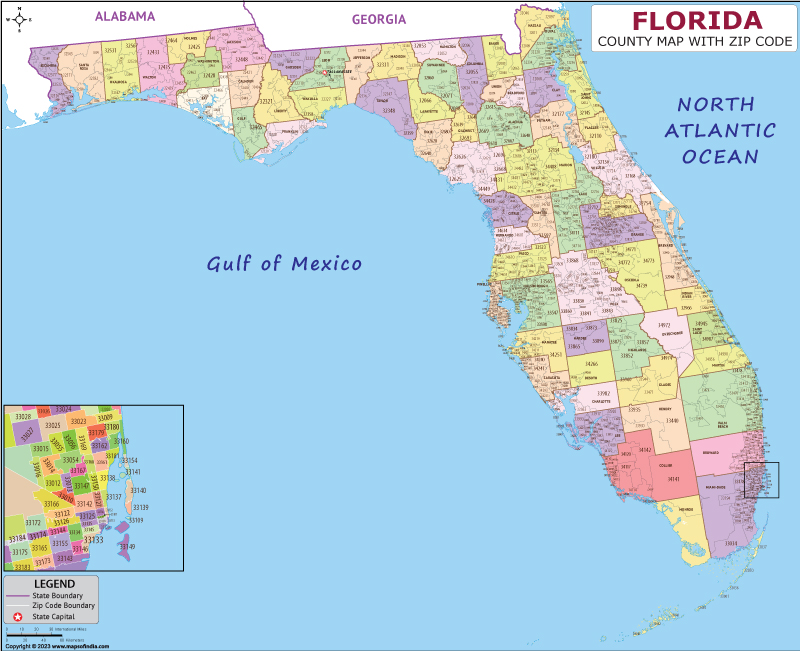
Understanding Florida’s postal code system begins with recognizing its immense geographical and demographic diversity. The state stretches over hundreds of miles, encompassing everything from major metropolitan areas like Miami and Orlando to remote natural preserves, thousands of miles of coastline, and countless islands. Each of these distinct environments requires a unique postal identifier, making the concept of a single statewide zip code impractical and incorrect.
Demystifying ZIP Codes: A Primer for Travelers
A ZIP (Zone Improvement Plan) code is essentially a numerical address that pinpoints a specific geographic delivery area. The basic five-digit code broadly defines a region, while the extended ZIP+4 code provides even greater precision, often narrowing down to a specific block, building, or even a large organization within that initial five-digit zone. For instance, while a general area in Orlando might share a five-digit code, specific attractions like Walt Disney World Resort or a particular hotel will often have a unique ZIP+4 extension, crucial for direct deliveries or highly localized services.
For travelers, this granularity is incredibly valuable. Knowing the specific zip code of your destination – whether it’s a hotel, an attraction, or a friend’s residence – ensures accurate navigation, efficient parcel delivery, and precise service location. It’s the digital equivalent of knowing the exact street number on a physical map, guiding you with pinpoint accuracy rather than just a general vicinity.
The Geographic Tapestry of Florida’s Postal Zones
Florida’s zip codes are not random; they follow a logical pattern, generally starting with “3” for the state. The subsequent digits further delineate regions:
- 320xx to 329xx: Primarily covers northern and central Florida, including cities like Jacksonville, Tallahassee, and Gainesville.
- 330xx to 339xx: Encompasses southern Florida, including the greater Miami area, Fort Lauderdale, Naples, and the Florida Keys.
- 340xx-349xx: Typically used for military installations or specific large-volume mailers, though some residential areas may also fall within this range.
This structured numbering system means that by simply looking at the first few digits of a zip code, a savvy traveler can gain an immediate sense of which part of the state a particular location is in. This is especially helpful when browsing accommodation options or planning driving routes across significant distances.
Navigating Florida’s Diverse Regions Through ZIP Codes
For travelers, zip codes are not just about mail; they are powerful identifiers for regional characteristics, service availability, and even the local ambiance. Each zip code area in Florida often has its own distinct personality, making them invaluable for tailoring your travel experience.
From Urban Hubs to Coastal Retreats: Distinct Postal Identifiers
Consider the stark contrast between the zip codes of urban centers versus tranquil coastal towns. A zip code like 33139 for South Beach in Miami Beach instantly evokes images of vibrant nightlife, art deco architecture, and high-end dining. In contrast, a zip code for a quiet nature preserve in the Everglades would denote an entirely different set of experiences, focusing on wildlife and outdoor adventures.
When searching for accommodations, activities, or dining, using specific zip codes rather than just city names can significantly refine your search results. This precision helps in finding exactly the type of environment you desire, whether it’s the bustling energy of Downtown Orlando (e.g., 32801) or the laid-back charm of a Keys outpost (e.g., 33040 for Key West).
Planning Your Itinerary: Leveraging ZIP Codes for Precision

Effective travel planning hinges on understanding proximity and logistical flow. By mapping out your desired attractions using their respective zip codes, you can build a highly efficient itinerary. For instance, if you’re visiting Orlando, you might prioritize attractions within specific zip code clusters to minimize travel time. Walt Disney World Resort has several internal zip codes, for example, 32830, 32836, and 34747, indicating its vastness and the need for internal navigation, while Universal Orlando Resort is primarily in 32819. Understanding these distinctions helps in booking hotels that are genuinely close to your primary interests, rather than just “in Orlando.”
Case Studies: Miami, Orlando, and the Florida Keys
- Miami: A city of diverse neighborhoods, each with its own character reflected in its zip codes. 33130 might bring you to Little Havana with its Cuban culture, while 33132 targets the financial district of Downtown Miami. Knowing these helps a traveler choose their base strategically.
- Orlando: Beyond the major theme parks, Orlando features distinct areas. If you’re looking for shopping, 32819 (near Mall at Millenia) would be relevant. For conventions, 32819 and 32821 often correspond to areas near the Orange County Convention Center.
- Florida Keys: This string of islands relies heavily on distinct zip codes to differentiate between its various communities. From the uppermost island of Key Largo (e.g., 33037) to the southernmost point in Key West (33040), each island offers a unique atmosphere and specific attractions, which can be pinpointed by their postal codes.
Beyond Logistics: How ZIP Codes Shape Your Florida Experience
While primarily logistical, zip codes offer a fascinating indirect insight into the local culture, demographics, and typical tourist experience of an area within Florida. They can subtly influence everything from dining options to the style of accommodations available.
Local Services and Attractions: Proximity Defined
When searching for specific services like highly-rated local restaurants, unique boutiques, or even niche entertainment venues, filtering by zip code can be incredibly effective. Many online platforms allow users to specify a zip code, instantly narrowing down options to those within a walkable or short-drive radius. This is particularly useful in sprawling cities where a “city-wide” search might yield results miles away from your actual location. For example, if you’re staying in St. Petersburg (zip codes typically starting with 337xx), searching for “restaurants” within your specific zip code will yield relevant local eateries, rather than suggestions from neighboring Tampa (zip codes starting with 336xx).
Tailoring Your Stay: Finding the Perfect Niche
Travelers often seek a specific ambiance: perhaps a quiet, family-friendly neighborhood, a vibrant arts district, or a secluded beachfront retreat. Zip codes frequently align with these distinct community identities. Researching the characteristics associated with various zip codes in your target city can help you select the ideal area for your stay. Do you want to be amidst the energy of Orlando’s International Drive (part of 32819 and 32821), or prefer the historic charm of Winter Park (32789), a short drive away? Knowing the zip code will lead you to the right reviews, local insights, and accurate accommodation listings that match your desired travel style.
Practical Applications for the Savvy Florida Traveler
Equipping yourself with knowledge of Florida’s zip codes transforms you from a general visitor into a well-informed explorer, capable of making precise choices and navigating the state with confidence.
Booking Accommodation and Transportation
When booking hotels, vacation rentals, or even rideshare services, the exact zip code of your destination is paramount. It ensures your booking is precisely where you intend it to be, avoiding potential confusion or misdirection. Many booking websites use zip codes as a primary filter, allowing you to search for lodging within a specific radius of a landmark or neighborhood. For transportation, whether renting a car and returning it to a specific airport branch (each terminal often has its own zip code variant) or arranging a shuttle, accurate postal information guarantees smooth transitions. For instance, Miami International Airport uses 33142, while Orlando International Airport uses 32827.
Locating Specific Landmarks and Attractions
While GPS systems have made navigation seemingly effortless, understanding the underlying zip code structure adds another layer of certainty. Many major attractions, especially sprawling theme parks or large resorts, are so extensive that their main entrance or a specific gate might be better located using a precise zip code rather than just a general address. Entering “32830” into your GPS will guide you directly to a primary entry point for Walt Disney World Resort, minimizing potential confusion that a broader address might cause. The same applies to specific museums, historical sites, or even particular sections of a large national park like Everglades National Park.
Essential Services and Emergency Preparedness
In the unlikely event of an emergency or the need for local services while traveling, knowing your exact zip code can expedite assistance. Whether it’s ordering a local delivery, locating the nearest pharmacy, or providing information to emergency services, precise location data is critical. Travel insurance, medical services, and even local government information are often tied to specific geographic zones, making zip codes a valuable piece of information to have at hand.
In conclusion, while Florida does not possess a single zip code, its vast network of postal identifiers is a rich source of information for the discerning traveler. Far from being a mere logistical detail, understanding and utilizing Florida’s diverse zip code system empowers visitors to plan more effectively, navigate more precisely, and ultimately, experience the Sunshine State in a more nuanced and fulfilling way.
LifeOutOfTheBox is a participant in the Amazon Services LLC Associates Program, an affiliate advertising program designed to provide a means for sites to earn advertising fees by advertising and linking to Amazon.com. Amazon, the Amazon logo, AmazonSupply, and the AmazonSupply logo are trademarks of Amazon.com, Inc. or its affiliates. As an Amazon Associate we earn affiliate commissions from qualifying purchases.