
Louisiana is a tapestry of contradictions and charms, a place where the rhythmic pulse of jazz, the intoxicating aroma of slow-simmered gumbo, and the haunting beauty of ancient bayous converge. It is a state that does not merely welcome visitors; it envelops them in a sensory experience unlike anywhere else in the United States. Whether you are drawn by the neon-lit history of legendary streets or the quiet majesty of moss-draped cypress forests, the Pelican State offers a multifaceted itinerary that caters to the historian, the epicurean, and the adventurer alike.
The Soul and Symphony of New Orleans
No exploration of the state can begin anywhere other than New Orleans. This city is the heartbeat of the Gulf South, a place where centuries of French, Spanish, Caribbean, and African influences have coalesced into a culture that remains fiercely proud and uniquely vibrant.

The Historic French Quarter
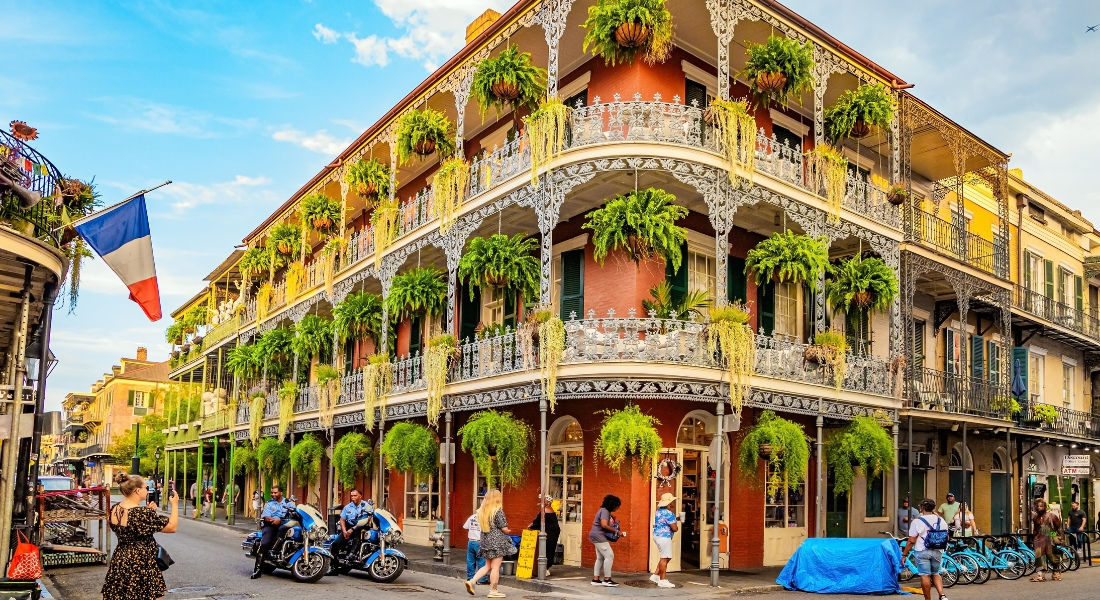
Stepping into the French Quarter is like walking through a living museum. Beyond the infamous revelry of Bourbon Street, you will find hidden courtyards, wrought-iron balconies, and the architectural mastery of the St. Louis Cathedral. During the day, the district hums with the sound of brass bands and the chatter of street performers. A visit here is incomplete without a stop at Café Du Monde for a signature order of beignets dusted in a mountain of powdered sugar, paired with a rich café au lait.
Music and Memory
To truly understand Louisiana, you must listen to it. Frenchmen Street serves as the authentic alternative to the city’s more commercial nightlife districts. Here, intimate jazz clubs like The Spotted Cat Music Club offer a front-row seat to the virtuosity that keeps the soul of jazz, blues, and funk alive. The city’s history is further honored in The National WWII Museum, a world-class institution that provides a sobering and deeply immersive look into the global conflict that shaped the modern world.
The Mystique of the Bayou and Plantation Country
Leaving the urban intensity of the Crescent City, the landscape opens up into the sprawling, verdant expanse of Cajun Country and the River Road. This is the land of the Mississippi River, where the past looms as large as the ancient oaks that line the water.
Exploring the Wetlands
The swamplands are the defining geographical feature of the region. Taking a swamp tour through the Atchafalaya Basin or the Honey Island Swamp allows you to witness an ecosystem that is both alien and breathtaking. Gliding through the still, black waters, you are likely to spot great blue herons, turtles, and the occasional alligator basking on a log. These tours are not just about wildlife; they are an education in the fragile nature of the wetlands and the cultural history of the people who have lived alongside them for generations.
The Weight of History
Along the banks of the river, several historic estates offer a somber yet vital perspective on the state’s complex history. Oak Alley Plantation, famous for its iconic canopy of 300-year-old oak trees, provides a stark contrast between the architectural beauty of the antebellum period and the harrowing reality of slavery. Furthering this education, Whitney Plantation stands out for its focus on the lives and narratives of the enslaved people who built and sustained these agricultural empires, offering an essential perspective that is necessary for a complete understanding of the American South.
Cajun Culture and the Capital City
As you move westward toward Lafayette and north toward the capital, Baton Rouge, the culture shifts. This is the heart of Acadiana, where the Cajun heritage—marked by a distinct dialect, fiddle-heavy music, and an uncompromising approach to spice—takes center stage.
The Culinary Pilgrimage
Food in Louisiana is treated with the reverence of a religious ritual. In Breaux Bridge, known as the “Crawfish Capital of the World,” you can experience a traditional crawfish boil, an event that is as much about community as it is about cuisine. Whether you are sampling spicy étouffée, crispy boudin links, or a massive po’boy, the flavor profiles here are earthy and robust. The culinary scene in Baton Rouge is equally impressive, with a sophisticated blend of traditional soul food and modern fine dining that reflects its status as a bustling political and academic hub.
Governance and Greenery
In Baton Rouge, the Louisiana State Capitol is a marvel of Art Deco architecture. As the tallest state capitol building in the country, it offers panoramic views of the city and the river. After taking in the sights of the capital, a stroll through the Louisiana State University campus provides a look at one of the most beautiful academic settings in the region, featuring the LSU Rural Life Museum, which meticulously preserves the artifacts and structures of 18th and 19th-century life in the region.
The Northern Reach and Scenic Byways
While the southern portion of the state is often the focus of travel guides, the northern regions offer their own unique allure. Shreveport and Monroe serve as gateways to the piney woods and the red river valley, providing a quieter experience characterized by outdoor recreation and local festivals.
Nature and Reflection
The Kisatchie National Forest provides miles of hiking trails and scenic vistas that defy the stereotype of Louisiana as purely flat marshland. It is a haven for those who enjoy birdwatching, mountain biking, or simply escaping the frantic pace of the city. For those interested in the arts and literature, a journey through the small towns of the north often reveals a rich tradition of storytelling and folk art that is deeply tied to the land.

A State of Celebration
Regardless of where you land, the spirit of Louisiana is defined by its calendar of events. From the world-famous Mardi Gras celebrations that turn the streets into a kaleidoscope of color, to the New Orleans Jazz and Heritage Festival, the state is constantly in motion. These celebrations are more than just parties; they are deep-rooted expressions of resilience, creativity, and the joy of living.
Ultimately, to ask what there is to do in Louisiana is to ask how one wishes to be transformed. The state does not offer a passive vacation; it offers an immersive encounter. You will leave with the taste of cayenne on your palate, the sound of an accordion ringing in your ears, and a new appreciation for the complicated, beautiful, and enduring legacy of this unique corner of the world.
LifeOutOfTheBox is a participant in the Amazon Services LLC Associates Program, an affiliate advertising program designed to provide a means for sites to earn advertising fees by advertising and linking to Amazon.com. Amazon, the Amazon logo, AmazonSupply, and the AmazonSupply logo are trademarks of Amazon.com, Inc. or its affiliates. As an Amazon Associate we earn affiliate commissions from qualifying purchases.