
Alaska, a land of vast wilderness and unparalleled natural beauty, presents a unique temporal landscape for travelers. It’s a place where the conventional rhythm of day and night often bends to the whims of extreme seasons, and where the concept of “time” can feel both more expansive and intensely present. Understanding this unique Alaskan temporality is key to truly experiencing its magic, from the fleeting days of summer to the long, star-dusted nights of winter. This isn’t just about clocks and calendars; it’s about aligning with the profound, cyclical pulse of the Last Frontier.

The Dance of Daylight: Summer and Winter Solstices
The most striking aspect of time in Alaska is its dramatic variation in daylight hours. This is most pronounced around the summer solstice in June and the winter solstice in December.
The Midnight Sun Phenomenon
During the Alaskan summer, particularly in the northern latitudes, the sun barely dips below the horizon. This phenomenon, known as the “Midnight Sun,” means that daylight can last for 18 to 24 hours a day in places like Fairbanks and Utqiagvik (formerly Barrow). For visitors, this translates into extended opportunities for exploration and adventure. Imagine hiking a mountain trail at 10 PM under a bright sky, or enjoying a leisurely boat tour through a fjord as the sun casts a golden glow on the water well into the evening. This prolonged daylight can initially disorient visitors, but it also offers an incredible sense of boundless time for experiencing the Alaskan wilderness. Many local businesses and attractions extend their operating hours to take advantage of the extended daylight, allowing for a more flexible itinerary. It’s a time for outdoor activities that might otherwise be rushed, encouraging a slower, more immersive engagement with the environment.
The Polar Night and Aurora Borealis
Conversely, as winter descends, the hours of daylight shrink dramatically. In the northernmost regions, there are periods of “Polar Night,” where the sun may not rise above the horizon for weeks. This doesn’t necessarily mean perpetual darkness; dawn and dusk can cast a soft, ethereal glow for several hours, bathing the snow-covered landscapes in shades of pink, purple, and blue. This is the prime time for experiencing the awe-inspiring Aurora Borealis. The long, dark nights provide the perfect canvas for this celestial spectacle. While the shortened days might suggest a period of hibernation, Alaskan winters are vibrant in their own right, with opportunities for activities like dog sledding, snowmobiling, and ice fishing. The reduced daylight encourages a different pace of travel, often focusing on cozy lodges, warm firesides, and the profound stillness of the Alaskan winter.
Time Zones and Practicalities
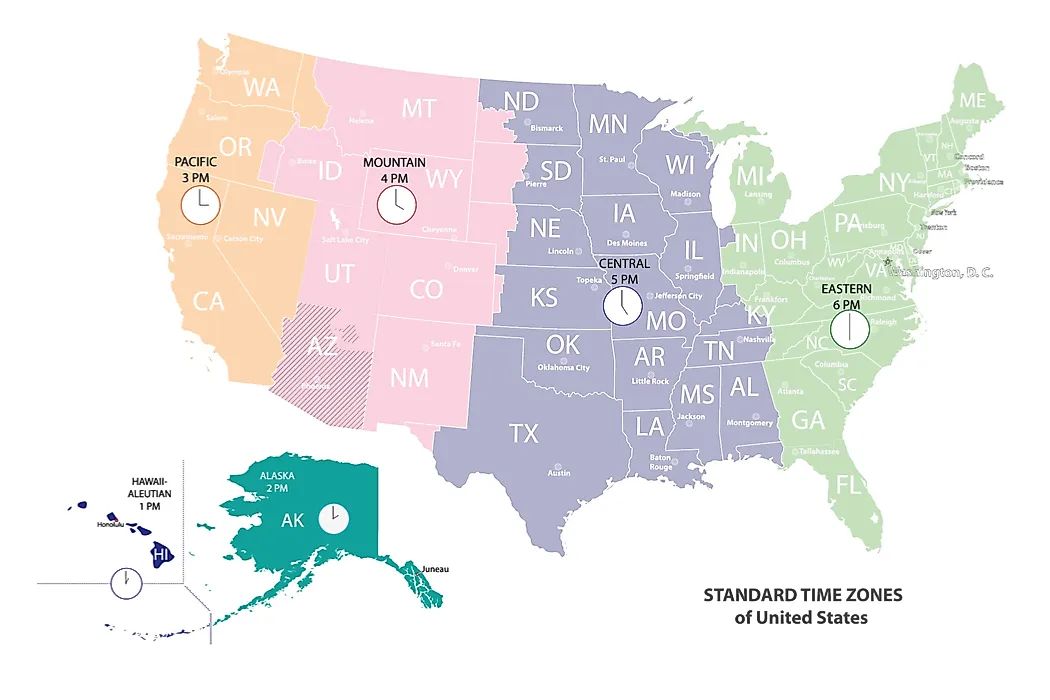
Beyond the natural cycles of light, Alaska also adheres to a standardized time zone, which is crucial for planning travel logistics.
Alaska Standard Time (AKST)
Alaska observes Alaska Standard Time (AKST), which is UTC-9. During daylight saving time, it shifts to Alaska Daylight Time (AKDT), which is UTC-8. This means Alaska is generally two hours behind Pacific Standard Time and five hours behind Eastern Standard Time. When booking flights to cities like Anchorage or Juneau, it’s essential to be mindful of this time difference. Miscalculations can lead to missed connections or arriving at accommodations at inconvenient hours.
Coordinating Activities and Services
Understanding Alaska’s time zone is vital for coordinating tours, dining reservations, and visits to attractions. Many tour operators and activity providers operate on Alaska Standard Time. For instance, a wildlife cruise departing from Seward will have a specific departure time according to AKST/AKDT. Similarly, reservations at popular restaurants in places like Homer need to be made with this time difference in mind, especially when communicating with people in other time zones.

Experiencing Alaskan Time: A Different Pace
The very essence of time in Alaska encourages a departure from the hurried pace often associated with modern life. It’s an invitation to slow down and immerse oneself in the present moment.
Embracing the Natural Rhythms
Traveling in Alaska is an opportunity to reconnect with nature’s clocks. Instead of rigidly adhering to a packed schedule, visitors are encouraged to be present. Witnessing the subtle shift of light as the sun inches towards the horizon in summer, or feeling the profound quiet of a snow-laden landscape in winter, are experiences that transcend the tick-tock of a watch. Many travelers find that the sheer scale of the landscape, from the towering Denali to the expansive coastlines, naturally induces a sense of awe and a willingness to let go of time constraints.
The Culture of “Alaskan Time”
There’s a colloquial understanding in Alaska, sometimes referred to as “Alaskan Time,” which suggests a more relaxed and flexible approach to punctuality and schedules. While this shouldn’t be taken as an excuse for chronic lateness, it reflects a cultural embrace of spontaneity and an understanding that sometimes, nature or circumstances dictate the pace. For instance, wildlife sightings can cause tours to deviate from their planned routes, and this is usually met with understanding and appreciation by travelers. This relaxed attitude can be a refreshing change for visitors accustomed to tightly scheduled lives. It allows for unexpected discoveries and serendipitous encounters that often become the most cherished memories.
Planning Your Alaskan Temporal Adventure
To make the most of your time in Alaska, it’s beneficial to understand how its unique temporal characteristics can shape your experience.
Summer Travel: Maximizing Daylight Hours
If visiting during the summer months, plan for early starts and late finishes to take advantage of the extended daylight. Consider activities that are best enjoyed during the cooler parts of the day, like hiking or wildlife viewing in the early morning or late evening. Research specific locations; for example, Anchorage experiences fewer hours of the Midnight Sun than Fairbanks, so adjust your expectations and itinerary accordingly. Book accommodations and tours in advance, as summer is the peak tourist season.
Winter Travel: Embracing the Darkness and Light
Winter travel in Alaska is a different, yet equally enchanting, experience. Focus on activities that are enhanced by the darkness, such as aurora viewing tours or experiencing the charm of towns lit up during the long evenings. Be prepared for shorter daylight hours by planning indoor activities or shorter excursions during the peak daylight periods. The limited daylight can also create a cozy atmosphere, perfect for enjoying the hospitality of Alaskan lodges and experiencing local culture. Remember that winter conditions can affect travel times, so build flexibility into your itinerary.
Practical Tips for Time Management
- Research Sunrise and Sunset Times: Always check the specific sunrise and sunset times for the region and date of your visit. This will help you plan your activities effectively.
- Factor in Travel Time: Alaska is vast. Travel between destinations can take significant time, often involving flights or long drives. Account for this when planning your itinerary to avoid feeling rushed.
- Book in Advance: Especially during peak summer and aurora viewing seasons in winter, popular accommodations and tours fill up quickly. Booking ahead ensures you get the experiences you desire.
- Communicate with Operators: If you have any concerns about timings or schedules, don’t hesitate to contact your tour operators or accommodation providers in advance. They are accustomed to answering questions about Alaska’s unique temporal rhythms.
Ultimately, time in Alaska is not just about the passage of hours and minutes; it’s about experiencing the profound shifts of nature, embracing a different pace of life, and creating memories that resonate long after your journey concludes. It’s an invitation to step outside of your everyday temporal bubble and immerse yourself in a world where time feels more elemental, more connected to the earth and sky.
LifeOutOfTheBox is a participant in the Amazon Services LLC Associates Program, an affiliate advertising program designed to provide a means for sites to earn advertising fees by advertising and linking to Amazon.com. Amazon, the Amazon logo, AmazonSupply, and the AmazonSupply logo are trademarks of Amazon.com, Inc. or its affiliates. As an Amazon Associate we earn affiliate commissions from qualifying purchases.