
For many first-time visitors to the Grand Canyon State, the question “What time is it in Arizona?” can be surprisingly complex. While seemingly a straightforward query, Arizona’s unique approach to time zones and Daylight Saving Time (DST) often creates confusion, prompting a moment of head-scratching and quick smartphone checks. However, far from being a mere logistical quirk, understanding Arizona’s time practices is an essential piece of knowledge for any tourist planning to explore its diverse landscapes, vibrant cities, and rich cultural heritage. This guide aims to demystify the clocks and calendars of Arizona, offering crucial insights for travelers to ensure their itineraries run smoothly and their experiences are maximized. By grasping the nuances of time in the desert, visitors can avoid missed tours, confusing appointment times, and ensure a seamless, stress-free journey through one of America’s most captivating states.
Arizona’s Unique Time Zone Status
Arizona stands apart from most of the United States due to its distinctive stance on time. This isn’t just a matter of convenience; it’s a decision rooted in the state’s geography, climate, and historical considerations. For tourists, recognizing this unique status is the first step toward navigating their visit effectively.
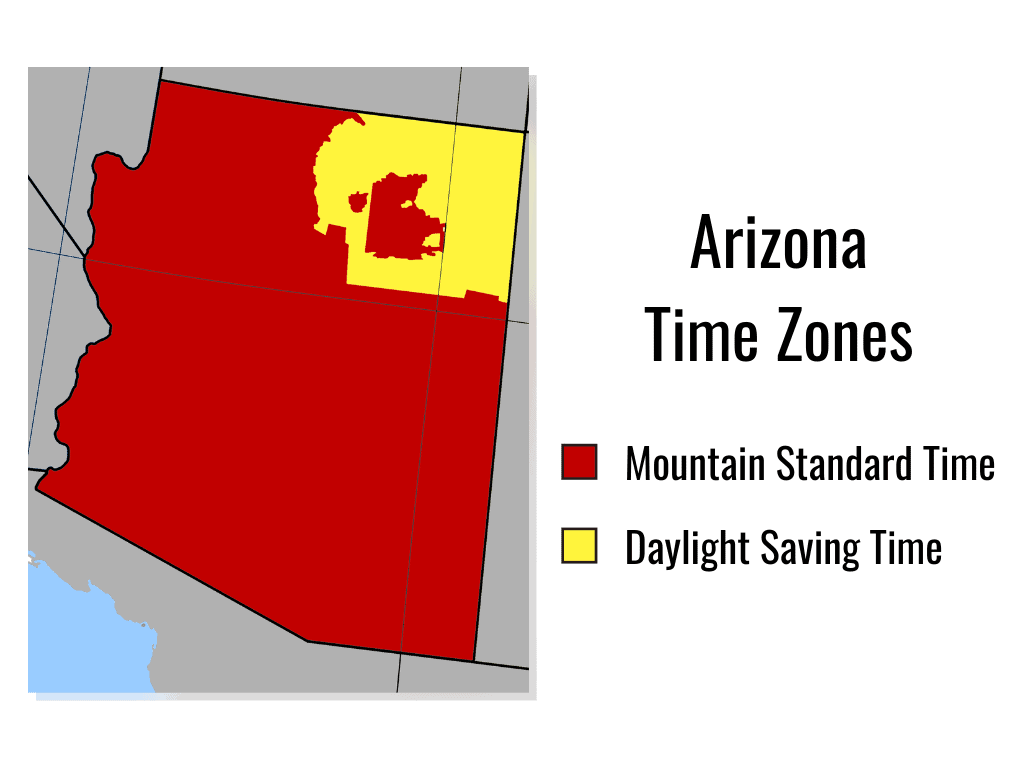
Mountain Standard Time Year-Round
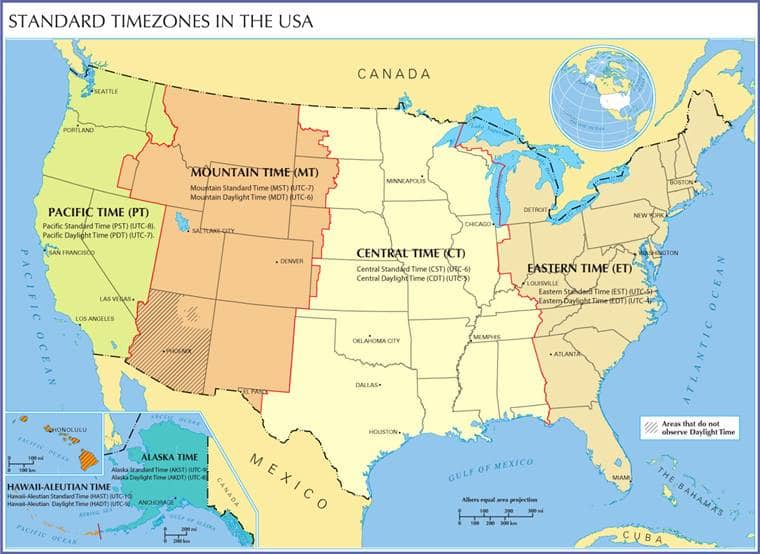
The vast majority of Arizona observes Mountain Standard Time (MST) throughout the entire year. This means that unlike neighboring states that adjust their clocks twice annually, most of Arizona maintains a consistent time. During the winter months, MST is indeed one hour ahead of Pacific Time (PT) and two hours behind Central Time. Cities like Phoenix, Tucson, and Flagstaff all adhere to this unchanging schedule. For travelers, this offers a certain predictability: once you know the time in Arizona relative to your home time zone, that relationship remains constant for your entire trip, regardless of the season. This simplifies planning for activities, tours, and dining reservations, as there’s no need to anticipate a time change.
Opting Out of Daylight Saving Time
The most significant factor contributing to Arizona’s unique time status is its decision to opt out of Daylight Saving Time. Since 1968, with the exception of the Navajo Nation (which we’ll discuss next), Arizona has not observed DST. The primary reason for this choice is directly tied to the state’s scorching summer heat. During the summer, daylight hours are extended naturally. Shifting the clock forward for DST would only mean more daylight in the evening, pushing sunsets even later. In a state where summer temperatures frequently soar above 100°F (38°C), extending daylight into the evening would simply mean more hours of intense heat, driving up air conditioning costs and making outdoor activities less comfortable, if not dangerous, for longer periods.
From a tourism perspective, this means that during the months when most of the US “springs forward” for DST (typically from March to November), Arizona effectively aligns with Pacific Daylight Time (PDT), which is what California and Nevada observe. However, it still officially remains on MST. This distinction is vital for anyone traveling to Arizona from a DST-observing state or coordinating with people outside Arizona. During the summer, a 10 AM appointment in Phoenix would be 10 AM in Los Angeles (PDT) but 11 AM in Denver (which would be on Mountain Daylight Time, MDT). This fixed schedule impacts everything from travel arrangements and tour start times to simply knowing when local businesses are open.
The Navajo Nation Exception
While most of Arizona happily ignores Daylight Saving Time, there’s a significant geographical and cultural exception that every traveler must be aware of: the Navajo Nation. This large, sovereign tribal land spans parts of Arizona, New Mexico, and Utah, and its approach to time diverges from the rest of Arizona’s policy.
A Time Island Within Arizona
The Navajo Nation observes Daylight Saving Time. This means that from the second Sunday in March to the first Sunday in November, the Navajo Nation “springs forward” one hour, putting it on Mountain Daylight Time (MDT). During these months, the time within the Navajo Nation is one hour ahead of the rest of Arizona. For example, if it’s 2 PM in Flagstaff (MST), it would be 3 PM in Window Rock, the capital of the Navajo Nation.
This policy choice by the Navajo Nation is largely pragmatic, aiming to synchronize with tribal lands in neighboring Utah and New Mexico, where DST is observed. This alignment helps facilitate communication, commerce, and school schedules across their expansive territory. It creates a unique “time island” within Arizona, an important detail for anyone traveling to the state’s northeastern regions.
Practical Implications for Travelers
For tourists, the Navajo Nation exception has significant practical implications, especially when visiting iconic attractions located within its borders. Places like Monument Valley, Antelope Canyon (near Page), and parts of Canyon de Chelly National Monument all fall within the Navajo Nation’s DST-observing zone. This means that if you’re driving from Grand Canyon Village (MST) to Page (MDT) for a guided tour of Antelope Canyon in the summer, you’ll effectively “lose” an hour as you cross into the Navajo Nation. Failing to account for this time shift can lead to missed tour slots, late arrivals for lodging, or confusion over event timings.
The small Hopi Reservation, which is entirely surrounded by the Navajo Nation, does not observe Daylight Saving Time. This creates an even more intricate “time donut” where you might drive from Arizona MST into Navajo Nation MDT, then back into Hopi Reservation MST, and then back into Navajo Nation MDT before exiting into Arizona MST again. While most tourists won’t navigate this specific complexity, it highlights the importance of always verifying the local time when you are on or near tribal lands. For travelers, the safest approach is to be acutely aware of whether you are within the Navajo Nation’s boundaries, particularly between March and November, and plan accordingly.

Practical Tips for Tourists Navigating Arizona Time
Understanding Arizona’s time zone intricacies might seem daunting at first, but with a few practical tips, tourists can easily navigate their trip without a hitch. The key is awareness and proactive planning.
Always Double-Check Local Times
This is perhaps the most crucial advice for any traveler to Arizona. While your phone or smart device will usually adjust automatically, it’s always wise to verbally confirm times when making reservations or inquiring about opening hours, especially if you’re communicating with someone from outside the state or planning to visit the Navajo Nation.
- Flights and Transportation: Confirm departure and arrival times with the local time of the airport.
- Tours and Excursions: Many popular tours, especially those to the Grand Canyon, Antelope Canyon, or other tribal lands, will clearly state their meeting times. Double-check if the time refers to Arizona MST or Navajo Nation MDT during DST months.
- Restaurant Reservations: Avoid showing up an hour early or late by confirming your booking time with the establishment’s local clock.
- Park and Attraction Hours: Verify operating hours for national parks, museums, and other attractions. A 9 AM opening in the Grand Canyon will always be 9 AM MST, but if you’re arriving from Monument Valley, remember that you’ll gain an hour when you cross back into the non-DST part of Arizona.
Understanding the Time Shift
To simplify, remember this rule of thumb for most of Arizona:
- Winter (approx. November to March): Arizona (MST) is one hour ahead of California/Nevada (PT) and the same time as Colorado/Utah (MST).
- Summer (approx. March to November): Arizona (MST) is the same time as California/Nevada (PDT) because they moved their clocks forward while Arizona did not. During this period, Arizona is one hour behind Colorado/Utah (MDT).
This understanding is particularly important for cross-border travelers. If you’re driving from Las Vegas to Arizona in the summer, your clock won’t change. But if you’re coming from Utah or New Mexico during the summer, you’ll need to turn your clock back an hour upon entering most of Arizona, unless you’re entering the Navajo Nation.
Apps and Devices
Modern technology is your best friend when dealing with time zones. Most smartphones, smartwatches, and GPS devices automatically detect your location and adjust the time accordingly.
- Keep Location Services On: Ensure your phone’s location services are enabled so it can automatically update to the correct local time, especially when crossing into or out of the Navajo Nation.
- Manual Override: Be aware that sometimes devices can be slow to update, especially in remote areas. If in doubt, double-check your phone’s displayed time against a local clock (like at a gas station or visitor center) or manually search for the current time in your specific Arizona location.
- “World Clock” Feature: Utilize your device’s world clock feature to quickly compare Arizona time with your home time or other relevant time zones.
Why Arizona’s Time Practice Matters for Your Visit
Beyond avoiding missed appointments, Arizona’s unique time zone practices actually shape the rhythm and experience of a tourist’s visit in several meaningful ways. It influences everything from how you plan your outdoor adventures to your interactions with local life.
Maximizing Daylight for Activities
For a state renowned for its outdoor attractions, Arizona’s year-round Mountain Standard Time directly impacts how visitors experience its natural wonders. During the summer months, when most states are on Daylight Saving Time and experiencing later sunsets, [Arizona](https://lifeoutofthebox.com/arizona]’s “fixed” MST schedule means that the sun rises and sets relatively earlier. This can be a huge advantage for tourists:
- Early Mornings are Cooler: With earlier sunrises, the mornings remain cooler for longer, providing a prime window for hiking, mountain biking, or exploring sites like Sedona‘s red rocks or the Grand Canyon before the intense midday heat sets in. Many park rangers and local guides will advise starting activities “at first light.”
- Predictable Evening Schedule: Evenings, while still warm in summer, don’t stretch as late into scorching daylight hours. This allows for more comfortable late-afternoon and early-evening activities, such as leisurely dinners on patios in Scottsdale or stargazing in the clear desert skies. The earlier sunset allows for darker skies sooner, perfect for astronomy enthusiasts.
- Consistent Planning: The lack of a time shift means that seasonal activity planning is more straightforward. Whether you visit in April or August, the relationship between solar time and clock time is the same, making it easier to predict ideal times for sunrise/sunset viewing at the Grand Canyon or avoiding peak heat during a Yuma adventure.
Impact on Business Hours and Schedules
Local businesses, government offices, and services in Arizona operate strictly on Mountain Standard Time throughout the year (except within the Navajo Nation). This consistency provides a stable framework for daily life and commerce, but it can be a mental adjustment for visitors.
- Banking and Appointments: If you have any scheduled appointments or need to conduct banking, remember that Arizona will be an hour behind Mountain Daylight Time states and the same time as Pacific Daylight Time states during the summer.
- Interstate Travel: If you’re driving into Arizona from a neighboring state that observes DST, like Utah, Colorado, or New Mexico, remember to turn your clock back one hour (unless entering the Navajo Nation). This applies to everything from checking into a hotel near Lake Mead or Hoover Dam to attending a specific event.
Cultural Nuances and Local Life
Arizona’s rejection of Daylight Saving Time is more than just a legislative decision; it’s woven into the fabric of local life and reflects a pragmatic adaptation to the desert environment. Locals are accustomed to the unique time schedule, and it often becomes a point of gentle humor or explanation for newcomers. Embracing this aspect of Arizona’s identity is part of immersing oneself in the local culture. It speaks to a collective agreement that living in harmony with the natural rhythms of the sun, especially concerning heat management, takes precedence over aligning with national time conventions.
In conclusion, “What is time in Arizona?” is a question that opens the door to a deeper understanding of this remarkable state. While the initial answer—mostly Mountain Standard Time year-round, with the notable exception of the Navajo Nation observing Daylight Saving Time—might seem intricate, it’s a critical piece of information for any tourist. By internalizing these unique time practices, travelers can confidently plan their adventures, synchronize with local schedules, and truly appreciate the nuanced rhythm of life in the Arizona desert. So, set your watches, double-check your itineraries, and get ready to enjoy a perfectly timed exploration of the Grand Canyon State.
LifeOutOfTheBox is a participant in the Amazon Services LLC Associates Program, an affiliate advertising program designed to provide a means for sites to earn advertising fees by advertising and linking to Amazon.com. Amazon, the Amazon logo, AmazonSupply, and the AmazonSupply logo are trademarks of Amazon.com, Inc. or its affiliates. As an Amazon Associate we earn affiliate commissions from qualifying purchases.