
When travelers ponder the concept of time in Kansas, their thoughts often extend far beyond mere clock hands. While the state presents an intriguing geographical quirk regarding time zones, “What is time in Kansas?” also invites exploration into how visitors spend their precious moments here – delving into its rich history, vibrant culture, diverse landscapes, and the unforgettable experiences that define a journey through the Sunflower State. From bustling urban centers to serene prairie vistas, Kansas offers a unique tapestry of attractions that promise to make every second of your visit truly count.
Understanding Kansas Time Zones: A Traveler’s Guide
Navigating the complexities of time zones can sometimes be a minor hurdle for travelers, and Kansas offers a fascinating, albeit straightforward, case study. Primarily, the state adheres to the Central Time Zone (CT), observing Central Daylight Time (CDT) during the warmer months. However, a small but significant portion of western Kansas operates on Mountain Time Zone (MT), following Mountain Daylight Time (MDT) when Daylight Saving Time is in effect. Understanding this distinction is key to seamless travel within the state.
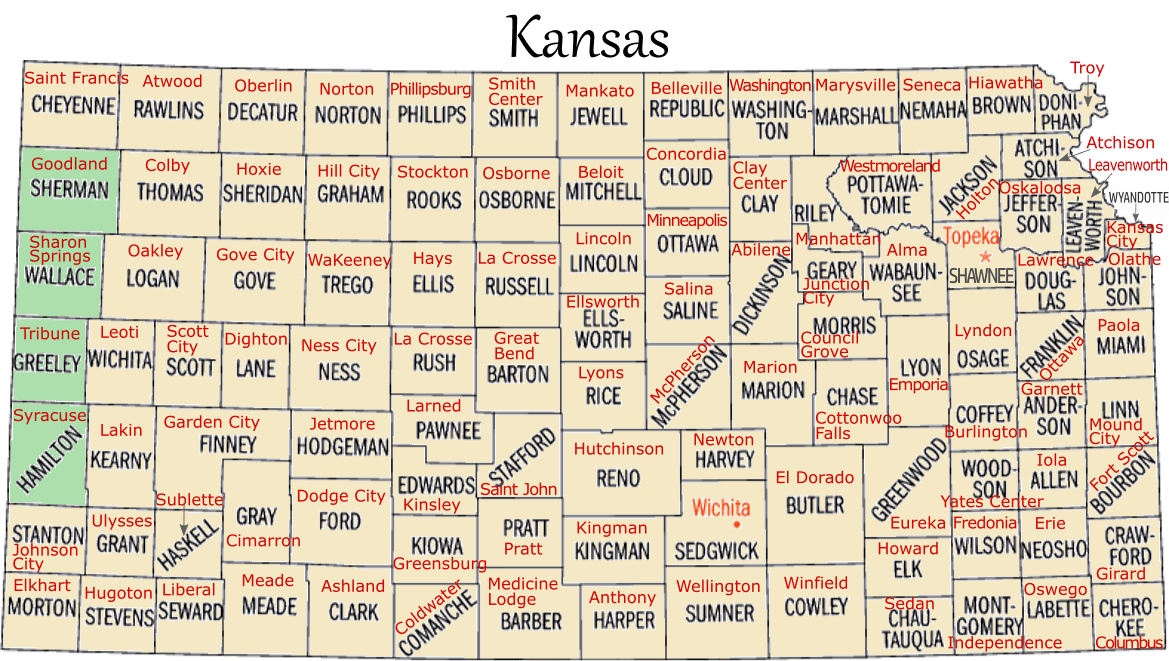
Central Time vs. Mountain Time: Navigating the Divide
The vast majority of Kansas’s 105 counties fall squarely within the Central Time Zone. This includes major cities like Wichita, Topeka, and the Kansas City metropolitan area. For most visitors, whether arriving at Wichita Dwight D. Eisenhower National Airport or Kansas City International Airport, their journey will begin and end in CT.
However, the western edge of the state adopts the Mountain Time Zone, placing these counties one hour behind the rest of Kansas. These counties include Sherman, Wallace, Greeley, and Hamilton. Additionally, Cheyenne, Morton, Stanton, and Stevens counties also observe Mountain Time. Travelers heading to destinations like Goodland in Sherman County or exploring the natural beauty near Tribune in Greeley County should adjust their watches accordingly. This shift is particularly relevant for those driving across state lines from Colorado, where the Mountain Time Zone is predominant. It’s a subtle but important detail that can impact everything from meeting times to flight schedules, ensuring you don’t miss out on any planned activities or check-ins at your chosen accommodation.
Historical Context of Kansas Time
The division of time zones in Kansas is not arbitrary but rather a reflection of geographical and historical factors. The continental United States was divided into standard time zones in 1883 by railroad companies to standardize schedules, with the official adoption of the Standard Time Act in 1918. The line between Central and Mountain Time generally follows the 100th meridian west, a significant geographical marker. However, local economies and community ties often influenced slight adjustments to these lines, leading to the current configuration in Kansas. The western counties’ proximity to Colorado and its Mountain Time culture naturally led to their alignment with that zone, streamlining commerce and daily life for residents who frequently interact with their western neighbors. This historical context adds another layer to understanding “what is time in Kansas,” revealing the practical decisions that shaped daily life for generations.
Maximizing Your Time in Kansas: Top Destinations & Experiences
Beyond the technicalities of time zones, the true essence of “What is time in Kansas?” lies in how you choose to spend it. Kansas offers a surprising breadth of experiences, from dynamic urban centers to serene natural preserves, all promising to fill your itinerary with memorable moments. Travelers can easily combine a city escape with a journey through the vast Flint Hills or a dive into the state’s rich pioneer heritage, ensuring every second is optimized for discovery and enjoyment.
Urban Adventures: Exploring Kansas City and Wichita
The metropolitan heart of Kansas beats strongest in Kansas City (on the Kansas side, distinct from its Missouri counterpart but part of the same vibrant metro) and Wichita.
Kansas City, Kansas, offers a rich tapestry of experiences. Home to the legendary Kansas Speedway, it’s a hub for motorsports enthusiasts. The Legends Outlets Kansas City provides premier shopping and dining, while the Livestrong Sporting Park (now Children’s Mercy Park) hosts thrilling soccer matches. When it comes to accommodation, options range from the luxurious Ambassador Hotel Kansas City to family-friendly resorts like the Great Wolf Lodge Kansas City, ensuring a comfortable stay for all types of travelers.
Wichita, the state’s largest city, is a dynamic blend of aviation history, art, and vibrant culture. Spend time at Botanica, The Wichita Gardens, a stunning collection of themed gardens, or marvel at wildlife from around the globe at the Sedgwick County Zoo. The Museum of World Treasures offers an eclectic journey through history, while the Old Town district brims with entertainment, dining, and boutique hotels like the Hotel at Old Town. Other excellent choices include the Drury Plaza Hotel Broadview Wichita for its amenities and central location. These cities provide a modern contrast to the state’s rural charm, offering a diverse lifestyle for residents and visitors alike.
Stepping Back in Time: Historic Trails and Pioneer Life
For those keen to use their time to explore history, Kansas is an open-air museum. The state played a crucial role in America’s westward expansion, with remnants of iconic routes like the Santa Fe Trail, the Oregon Trail, and the Pony Express National Historic Trail still visible.
In Dodge City, visitors can literally step back into the Old West at the Boot Hill Museum, experiencing cowboy life, gunfights, and saloon culture. Fort Larned National Historic Site offers a remarkably preserved 19th-century military post, crucial for protecting travelers on the Santa Fe Trail.
Educationally significant, Topeka is home to the Brown v. Board of Education National Historic Site, commemorating a pivotal moment in American civil rights history. While in Topeka, consider staying at the Hotel Topeka at City Center for convenient access to downtown attractions. Further west, in Hutchinson, Strataca offers an unparalleled underground adventure, allowing visitors to descend 650 feet into an active salt mine. The Kansas Cosmosphere and Space Center, also in Hutchinson, houses an incredible collection of space artifacts, including a Apollo 13 command module. For a deeper dive into presidential history, the Dwight D. Eisenhower Presidential Library, Museum and Boyhood Home in Abilene is a must-see, offering a profound glimpse into the life of one of America’s most influential leaders. Each of these landmarks provides a unique window into the past, enriching any Kansas itinerary.
Natural Wonders and Outdoor Pursuits
For nature lovers, time spent in Kansas means exploring its vast prairies and unique geological formations. The Tallgrass Prairie National Preserve, near Strong City, protects a significant portion of the diminishing tallgrass ecosystem, offering hiking, wildlife viewing, and a glimpse into what much of the American heartland once looked like. It’s a serene place where the vastness of the landscape truly puts time into perspective.
The Flint Hills, a breathtaking expanse of rolling hills covered in native tallgrass, is another natural marvel perfect for scenic drives, photography, and experiencing the untouched beauty of the prairie. The Konza Prairie Biological Station near Manhattan provides further opportunities for hiking and birdwatching in a protected prairie environment.
Out west, the geological formations of Monument Rocks National Natural Landmark – also known as the Chalk Pyramids – are a sight to behold, sculpted by millennia of erosion. Nearby, the Sternberg Museum of Natural History in Hays showcases incredible fossils, including a mosasaur found in the very chalk beds that formed the monuments. For birdwatching enthusiasts, the Cheyenne Bottoms Wildlife Area and Quivira National Wildlife Refuge are vital migratory bird habitats, offering unparalleled opportunities to observe diverse species. These natural attractions highlight the timeless beauty of Kansas, inviting visitors to slow down and connect with the environment.
Where to Spend Your Time: Accommodation & Lifestyle
Choosing the right place to stay is paramount to making the most of your time in Kansas. The state’s accommodation options cater to every preference and budget, ensuring a comfortable base for your travels and enhancing your overall lifestyle experience, whether you’re seeking luxury, family-friendly amenities, or budget-conscious options.
From Boutique Stays to Family Resorts
For a touch of elegance and personalized service, Kansas boasts several exquisite boutique hotels. The aforementioned Ambassador Hotel Kansas City offers a blend of historic charm and modern luxury, perfect for a romantic getaway or a sophisticated business trip. In Wichita, the Hotel at Old Town provides characterful suites in a beautifully restored warehouse district, placing guests amidst vibrant dining and entertainment. These establishments focus on unique experiences and often reflect the local culture and history, offering more than just a place to sleep.
Families will find numerous excellent choices across the state. The Great Wolf Lodge Kansas City is a perennial favorite, with its indoor water park providing endless entertainment regardless of the weather. Many national hotel chains also have a strong presence, offering reliable comfort and amenities like pools and complimentary breakfasts that are ideal for families. When booking family accommodation, consider proximity to attractions you plan to visit, such as the Sedgwick County Zoo in Wichita or the Kansas Cosmosphere and Space Center in Hutchinson, to minimize travel time and maximize fun.
Budget-Friendly Options and Luxury Escapes
Kansas accommodates a wide spectrum of travel budgets. For those prioritizing affordability, numerous motels and hotel chains offer comfortable and clean rooms at competitive prices, especially outside of peak seasons. Cities like Lawrence, with its lively university town atmosphere, often have a good selection of value-oriented stays, including charming bed and breakfasts that provide a local touch without breaking the bank. Budget travel in Kansas often means exploring smaller towns, where local eateries and simpler stays can lead to authentic and economical experiences.
Conversely, for luxury travel experiences, consider upscale suites in major cities or even unique resort-style offerings that provide expansive amenities. The Hotel Topeka at City Center offers a refined experience with excellent service, perfect for business stays or indulgent getaways. Many hotels feature fine dining, fitness centers, and concierge services, ensuring every need is met. When planning, always check reviews and comparison sites to find the best deals and ensure your chosen accommodation aligns with your desires for either a lavish escape or a practical, comfortable stay. The key is to match your lodging choice to your personal lifestyle and the specific activities you plan to dedicate your time to.
Planning Your Kansas Itinerary: Tips for a Timeless Trip
Effective planning is essential to ensure every moment of your trip to Kansas is well-spent and truly memorable. Considering the “time” in Kansas extends to optimizing your schedule, choosing the right season, and preparing for the unique characteristics of this diverse state.
Best Seasons to Visit
The “best” time to visit Kansas largely depends on your interests.
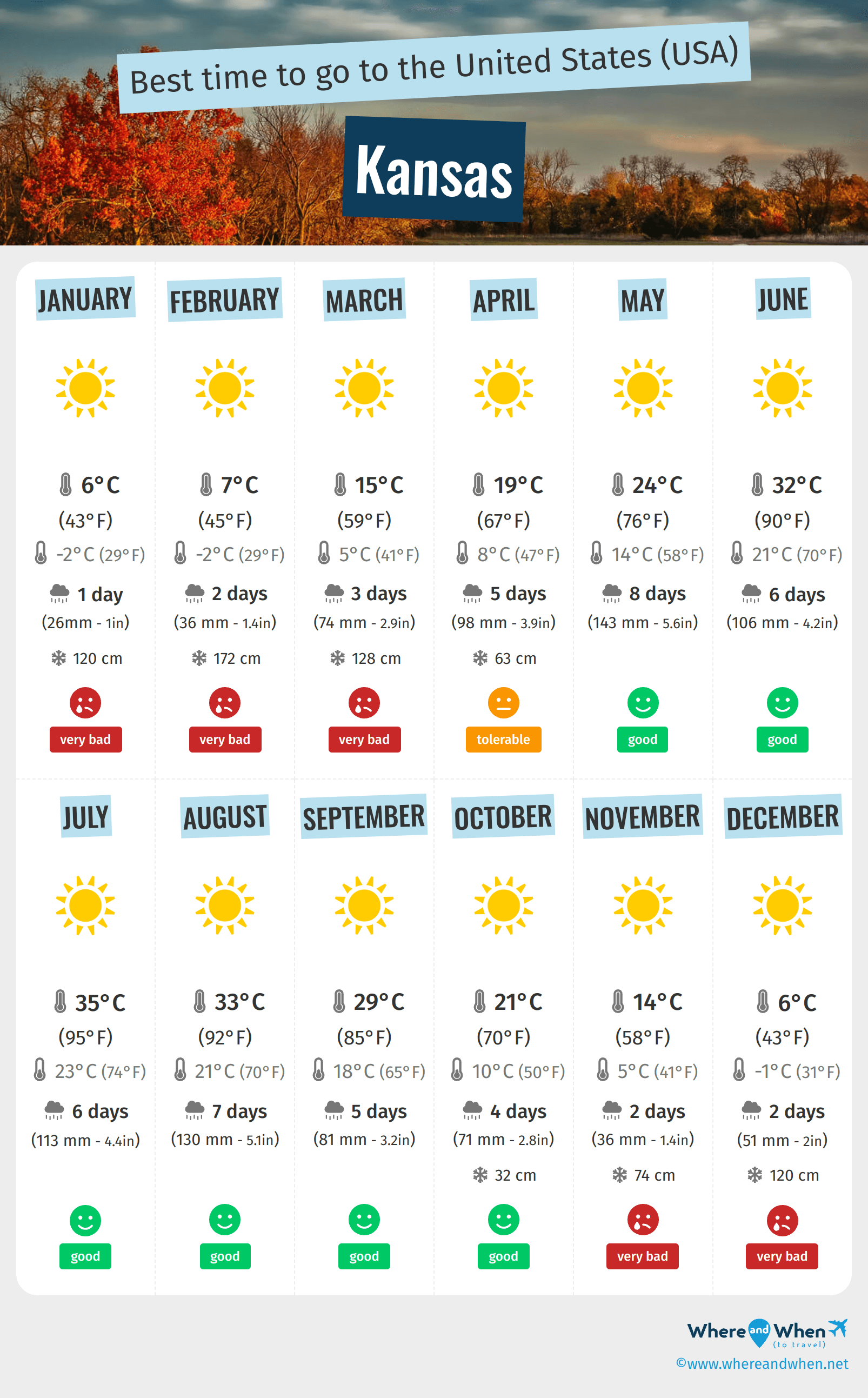
- Spring (April-May): This is arguably one of the most beautiful times, as the prairies burst into green, wildflowers bloom, and the weather is generally mild and pleasant for outdoor activities like hiking in the Flint Hills or exploring Tallgrass Prairie National Preserve. However, spring can also bring unpredictable weather, including thunderstorms and the occasional severe weather event, so staying informed about local forecasts is wise.
- Summer (June-August): Summertime in Kansas is iconic for its vast fields of sunflowers, which typically bloom from late July to early September, creating breathtaking photo opportunities. It’s also ideal for water-based activities and enjoying city attractions. Temperatures can be hot and humid, especially in July and August, so plan outdoor activities for mornings or evenings.
- Fall (September-October): Autumn brings cooler temperatures and stunning foliage, particularly in the eastern parts of the state. It’s an excellent time for scenic drives and visiting historic sites without the summer crowds. The harvest season also provides opportunities to experience local fairs and festivals, showcasing local culture and food.
- Winter (November-March): While cold, winters in Kansas can offer unique beauty, especially if you enjoy snow sports or wish to explore indoor attractions like museums and art galleries without the crowds. Major cities like Kansas City and Wichita remain vibrant with holiday events and cultural offerings. Bundle up and enjoy the tranquility that winter brings to the prairie.

Essential Travel Tips
To make the most of your time in Kansas, keep these tips in mind:
- Understand the Time Zones: Always confirm the local time, especially when traveling between the eastern (CT) and western (MT) parts of the state. This is crucial for appointments, restaurant reservations, and attraction opening times.
- Rent a Car: Kansas is a vast state, and many of its best attractions, especially natural landmarks and historic sites, are spread out. A car is essential for flexibility and accessibility, allowing you to maximize your exploration time.
- Embrace the Outdoors: Pack appropriate gear for hiking, exploring prairies, or birdwatching. Sunscreen, hats, and plenty of water are vital, particularly during warmer months.
- Taste Local Cuisine: Don’t leave without trying authentic Kansas City BBQ. Many small towns also offer fantastic local diners and unique culinary experiences that are well worth the stop.
- Check Local Event Calendars: Before your trip, look up local festivals, farmers’ markets, or sporting events. These can provide unexpected highlights and deeper insights into the Kansas lifestyle.
- Book Accommodation in Advance: Especially during peak seasons or for popular events, securing your preferred hotels or resorts early can save you time and stress.
In conclusion, “What is time in Kansas?” is a question with many answers. It’s about navigating its unique time zones, yes, but more importantly, it’s about the quality time you choose to spend exploring its rich history, immersing yourself in its diverse landscapes, and enjoying the warm hospitality that defines this often-underestimated state. Whether you’re seeking urban excitement, a journey through the past, or serene natural beauty, Kansas offers a timeless adventure waiting to be discovered.
LifeOutOfTheBox is a participant in the Amazon Services LLC Associates Program, an affiliate advertising program designed to provide a means for sites to earn advertising fees by advertising and linking to Amazon.com. Amazon, the Amazon logo, AmazonSupply, and the AmazonSupply logo are trademarks of Amazon.com, Inc. or its affiliates. As an Amazon Associate we earn affiliate commissions from qualifying purchases.