
In the vibrant tapestry of global destinations, Miami stands out not just for its sun-drenched beaches and pulsating nightlife, but for its unique relationship with time itself. More than just a dot on the clock, “time in Miami” encompasses a multifaceted experience – from its literal Eastern Time Zone to the subjective rhythm of its diverse culture, the strategic timing of travel, and the timeless allure of its iconic landmarks. For any traveler contemplating a visit to this jewel of Florida, understanding this dynamic interplay of time is key to unlocking an unforgettable journey.
This article delves into what time truly means in Miami, guiding you through its practical aspects, seasonal considerations, and the art of crafting a perfect itinerary that resonates with the city’s unique beat. Whether you’re seeking a high-energy escape, a tranquil retreat, or a deep dive into its rich heritage, mastering the concept of time in Miami will transform your trip from ordinary to extraordinary.
The Rhythmic Pulse of Miami: Understanding Its Clock and Climate
Before we dive into the experiential nuances of Miami time, let’s ground ourselves in the practical realities of its clock and climate. These foundational elements profoundly influence every aspect of a visit, from scheduling flights to deciding when to hit the beach.
Decoding Miami’s Time Zone: EST and EDT
Geographically positioned on the southeastern tip of the United States mainland, Miami observes the Eastern Time Zone (ET). This means that during standard time, it operates on Eastern Standard Time (EST), which is UTC-5. When Daylight Saving Time (DST) is in effect, typically from the second Sunday in March to the first Sunday in November, Miami switches to Eastern Daylight Time (EDT), which is UTC-4.
This distinction is crucial for travelers arriving from different time zones, especially those on business trips or with connecting flights. Adjusting your internal clock, especially if coming from the West Coast or international destinations, can take a day or two. Remember to factor this into your initial plans, perhaps scheduling a relaxed first day to acclimate. For example, if you’re flying in from Los Angeles, Miami will be three hours ahead, meaning an 8 AM flight arrival from LA would feel like 5 AM to your body. Conversely, European travelers will find Miami 5-6 hours behind their home time, making late-night activities a breeze.
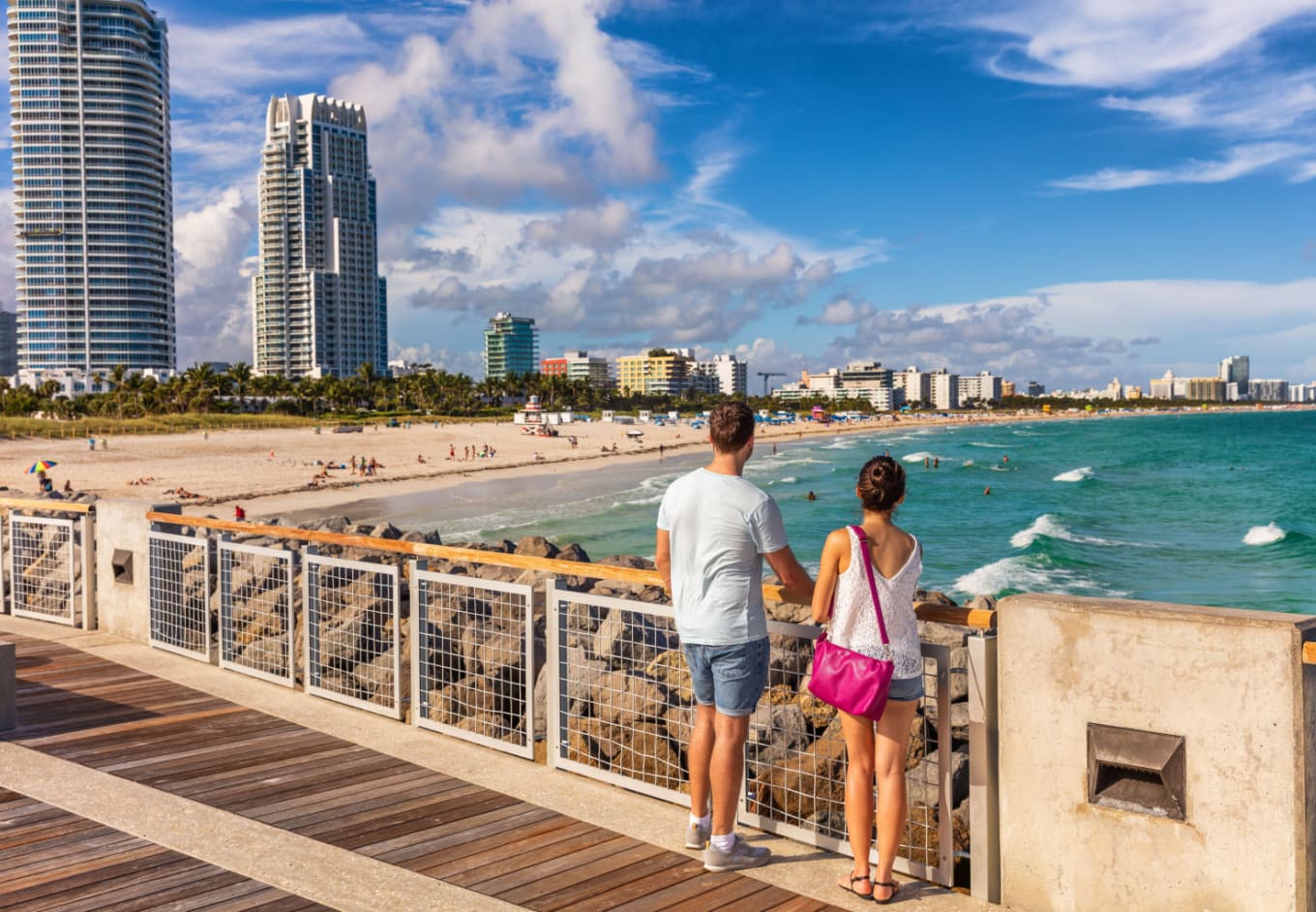
Beyond practical scheduling, understanding Miami’s time zone helps you synchronize with the local rhythm. Shops typically open around 9-10 AM, lunches are enjoyed between noon and 2 PM, and dinner often starts later than in many other parts of the United States, frequently pushing past 8 PM, especially in popular dining districts. The nightlife, of course, truly begins to buzz after 10 PM and often extends into the early morning hours, embracing the Latin-influenced culture of late-night revelry.
Seasons and Their Influence: When to Experience Miami
Miami’s tropical monsoon climate dictates distinct seasons, each offering a unique flavor of the city. Timing your visit correctly can significantly impact your experience, budget, and the types of activities you can enjoy.
Winter (December to February): This is Miami’s peak season, and for good reason. Temperatures are comfortably warm, typically ranging from the mid-60s to high 70s Fahrenheit (18-26°C), with low humidity and abundant sunshine. It’s the perfect time for beach activities, outdoor dining, and exploring the city without the oppressive heat. However, this popularity comes with higher prices for accommodation and flights, as well as larger crowds at popular attractions like the Art Deco Historic District and South Beach. Major events like Art Basel Miami Beach (early December) and the South Beach Wine & Food Festival (February) draw international visitors, making this a culturally rich but expensive period.
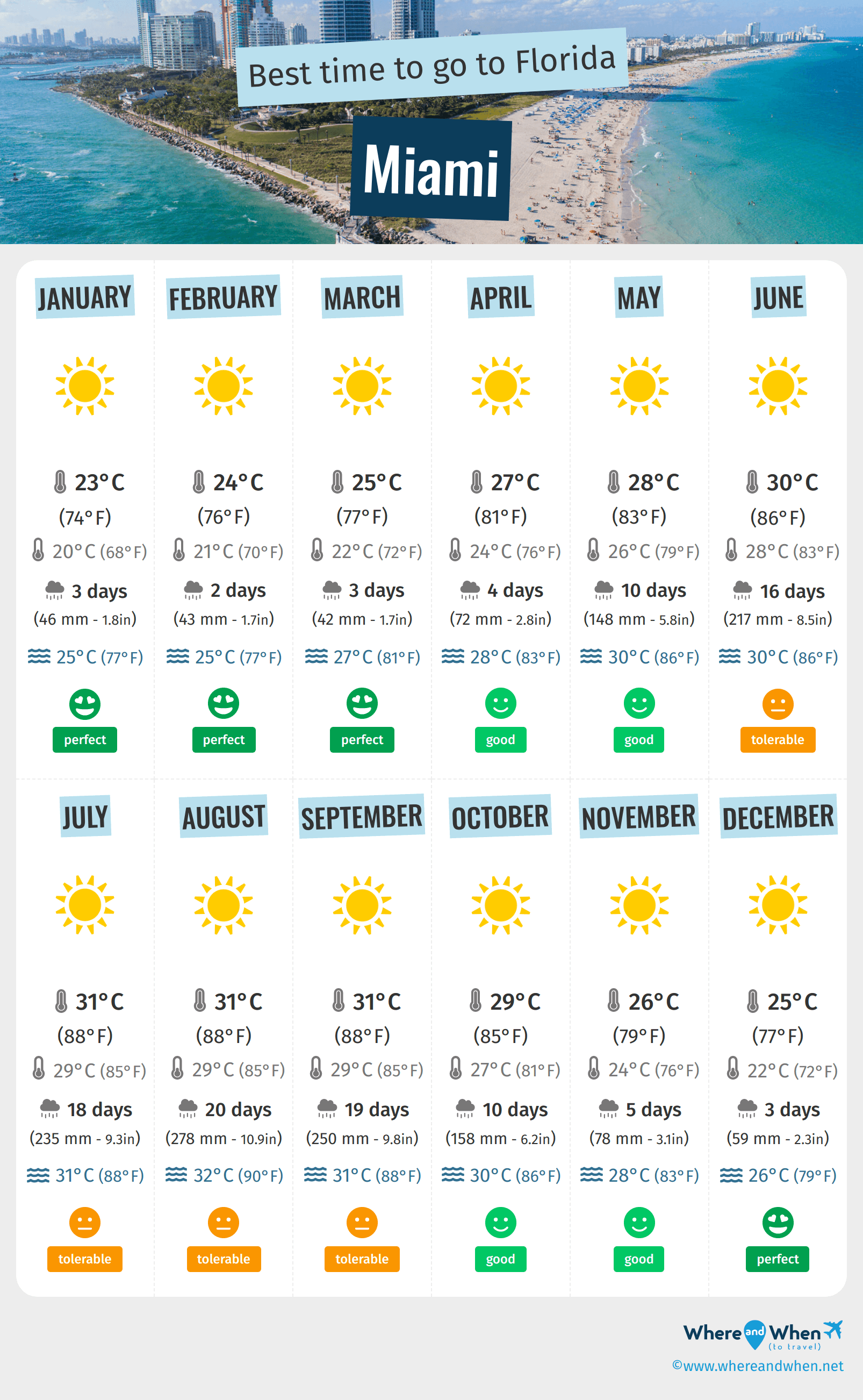
Spring (March to May): A delightful shoulder season, spring offers a sweet spot between the peak winter crowds and the summer heat. Temperatures are still very pleasant, often in the high 70s to low 80s Fahrenheit (26-29°C), with lower humidity than summer. Prices begin to drop slightly, and while spring break can bring an influx of students in March, the overall atmosphere is more relaxed than winter. It’s an excellent time for water sports, outdoor exploration, and enjoying the vibrant dining scene.
Summer (June to August): Miami summers are hot, humid, and marked by frequent, intense afternoon thunderstorms. Temperatures often soar into the high 80s and low 90s Fahrenheit (30-35°C), with humidity making it feel even warmer. This is also hurricane season, which runs from June 1st to November 30th, though the peak months are August and September. While the weather can be challenging for outdoor activities, summer brings the lowest prices for hotels and fewer crowds. Many indoor attractions, museums like the Pérez Art Museum Miami (PAMM), and air-conditioned shopping malls offer refuge. If you don’t mind the heat and the possibility of a storm, this can be a budget-friendly time to visit, especially for families looking for deals.
Fall (September to November): This is another shoulder season, easing out of the summer heat and humidity, though hurricane season remains a concern through October. Temperatures gradually become more comfortable, ranging from the low to mid-80s Fahrenheit (27-30°C). As November approaches, the weather becomes increasingly ideal, mirroring the conditions of spring. Prices are still relatively lower than winter, making it a good time for those seeking a balance between good weather and reasonable costs before the peak season rush.
Maximizing Your Miami Minutes: Crafting Unforgettable Experiences
Once you’ve understood the clock and climate, the next step in mastering “time in Miami” is learning how to allocate your precious minutes and hours. Miami is a city of contrasts, offering everything from serene beach days to adrenaline-pumping adventures. Strategic planning allows you to embrace its diverse offerings fully.
Daytime Delights: Beaches, Art, and Culture
Miami’s mornings and afternoons are best spent soaking in its natural beauty and rich cultural tapestry. The early hours are particularly magical, offering cooler temperatures and fewer crowds on the beaches.
Beach Time: Allocate a significant portion of your day to Miami’s world-famous beaches. South Beach is iconic for its white sands, turquoise waters, and vibrant atmosphere. Arrive before 10 AM to secure a good spot, rent a chair, and enjoy the calmer ocean before the midday rush. For a more relaxed experience, consider beaches north of South Beach in Miami Beach, which offer similar beauty with a quieter vibe. Depending on your preference, a beach outing can last anywhere from a leisurely two hours to a full day.
Art & Architecture: Dive into Miami’s thriving art and architecture scene. A walk or guided tour through the Art Deco Historic District on Ocean Drive is a must-do, typically taking 1-2 hours. For contemporary art enthusiasts, the Wynwood Walls offer an immersive outdoor gallery experience, requiring 2-3 hours to fully explore the murals and surrounding boutiques. Indoor options include the Pérez Art Museum Miami (PAMM) and the Phillip and Patricia Frost Museum of Science, both located downtown and easily warranting 2-4 hours each.
Cultural Immersion: Dedicate time to exploring Miami’s distinct neighborhoods. Little Havana, particularly Calle Ocho, offers a vibrant glimpse into Cuban culture. Spend 2-3 hours strolling, enjoying a cafecito, watching cigar rollers, and listening to live music. The historic Vizcaya Museum & Gardens, a stunning European-inspired estate, requires at least 3 hours to explore its opulent interiors and expansive gardens.
Nature & Wildlife: For a dose of nature, consider a half-day trip to Everglades National Park for an airboat tour, or visit local attractions like Jungle Island or Zoo Miami for family-friendly wildlife encounters. These typically demand 3-5 hours.
Embracing the Night: Dining, Entertainment, and Socializing
As the sun sets, Miami transforms, offering a whole new set of experiences that truly come alive after dark.
Culinary Journey: Miami’s dining scene is incredibly diverse, reflecting its multicultural population. From upscale South Beach restaurants to authentic Latin eateries in Little Havana or seafood joints along the waterfront, plan your dinners as an experience. Reservations are highly recommended for popular spots, especially on weekends. Dinner can be a leisurely 1.5 to 3-hour affair, often stretching longer if you linger over cocktails and conversation.
Nightlife & Entertainment: This is where Miami truly shines. The city’s legendary nightlife kicks off late, with many clubs and bars on South Beach and in downtown Miami not reaching their peak until after midnight. Whether you’re into world-renowned DJ sets, live Latin music, or sophisticated lounge bars, plan to stay out late if you want to experience the true pulse of Miami’s party scene. For a more relaxed evening, consider a stroll along Bayside Marketplace with its shops, restaurants, and live outdoor music. Performance venues also host a variety of shows, from Broadway productions to local theater.
Sunset Views: Don’t miss the opportunity to witness a stunning Miami sunset. Many rooftop bars, waterfront restaurants, and even a casual walk along the beach offer breathtaking views. Plan to be in position about an hour before official sunset time to truly savor the experience.
Time-Honored Stays: Choosing Your Miami Accommodation
The choice of accommodation is paramount to any travel experience, and in Miami, it can significantly influence how you spend your time and your overall budget. The city boasts an extensive range of options, from ultra-luxury resorts to charming boutique hotels and convenient vacation apartments.
From Luxury Resorts to Boutique Stays: Where to Unwind
Miami’s hospitality scene caters to every desire and price point.
For unparalleled luxury and amenities, beachfront resorts like the Faena Hotel Miami Beach or The Setai Miami Beach offer exquisite service, world-class spas, and direct beach access. These properties often become destinations in themselves, allowing guests to spend considerable time enjoying their facilities without needing to venture far. Downtown Miami offers upscale options like the Mandarin Oriental Miami or the Kimpton EPIC Hotel, providing stunning bay views and proximity to business districts and cultural institutions.
Mid-range hotels such as the Loews Miami Beach Hotel or the iconic Fontainebleau Miami Beach strike a balance between luxury and value, often featuring impressive pool complexes and dining options. Boutique hotels, particularly prevalent in the Art Deco Historic District, offer a more personalized experience, often with unique architectural charm and intimate settings. Examples like the W South Beach provide a trendy, stylish base.
For those planning longer stays, or seeking more space and a home-away-from-home feel, vacation apartments and villas available through various booking platforms are an excellent choice. These can be particularly cost-effective for families or groups and offer the flexibility to cook your own meals, saving time and money on dining out. When selecting your accommodation, consider its location relative to your planned activities. Staying on South Beach provides immediate access to the beach and nightlife, while a downtown location places you closer to museums and the financial district.
Strategic Booking: Timing Your Accommodation for Best Value
Just as the seasons influence activities, they dramatically affect hotel prices. To secure the best value, timing your booking is crucial.
Peak Season (Winter): During the high season (December to February), demand is at its highest, leading to premium prices. To mitigate costs, book your accommodation several months in advance – ideally 6-9 months out. This period also sees special events and conventions, which can drive prices even higher. Flexibility with your travel dates, even by a few days, can sometimes yield better rates.
Shoulder Seasons (Spring & Fall): These periods offer the best balance of pleasant weather and more reasonable prices. Booking 3-5 months in advance is generally sufficient. You might find attractive deals as hotels look to fill rooms between the major holiday rushes.
Off-Season (Summer): If budget is a primary concern, the summer months (June to August) offer the lowest hotel rates. While the heat and humidity are factors, many hotels offer significant discounts and packages to attract visitors. Booking 1-3 months out is usually fine, and sometimes last-minute deals can be found. Keep an eye on hurricane forecasts if traveling during this time, and consider purchasing travel insurance.
Utilizing comparison websites and signing up for loyalty programs can also help in finding better deals. Remember that a great deal on a hotel can free up more time and budget for experiences, making your trip more fulfilling.
Beyond the Clock: Miami’s Enduring Allure and Lifestyle
Ultimately, “time in Miami” isn’t just about hours and minutes, or even seasons and events. It’s about the inherent lifestyle, the unique blend of cultures, and the city’s enduring appeal that transcends the temporal.
A Timeless Blend of Cultures: Exploring Miami’s Heritage
Miami is often called the “Gateway to the Americas,” and this moniker isn’t just geographical; it’s cultural. The city’s rich heritage is a vibrant mosaic of influences, predominantly from Cuba, other Caribbean islands, and various Latin American nations. This cultural fusion shapes the city’s language, cuisine, music, and overall ethos, creating an atmosphere that feels both distinctly American and deeply international.
Exploring neighborhoods like Little Havana or the more affluent Coral Gables is like stepping into different worlds, each with its own story and pace. The history of immigration, entrepreneurship, and resilience has forged a resilient community that celebrates its roots while constantly evolving. This makes Miami a fascinating destination for tourism that goes beyond mere sightseeing, inviting visitors to engage with its living, breathing heritage. Spend time simply observing, listening, and tasting – these moments of cultural immersion are truly timeless.
The Art of Slow Living: Savoring Miami’s Unique Pace
Despite its reputation for fast-paced nightlife and bustling energy, Miami also champions a sophisticated art of slow living. The pervasive sunshine and proximity to the ocean encourage a relaxed pace that permeates daily life. Mornings often start with beach walks or outdoor yoga, afternoons might involve leisurely lunches, and evenings stretch out with social gatherings that linger well past midnight.
This isn’t to say Miami is sluggish; rather, it’s about a mindful enjoyment of life’s pleasures. Visitors are encouraged to shed the hurried pace of their routines and embrace this relaxed cadence. Sip a mojito slowly on Ocean Drive, spend an afternoon people-watching, or dedicate a whole day to simply unwinding by a pool. This relaxed approach to time is a significant part of the Miami lifestyle and contributes to the city’s allure as a destination where you can truly escape and rejuvenate. It’s about not just spending time, but savoring it.
In conclusion, “What is time in Miami?” is a question with many answers. It is the practical reality of the Eastern Time Zone and the strategic planning around its distinct seasons. It is the careful allocation of minutes to explore its stunning beaches, vibrant art scenes, and rich cultural enclaves during the day, and the joyful embrace of its exhilarating nightlife when the sun goes down. It is the wise choice of accommodation, timed for value and comfort. Most profoundly, it is the adoption of a unique lifestyle that blends a dynamic, international pulse with a laid-back, sun-soaked rhythm. To truly experience Miami is to understand and adapt to its flow, allowing its unique sense of time to wash over you, creating memories that will last a lifetime.
LifeOutOfTheBox is a participant in the Amazon Services LLC Associates Program, an affiliate advertising program designed to provide a means for sites to earn advertising fees by advertising and linking to Amazon.com. Amazon, the Amazon logo, AmazonSupply, and the AmazonSupply logo are trademarks of Amazon.com, Inc. or its affiliates. As an Amazon Associate we earn affiliate commissions from qualifying purchases.