
Beyond merely checking a clock, understanding “time” in San Diego, California, encompasses a crucial blend of practical logistics, cultural rhythms, and strategic planning essential for any traveler. While a quick search might tell you the current local time is, for instance, 10:30 AM PDT, delving deeper into what this truly signifies unlocks the potential for a richer, more seamless travel experience in “America’s Finest City.” From coordinating arrivals and departures to maximizing daylight for exploration and immersing oneself in the local pace, mastering the concept of time here is fundamental. This comprehensive guide will navigate the intricacies of San Diego’s time zone, explore how it impacts your travel itinerary, and offer invaluable insights into aligning your visit with the city’s unique tempo, ensuring every moment counts in this vibrant coastal destination.

Navigating Pacific Daylight Time (PDT) in San Diego
San Diego, like much of California and the Western United States, operates within the Pacific Time Zone. This geographical alignment has specific implications for travelers, particularly concerning the annual shift for Daylight Saving Time. Grasping these nuances is the first step toward effective trip planning.
Understanding Pacific Standard Time (PST) and Daylight Saving
Throughout the year, San Diego alternates between two designations: Pacific Standard Time (PST) and Pacific Daylight Time (PDT). Pacific Standard Time is observed during the fall and winter months, specifically from the first Sunday in November until the second Sunday in March. During this period, San Diego’s local time is eight hours behind Coordinated Universal Time (UTC-8). This means if it’s noon UTC, it’s 4:00 AM in San Diego.
Come the second Sunday in March, San Diego springs forward one hour to observe Pacific Daylight Time (PDT). This change provides an extra hour of daylight in the evening, a cherished aspect of Californian life, especially for outdoor activities. Pacific Daylight Time is seven hours behind Coordinated Universal Time (UTC-7), lasting until the first Sunday in November. For travelers, understanding which time is in effect is crucial, as it impacts everything from attraction opening hours to sunset times for beach strolls. Always confirm the current time designation based on your travel dates.
Time Zone Differences and Travel Planning
The impact of San Diego’s time zone extends far beyond simply setting your watch. For travelers arriving from different parts of the globe, or even across the United States, jet lag can significantly affect the initial days of a trip. For instance, someone arriving from New York (Eastern Time Zone) will experience a three-hour time difference, while international visitors might contend with much larger shifts.
Strategic planning can mitigate these effects. When booking flights, consider arrival times that allow for a gradual adjustment. An afternoon arrival might be better than a late-night one, giving you a chance to settle in and get a full night’s sleep closer to local time. Furthermore, all travel bookings—from flight connections to hotel check-ins and tour start times—must be meticulously confirmed in San Diego local time. A common pitfall is forgetting to account for the time difference when scheduling initial activities, leading to missed reservations or unnecessary stress. Always double-check time zones when reviewing your itinerary, particularly if coordinating with individuals in other locations.
Time as a Pillar of Your San Diego Itinerary
Effective time management isn’t just about avoiding jet lag; it’s about optimizing your experience and fully immersing yourself in the vibrant offerings of San Diego. The city’s layout, attractions, and cultural scene are best enjoyed when you’re synchronized with its rhythms.
Maximizing Daylight Hours: Attractions and Activities
San Diego is famed for its abundant sunshine and outdoor lifestyle. Leveraging daylight hours is paramount for exploring its iconic attractions. Destinations like Balboa Park, home to the world-renowned San Diego Zoo, numerous museums, and lush gardens, demand significant daytime exploration. Arriving early allows you to beat the crowds and enjoy cooler temperatures, particularly during the summer. Similarly, coastal gems such as La Jolla Cove, perfect for sea lion spotting and kayaking, or the expansive beaches like Coronado Beach and Pacific Beach, are best enjoyed when the sun is high.
Consider the sun’s position for photography, especially during “golden hour” in the late afternoon for stunning coastal vistas or cityscapes. Planning your visits to outdoor attractions consecutively can save travel time and maximize your experience. For instance, pairing a morning at the USS Midway Museum with an afternoon stroll through Seaport Village makes logistical sense, capitalizing on their proximity and daylight availability.
Evening Experiences and Dining Schedules
As day transitions to evening, San Diego transforms. Understanding local dining habits and entertainment schedules is key to a smooth evening. Most restaurants begin their dinner service around 5:00 PM or 5:30 PM, with peak dining hours typically between 7:00 PM and 9:00 PM. Reservations, especially for popular eateries in areas like the Gaslamp Quarter or Little Italy, are highly recommended, particularly on weekends.
Evenings also present opportunities for sunset cruises, a fantastic way to experience San Diego’s skyline and coastal beauty. These tours are naturally time-sensitive, often departing an hour or two before official sunset. Live music venues, theaters, and the vibrant nightlife of the Gaslamp Quarter also operate on specific schedules. Always check performance times and opening hours in advance. Embracing the local flow means not just knowing what to do, but when to do it for the most authentic and enjoyable experience.
The Rhythms of San Diego: Local Culture and Events
San Diego’s calendar is punctuated by a variety of events, festivals, and seasonal shifts, all of which influence the visitor experience and require careful time-based planning. Understanding these rhythms can significantly enhance your trip.
Seasonal Time Considerations: Festivals and Weather
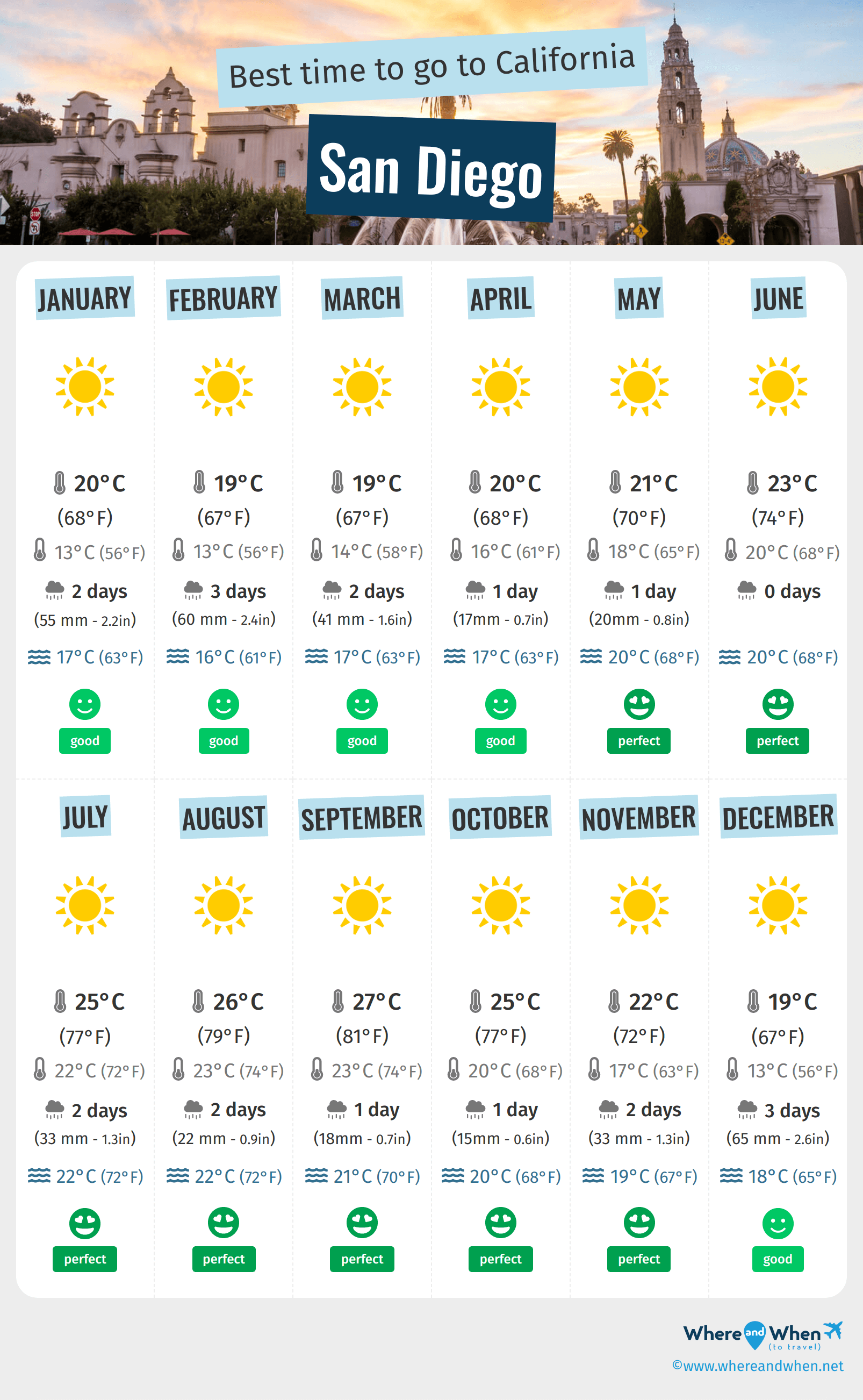
The time of year you visit San Diego profoundly impacts the city’s atmosphere and the types of activities available. Summer (June-August) is peak tourist season, characterized by warm weather, longer daylight hours, and a plethora of outdoor events, concerts, and beach activities. However, it also means larger crowds and higher prices. For instance, San Diego Comic-Con, a massive international event, typically takes place in July and completely transforms the city, particularly downtown, requiring hotel and activity bookings far in advance.
Spring (March-May) and Fall (September-November) offer pleasant temperatures, fewer crowds, and often better deals on accommodation. These seasons are ideal for exploring neighborhoods like Old Town San Diego State Historic Park or enjoying hiking trails in nearby natural reserves. Winter (December-February) in San Diego is mild, with cooler temperatures and occasional rain, but still offers plenty of sunny days suitable for exploring SeaWorld San Diego or whale watching tours. Each season has its own “time” – a unique pace and set of opportunities. Aligning your visit with the season that best suits your interests ensures a more tailored and enjoyable trip.
Public Transportation and Operating Hours
Navigating San Diego efficiently requires an understanding of its public transportation system’s operating hours. The Metropolitan Transit System (MTS) operates buses and the trolley system, while the Coaster commuter rail connects San Diego with coastal North County cities. While these services are generally reliable, their schedules vary significantly based on the day of the week (weekdays vs. weekends) and time of day (peak vs. off-peak hours).
Buses and trolleys run frequently during daytime and early evening hours, but service can become sparse later at night, especially on lesser-used routes. The Coaster also has specific weekday and weekend schedules that must be consulted, particularly if you’re planning an excursion to places like Oceanside or Del Mar. Relying solely on real-time apps without checking general operating hours can lead to long waits or missed connections. For travelers without a car, planning journeys with public transport schedules in mind is a critical element of effective time management, allowing you to allocate sufficient travel time between destinations and avoid being stranded.
Practical Time Management Tips for San Diego Travelers
Beyond the theoretical understanding of time zones and local rhythms, practical tools and habits can make a significant difference in the quality of your San Diego travel experience.
Essential Tools: Time Zone Converters and Local Clocks
In the age of smartphones, managing time differences has become significantly easier. Before and during your trip, utilize reliable time zone converter apps or online tools to effortlessly switch between your home time and San Diego’s local time. Most modern smartphones automatically update to the local time zone upon arrival, but it’s always wise to double-check this setting. Having your phone’s clock visibly displaying local San Diego time at all times prevents confusion when scheduling activities, making reservations, or coordinating with local contacts.
Consider setting multiple clocks on your phone or a travel watch—one for your home time zone and one for San Diego. This helps maintain awareness of when it’s appropriate to call home or when family and friends might be trying to reach you. Additionally, for critical appointments, always confirm the time verbally with the local establishment or individual, reducing any chance of misunderstanding due to perceived time differences.

Overcoming Jet Lag and Maintaining Wellness
Jet lag can significantly detract from the early days of your San Diego adventure. Proactive strategies can help minimize its effects. Begin adjusting your sleep schedule a few days before departure by gradually shifting it towards San Diego time. Upon arrival, immediately try to adopt the local schedule. Exposure to natural light during the day helps reset your internal clock, so prioritize outdoor activities. Stay hydrated and avoid excessive caffeine or alcohol, which can disrupt sleep patterns.
Even if you feel tired, try to resist napping for too long during the day, as this can make it harder to sleep at night. Instead, take short, restorative breaks. Plan your itinerary with flexibility for the first day or two, allowing for some downtime and lighter activities. Listen to your body and give yourself grace; adjusting to a new time zone takes effort. By prioritizing wellness and consciously managing your internal clock, you can quickly synchronize with San Diego’s pace and fully enjoy all the city has to offer.
In conclusion, “What is time in San Diego, California?” is a question that opens up a world of insights for the discerning traveler. It’s about understanding the practicalities of a time zone, the seasonal rhythms that dictate events, and the subtle cues that shape local life. By mastering these elements, you transcend being just a visitor, becoming an active participant in the vibrant, sun-kissed tapestry of America’s Finest City.
LifeOutOfTheBox is a participant in the Amazon Services LLC Associates Program, an affiliate advertising program designed to provide a means for sites to earn advertising fees by advertising and linking to Amazon.com. Amazon, the Amazon logo, AmazonSupply, and the AmazonSupply logo are trademarks of Amazon.com, Inc. or its affiliates. As an Amazon Associate we earn affiliate commissions from qualifying purchases.