
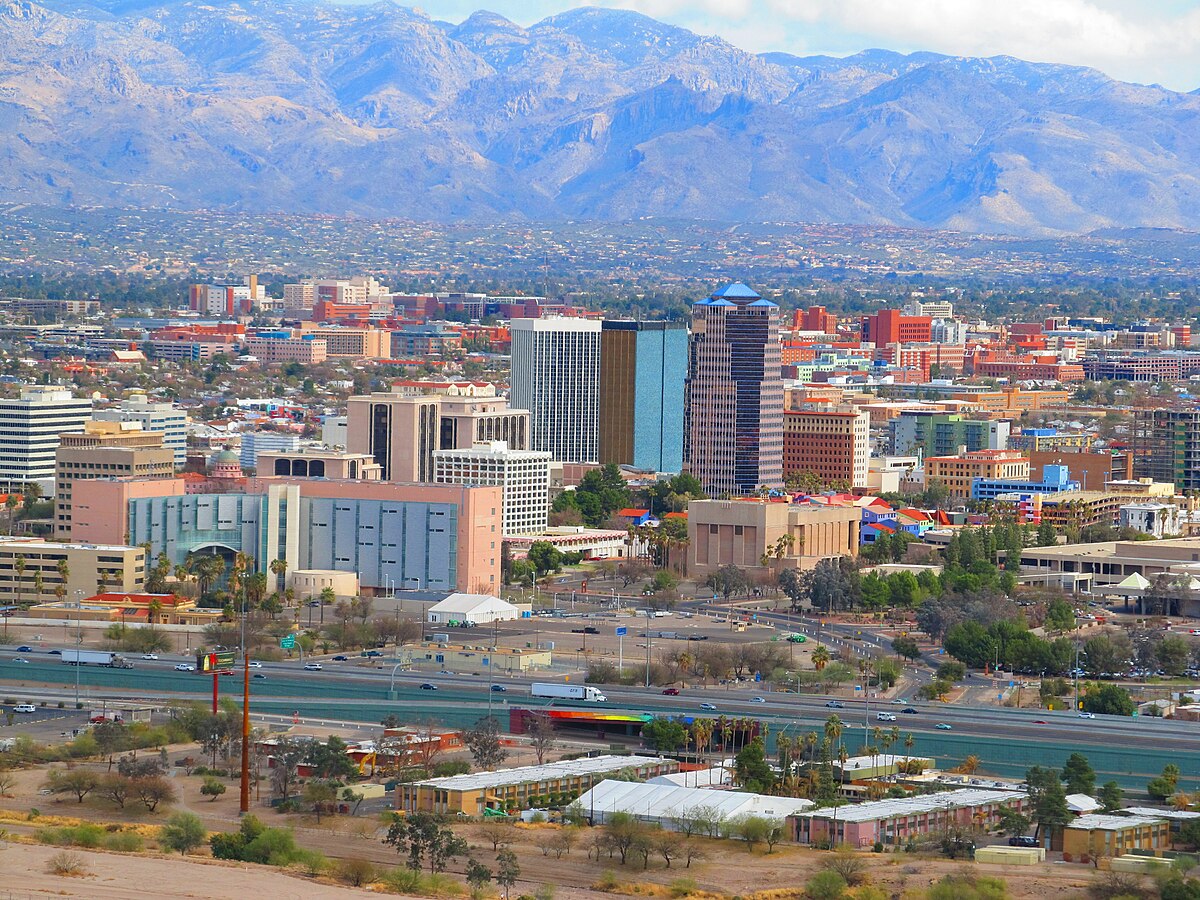
In a world increasingly defined by the frantic tick of digital clocks and the relentless pace of modern life, the question “What is time in Tucson, Arizona?” transcends a simple timezone inquiry. It delves into the very essence of how moments are lived, savored, and remembered in this unique Sonoran Desert city. Tucson operates on Mountain Standard Time year-round, eschewing daylight saving, which imbues it with a certain steadfast rhythm. However, beyond the technicality, time in Tucson is a fluid concept, shaped by vast desert landscapes, ancient cultures, vibrant gastronomy, and a lifestyle that encourages mindful exploration. It’s measured not just in hours and minutes, but in the slow dance of saguaros against a sunset sky, the rich aroma of chilies roasting, the quiet contemplation within historic missions, and the exhilarating rush of outdoor adventures. For the traveler, time in Tucson is an invitation to slow down, connect with nature, immerse in history, and discover a distinctive blend of tradition and contemporary allure that makes every second count. This article explores how to experience, define, and truly live the concept of time in this captivating Arizona destination.
The Timeless Rhythms of the Sonoran Desert
The majestic Sonoran Desert is arguably the most defining element of Tucson’s identity, dictating not just its climate but also the very pace of life. Here, time seems to stretch and breathe with the landscape, marked by the sun’s journey across the vast sky and the subtle shifts of the seasons. The towering saguaros, iconic sentinels of the desert, stand as ancient timekeepers, some having witnessed centuries unfold, reminding visitors of a grander, slower timescale.
Embracing Nature’s Clock: From Dawn to Starlight
Mornings in Tucson often begin before the sun fully crests the eastern Rincon Mountains. This is prime time for hiking or biking in Saguaro National Park, where the crisp desert air and soft, golden light illuminate the intricate beauty of the cacti and desert flora. Whether you choose the East (Rincon Mountain District) or West (Tucson Mountain District), the unhurried exploration of these natural wonders allows for a deep connection with the environment. The concept of time shifts from a rigid schedule to a fluid appreciation of natural light and temperature, encouraging travelers to adapt their activities to the desert’s dictates.
As the day progresses, the focus often shifts to indoor attractions or poolside relaxation at one of Tucson’s many resorts, offering respite from the midday sun. Late afternoons bring a resurgence of activity as the heat subsides. This is an ideal moment to experience the Arizona-Sonora Desert Museum, a unique zoological park, botanical garden, art gallery, and natural history museum all rolled into one. Here, time is spent learning about the diverse ecosystems and incredible biodiversity of the Sonoran Desert in an engaging, immersive setting.
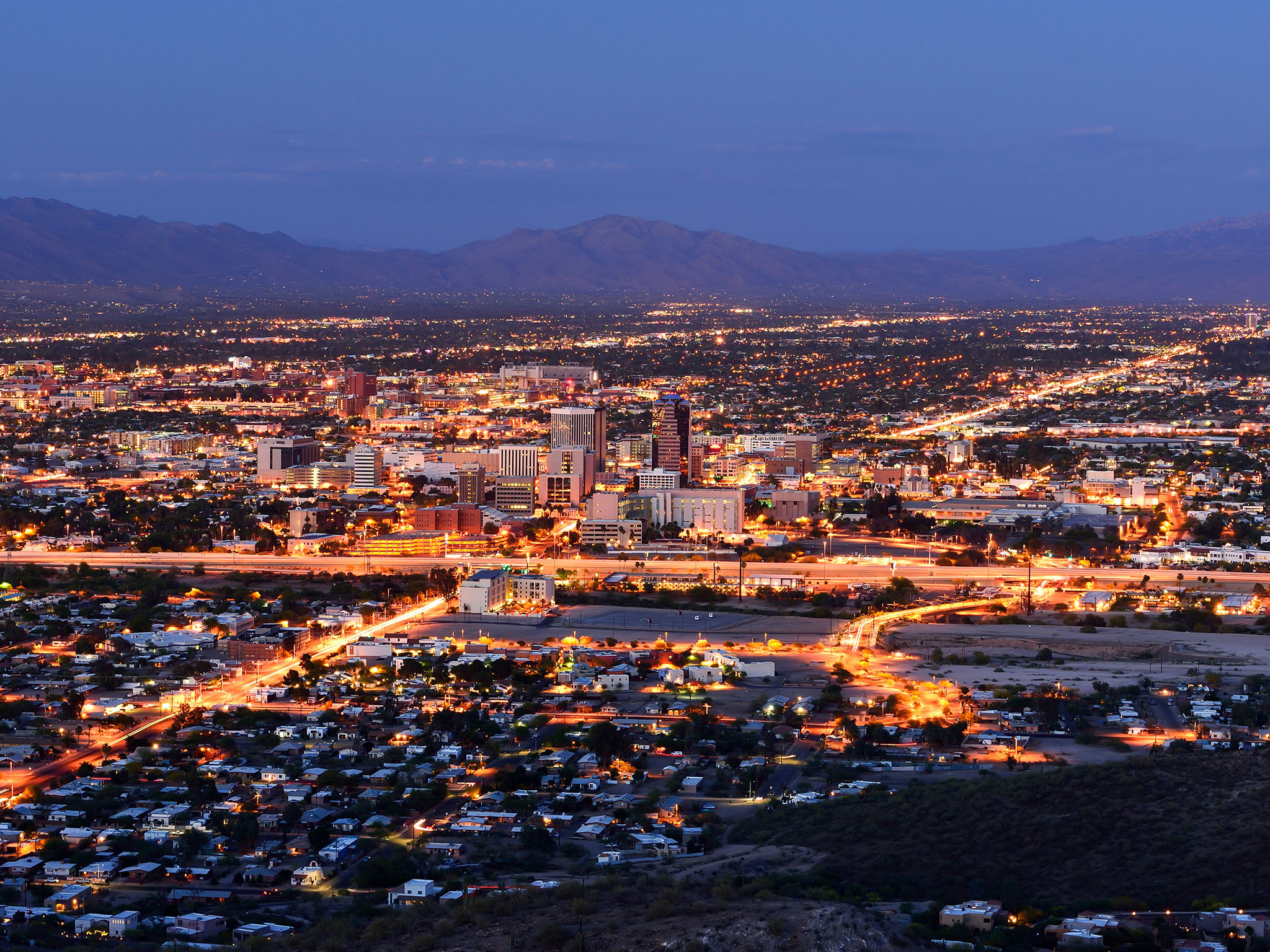
Evenings in Tucson are perhaps when time feels most expansive. The spectacular desert sunsets paint the sky in fiery hues, a daily masterpiece that encourages quiet reflection. As darkness falls, the clear desert skies reveal a blanket of stars, making stargazing a profound experience. Opportunities abound, from casual observation outside your accommodation to dedicated trips to places like Kitt Peak Observatory for an unparalleled celestial journey. Here, under the vast expanse of the cosmos, one truly grasps the timelessness of the universe, and Tucson’s unique position as a gateway to this wonder.
A Living Canvas: Flora and Fauna
The Sonoran Desert is not barren; it thrives with an astonishing array of life that follows its own ancient clocks. Beyond the iconic saguaro, visitors will encounter palo verde trees, prickly pear cacti, and a seasonal explosion of wildflowers, each operating on a biological rhythm dictated by rainfall and temperature. Wildlife viewing is an integral part of experiencing time here. Early mornings and late evenings offer glimpses of roadrunners, javelina, coyotes, and various species of birds. Observing these creatures in their natural habitat requires patience and an understanding of their intrinsic timelines, forcing humans to slow down and observe rather than rush. The Arizona-Sonora Desert Museum provides an excellent introduction to these species, but true immersion comes from quiet moments on a trail, listening to the desert breathe. This natural chronology, far removed from urban deadlines, is a fundamental aspect of what defines “time” in Tucson.
Echoes of History and a Vibrant Cultural Pulse
Tucson’s history stretches back thousands of years, with continuous human habitation tracing through indigenous cultures, Spanish colonialists, Mexican heritage, and its eventual integration into the United States. This rich tapestry of past influences creates a cultural landscape where history isn’t just a relic but a living, breathing part of the city’s present, shaping its identity and how residents and visitors experience time.
Ancient Roots and Modern Narratives
Exploring Tucson’s historical sites is like stepping back through different epochs. The striking Mission San Xavier del Bac, often called the “White Dove of the Desert,” is an active parish and a stunning example of Spanish colonial architecture and artistry from the late 18th century. Spending time within its hallowed walls offers a glimpse into centuries of faith and resilience, a palpable connection to the past. The intricate frescoes and detailed statues invite contemplation, an experience far removed from modern distractions.
Downtown Tucson itself is a historical district. The Presidio San Agustín del Tucson Museum stands on the site of the original 1775 Spanish presidio, offering insights into early life on the frontier. Walking through its reconstructed walls, one can almost hear the echoes of soldiers and settlers. Nearby, the barrio libre (or “free neighborhood”) preserves historic adobe homes, many beautifully restored, reflecting a distinct architectural style and community spirit that has endured for generations.
For those interested in more recent history and technological marvels, the Pima Air & Space Museum houses an impressive collection of aircraft, tracing the evolution of flight through the 20th and 21st centuries. Here, time is experienced through innovation and human endeavor, moving from biplanes to spacecraft, offering a different perspective on the march of progress. Meanwhile, the DeGrazia Gallery in the Sun Museum offers a unique artistic journey into the life and works of Tucson artist Ted DeGrazia, whose adobe buildings and distinctive art capture the spirit of the Southwest. Each of these sites offers a distinct way to engage with history, making the past a tangible part of the present.

A Culinary Journey Through Time
Tucson proudly holds the distinction of being the first UNESCO City of Gastronomy in the United States. This honor reflects its 4,000-year history of cultivation and culinary tradition, with a food scene deeply rooted in indigenous, Spanish, and Mexican influences. Time here is savored with every bite, as ancient techniques meet modern innovation.
The city’s food culture invites a journey that begins with heritage ingredients like tepary beans, chiltepin peppers, and mesquite flour, many of which have been cultivated in the region for millennia. Restaurants across Tucson champion farm-to-table practices, often sourcing from local farms and purveyors, ensuring that each dish tells a story of the land and its people. From traditional Sonoran hot dogs found at vibrant street carts to sophisticated fine dining experiences, the culinary landscape is diverse and exciting.
Exploring the various districts reveals different facets of this gastronomic journey. Fourth Avenue buzzes with eclectic eateries and quirky cafes, perfect for a casual lunch or an evening drink. The Mercado San Agustin, located in the historic Westside, offers an open-air courtyard with a selection of local food vendors and artisan shops, creating a lively community hub. Dining in Tucson is more than just eating; it’s an experience of cultural fusion, a celebration of heritage, and a delicious way to spend time, connecting with flavors that have evolved over centuries.
Curating Your Stay: Accommodation and Lifestyle
The concept of “time” in Tucson is significantly influenced by where you choose to stay and how you integrate into the local lifestyle. The city offers a broad spectrum of accommodation options, from luxurious resorts that pamper every sense to charming boutique hotels and practical budget-friendly stays, each dictating a different rhythm for your visit. Beyond the walls of your temporary home, Tucson’s lifestyle invites exploration through its arts scene, unique events, and proximity to stunning natural wonders, ensuring that every moment of your stay is tailored to your preferred pace.
Diverse Dwellings for Every Traveler
For those seeking an indulgent escape, Tucson is home to several world-class resorts and spas, where time is measured in moments of relaxation and rejuvenation. Properties like the Omni Tucson National Resort, known for its championship golf courses, or the Loews Ventana Canyon Resort, nestled in the foothills of the Catalina Mountains, offer expansive amenities including serene spas, multiple swimming pools, and gourmet dining. The Ritz-Carlton, Dove Mountain provides an unparalleled luxury experience with stunning desert views and exceptional service, allowing guests to completely unwind. Another notable option is the JW Marriott Tucson Starr Pass Resort & Spa, which blends luxury with the natural beauty of the Tucson Mountains, offering an array of activities from golf to guided hikes. For a truly transformative wellness journey, Miraval Arizona Resort & Spa offers an all-inclusive experience focused on mindfulness and personal growth, where time is dedicated to self-care and introspection.
Alternatively, if you dream of a true Western experience, a stay at a dude ranch like White Stallion Ranch allows you to immerse yourself in cowboy culture, with horseback riding, cattle drives, and authentic ranch hospitality. Here, time slows to the pace of a horse’s trot, offering a unique perspective on Arizona’s heritage.
For travelers who prefer a more urban or boutique feel, downtown Tucson offers vibrant choices. The historic Hotel Congress, a landmark since 1919, provides a lively atmosphere with live music, a popular restaurant, and a sense of stepping back in time while still enjoying modern comforts. Numerous contemporary hotels and charming bed and breakfasts cater to various budgets and styles, ensuring that every visitor finds their ideal setting for experiencing Tucson’s unique flow of time. From luxury suites to cozy apartments, the diverse accommodation scene empowers travelers to design their perfect stay, whether it’s a short break or a long-term immersion.
Beyond the Bed: Experiences that Define Your Tucson Time
Tucson’s lifestyle extends far beyond its impressive landmarks and natural beauty. The city boasts a thriving arts and culture scene, propelled in part by the creative energy of the University of Arizona. Visitors can spend their “time” exploring numerous art galleries, catching a performance at the Gaslight Theatre for a dose of musical comedy, or discovering local talent at one of the many craft fairs and markets. Throughout the year, Tucson hosts a variety of festivals, from the internationally renowned Tucson Gem and Mineral Show (which transforms the city every winter) to vibrant art walks and music festivals, each offering a unique snapshot of the city’s dynamic community spirit.
For those eager to venture further, Tucson serves as an excellent base for day trips that add more dimensions to your experience of time. A drive up Mount Lemmon, part of the Santa Catalina Mountains, takes you from desert floor to pine forests in less than an hour, offering a dramatic climate and vegetation change – literally traveling through ecological time zones. Explore the fascinating subterranean formations at Colossal Cave Mountain Park, or journey back to the Old West at Old Tucson Studios, a historic movie set and theme park that brings cinematic history to life. Further afield, but still within easy reach, are the cultural treasures of Tumacácori National Historical Park and the breathtaking natural wonders of Kartchner Caverns State Park. Each of these excursions provides a different lens through which to appreciate Southern Arizona’s diverse offerings, allowing you to curate a travel lifestyle that perfectly aligns with your desired pace and interests.
In Tucson, time isn’t just a measurement; it’s a living entity, an experience shaped by ancient landscapes, rich histories, and a vibrant present. It’s an invitation to slow down, to observe, to taste, to learn, and to truly connect with a place where every moment feels significant. Whether you seek adventure, relaxation, cultural immersion, or simply a pause from the everyday, Tucson offers a unique and memorable way to spend your time.
LifeOutOfTheBox is a participant in the Amazon Services LLC Associates Program, an affiliate advertising program designed to provide a means for sites to earn advertising fees by advertising and linking to Amazon.com. Amazon, the Amazon logo, AmazonSupply, and the AmazonSupply logo are trademarks of Amazon.com, Inc. or its affiliates. As an Amazon Associate we earn affiliate commissions from qualifying purchases.