
For anyone planning a trip to the vibrant capital of Texas, a fundamental question often arises even before the itinerary takes shape: “What is time now in Austin?” Understanding the local time zone is more than just a trivial detail; it’s the bedrock of effective travel planning, influencing everything from flight bookings and hotel check-ins to scheduling your most anticipated activities and managing potential jet lag. Austin, a city celebrated for its eclectic music scene, innovative cuisine, and laid-back lifestyle, operates on Central Standard Time (CST) during the winter months and Central Daylight Time (CDT) in the warmer seasons.
Specifically, Austin observes Central Standard Time (UTC-6) from early November to mid-March, and then switches to Central Daylight Time (UTC-5) for the remainder of the year. This shift, commonly known as Daylight Saving Time, means that clocks “spring forward” an hour in March and “fall back” an hour in November. For travelers arriving from different time zones within the United States or internationally, acknowledging this transition is crucial for a smooth arrival and seamless integration into the local rhythm. Beyond just knowing the current hour, delving into Austin’s temporal landscape opens up a broader discussion about how to optimally plan and experience this dynamic destination, touching upon travel, accommodation, tourism, and local landmarks.
Navigating Time Zones and Travel Planning for Austin
Successfully planning a trip to a city like Austin requires more than just booking flights and hotels. It involves a strategic understanding of time – not just the local hour, but also how different seasons and events impact availability, pricing, and the overall experience. For those venturing to the heart of Texas, the journey begins with grasping the nuances of its time zone and how it intertwines with every aspect of your travel itinerary.
Understanding Central Time (CT): A Traveler’s Guide
Central Time (CT) encompasses a vast swath of North America, extending from parts of Canada through the central United States and into Mexico. In the United States, this time zone generally covers states situated between the Mississippi River and the Rocky Mountains. For Austin, this means being one hour behind Eastern Time and two hours ahead of Pacific Time during both Standard and Daylight Saving periods.
For international travelers or those coming from distant time zones, potential jet lag is a significant consideration. Simple strategies can help mitigate its effects: gradually adjusting your sleep schedule a few days before departure, staying hydrated during your flight, and immediately adopting the local time upon arrival. Scheduling your arrival for earlier in the day can also provide a full day to acclimate before committing to evening activities. Moreover, the time of year dictates more than just the clock. Austin experiences distinct seasons, with hot summers and mild winters. Peak travel seasons, such as spring (for events like SXSW and temperate weather) and fall (for Austin City Limits and pleasant outdoor conditions), will see higher demand for everything from flights to restaurant reservations. Understanding these temporal dynamics is key to a stress-free and enjoyable visit.

Strategic Booking and Accommodation in Austin
The rhythm of Austin’s calendar directly influences accommodation availability and pricing. During major festivals like SXSW or Austin City Limits, or even popular weekends for University of Texas at Austin football games (cheering on the Texas Longhorns), securing desirable accommodation requires advance planning and often comes at a premium. Conversely, off-peak times might offer more flexibility and better rates, especially for those seeking a more budget-friendly lifestyle.
Austin boasts a diverse range of lodging options to suit every preference and budget. From luxurious resorts and boutique hotels to spacious suites, quaint vacation apartments, and private villas, the city caters to all types of travelers. Areas like Downtown Austin place you in the heart of the action, close to nightlife, dining, and the Austin Convention Center. The South Congress (SoCo) district offers a funky, independent vibe with unique shops and vibrant hotels. For those seeking a more upscale, suburban feel, areas like The Domain provide luxury retail, fine dining, and modern hotels.
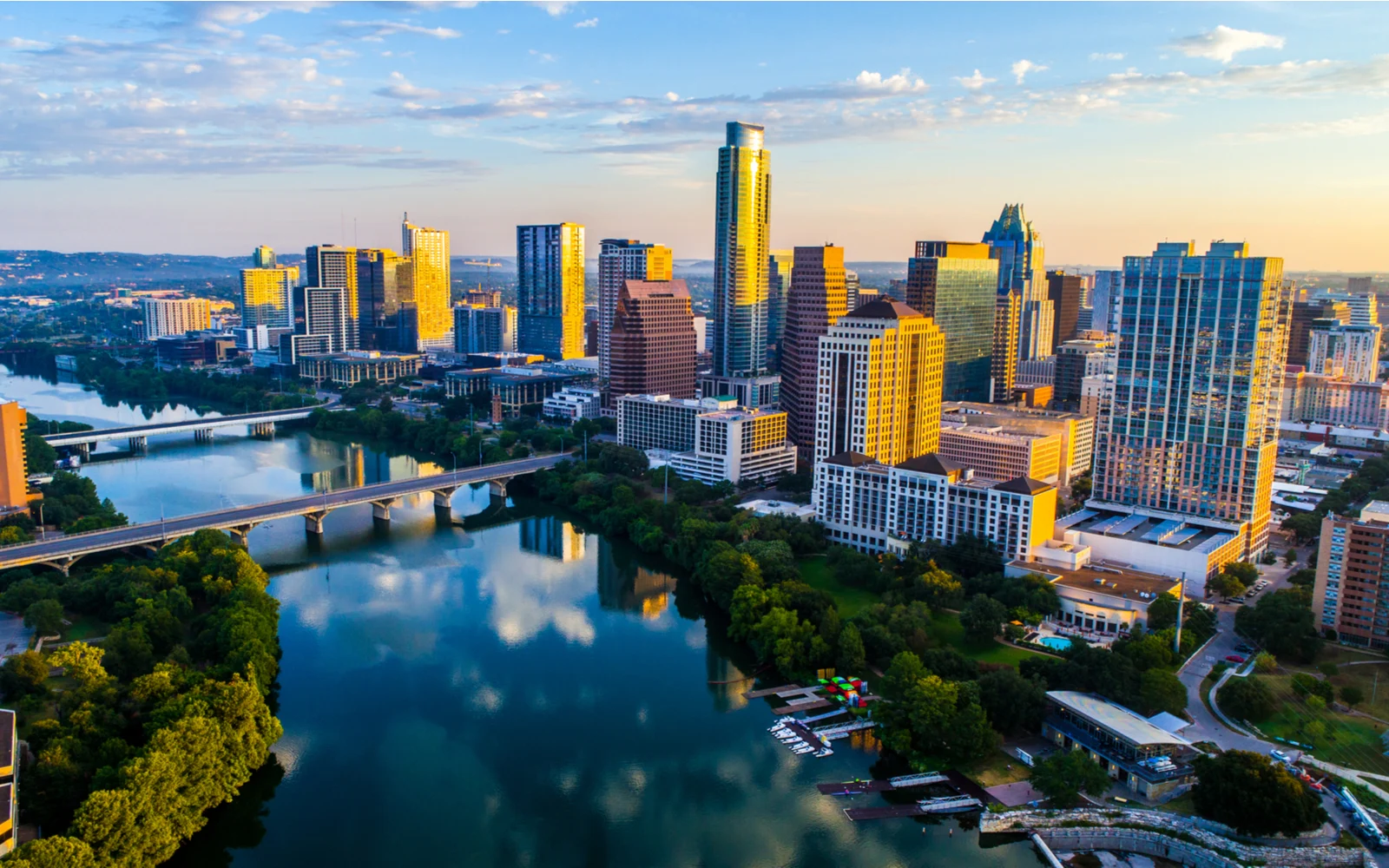
When selecting accommodation, consider the amenities that align with your trip’s purpose. Business travelers might prioritize high-speed internet and meeting spaces, while families could seek pools and kid-friendly services. Couples on a romantic getaway might prefer resorts with spa services or suites offering panoramic city views. Always check recent reviews for insights into service quality, cleanliness, and location accuracy. Booking strategically, often several months in advance for peak seasons, can lead to significant savings and a wider selection of preferred lodging, ensuring your Austin stay is as comfortable as it is memorable.
Experiencing Austin: Beyond the Clock
Once the practicalities of time zones and accommodation are sorted, the real fun begins: immersing yourself in Austin’s unique charm. The city’s spirit is defined by its iconic landmarks, vibrant culture, and endless opportunities for exploration. Knowing the time allows you to precisely plan your visits, but it’s the timeless essence of Austin that truly captivates.
Iconic Landmarks and Attractions
Austin is rich with landmarks that blend history, nature, and modern architecture. A visit to the majestic Texas State Capitol, an architectural masterpiece, offers a deep dive into the state’s political history and grandeur. Its imposing structure and meticulously manicured grounds are a testament to Texas’s proud heritage. Nearby, the LBJ Presidential Library and the Blanton Museum of Art offer further cultural enrichment.
For those seeking natural beauty, Zilker Park serves as Austin’s sprawling urban oasis, home to the refreshing waters of Barton Springs Pool. This natural spring-fed pool maintains a cool 68-70°F year-round, making it a perfect escape from the summer heat. Timing is everything here; early mornings offer a serene swimming experience, while afternoons buzz with local activity.
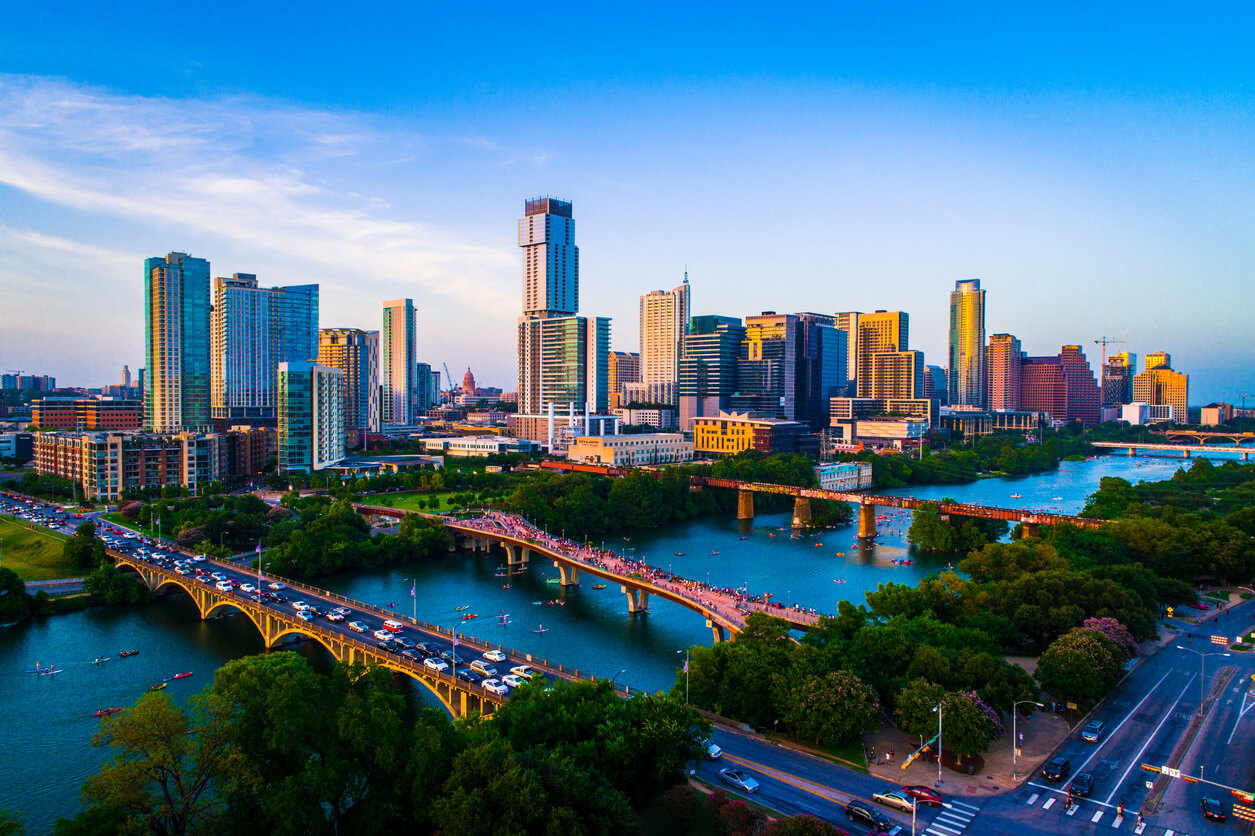
No trip to Austin is complete without witnessing the world’s largest urban bat colony emerge from beneath the Congress Avenue Bridge. Millions of bats take flight at dusk, creating an awe-inspiring spectacle. The exact time of their emergence varies with the sunset and season, making it crucial to plan your visit accordingly, perhaps with a bat-watching boat tour on Lady Bird Lake for the best views. Lady Bird Lake itself is a hub for outdoor activities, with its scenic hike and bike trails, kayaking, and paddleboarding opportunities, offering stunning views of the Austin skyline.
Austin’s Unique Local Culture, Food, and Activities
Austin proudly wears the title “Live Music Capital of the World,” and for good reason. From the legendary venues of Sixth Street to the more laid-back ambiance of Rainey Street, live music pulsates through the city almost every hour of the day. Exploring these districts in the evening allows you to fully experience Austin’s nocturnal energy, but many venues also host daytime performances and happy hours.
The city’s food scene is equally legendary, reflecting a “Keep Austin Weird” ethos that embraces diverse culinary experiences. BBQ is practically a religion here, with iconic establishments like Franklin Barbecue drawing lines hours before opening. Savvy travelers often plan to arrive early or opt for other highly-rated BBQ joints to avoid extreme wait times. Beyond BBQ, Austin is a paradise for food trucks, offering everything from authentic Tex-Mex and gourmet burgers to international fusion cuisine. A leisurely afternoon spent hopping between food trucks is a quintessential Austin experience. For those interested in health-conscious options, the original Whole Foods Market Flagship store offers a unique grocery and dining experience.
Outdoor enthusiasts will find no shortage of activities. Besides Lady Bird Lake, the rolling hills of the Texas Hill Country surrounding Austin provide excellent opportunities for hiking, biking, and exploring natural wonders like Lake Travis and Lake Austin. The city also boasts numerous art galleries, quirky boutiques, and independent shops, particularly along South Congress, offering unique souvenirs and a taste of local artistry. To fully appreciate Austin’s diverse offerings, consider purchasing an Austin CityPASS for discounted access to multiple attractions.
Lifestyle Choices: Crafting Your Austin Journey
Austin isn’t just a destination; it’s an experience molded by the traveler’s chosen lifestyle. Whether you’re chasing luxury, stretching a budget, bringing the whole family, or on a crucial business trip, the city offers distinct pathways to an unforgettable visit. Understanding the “when” of your trip (time of year, day, and even hour) becomes instrumental in shaping the “how” of your Austin adventure.
Tailoring Your Trip: Luxury, Budget, Family, or Business
Luxury Travel: For those desiring an indulgent lifestyle, Austin delivers with exquisite resorts and high-end hotels. Properties like the Four Seasons Hotel Austin or Hotel ZaZa Austin offer opulent suites, world-class dining, and rejuvenating spa services. These establishments often feature prime locations with stunning views of Lady Bird Lake or the city skyline, providing a serene escape amidst the urban bustle. Luxury travelers can explore upscale shopping districts, enjoy private tours of local wineries in the Hill Country, or savor haute cuisine at Austin’s acclaimed fine dining establishments.
Budget Travel: Austin is also incredibly accessible for budget-conscious travelers. Affordable accommodation can be found in hostels, extended-stay apartments, or by booking slightly outside the immediate Downtown Austin area. The city thrives on free or low-cost activities: exploring the Texas State Capitol grounds, swimming at Barton Springs Pool, hiking the trails around Lady Bird Lake, or simply enjoying the street art and live music on Sixth Street. Food trucks offer delicious and inexpensive meals, allowing visitors to savor local flavors without breaking the bank.
Family Trips: Bringing the family to Austin means a wealth of kid-friendly attractions. Zilker Park is an expansive playground with the Zilker Zephyr miniature train and vast green spaces for picnics. The Thinkery, Austin’s children’s museum, provides interactive learning experiences, while the Austin Zoo offers encounters with rescued animals. Many hotels and resorts cater to families with pools, connecting suites, and special programs, ensuring comfort and convenience for all ages.
Business Stays: For professionals, Austin is a growing hub for technology and conventions. Hotels near the Austin Convention Center or in tech-centric areas like The Domain offer state-of-the-art meeting facilities, high-speed internet, and business amenities. Proximity to corporate offices and easy access to transportation are key considerations. Many business hotels also provide excellent dining options and fitness centers, allowing business travelers to maintain their routines even while away from home.
Maximizing Your Austin Experience
Regardless of your chosen lifestyle, maximizing your Austin experience involves strategic planning and an open mind. Transportation is a key element: while Downtown Austin is highly walkable, rideshares and scooters are popular for longer distances. Public transportation, though less comprehensive than in some major cities, serves key areas. Renting a car might be beneficial if you plan extensive excursions into the Hill Country or surrounding towns.
Timing your visit with Austin’s famous events, like the music and tech festival SXSW in March or the Austin City Limits Music Festival in October, can offer unparalleled cultural immersion. However, be prepared for increased crowds and higher prices during these periods. Alternatively, visiting during shoulder seasons (late spring or early fall, outside of major festivals) can offer pleasant weather, fewer crowds, and more favorable rates.
To truly embrace the local culture, engage with the friendly locals, sample the diverse culinary offerings beyond just BBQ, and explore the independent boutiques and art galleries that embody the “Keep Austin Weird” motto. Whether you’re savoring a morning coffee, taking a midday swim, or enjoying live music late into the evening, Austin’s unique rhythm ensures there’s always something memorable happening.
In conclusion, understanding what time it is in Austin – that it operates on Central Standard Time (CST) or Central Daylight Time (CDT) depending on the season – is merely the starting point for an incredible travel adventure. This seemingly simple piece of information unlocks a world of strategic planning, allowing you to synchronize your visit with the city’s vibrant pulse. From meticulously chosen accommodation to perfectly timed visits to iconic landmarks and unforgettable cultural experiences, every moment in Austin can be optimized for maximum enjoyment. So, set your watch to Austin time, and prepare to discover why this Texas gem is a premier destination for tourism and unforgettable memories.
LifeOutOfTheBox is a participant in the Amazon Services LLC Associates Program, an affiliate advertising program designed to provide a means for sites to earn advertising fees by advertising and linking to Amazon.com. Amazon, the Amazon logo, AmazonSupply, and the AmazonSupply logo are trademarks of Amazon.com, Inc. or its affiliates. As an Amazon Associate we earn affiliate commissions from qualifying purchases.