
For travelers, the simple question, “What time is it now in Oregon?” holds more significance than one might initially realize. Beyond merely knowing the current hour, understanding Oregon’s time zones is crucial for seamless travel planning, booking accommodations, coordinating activities, and even staying connected with loved ones back home. As a jewel of the Pacific Northwest, Oregon offers an unparalleled array of destinations, from the vibrant urban sprawl of Portland to the serene, rugged beauty of the Oregon Coast and the majestic peaks of the Cascade Mountains. Each experience, whether it’s an early morning hike or a late-night culinary adventure, is intrinsically linked to the clock.
This guide delves into the nuances of Oregon’s time zones, offering insights for every type of traveler. We’ll explore how to navigate daylight saving time, optimize your itinerary, and make the most of your journey through this incredibly diverse state, ensuring your focus remains on creating unforgettable memories rather than scrambling to adjust your watch.
Understanding Oregon’s Time Zones: Pacific Standard vs. Pacific Daylight
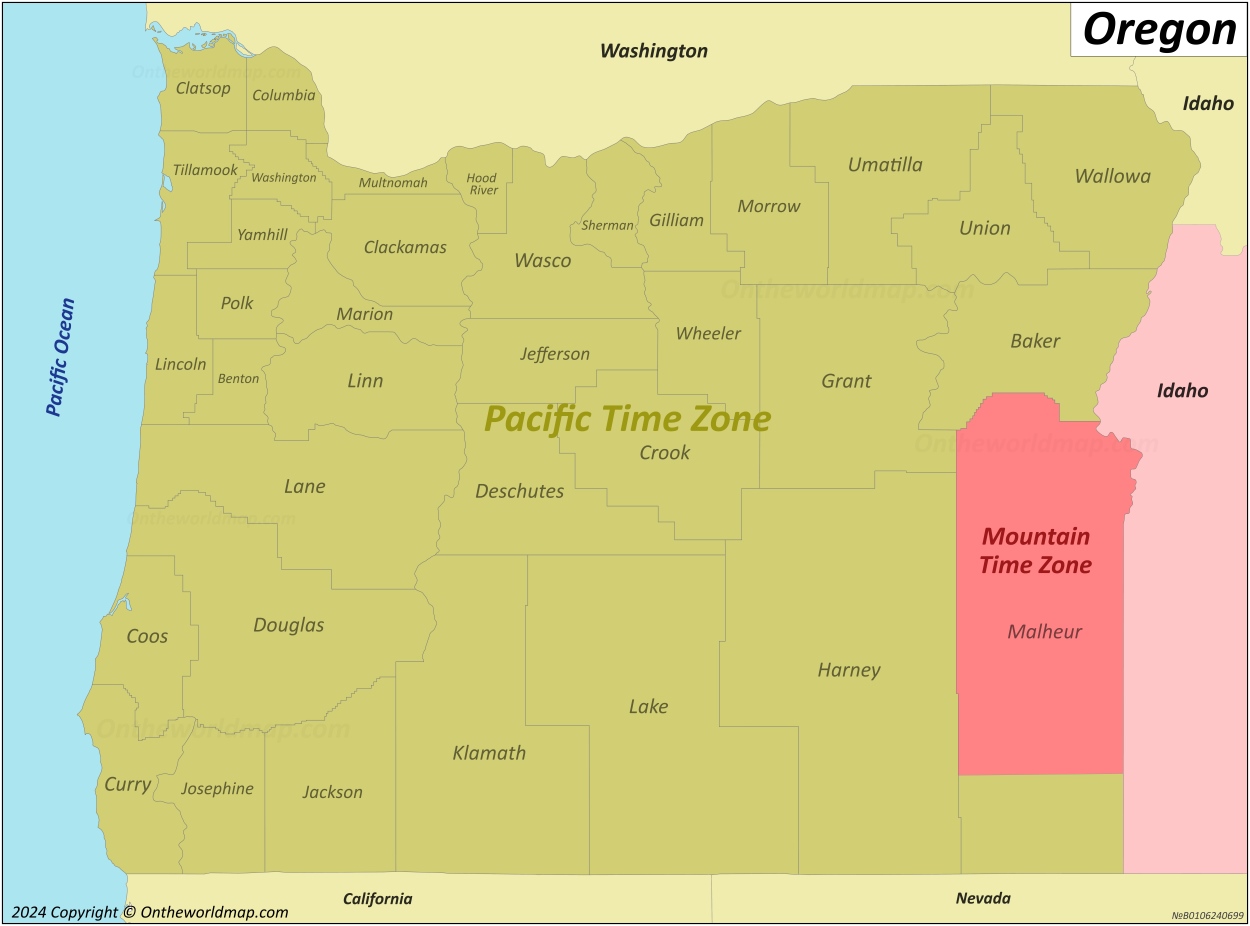
The vast majority of Oregon operates within the Pacific Time Zone, which observes both Pacific Standard Time (PST) during the colder months and Pacific Daylight Time (PDT) for the brighter, warmer seasons. This annual shift is a key consideration for anyone planning a trip to the state.
The Basics: PST and PDT Explained
From early November to mid-March, Oregon adheres to Pacific Standard Time (PST), which is UTC-8 (Coordinated Universal Time minus eight hours). This means that if it’s noon UTC, it’s 4:00 AM in Oregon during PST. This period often coincides with winter sports seasons, such as skiing and snowboarding on Mount Hood, and cozy indoor activities like exploring Portland’s renowned bookstores or sampling craft beers.
When spring arrives, typically on the second Sunday in March, Oregon springs forward to Pacific Daylight Time (PDT). This shifts the clock forward by one hour, making it UTC-7. The change grants an extra hour of daylight in the evenings, perfectly aligning with Oregon’s vibrant outdoor culture. This is the prime time for hiking in the Columbia River Gorge, exploring the unique rock formations along the Oregon Coast, or enjoying extended evenings at outdoor dining establishments. The shift back to PST occurs on the first Sunday in November.
It’s important to note a minor exception: a small eastern portion of Malheur County, specifically the city of Ontario and surrounding areas along the Idaho border, observes the Mountain Time Zone (MT). For most travelers, this won’t be a concern, but if your itinerary takes you to the far eastern edge of the state, be aware of this localized difference.
Daylight Saving Time: Navigating the Shifts
The biannual change for Daylight Saving Time (DST) can subtly yet significantly impact travel plans. When the clocks spring forward in March, an evening flight arrival might suddenly feel an hour later than anticipated, affecting check-in times at your chosen accommodation or planned dinner reservations. Conversely, falling back in November means an extra hour in bed, but also earlier sunsets, which can shorten daylight hours for outdoor explorations.
For instance, if you’re planning a multi-day hike or a scenic drive along the Historic Columbia River Highway, the timing of sunset can dictate how much you see and do before it gets dark. During PDT in summer, daylight can stretch well into the evening, allowing for longer explorations and spontaneous detours. In contrast, during PST in winter, sunset can be as early as 4:30 PM, necessitating careful planning for activities that require natural light. Always confirm local times, especially around the DST transitions, to ensure your schedule aligns with the actual clock. Modern smartphones and devices typically adjust automatically, but it’s always wise to double-check.
Timing Your Oregon Adventure: Travel and Tourism Considerations
The beauty of Oregon lies in its diverse landscapes and experiences, from coastal towns to high desert and lush forests. Effective time management, informed by an understanding of the state’s time zones, is key to unlocking its full potential as a travel destination.
Planning Your Itinerary Across Diverse Regions
When crafting your Oregon itinerary, consider the geographical and temporal aspects. A road trip from the surfing beaches of Cannon Beach on the coast to the high desert adventures of Bend or the dramatic landscapes of Crater Lake National Park requires not just travel time but also an awareness of how daylight hours will influence your activities. Early morning fog might delay coastal views, while midday sun can make desert hikes challenging.
For example, a morning whale watching tour off the Oregon Coast might start at 8:00 AM PDT, allowing for ample time to spot marine life and still make it to a late lunch in Tillamook for a famous cheese tasting. If you then plan to drive inland towards the Willamette Valley for an afternoon wine tasting, knowing the time allows you to estimate your arrival and make reservations accordingly. Conversely, during PST, your coastal morning might be darker and cooler, and the drive to the Willamette Valley might mean less time for daylight photography at wineries.

Major cities like Portland, Eugene, and Ashland offer their own rhythms. Portland’s vibrant culinary scene, art galleries, and cultural landmarks like Powell’s City of Books or the International Rose Test Garden can be enjoyed regardless of daylight, but evening entertainment like concerts or theater shows will strictly follow the clock. In Ashland, performances at the world-renowned Oregon Shakespeare Festival operate on a precise schedule, making timely arrival critical.
Booking Accommodations and Activities
When booking hotels, resorts, or other accommodation types in Oregon, all times listed will inherently be local Oregon time. However, if you are traveling from a different time zone, it’s essential to factor in your internal clock’s adjustment. An 8:00 AM check-out might feel like 11:00 AM to someone arriving from the East Coast, leading to potential delays or missed connections.
Many Oregon attractions and experiences, from guided fishing trips on the Rogue River to culinary tours in Portland, operate on strict schedules. Always confirm the start times, especially if booking activities far in advance or across a Daylight Saving Time change. For popular destinations like the Timberline Lodge on Mount Hood or boutique hotels like The Allison Inn & Spa in the Willamette Valley, reservation times are absolute. Missing a reservation due to a time zone miscalculation can be a costly mistake, especially for non-refundable bookings. Reputable establishments like RiverPlace Hotel or Hotel Vintage Portland in Portland, or the Surfsand Resort in Cannon Beach, often provide clear communication regarding check-in/check-out times and activity schedules, but the ultimate responsibility for awareness rests with the traveler.
Maximizing Your Oregon Experience: Lifestyle and Local Culture
Oregon’s unique lifestyle and rich local culture are deeply intertwined with the rhythm of its days, making an awareness of time crucial for a truly immersive experience.
Day Length and Outdoor Activities
The seasonal variations in day length dramatically influence the scope and enjoyment of Oregon’s myriad outdoor activities. During the summer months, when PDT is in effect, the long hours of daylight extend possibilities. A traveler could spend a full day hiking to Multnomah Falls in the Columbia River Gorge, enjoy a scenic drive to Silver Falls State Park, and still have ample time for an outdoor dinner. Coastal towns like Astoria and Cannon Beach become hubs for beach activities, tide pooling, and sunset viewing, with golden hour photography opportunities stretching late into the evening. Adventurers seeking dramatic natural phenomena like Thor’s Well on the central coast will find that observing the tide charts and daylight hours is paramount for both safety and optimal viewing.

Conversely, the shorter days of winter, under PST, necessitate a more condensed schedule for outdoor pursuits. Skiing and snowboarding at resorts on Mount Hood are often best enjoyed during peak daylight hours. Wildlife viewing, particularly for coastal birds or elk, might be more productive in the earlier morning or late afternoon before darkness falls. For those embracing a budget travel lifestyle, utilizing daylight to explore free attractions like parks and scenic viewpoints becomes even more critical. Family trips also benefit from knowing sunset times, as it helps in planning children’s activities and ensuring they’re back at their accommodation before it gets too dark.
Culinary Experiences and Nightlife
Oregon’s culinary scene, from farm-to-table restaurants in Portland to fresh seafood shacks on the coast and craft breweries in Bend, is a major draw for tourism. Restaurants, especially popular ones, adhere to strict reservation times. Being punctual is not just good etiquette but essential to secure your table, particularly in high-demand areas or during peak season. A late arrival due to a time zone miscalculation could mean forfeiting your reservation.
Beyond dining, Oregon’s nightlife thrives in its urban centers. Portland boasts a vibrant bar scene, live music venues, and unique spots like McMenamins Kennedy School, all with specific operating hours. Knowing the local time is crucial for catching a show, enjoying a late-night dessert, or experiencing the city’s pulse after dark. For business stays, understanding the local clock is paramount for scheduling meetings, client dinners, and professional networking events, ensuring you align with local business hours and cultural expectations.
Practical Tips for Travelers: Staying on Oregon Time
Navigating a new time zone doesn’t have to be daunting. With a few simple strategies, you can effortlessly adjust to Oregon time and maximize your travel enjoyment.
Setting Your Devices
The simplest way to stay on local time is to rely on your smartphone and other smart devices. Most modern phones automatically detect time zones when you travel, updating themselves to the correct local time upon arrival. However, it’s a good practice to verify this setting, especially if you’re experiencing a major time zone shift. Manually setting your phone to the Pacific Time Zone or ensuring automatic updates are enabled will prevent most time-related confusion. For traditionalists, a simple wristwatch adjustment upon arrival is also effective. Keep an eye out for airport or public clocks upon landing at Portland International Airport or Eugene Airport to confirm your devices are accurate.
Communication Across Time Zones
For many travelers, staying connected with family, friends, or colleagues in different time zones is a necessity. Before making calls or scheduling virtual meetings, take a moment to calculate the time difference. Apps and online tools specifically designed for time zone conversion can be invaluable. This thoughtful approach prevents unintentional disturbances for those back home and ensures smooth business communications. For instance, if you’re in Portland (PST/PDT) and your family is on the East Coast (EST/EDT), there will be a three-hour difference. A morning call at 9:00 AM Oregon time would be noon for them. This small consideration enhances the overall travel experience by maintaining important connections without hassle.
Ultimately, “What is time now in Oregon?” is more than a trivial query; it’s a foundational element for a well-planned and stress-free journey through this magnificent state. From ensuring you catch the last entry to the Oregon Zoo or OMSI (Oregon Museum of Science and Industry), to making your dinner reservation at a coveted Portland eatery or simply arriving on time for a sunrise photo opportunity at Pittock Mansion, understanding Oregon’s time zones is key. By embracing this knowledge, you empower yourself to fully immerse in the culture, landmarks, and lifestyle offerings of Oregon, transforming potential temporal pitfalls into seamless travel triumphs.
LifeOutOfTheBox is a participant in the Amazon Services LLC Associates Program, an affiliate advertising program designed to provide a means for sites to earn advertising fees by advertising and linking to Amazon.com. Amazon, the Amazon logo, AmazonSupply, and the AmazonSupply logo are trademarks of Amazon.com, Inc. or its affiliates. As an Amazon Associate we earn affiliate commissions from qualifying purchases.