
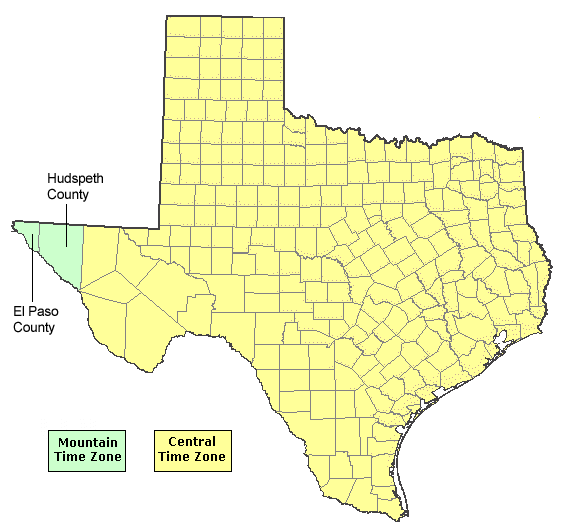
For anyone planning a trip to the vibrant city of Dallas, Texas, one of the first and most crucial pieces of information to ascertain is its time zone. Understanding Dallas’s time zone is not merely a matter of curiosity; it’s a fundamental aspect of successful travel planning, from booking flights and accommodation to scheduling meetings and exploring local attractions. Dallas, like much of Texas and other central states in the United States, operates on the Central Time Zone. This designation, while seemingly simple, involves nuances of Daylight Saving Time that can impact visitors significantly.
The Central Time Zone (CT) is a geographical region that observes Central Standard Time (CST) during the winter months and Central Daylight Time (CDT) during the summer. CST is six hours behind Coordinated Universal Time (UTC) (or Greenwich Mean Time (GMT)), often written as UTC-6. When Daylight Saving Time is in effect, Dallas switches to CDT, which is five hours behind UTC (UTC-5). This change typically occurs on the second Sunday in March when clocks “spring forward” one hour, and reverts on the first Sunday in November when they “fall back.” This detailed understanding forms the bedrock for any comprehensive travel or lifestyle planning in Dallas.
Understanding Dallas’s Time Zone: Central Standard Time (CST) and Central Daylight Time (CDT)
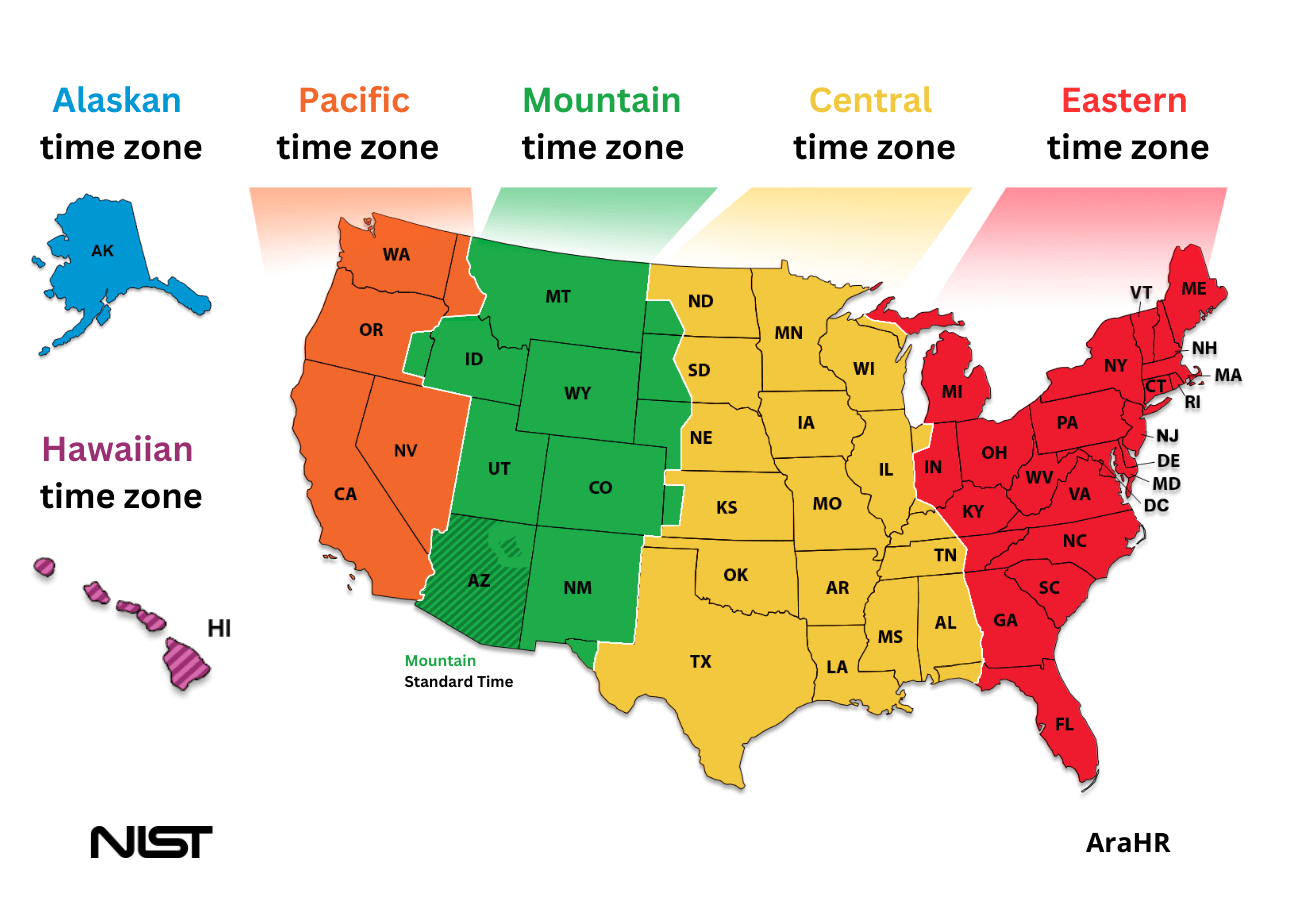
The concept of time zones emerged in the 19th century to standardize timekeeping, primarily for railway schedules, making travel and commerce more efficient across vast geographical expanses. The United States is divided into several time zones: Eastern Time Zone, Central Time Zone, Mountain Time Zone, and Pacific Time Zone, among others. Dallas falls squarely within the Central Time Zone, sharing its time with other major cities like Chicago, Houston, New Orleans, and Kansas City. This consistent time zone across a significant portion of the country helps in coordinating activities and business operations.
The Mechanics of CST and CDT
For roughly eight months of the year, from mid-March to early November, Dallas observes Central Daylight Time (CDT). During this period, the clocks are advanced by one hour, meaning there is more daylight in the evening. This shift is designed to make better use of natural daylight and reduce energy consumption. When CDT ends, the city returns to Central Standard Time (CST), where the clocks are set back an hour. This “fall back” results in earlier sunsets and more daylight in the mornings. This biannual adjustment is critical for visitors to note, especially when planning travel dates around these transitions, as it can subtly impact schedules, particularly for those arriving on the day of the change.
The adherence to Daylight Saving Time means that visitors must always be aware of the current date to determine if Dallas is on CST or CDT. Most modern smartphones and digital devices automatically adjust, but for critical appointments or international calls, double-checking the local time is always a wise precaution. The time zone impacts everything from the opening hours of attractions to the operating times of public transport and the scheduling of events.
Why Time Zones Matter for Travelers
For travelers, especially those arriving from different time zones, understanding Dallas’s time is paramount.
- Jet Lag: Travelers from the East Coast will experience a one-hour time difference (East Coast is ahead), while those from the West Coast will contend with a two-hour difference (West Coast is behind). International travelers, particularly from Europe or Asia, will face significantly larger shifts, making jet lag a genuine concern. Knowing the time difference helps in mental preparation and planning strategies to mitigate its effects.
- Flight Schedules: All flight arrival and departure times for Dallas/Fort Worth International Airport (DFW) and Dallas Love Field are listed in local Dallas time. Misinterpreting these times can lead to missed flights or long waits.
- Hotel Check-in/Check-out: Hotel check-in and check-out times are strictly local. Arriving too early or too late due to time zone confusion can result in additional charges or inconvenience.
- Business Appointments: For business travelers, punctuality is key. Understanding the local time is fundamental to scheduling meetings, conferences, and networking events effectively.
- Leisure Activities: The opening and closing times for museums, restaurants, shops, and entertainment venues are all tied to the local time. Planning your itinerary around these hours is essential for maximizing your Dallas experience.
Planning Your Dallas Adventure: Time Zone Considerations for Travel and Tourism
Dallas is a major hub for business, culture, and tourism in the Southwest United States. Its vibrant arts scene, robust economy, and distinctive Texan charm attract millions of visitors annually. When planning your trip, integrating the time zone information into every aspect of your itinerary ensures a smoother and more enjoyable visit.
Navigating Flights and Arrivals
Most visitors to Dallas arrive via DFW International Airport, one of the busiest airports in the world, or Dallas Love Field, which is a hub for Southwest Airlines. When booking flights, confirm whether the times displayed are in your departure time zone or the destination’s local time. Reputable airlines like American Airlines usually make this clear, but it’s always worth a double-check. Upon arrival, setting your devices to Dallas time immediately helps recalibrate your internal clock.
Consider your travel duration and the time difference. For example, if you’re flying from New York City (Eastern Time), your flight might depart at 9 AM EST and arrive in Dallas at 11 AM CST. While only two hours have elapsed in travel time, your body experiences it as a longer journey due to the time zone shift. Factor this in, especially for early morning meetings or activities on your arrival day.
Maximizing Your Stay: Attractions and Activities
Dallas boasts an impressive array of attractions, from world-class museums to sprawling parks and historical sites.
- Dallas Arts District: Home to the Dallas Museum of Art, the Nasher Sculpture Center, and the Winspear Opera House, this district’s venues typically open around 10 AM or 11 AM local time and close in the late afternoon or early evening.
- Dallas World Aquarium and the Perot Museum of Nature and Science: These popular family attractions are perfect for morning or early afternoon visits, allowing ample time before closing.
- Klyde Warren Park: This urban oasis offers free activities throughout the day, making it a flexible option regardless of your time zone adjustment.
- Reunion Tower: Offering panoramic views of the city, the observation deck is a great spot to visit as day turns to night, allowing you to experience Dallas at sunset. Be mindful of their specific operating hours, which can vary seasonally.
- Sixth Floor Museum at Dealey Plaza: This profound historical site typically opens mid-morning. It’s advisable to check specific times and book tickets in advance, especially during peak tourist seasons.
When planning dining experiences, remember that standard lunch hours in Dallas are typically between 12 PM and 2 PM, and dinner often starts around 6 PM, extending to 9 PM or 10 PM. If you’re struggling with jet lag, consider booking a later dinner reservation on your first night to allow for a power nap or some rest.
Accommodation and Lifestyle in Dallas: Adjusting to Local Time
Beyond attractions, the time zone also influences your overall experience with accommodation and adapting to the local lifestyle. From boutique hotels in Uptown to resorts near DFW, your choice of stay and daily rhythm are intertwined with Dallas’s time.
Hotel Stays and Booking Etiquette
When booking your stay at establishments like The Ritz-Carlton, Dallas, the Omni Dallas Hotel, or the historic Rosewood Mansion on Turtle Creek, remember that all published times for check-in (typically 3 PM or 4 PM) and check-out (usually 11 AM or 12 PM) are in Dallas local time. If you arrive early from a distant time zone, you might request an early check-in, but this is subject to availability and sometimes an extra fee. Similarly, a late flight might necessitate a late check-out or luggage storage services. Luxury hotels such as Hotel Crescent Court or the Four Seasons Resort and Club Dallas at Las Colinas are often more accommodating with these requests, especially for their loyalty members.
Consider your body clock when choosing your arrival time. An afternoon arrival might be better than a red-eye flight that lands you in Dallas at 6 AM local time, leaving you with hours to kill before check-in, feeling tired and disoriented. Accommodation options range from premium suites at the Grand Hyatt DFW (located directly within the airport) to vibrant, centrally located properties like the Hyatt Regency Dallas or the Fairmont Dallas.

Dining, Entertainment, and Local Rhythms
Dallas’s diverse culinary scene and nightlife thrive on local time. Areas like Deep Ellum and the Bishop Arts District come alive in the evenings, with restaurants and bars often staying open until late. If you’re coming from a time zone that is significantly ahead, you might find yourself ready for dinner at 5 PM when most kitchens are just starting to prepare for the evening rush. Conversely, if you’re from a western time zone, you might be accustomed to later dinners and find yourself hungry before many places officially open for evening service.
Shopping destinations like NorthPark Center or Highland Park Village typically open around 10 AM and close between 7 PM and 9 PM, aligning with local work rhythms. Planning your shopping excursions or visits to specific boutiques like Neiman Marcus’ flagship store should account for these hours. For specific events, whether it’s a concert at the American Airlines Center, a Dallas Cowboys game at AT&T Stadium in Arlington, or a performance in the Dallas Arts District, start times are always local. Arrive early to account for traffic and parking, especially for major events.
Exploring Dallas: Must-Visit Landmarks and Experiences
Beyond the practicalities of time zones, Dallas offers a rich tapestry of landmarks and experiences that make it a compelling destination. Incorporating these into your itinerary, with your time zone knowledge, will ensure you make the most of your visit.
Iconic Attractions and Cultural Gems
- The Sixth Floor Museum at Dealey Plaza: A poignant historical landmark focusing on the assassination of President John F. Kennedy. Allow 2-3 hours for a comprehensive visit.
- Dallas Arboretum and Botanical Garden: A stunning 66-acre garden on the shores of White Rock Lake, perfect for a leisurely morning or afternoon stroll. Check seasonal hours, especially during events like Dallas Blooms.
- George W. Bush Presidential Center: Located on the Southern Methodist University campus, this center includes a museum, library, and the George W. Bush Institute. Plan for a half-day visit to fully appreciate its exhibits.
- West End Historic District: Explore historic red-brick warehouses now housing shops, restaurants, and entertainment. This area comes alive in the evening, making it a great spot for dinner after a day of sightseeing.
- Bishop Arts District and Deep Ellum: These neighborhoods offer unique vibes, with independent boutiques, art galleries, live music venues, and eclectic dining. Bishop Arts is charming during the day and evening, while Deep Ellum truly lights up after dark.
Beyond the City Limits: Day Trips and Surroundings
Dallas’s central location in Texas makes it an excellent base for day trips, all within the same Central Time Zone.
- Fort Worth: Just a 30-45 minute drive west, Fort Worth offers a distinct “Cowboy Culture” experience, especially at the Stockyards National Historic District. Plan to see the cattle drive and rodeo, ensuring you check their local times.
- Grapevine: A charming historic town near DFW Airport, known for its wineries, historic main street, and attractions like the Gaylord Texan Resort & Convention Center.
- Plano and Frisco: These northern suburbs boast upscale shopping (e.g., Legacy West in Plano), professional sports venues, and corporate headquarters. Eataly at NorthPark Center is also a popular culinary destination.
For longer excursions, cities like Austin, San Antonio, and Houston are all within a 3-4 hour drive and operate on the same Central Time Zone. This eliminates any time zone confusion for multi-city Texas tours.
Practical Tips for a Seamless Dallas Visit
While adjusting to a new time zone is often the biggest hurdle, a few additional tips can enhance your trip to Dallas.
Beating Jet Lag
- Adjust Before You Go: If possible, start shifting your sleep schedule a few days before your trip.
- Stay Hydrated: Drink plenty of water and avoid excessive alcohol or caffeine, especially on the flight.
- Embrace Local Time Immediately: As soon as you land, set your watch to Dallas time. Try to eat and sleep according to the local schedule.
- Seek Sunlight: Exposure to natural light during the day helps regulate your body’s circadian rhythm. Spend time outdoors, perhaps at Klyde Warren Park or the Dallas Arboretum.
- Moderate Naps: If you must nap, keep it short (20-30 minutes) to avoid deeper sleep that can worsen jet lag.
Staying Connected Across Time Zones
- Communication with Home: When communicating with friends, family, or colleagues in different time zones, always confirm their local time to avoid inconvenient calls. Apps and online tools can help easily convert times.
- Event Scheduling: For major events like the State Fair of Texas, which typically runs for several weeks in the fall, or the annual Cotton Bowl Classic, ensure you confirm event times well in advance, as these are fixed to Dallas local time.
In conclusion, Dallas, Texas observes the Central Time Zone, transitioning between CST (UTC-6) and CDT (UTC-5) due to Daylight Saving Time. This seemingly minor detail is fundamental to seamless travel, affecting everything from flight logistics and hotel bookings to your enjoyment of Dallas’s diverse attractions, culinary scene, and vibrant lifestyle. By understanding and proactively planning around this time zone, visitors can ensure their trip to this magnificent Texas city is as enriching and stress-free as possible.
LifeOutOfTheBox is a participant in the Amazon Services LLC Associates Program, an affiliate advertising program designed to provide a means for sites to earn advertising fees by advertising and linking to Amazon.com. Amazon, the Amazon logo, AmazonSupply, and the AmazonSupply logo are trademarks of Amazon.com, Inc. or its affiliates. As an Amazon Associate we earn affiliate commissions from qualifying purchases.