
Understanding the local time zone is a fundamental aspect of travel and daily life, often overlooked until a missed flight or a late meeting highlights its critical importance. For anyone planning a visit to, or conducting business in, Houston, Texas, knowing the correct time zone is essential for a seamless experience. Houston, a sprawling metropolis known for its energy industry, vibrant arts scene, and diverse culinary landscape, operates within the Central Time Zone (CT). This means it observes Central Standard Time (CST) for part of the year and Central Daylight Time (CDT) during the warmer months, aligning with the practice of Daylight Saving Time.

This comprehensive guide delves into the specifics of Houston’s time zone, explaining its implications for travel planning, business operations, and enjoying the city’s myriad attractions. From navigating flight schedules and hotel bookings to ensuring you don’t miss a concert at the Toyota Center or an early morning visit to the Space Center Houston, understanding the temporal rhythm of Houston will significantly enhance your visit. Whether you’re a first-time tourist, a seasoned business traveler, or considering a long-term stay, grasping how Houston keeps time is your first step towards a well-organized and enjoyable journey.
Understanding Houston’s Time Zone: Central Standard Time (CST) and Central Daylight Time (CDT)
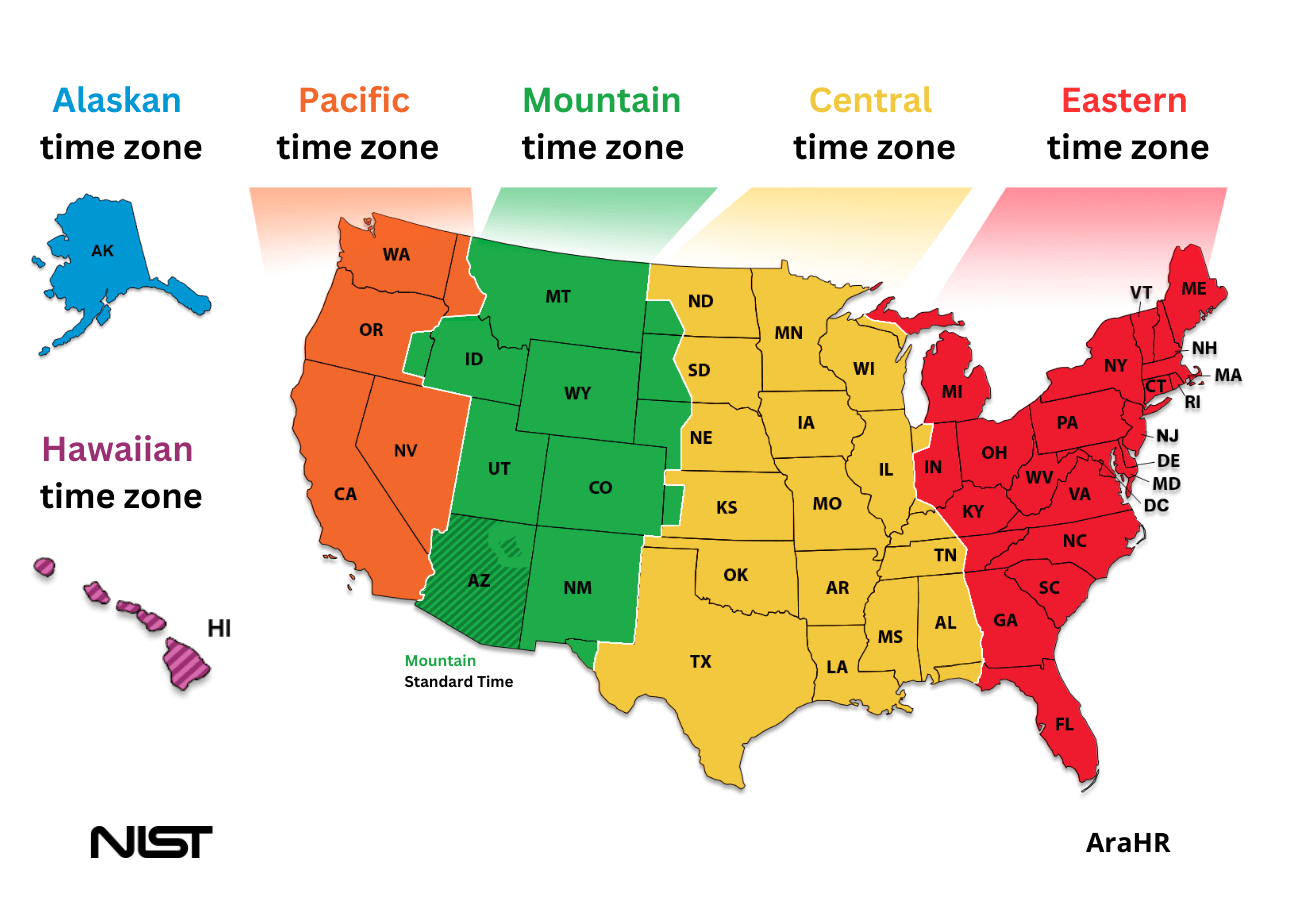
The Central Time Zone is one of the six standard time zones observed in the United States and parts of Canada and Mexico. For Houston and the rest of Texas, this means a predictable shift between two distinct time observations throughout the year.
The Basics of Central Time: CST and CDT Explained
Most of the year, from early November to mid-March, Houston operates on Central Standard Time (CST). CST is six hours behind Coordinated Universal Time (UTC), often written as UTC-6. This is the standard baseline for the region. However, like many parts of the United States, Houston observes Daylight Saving Time.
From mid-March to early November, clocks in Houston spring forward by one hour, switching to Central Daylight Time (CDT). CDT is five hours behind UTC, or UTC-5. This change is implemented to maximize daylight hours during the evening, allowing for more outdoor activities and potentially reducing energy consumption. The transition typically occurs on the second Sunday in March at 2:00 AM, when clocks jump to 3:00 AM, and on the first Sunday in November at 2:00 AM, when clocks fall back to 1:00 AM. Awareness of these specific dates is crucial for scheduling any activities or travel during these transition periods.
Geographic Context and Adjacent Time Zones
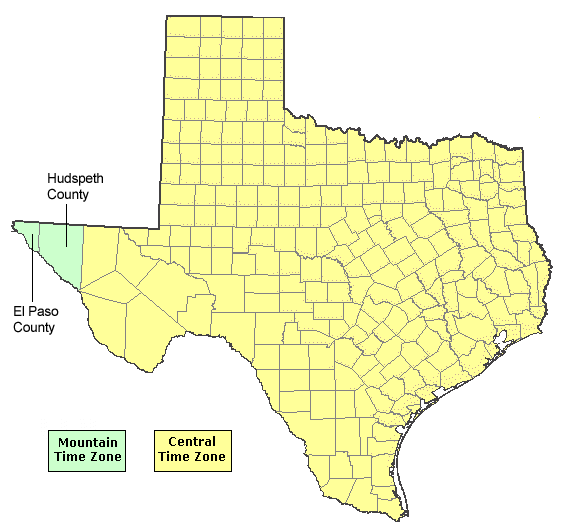
Texas is entirely within the Central Time Zone, meaning that cities like Dallas, Austin, and San Antonio share the same time as Houston. This simplifies travel within the state considerably.
However, understanding neighboring time zones becomes important for those traveling to or from states bordering Texas. To the east, states like Louisiana, Mississippi, and Arkansas are also in the Central Time Zone. But further east, you’ll encounter the Eastern Time Zone (UTC-5/UTC-4), which is one hour ahead of Houston. To the west, New Mexico observes the Mountain Time Zone (UTC-7/UTC-6), which is one hour behind Houston. For international travelers, especially from Europe or Asia, the time difference can be substantial, necessitating careful planning to manage jet lag and synchronize with local schedules.
Why Houston’s Time Zone Matters for Travel and Tourism
For any visitor, whether on leisure or business, the local time zone dictates the rhythm of your entire trip. From arrival to departure, every interaction and activity is time-bound.
Planning Your Visit: Flights, Events, and Activities
When booking flights to George Bush Intercontinental Airport (IAH) or William P. Hobby Airport (HOU), all arrival and departure times will be listed in local Houston time. This is critical for international travelers or those coming from different United States time zones, who must adjust their internal clocks to avoid missing connections or arriving at odd hours.
Once in Houston, understanding CST/CDT is vital for engaging with the city’s vibrant events and attractions. A Houston Astros game at Minute Maid Park, a concert at the Toyota Center, or a theatrical performance at the Wortham Theater Center will all adhere to the local time. Similarly, operating hours for museums in the Museum District, such as the Houston Museum of Natural Science or the Museum of Fine Arts, Houston, are strictly governed by the local clock. Pre-booking tours or restaurant reservations also requires a precise understanding of the time, especially when dealing with peak tourist seasons.
Business Travel Considerations
Houston’s status as a global energy capital means it draws countless business travelers. For professionals, time zone awareness moves beyond mere convenience; it’s a critical component of successful operations. Scheduling meetings, conference calls, and presentations often involves coordinating with partners or clients in different time zones, both nationally and internationally. A meeting set for 9:00 AM CST would be 10:00 AM EST or 7:00 AM PST, requiring careful communication to avoid misunderstandings. Business travelers staying at accommodations like the Four Seasons Hotel Houston or the JW Marriott Houston Downtown will find that hotel services, from business centers to dining, operate according to the Central Time Zone.
Overcoming Jet Lag and Synchronizing with Local Life
For those arriving from distant time zones, especially international visitors, jet lag can be a significant hurdle. Understanding the time difference in advance allows travelers to gradually adjust their sleep schedules before departure. Once in Houston, immediately setting watches and devices to CST or CDT and trying to adapt to local meal times and sleep patterns can help mitigate its effects.
Synchronizing with local life extends to experiencing the culture and daily rhythms of Houston. Knowing when stores open and close, when peak traffic hours occur, or when popular restaurants typically serve lunch and dinner allows visitors to integrate more smoothly. Public transportation, like the METRORail, operates on a fixed schedule that reflects the local time, impacting daily commutes and sightseeing plans.
Exploring Houston: A City Thriving in Central Time
Houston offers an incredible array of experiences, all structured around its Central Time Zone operations.
Top Attractions and Landmarks
The city’s iconic attractions are carefully scheduled to accommodate visitors throughout the day.
- The Space Center Houston, the official visitor center of NASA‘s Johnson Space Center, welcomes guests from morning to late afternoon, offering a fascinating glimpse into space exploration. Planning an early arrival helps beat the crowds.
- The Museum District, home to 19 museums, including the Houston Zoo and the Children’s Museum Houston, typically opens mid-morning, allowing for leisurely exploration over several hours.
- Outdoor spaces like Discovery Green in Downtown Houston or Buffalo Bayou Park are accessible from dawn until dusk, offering beautiful urban escapes for walking, cycling, or kayaking.
- Shopping enthusiasts can spend hours at The Galleria in Uptown Houston, with its extensive operating hours extending into the evening, especially on weekends.
- Further afield, a day trip to Galveston Island and the Kemah Boardwalk involves coordinating travel times, ensuring you make the most of the attractions before they close.
Culinary Delights and Nightlife
Houston’s food scene is legendary, from authentic Tex-Mex and BBQ joints to upscale international dining. Restaurants generally follow standard United States meal times, with lunch typically from 11:00 AM to 2:00 PM and dinner starting around 5:00 PM, often extending late into the evening. Neighborhoods like Montrose, Midtown, and Washington Avenue come alive after dark, with bars and clubs operating well past midnight. Time zone awareness is essential for making dinner reservations at popular spots or planning a night out without missing last call. The city’s thriving craft brewery scene also offers tours and tasting rooms with specific hours that require timely arrival.
Accommodation and Hospitality
Houston offers a vast selection of accommodations, from luxury hotels like The Post Oak Hotel at Uptown Houston to budget-friendly apartments and extended-stay options. Check-in times for hotels are typically in the afternoon (e.g., 3:00 PM or 4:00 PM local time), and check-out is usually in the late morning (e.g., 11:00 AM or 12:00 PM local time). Being aware of these times is crucial to avoid extra charges or waiting unnecessarily. Many hotels offer early check-in or late check-out services for an additional fee, which can be particularly useful for travelers arriving on red-eye flights or departing late in the day. The staff at hotels like the Hyatt Regency Houston are well-versed in assisting guests with time zone adjustments and can often provide up-to-date information on local events and their timings.
Practical Tips for Managing Time in Houston
A few simple strategies can help ensure your time in Houston is as smooth and enjoyable as possible.
Setting Your Devices
The easiest way to stay synchronized is to ensure your smartphone, laptop, and other electronic devices are set to automatically update their time zones. This feature typically recognizes your location and adjusts the time accordingly, removing the guesswork. Manual watches should be adjusted upon arrival. Having accurate local time displayed prominently will help you stick to your schedule and avoid any temporal mishaps.
Communication Across Time Zones
For travelers needing to communicate with family, friends, or colleagues in other parts of the world, a time zone converter app or website is invaluable. Before making an international call or sending an important message, a quick check can prevent waking someone up in the middle of the night or missing a crucial communication window. Remember the UTC offsets: Houston is UTC-6 during CST and UTC-5 during CDT.
Making the Most of Your Stay
Strategic planning around the time zone can maximize your Houston experience. If you’re an early riser, take advantage of the quiet mornings for a walk in Hermann Park or an early breakfast at a local diner. If you prefer evenings, plan your Museum District visits for late afternoon, followed by dinner and a show. Being aware of the sunrise and sunset times can also influence your plans, especially for outdoor activities or enjoying views from observation decks. For instance, catching the sunset over the city from a rooftop bar offers a memorable Houston experience that’s entirely time-dependent.
In conclusion, the time zone for Houston, Texas, is the Central Time Zone, observing both Central Standard Time (CST) and Central Daylight Time. While seemingly a minor detail, understanding this temporal framework is crucial for anyone engaging with this dynamic city. From facilitating smooth travel logistics and business interactions to enhancing your ability to explore its rich culture, vibrant attractions, and diverse culinary scene, being in sync with Houston’s clock is your key to a well-planned and highly rewarding visit. So, set your watches, embrace the rhythm of Central Time, and prepare to discover all that Houston has to offer.
LifeOutOfTheBox is a participant in the Amazon Services LLC Associates Program, an affiliate advertising program designed to provide a means for sites to earn advertising fees by advertising and linking to Amazon.com. Amazon, the Amazon logo, AmazonSupply, and the AmazonSupply logo are trademarks of Amazon.com, Inc. or its affiliates. As an Amazon Associate we earn affiliate commissions from qualifying purchases.