
For travelers planning an unforgettable journey to the Golden State, understanding the intricacies of its time zone is more than a mere detail; it’s a foundational element for seamless trip planning and an enjoyable experience. California operates uniformly under one distinct time zone, making it straightforward for visitors, yet its shift with Daylight Saving Time and its geographical position present unique considerations for those arriving from afar or coordinating activities across borders.
Understanding Pacific Standard Time (PST) and Pacific Daylight Time (PDT)
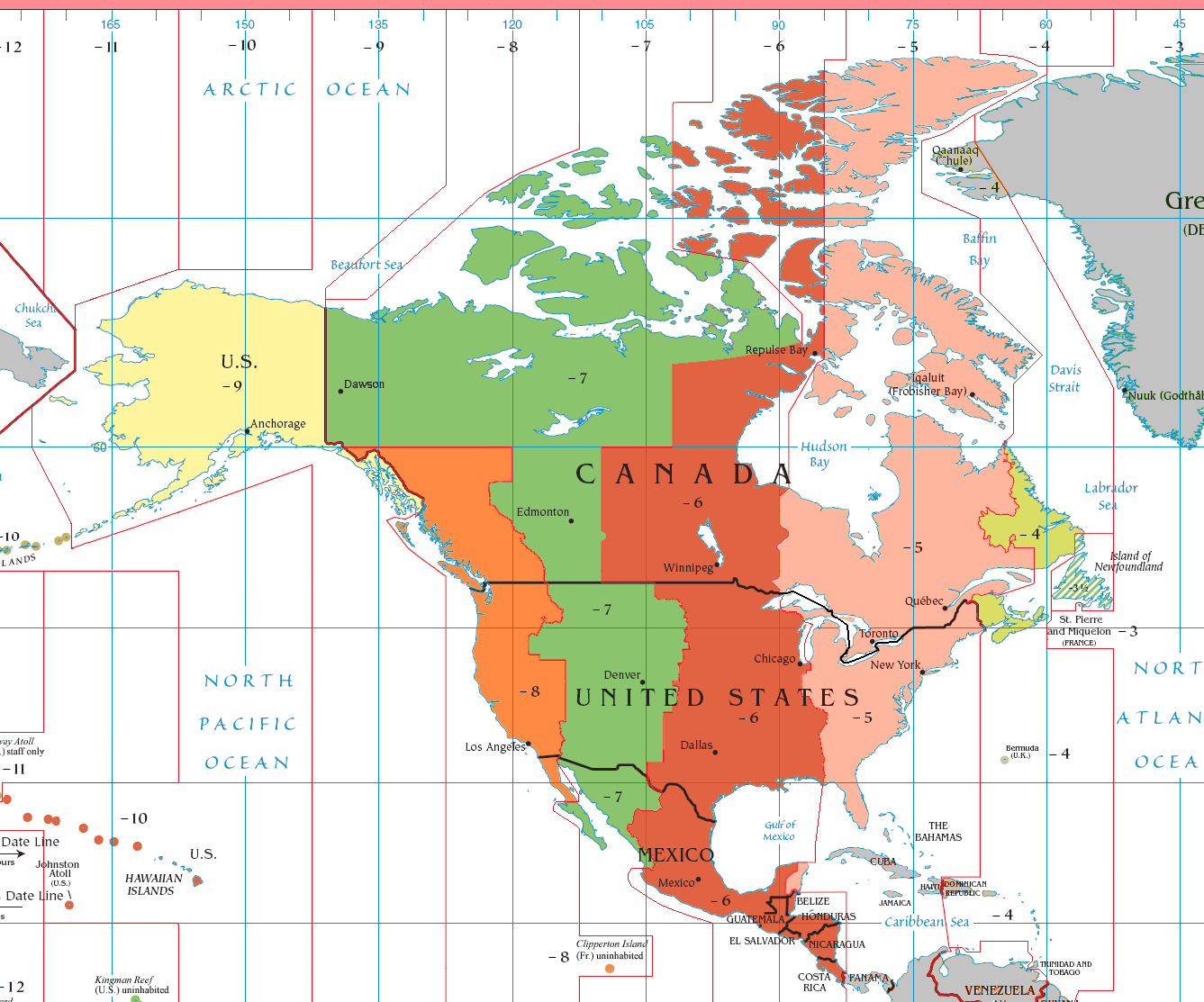
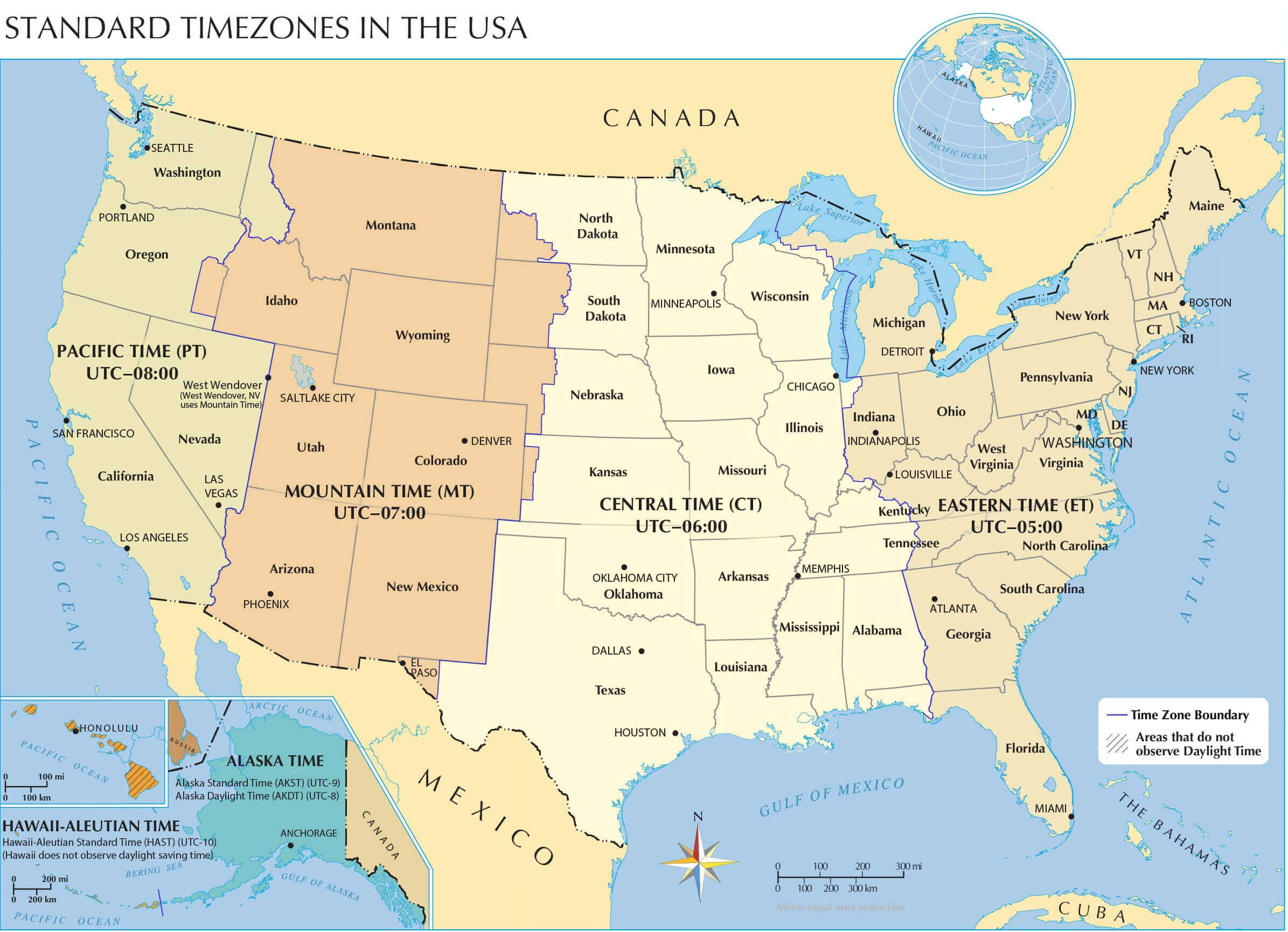
California is located in the Pacific Time Zone, which adheres to a standard offset from Universal Coordinated Time (UTC). This consistency across the entire state simplifies logistics, whether you’re exploring the bustling urban landscapes of Los Angeles, the iconic hills of San Francisco, or the serene beaches of San Diego.

The Basics of California’s Time Zone
During the winter months, from early November to mid-March, California observes Pacific Standard Time (PST). PST is 8 hours behind Universal Coordinated Time (UTC-8). This means that when it is noon UTC, it is 4 AM in California. This consistent offset allows travelers from other parts of the world to quickly calculate the time difference, which is essential for scheduling flights, making hotel reservations, and coordinating with local contacts. For instance, someone traveling from London, which is on GMT/UTC+0, would find California to be 8 hours behind. An individual flying in from New York on Eastern Standard Time (EST), which is UTC-5, would experience a 3-hour time difference.
Daylight Saving Time in California
Like most of the United States, California observes Daylight Saving Time (DST). This annual practice shifts the clock forward by one hour, effectively moving the state from PST to Pacific Daylight Time (PDT). PDT is 7 hours behind Universal Coordinated Time (UTC-7).
Daylight Saving Time typically begins on the second Sunday in March and ends on the first Sunday in November. For travelers, this transition is critical to note. If your trip spans these changeover dates, or if you are planning activities around them, ensure your itinerary reflects the correct time. For example, a morning tour booked for 9 AM on the day DST begins will suddenly be an hour earlier relative to your internal clock, while at the end of DST, the morning will feel an hour later. Always confirm timings for flights, tours, and appointments if traveling during these periods.
Navigating Time Zone Changes for Travelers
The journey to California from different parts of the world or even across the country often involves crossing multiple time zones. Understanding and preparing for this can significantly mitigate common travel woes like jet lag and ensure a smoother vacation.
Arriving in California: Adjusting to PST/PDT
The most noticeable impact of time zones on travelers is jet lag. When traveling east to west, as many do when flying to California from the East Coast of the United States or Europe, you “gain” hours, making your internal clock feel much later than local time upon arrival. Conversely, when traveling west to east, you “lose” hours, making your internal clock feel much earlier. For a smooth transition:
- Adjust Before You Go: A few days before your flight, gradually shift your sleep schedule by an hour or two in the direction of California’s time.
- Hydrate and Rest: Drink plenty of water and avoid excessive alcohol or caffeine during your flight. Prioritize sleep on the plane if possible.
- Embrace the Sun: Upon arrival, expose yourself to natural light as much as possible, especially in the morning. This helps reset your circadian rhythm.
- Stay Active: Gentle exercise, like a walk along the Santa Monica Pier or through Golden Gate Park, can help your body adjust more quickly.
- Eat Local Time Meals: Try to eat meals according to local California time, even if you’re not hungry.
Planning Activities and Bookings
Every aspect of your California itinerary will be governed by the local time zone. When making reservations for restaurants in Napa Valley, booking a studio tour in Hollywood, or scheduling a visit to Disneyland, always ensure you are considering PST/PDT.
- Confirmation is Key: Double-check all booking confirmations, especially flight arrival and departure times. A seemingly minor miscalculation of a time zone can lead to missing a connection or an important tour.
- Appoint a “Local Time” Reference: When traveling with a group, designate one clock or phone as the official “local California time” to avoid confusion.
- Early Mornings: Be mindful that if you arrive late at night after a long flight, your body might still think it’s evening, making early morning activities challenging the next day. Build in buffer time for adjustment.
Communication Across Time Zones
For business travelers or those wanting to keep in touch with family and friends back home, understanding the time difference is paramount. A call to someone on the East Coast (3 hours ahead) needs careful timing to avoid waking them up, and a video conference with Europe (8-9 hours ahead) will likely require an early morning or late evening slot in California. Utilize world clock apps or online converters to easily calculate time differences and schedule your communications effectively. This ensures you can maintain connections without disrupting your travel experience or the schedules of those you’re contacting.
Regional Nuances and Cross-Border Considerations
While California itself is uniformly in the Pacific Time Zone, its proximity to other states and countries means travelers must be aware of potential time changes when venturing beyond its borders.
California’s Uniformity
One of the conveniences of traveling within California is that the entire state adheres to the same time zone. From the northern redwood forests near Eureka to the southern deserts close to the Mexican border, and from the coastal cities to the Sierra Nevada mountains, all clocks are synchronized. This eliminates the need for travelers to constantly adjust their watches when moving between different regions within the state, making multi-city itineraries like a drive from San Francisco to Los Angeles or a road trip along Highway 1 much simpler to plan without time zone disruptions.
Bordering States and Their Time Zones
Traveling from California into neighboring states, however, does require attention to time zone changes.
- Nevada and Oregon: Most of Nevada, including popular destinations like Las Vegas and Reno, operates on Pacific Time. Similarly, Oregon also follows Pacific Time. This makes cross-state trips to places like Lake Tahoe (which straddles the California-Nevada border) or a scenic drive up the Pacific Coast into Oregon seamless from a time perspective.
- Arizona: This is where it gets interesting for travelers. Arizona observes Mountain Standard Time (MST) year-round and does not observe Daylight Saving Time, with the exception of the Navajo Nation. This means that during PST (winter), Arizona is one hour ahead of California. However, during PDT (summer), Arizona is on the same time as California. This can be a source of confusion for travelers heading to attractions like the Grand Canyon or the Hoover Dam from California, especially during the summer months when the time difference disappears. Always confirm local time when crossing the California-Arizona border.
International Travel Implications
For international travelers, especially those arriving from Asia or Australia, the time difference can be substantial, often spanning a full day. Understanding the offset from your home country’s time to PST/PDT is crucial for:
- Flight Schedules: Ensure you are accounting for the “date line” effect if crossing the Pacific Ocean.
- Communication: Scheduling video calls or phone calls back home requires significant planning to find a mutually convenient time.
- Business Travelers: For those on a business trip, aligning meeting schedules with international partners demands meticulous attention to time zones.
Practical Tips for Minimizing Jet Lag and Maximizing Your Trip
Beyond knowing the time zone, incorporating smart travel strategies can significantly enhance your experience in California.
Before You Depart
Preparation begins long before you board your flight.
- Update Devices: Ensure your smartphone, tablet, and any other electronic devices are set to automatically update their time zone, or manually set them to California time before you land.
- Inform Contacts: Let family and colleagues know your travel schedule and the time zone difference so they understand when to best reach you.
- Plan Strategically: If possible, schedule a slightly later arrival time into California if you’re coming from a significant time difference, allowing for a better night’s sleep on your first night.
During Your Flight
The in-flight experience plays a major role in your adjustment.
- Hydration is Key: Air travel is dehydrating. Drink plenty of water throughout your flight.
- Adjust Sleep: If flying overnight, try to sleep on the plane according to what would be nighttime in California. Use an eye mask and earplugs to aid rest.
- Move Around: Periodically get up and walk the aisle to promote circulation and prevent stiffness.
Upon Arrival in California
The first few days are crucial for adapting to the new time.
- Embrace the Local Rhythm: Try to immediately adopt the local California schedule for meals and sleep, no matter how disoriented your body feels.
- Sunlight Exposure: Seek out natural daylight, especially in the morning. This helps to reset your circadian rhythm, signaling to your body that it’s daytime.
- Avoid Napping (Initially): While tempting, try to avoid long naps on your first day, as they can disrupt your ability to sleep through the night. If you must nap, keep it short (20-30 minutes).
- Stay Active: Engage in light physical activity like walking to explore your surroundings. This can help you feel more alert and tired enough for a good night’s sleep.
- Prioritize Sleep: Ensure your accommodation in California is conducive to sleep – dark, quiet, and cool. A good night’s sleep is the best remedy for jet lag.
By understanding California’s time zone, PST/PDT, and planning accordingly, travelers can mitigate potential disruptions and fully immerse themselves in the vibrant experiences the state has to offer, from the pristine beaches to the towering redwoods.
LifeOutOfTheBox is a participant in the Amazon Services LLC Associates Program, an affiliate advertising program designed to provide a means for sites to earn advertising fees by advertising and linking to Amazon.com. Amazon, the Amazon logo, AmazonSupply, and the AmazonSupply logo are trademarks of Amazon.com, Inc. or its affiliates. As an Amazon Associate we earn affiliate commissions from qualifying purchases.