
Planning a trip to the neon-soaked heart of the Mojave Desert requires more than just booking a room and selecting a show; it demands an intimate understanding of the desert climate. Whether you are arriving for a high-stakes business conference or a whirlwind vacation, knowing the weather in Las Vegas is the first step toward a seamless experience. The city’s environment is defined by its extreme temperature swings, brilliant sunshine, and the occasional, dramatic shift in atmospheric pressure.
Understanding the Desert Climate of Southern Nevada
The meteorological profile of Nevada is characterized by a subtropical, hot desert climate. Unlike coastal cities, the humidity in this region is remarkably low, which often makes the heat feel more manageable—until it peaks.
Seasonal Temperature Fluctuations
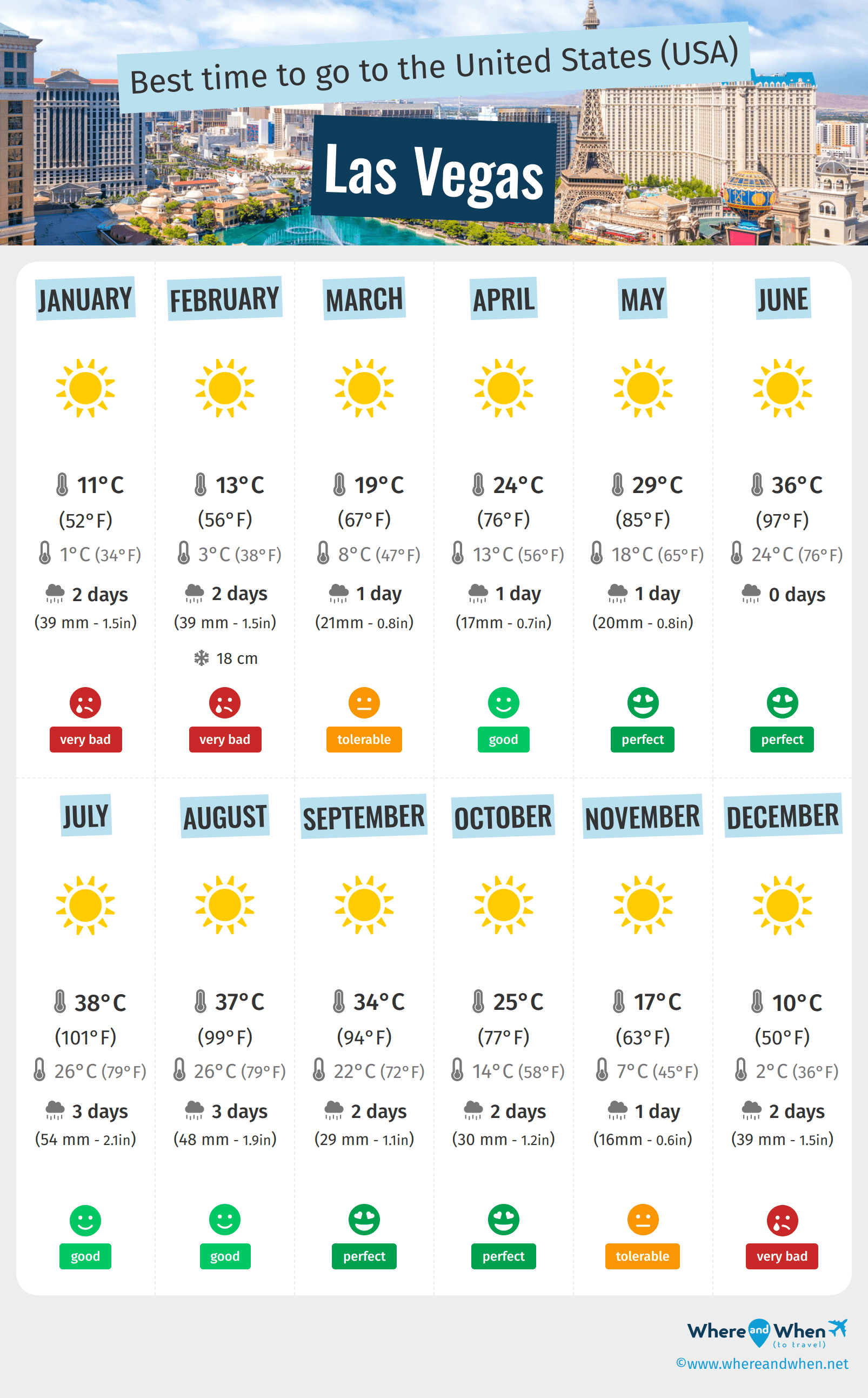
The weather in Las Vegas follows a classic desert cycle. Summer temperatures frequently soar well above 100 degrees Fahrenheit, turning the Las Vegas Strip into a shimmering mirage of heat and light. Conversely, winter evenings can be surprisingly biting, with temperatures occasionally dipping near or below freezing, especially when the crisp desert air settles over the valley.
The Role of Low Humidity
Because there is very little moisture in the atmosphere, the sun’s intensity is magnified. Visitors often underestimate how quickly dehydration can occur, even when they do not feel the typical “sticky” sensation of humidity. Staying hydrated while walking between the Bellagio and Caesars Palace is essential for any traveler’s well-being.
Navigating the Peak Heat of Summer
During the height of summer, usually spanning from June through early September, the city experiences its most intense weather patterns. While the interior of mega-resorts like The Venetian or Wynn Las Vegas remains climate-controlled to perfection, the transition between indoor and outdoor spaces is where the challenge lies.
Daytime Outdoor Strategy
Midday sun in the desert is unforgiving. If you are planning an excursion to Red Rock Canyon or Hoover Dam, it is best to complete these activities in the early morning hours. By noon, the UV index is typically at its highest, and the heat radiating off the asphalt can be physically draining.
The Benefit of Indoor Attractions
When the mercury rises, the city shifts its focus inward. From the opulent shopping at The Forum Shops at Caesars to the world-class culinary experiences found throughout the MGM Grand, you can easily spend an entire day without ever needing to brave the blistering midday sun. The architecture of the modern resort is designed specifically to insulate guests from the harsh external climate, allowing for a luxury travel experience that remains unaffected by the desert heat.
The Mild Charms of Spring and Autumn

For many travelers, the optimal time to visit Las Vegas is during the shoulder seasons. Spring and autumn offer a respite from the extreme heat of summer and the potential chill of winter, providing an ideal climate for exploring the Fremont Street Experience or enjoying an outdoor meal at The Cosmopolitan of Las Vegas.
Ideal Weather for Outdoor Sightseeing
During these months, the daytime highs typically hover in the comfortable 70s and 80s Fahrenheit range. This allows for long, leisurely walks down the Las Vegas Boulevard, where you can appreciate the architectural marvels of the Stratosphere and other iconic landmarks without the need for constant shade.
Evening Comfort
Evenings during the spring and autumn are legendary in the desert. As the sun dips below the horizon, the temperature drops rapidly, creating a cool, pleasant environment that is perfect for rooftop bars or late-night strolls near the Fountains of Bellagio. The lack of cloud cover almost guarantees a crystal-clear view of the stars, provided you move away from the intense artificial glow of the city center.
Winter in the Desert: What to Expect
Winter weather in Las Vegas is frequently misunderstood. While many assume that the desert is always warm, December and January can be quite cold. However, the trade-off is the brilliant, unending sunshine that persists throughout the season.
Dressing for Variable Conditions
Packing for a winter trip requires layers. You might start your morning with a jacket while visiting the Mob Museum and end your afternoon sitting by a pool at the Mandalay Bay in a light sweater. The key is versatility. Even on cold days, the intensity of the winter sun can feel surprisingly warm, but the moment you enter the shadows or the sun sets, the temperature drops significantly.
Off-Season Advantages
The cooler weather actually drives many travelers toward indoor activities, which can result in shorter wait times at popular destinations like Area15 or the High Roller Observation Wheel. Furthermore, hotel rates are often more competitive during the cooler months, making winter an excellent time for those looking for a luxury getaway at a fraction of the summer price.
Planning for Unpredictable Weather Patterns
While the Mojave Desert is reliably sunny, weather patterns can still fluctuate. Occasional summer thunderstorms, known as the “monsoon season,” can bring sudden, intense rainfall. While these storms are usually brief, they can lead to localized flooding and briefly disrupt outdoor entertainment options.
Checking the Forecast
Before heading out to Downtown Las Vegas or planning a trip to Valley of Fire State Park, always check the local meteorological reports. Digital forecasts are highly accurate for the region, and being aware of a sudden wind advisory or a temperature drop will help you adjust your itinerary.

The Final Word on Comfort
Regardless of what the thermometer says on your specific day of travel, the secret to enjoying Las Vegas lies in your level of preparation. Bring sunglasses and sunscreen regardless of the season, carry a light layer for indoor air conditioning or chilly desert nights, and always keep a bottle of water nearby. By respecting the power of the desert climate and choosing your activities based on the daily forecast, you can ensure that your experience in this vibrant city is as comfortable as it is memorable. From the top of the Paris Las Vegas Eiffel Tower replica to the quiet desert trails just miles away, the weather is simply one more factor to embrace as part of your unique desert adventure.
LifeOutOfTheBox is a participant in the Amazon Services LLC Associates Program, an affiliate advertising program designed to provide a means for sites to earn advertising fees by advertising and linking to Amazon.com. Amazon, the Amazon logo, AmazonSupply, and the AmazonSupply logo are trademarks of Amazon.com, Inc. or its affiliates. As an Amazon Associate we earn affiliate commissions from qualifying purchases.