
San Francisco, a city synonymous with iconic landmarks like the Golden Gate Bridge and a vibrant cultural tapestry, is also famously known for its distinctive and often surprising weather patterns. Often misunderstood by visitors who envision perpetual sunshine, the reality of San Francisco weather is far more nuanced, shaped by its unique geography, proximity to the Pacific Ocean, and the famous marine layer. Understanding these elements is crucial for any traveler planning a visit to this captivating city, ensuring you pack appropriately and can fully embrace all that San Francisco has to offer, regardless of the forecast.

The Microclimates of San Francisco
One of the most defining characteristics of San Francisco weather is its prevalence of microclimates. The city is a compact peninsula, and the differences in temperature, sunshine, and wind can be dramatic within just a few miles. This phenomenon is largely driven by the interplay between inland heat and the cool, moist air from the Pacific Ocean.
The Pacific Influence: Fog and Cool Breezes
The vast, cool waters of the Pacific Ocean are the primary driver of San Francisco’s climate. During warmer months, especially from late spring through early fall, a consistent flow of cool, moist air moves inland. This air mass, known as the marine layer, is a defining feature of a San Francisco summer.
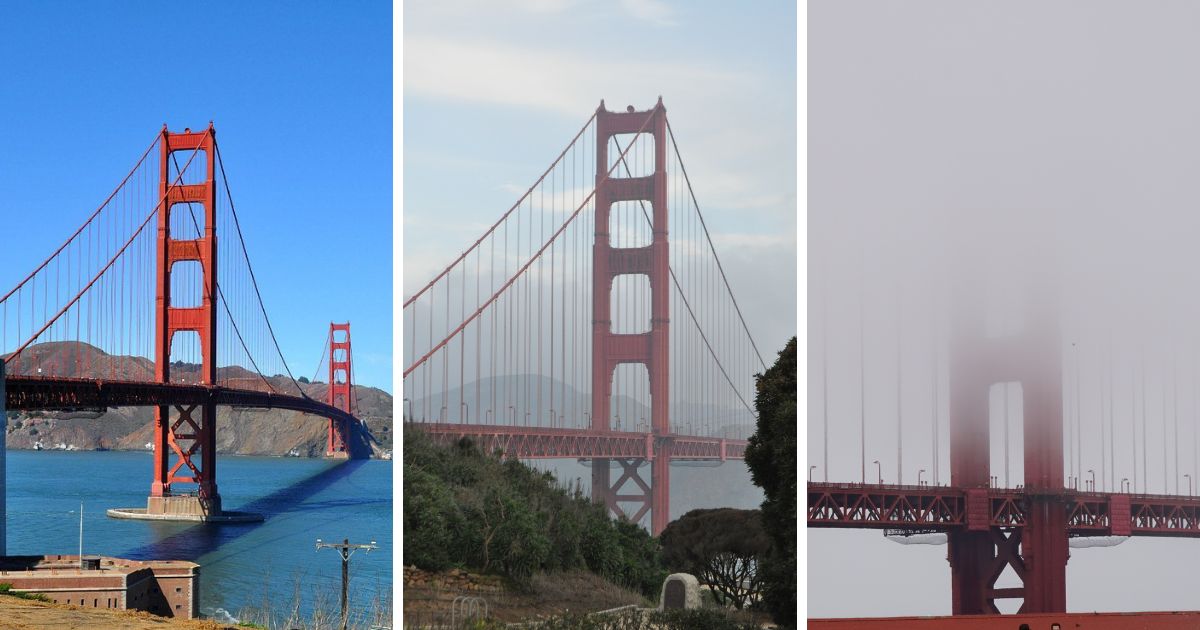
- Morning Fog: It’s not uncommon for the day to begin shrouded in a thick, coastal fog, often referred to as “Karl the Fog” by locals. This fog is particularly dense in the western parts of the city, near the ocean, and can obscure views of landmarks. However, it also acts as a natural air conditioner, keeping temperatures mild even in July and August.
- Afternoon Clearing: As the inland temperatures rise, the differential in pressure often pulls the marine layer further into the city. While the western neighborhoods might remain cool and foggy, areas further east, closer to the San Francisco Bay, may experience sunshine and warmer temperatures. This clearing process can happen quite rapidly, transforming a grey morning into a pleasant afternoon.
- Coastal Breezes: Even on sunnier days, a persistent breeze originating from the ocean is a common occurrence, especially along the coast and in areas like Ocean Beach. This breeze can make even warm-feeling days feel cooler, particularly in shaded areas or when standing still.
Inland Heat vs. Coastal Cool
The contrast between the city’s western, coastal areas and its eastern, more inland neighborhoods is striking.
- Western Districts: Neighborhoods like the Richmond District and the Sunset District, which are directly exposed to the Pacific, tend to be significantly cooler and foggier year-round. Even in the height of summer, daytime temperatures here might hover in the 60s Fahrenheit (15-20°C).
- Eastern Districts: Areas further east, such as the Mission District, Hayes Valley, and parts of downtown, often experience much warmer and sunnier conditions. These neighborhoods are more sheltered from the ocean winds and can enjoy temperatures in the 70s or even 80s Fahrenheit (21-27°C) on pleasant afternoons, even when the coast is socked in.
- The Transition Zones: Many popular tourist areas, including Fisherman’s Wharf and North Beach, fall into these transition zones. They can experience a mix of fog and sun, often with a noticeable breeze.
Seasonal Weather Patterns
While San Francisco is known for its mild temperatures year-round, there are distinct seasonal shifts that influence the weather.
Summer (June – August): The “Fogust” Phenomenon
Contrary to what many expect from a summer destination, San Francisco’s summer is characterized by cool temperatures and the persistent marine layer.
- Coolest Months: Paradoxically, July and August are often the coolest and foggiest months. This is when the temperature gradient between the ocean and the inland valleys is most pronounced, driving the strongest onshore flow.
- Sunny Escapes: If you’re seeking sunshine during these months, head east towards neighborhoods like the Mission District or the East Bay.
- What to Pack: Layers are paramount. Think t-shirts, light sweaters, a windbreaker, and perhaps a light waterproof jacket. Evenings can be chilly by the water.
Autumn (September – November): The Best of Both Worlds
Autumn is widely considered the most pleasant season in San Francisco, often referred to as the city’s “Indian Summer.”
- Warmest Temperatures: The ocean waters have warmed up, and the inland valleys are still hot, leading to a reduction in the marine layer’s strength. This results in warmer temperatures and more consistent sunshine across the city.
- Less Fog: Foggy days become less frequent, and when they do occur, they tend to burn off earlier in the day.
- Ideal for Exploration: September and October often offer the most comfortable weather for exploring the city’s many attractions, from walking across the Golden Gate Bridge to exploring the shops and cafes of Hayes Valley.
- What to Pack: You can get away with lighter clothing, but still keep layers handy. A light jacket or sweater is advisable for cooler evenings.
Winter (December – February): The Rainy Season
San Francisco’s winter is mild compared to many other parts of the country, but it is also the primary rainy season.
- Rainfall: While not characterized by torrential downpours, you can expect intermittent rain showers throughout the winter months. The rain is often light but can be persistent.
- Cooler Temperatures: Daytime temperatures are generally in the 50s Fahrenheit (10-15°C), with cooler evenings. Frost is rare.
- Fog Persists: The marine layer is still present, but its intensity can vary. You might experience clearer, crisp days interspersed with foggy ones.
- What to Pack: Waterproof jackets, umbrellas, and waterproof shoes are essential. Layers are still key to adapting to the fluctuating temperatures.
Spring (March – May): A Gradual Transition
Spring in San Francisco is a period of transition, with weather patterns gradually shifting from winter rains to the characteristic summer fog.
- Variable Conditions: You might experience a mix of sunny, crisp days and cooler, overcast ones. Rain becomes less frequent as the season progresses.
- Increasing Fog: As spring moves into May and June, the marine layer begins to reassert itself, leading to more frequent morning fog and cooler coastal temperatures, signaling the start of “Fogust.”
- Blooming Flowers: Despite the variable weather, spring is a beautiful time to visit, with many of the city’s parks and gardens bursting into bloom.
- What to Pack: Similar to autumn, layers are your best friend. A light jacket, sweater, and perhaps a light rain shell will cover most eventualities.
Practical Tips for Navigating San Francisco Weather
Understanding San Francisco’s unique weather patterns can significantly enhance your travel experience. Here are some essential tips for planning and packing:
The Art of Layering
This is the golden rule of San Francisco dressing. Temperatures can fluctuate significantly throughout the day and even within short distances. Always have at least three layers:
- Base Layer: A t-shirt or long-sleeved shirt.
- Mid Layer: A sweater, fleece, or hoodie.
- Outer Layer: A windbreaker or a light, waterproof jacket. This is crucial for combating the ocean breeze and any unexpected mist or rain.
Checking the Forecast – With a Caveat
While weather apps are useful, remember that San Francisco’s microclimates mean the forecast for downtown might not reflect conditions at Ocean Beach or the Golden Gate Park. If you’re planning activities in different parts of the city, it’s wise to check localized forecasts or be prepared for variations.
Footwear for Comfort and Versatility
You’ll likely be doing a lot of walking, so comfortable shoes are a must. Waterproof or water-resistant options are a good idea, especially if you’re visiting during the winter months or plan to explore areas near the coast. Comfortable sneakers or walking shoes are generally ideal.
Sun Protection, Even on Foggy Days
The sun’s rays can still be potent, even when filtered through fog, especially at higher altitudes or near the water. Consider bringing sunscreen, sunglasses, and a hat, as you might encounter periods of bright sunshine.
Embracing the Elements
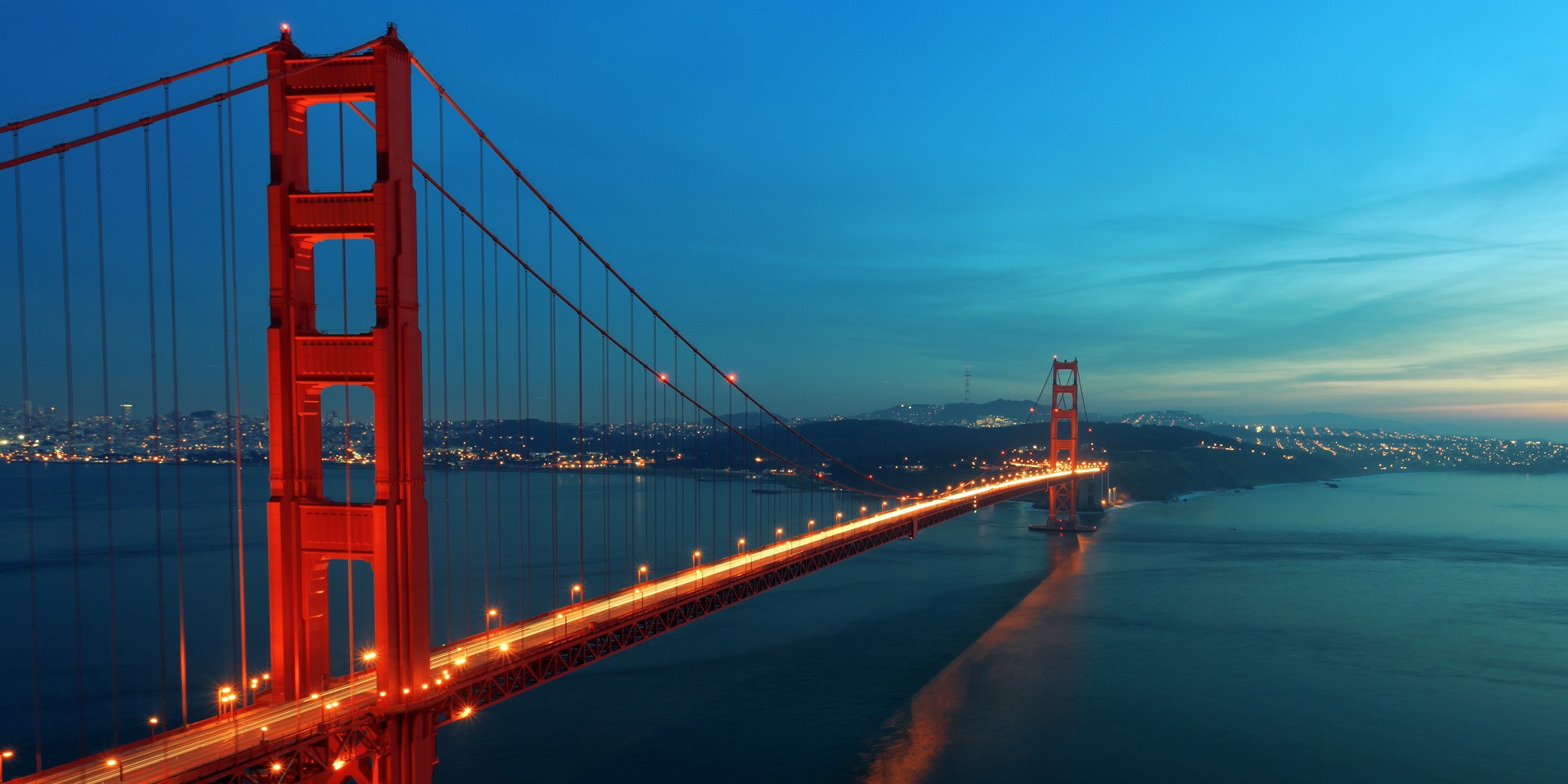
Ultimately, San Francisco’s weather is part of its charm. The fog rolling in over the Golden Gate Bridge, the crisp, sunny afternoons in the eastern neighborhoods, and the refreshing ocean breeze all contribute to the city’s unique atmosphere. By understanding and preparing for these conditions, you can ensure your visit to this dynamic city is comfortable, enjoyable, and memorable. Whether you’re exploring the historic streets of Chinatown, enjoying the vibrant culinary scene in the Mission District, or taking in panoramic views from Twin Peaks, embracing the weather will undoubtedly lead to a richer experience.
LifeOutOfTheBox is a participant in the Amazon Services LLC Associates Program, an affiliate advertising program designed to provide a means for sites to earn advertising fees by advertising and linking to Amazon.com. Amazon, the Amazon logo, AmazonSupply, and the AmazonSupply logo are trademarks of Amazon.com, Inc. or its affiliates. As an Amazon Associate we earn affiliate commissions from qualifying purchases.