
When planning a trip to New York, the iconic metropolis that never sleeps, many travelers focus on securing the best flights, identifying must-see landmarks, and reserving a comfortable hotel or accommodation. While these are undoubtedly crucial aspects of any itinerary, understanding the seemingly mundane concept of a zip code can profoundly enhance your travel experience, offering insights into navigation, localized culture, and even the lifestyle of specific neighborhoods. Far from being a mere postal code, a zip code in New York City is a key that unlocks a deeper understanding of its intricate geography, diverse communities, and the unique character of its many districts.

New York, often referred to as the “Capital of the World,” is a sprawling urban landscape composed of five distinct boroughs: Manhattan, Brooklyn, Queens, The Bronx, and Staten Island. Each borough is a microcosm of cultures, histories, and experiences, further subdivided into countless vibrant neighborhoods. Navigating this immense urban tapestry, whether you’re a first-time visitor or a seasoned explorer, can be overwhelming without a reliable system. This is where the zip code comes into play, serving as an invaluable tool for everything from pinpointing specific attractions to choosing the ideal base for your stay, aligning with your preferred travel style, be it luxury travel or budget travel.
This article delves into the world of New York zip codes, explaining their structure, their evolution, and most importantly, how travelers and those interested in tourism can leverage this knowledge to enrich their visit. We’ll explore how these numerical identifiers are more than just mailing addresses; they are geographical markers that reveal layers of local culture, economic insights, and practical navigational advantages, ultimately guiding you through the incredible diversity that defines one of the world’s most dynamic destinations.
Understanding New York City’s Zip Code System
The zip code system, an acronym for Zone Improvement Plan, was introduced by the United States Post Office Department (now the United States Postal Service, or USPS) in 1963 to streamline mail delivery. For a city as densely populated and geographically complex as New York, this system became an indispensable organizational framework, evolving over decades to meet the demands of an ever-growing metropolis.
The Basics of Zip Codes: Purpose and Structure
At its core, a zip code is a five-digit numerical code that identifies a specific postal delivery area. The first digit indicates a broad United States geographical area, ranging from 0 (Northeast) to 9 (West Coast). Given New York’s location, most of its zip codes begin with a ‘1’. The next two digits narrow down the region within that area, often pointing to a specific sectional center facility that processes mail. The final two digits then identify a smaller post office or delivery zone within that sectional center.
Beyond the basic five-digit code, the USPS also introduced ZIP+4 codes in the 1980s. These nine-digit codes provide even greater precision, appending a hyphen and four additional digits that identify a specific segment within a five-digit delivery area, such as a side of a street, a building, or even a specific floor in a large commercial building. While the full nine-digit code is mostly used for bulk mailers and businesses, understanding its existence highlights the granular level of organization zip codes offer, even if travelers typically only need the five-digit version.
NYC’s Unique Challenges and Evolution
New York City’s unparalleled population density and rapid urban development presented unique challenges for implementing and maintaining an effective zip code system. Unlike many suburban or rural areas where zip code boundaries might follow natural geographical features or municipal lines, New York’s zip codes often conform to highly specific blocks or clusters of buildings. This intricate mapping reflects the city’s vertical growth and the sheer volume of mail handled daily.
Over time, as neighborhoods evolved, populations shifted, and new developments emerged, zip code boundaries have been adjusted. What might have once been a single zip code could be subdivided to accommodate growth, or boundaries might be redrawn to better reflect newly established community identities or commercial zones. For instance, the zip codes in Manhattan are particularly concentrated, with several distinct codes often existing within a single square mile, a testament to the borough’s intense urbanization. This evolving nature means that while zip codes are stable for practical purposes, their history is tied to the dynamic growth of the city itself.
Decoding the Digits: A NYC Context
For a visitor, understanding the general pattern of New York City zip codes can provide immediate geographical orientation. Most Manhattan zip codes, for example, start with 100xx, indicating its primary role as the heart of the city. As you move northward within Manhattan, the last two digits tend to increase, with downtown areas like the Financial District or Greenwich Village (e.g., 10004, 10014) having lower numbers, and uptown areas like the Upper East Side or Harlem (e.g., 10028, 10036) having higher numbers.
Brooklyn generally uses 112xx, Queens 111xx, 113xx, 114xx, The Bronx 104xx, and Staten Island 103xx. These general patterns, while not absolute, offer a quick reference point for identifying a location’s borough and general area, even if you only have a five-digit number. This basic understanding transforms a string of numbers into a rudimentary geographical compass, immensely useful for any traveler navigating the city’s vastness.
Zip Codes as Navigational Tools for Travelers and Tourists
For anyone planning travel to New York, zip codes are far more than administrative details; they are powerful navigational tools that can significantly enhance the planning and execution of your trip. From finding specific points of interest to choosing the ideal place to stay, zip codes offer a precision that can streamline your experience.
Pinpointing Destinations and Attractions
Imagine you’re searching for directions to the Empire State Building or wanting to locate the exact entrance to a specific part of Central Park. While street addresses are essential, a zip code can often be a quicker and more effective search parameter on mapping applications or GPS devices. Many iconic New York landmarks and attractions are associated with specific zip codes that immediately place them within their respective neighborhoods. For example, knowing that Times Square falls largely within the 10036 zip code instantly brings up a wealth of relevant information, including nearby restaurants, theaters (many on Broadway), and transit options.
This specificity is especially useful when dealing with sprawling destinations like the Metropolitan Museum of Art (10028) or Rockefeller Center (10020), where knowing the zip code can help differentiate between various entrances or adjacent points of interest. It allows travelers to bypass broad area searches and get directly to the information pertinent to their immediate destination, saving precious time and reducing potential confusion in a city with millions of residents and visitors.
Finding the Perfect Accommodation
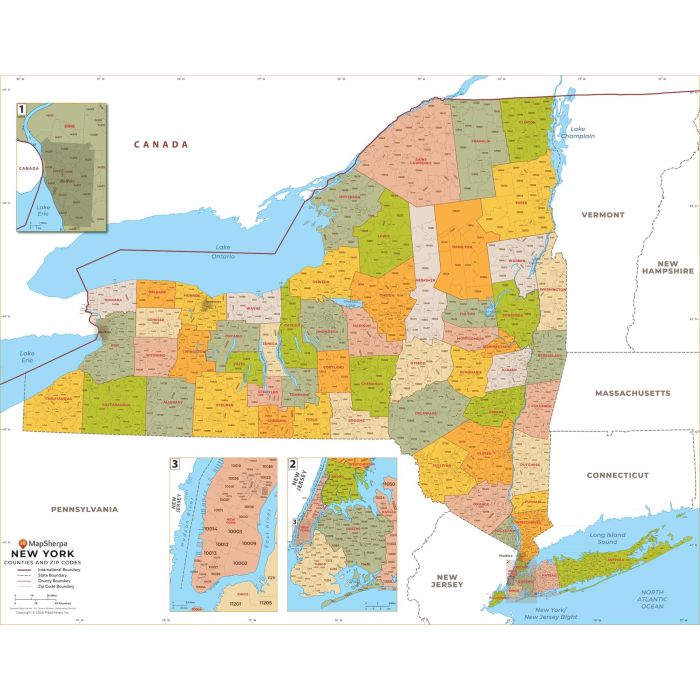
One of the most practical applications of zip codes for tourists is in the realm of accommodation and hotel booking. Travel websites and booking platforms frequently allow users to filter search results by zip code, enabling a highly targeted approach to finding the perfect place to stay. Whether you’re looking for suites with spectacular views, a cozy apartment rental, or a family-friendly resort, inputting a specific zip code can narrow down options to your preferred neighborhood.
For instance, if you dream of staying in the vibrant nightlife hub of Meatpacking District, searching for 10014 will present hotels and vacation rentals within that trendy area, known for its boutique hotels and upscale dining. If you prefer the quieter, residential charm of the Upper West Side, zip codes like 10023 or 10024 will guide you to accommodations closer to Central Park and the American Museum of Natural History. This method is invaluable for comparing options based on location, amenities, and proximity to specific interests, ensuring your booking aligns perfectly with your travel guides and desired experiences.
Exploring Local Culture and Cuisine
Zip codes often delineate distinct cultural enclaves and culinary hotspots within New York City. These numerical boundaries frequently correspond to neighborhoods with unique demographics, traditions, and, consequently, food scenes. For travelers interested in experiencing local culture and authentic dining, using zip codes can be an enlightening approach.
Consider Chinatown (predominantly 10013 and parts of 10002) versus Little Italy (partially within 10013 and extending to 10012). These adjacent neighborhoods, while close geographically, offer vastly different cultural and gastronomic experiences. By focusing on the zip codes, you can target your exploration to specific areas known for certain cuisines, festivals, or types of shops. This allows you to discover hidden gems and immerse yourself in the true spirit of various communities, from the historic brownstones of Brooklyn Heights (11201) to the artistic vibe of Williamsburg (11211). Understanding the geographical significance of a zip code transforms it into a compass for cultural discovery, offering invaluable tourism tips for those seeking genuine local interactions.
The Economic and Lifestyle Impact of New York Zip Codes
Beyond their practical use in navigation and mail delivery, zip codes in New York serve as powerful indicators of economic status, housing trends, and prevailing lifestyles. For travelers, particularly those interested in a deeper understanding of the city’s social fabric or making informed decisions about long-term stays, these insights are invaluable.
Real Estate and Accommodation Insights
Perhaps nowhere else in the United States do zip codes so starkly reflect real estate values and, by extension, the cost of accommodation. Certain zip codes, such as 10007 in Tribeca or 10065 on the Upper East Side, are synonymous with some of the most expensive properties in the world. This directly impacts the type and price of hotels, apartments, and villas available for rent.
Travelers seeking luxury travel experiences, including high-end suites or resorts with premium amenities, will naturally gravitate towards areas with these higher-value zip codes. Conversely, those prioritizing budget travel might look to zip codes further out in Brooklyn, Queens, or even The Bronx, where accommodation booking can be significantly more affordable. This relationship between zip code and cost is crucial for setting expectations and finding the right fit for your financial plan, whether you’re planning a quick getaway or considering extended business stays.
Demographic and Lifestyle Indicators
Beyond real estate, zip codes are often proxies for demographic data and prevailing lifestyles. A zip code can tell you a lot about the average age, income level, ethnic composition, and even political leanings of its residents. For visitors, this translates into insights about the feel of a neighborhood.
For instance, zip codes around Union Square (10003) suggest a vibrant, youthful, and artistic demographic, home to universities, trendy eateries, and lively parks. Zip codes in Riverdale in The Bronx (10471) indicate a more suburban, family-oriented environment with lush greenery and stately homes. This understanding helps tailor travel experiences. Are you looking for energetic nightlife? Head to zip codes known for their bars and clubs. Prefer quiet parks and family-friendly activities? Seek out residential zip codes with good schools and community centers. Zip codes effectively act as cultural shorthand, enabling travelers to connect with the specific atmosphere and amenities that best suit their preferences, from family trips to solo adventures.
Practical Applications for Visiting New York
Having explored the structure and deeper implications of zip codes in New York, it’s time to consolidate this knowledge into actionable tips for your next visit. Leveraging zip codes effectively can significantly enhance your planning, navigation, and overall enjoyment of the city.
Booking and Planning Your Trip
When you start planning your New York travel, incorporate zip codes into your research from the outset.
- Accommodation Search: Utilize the zip code filter on hotel booking sites or apartment rental platforms. If you want to stay near Grand Central Terminal, search for 10017. If your goal is to be close to the Statue of Liberty and Ellis Island ferries, look for hotels in the 10004 area. This allows for precise comparison and reviews of geographically relevant options.
- Itinerary Mapping: As you list destinations and attractions, note down their zip codes. This helps in grouping nearby points of interest for efficient daily itineraries. For example, several museums and cultural spots like the Museum of Modern Art (MoMA) (10019) and St. Patrick’s Cathedral (10022) are located relatively close to each other in Midtown Manhattan.
- Restaurant and Activity Planning: Use zip codes to find highly-rated restaurants, unique shops, or specific activities within a desired area. Many online food delivery services and local search engines allow zip code entry for hyper-local results, ensuring you’re exploring the authentic food scene of your chosen neighborhood.

Navigating New York City Transit
New York City’s public transportation system, managed by the MTA, is extensive but can be daunting. Understanding neighborhood zip codes can significantly aid in navigating the subway and bus systems.
- Station Identification: While subway stations are usually named after streets, knowing the zip code of your destination helps you identify the general area and therefore the most relevant subway lines or bus routes. For example, if you’re aiming for the 10011 zip code, you know you’re headed to Chelsea or Greenwich Village and can look for subway lines that serve those areas.
- Walking vs. Transit Decisions: With a clear understanding of zip code boundaries, you can better gauge distances between attractions. If two points are in the same zip code or adjacent ones, they might be within comfortable walking distance, allowing you to save on transit fares and experience more of the street life.
- Safety and Comfort: While New York City is generally safe, different neighborhoods have different vibes. Familiarizing yourself with the zip codes of areas you plan to visit can help you prepare for the atmosphere, especially when considering late-night activities or looking for quieter retreats.
In essence, embracing the zip code as a meaningful geographical identifier empowers you to move beyond the tourist clichés and truly immerse yourself in the authentic rhythms of New York. It transforms abstract numbers into a practical guide, enriching every aspect of your travel from initial planning to daily exploration.
In conclusion, the seemingly simple five-digit zip code in New York is a powerful, multifaceted tool for any traveler or resident. Far from a mere postal artifact, it serves as a geographical identifier, a cultural compass, and an economic indicator, all rolled into one. From simplifying your search for the perfect accommodation that aligns with your desired lifestyle and budget travel goals, to pinpointing specific landmarks and immersing yourself in the rich tapestry of local culture and cuisine, understanding New York’s zip code system unlocks a more informed and enriching tourism experience. It empowers you to navigate the city with greater confidence, make strategic decisions about your itinerary, and ultimately discover the hidden gems that lie within each of New York’s distinct neighborhoods. So, as you plan your next adventure to this incredible metropolis, remember the humble zip code—it’s your secret weapon for unlocking the best of what New York City has to offer.
LifeOutOfTheBox is a participant in the Amazon Services LLC Associates Program, an affiliate advertising program designed to provide a means for sites to earn advertising fees by advertising and linking to Amazon.com. Amazon, the Amazon logo, AmazonSupply, and the AmazonSupply logo are trademarks of Amazon.com, Inc. or its affiliates. As an Amazon Associate we earn affiliate commissions from qualifying purchases.