
When travelers dream of a tropical paradise characterized by sprawling lava fields, snow-capped peaks, and lush rainforests, they are often envisioning the Island of Hawaii. Within the archipelago that makes up the fiftieth state of the United States, there is one landmass that stands out for its sheer magnitude. This island, officially named Hawaii, is universally known as the Big Island to avoid confusion with the name of the entire state. As a premier travel destination, it offers an unparalleled diversity of ecosystems and experiences that are distinct from its sister islands like Maui, Oahu, or Kauai.
The Identity and Geography of the Island of Hawaii
The Big Island is a marvel of geological evolution and massive scale. Understanding its identity requires looking at both its physical size and its unique position within the Pacific Ocean.
Distinguishing the Big Island from the State
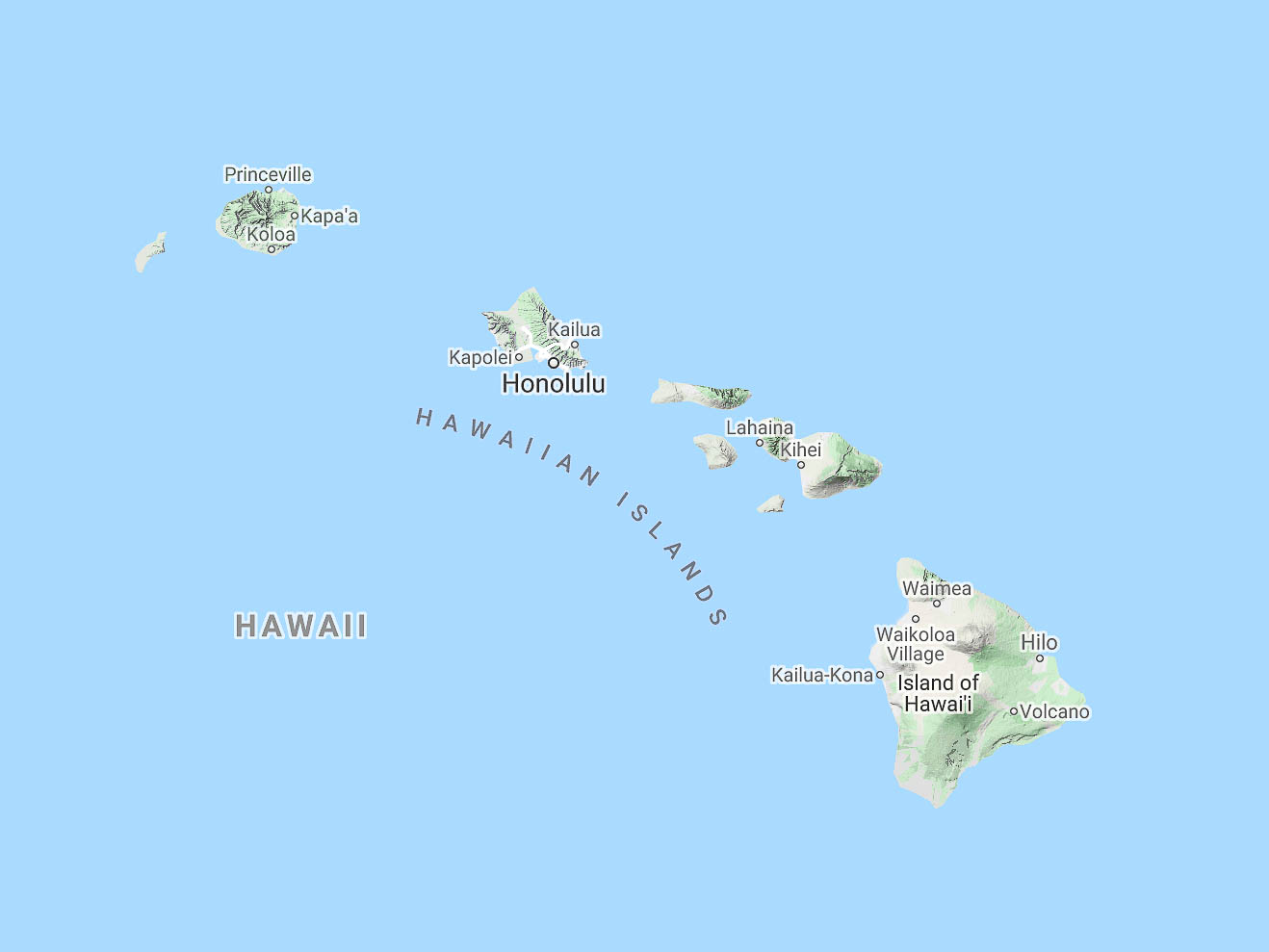
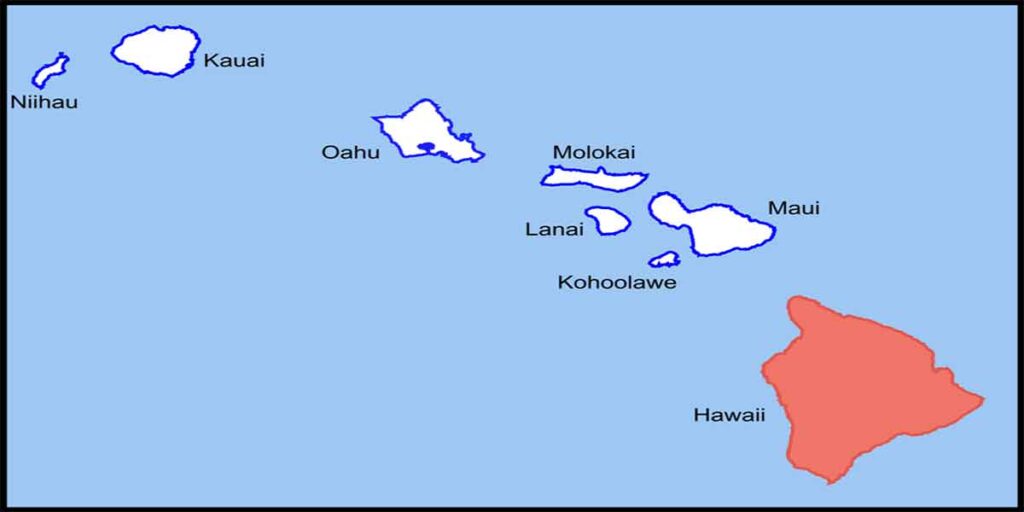
The primary reason for the nickname is practical: the state of Hawaii consists of eight main islands, including Molokai and Lanai, but the largest among them shares the state’s name. To clarify whether someone is referring to the entire chain or just this specific landmass, locals and visitors alike adopted the term Big Island. Spanning over 4,000 square miles, it is more than twice the size of all the other Hawaiian islands combined. This immense footprint is still growing, thanks to the continuous volcanic activity that adds new land to its shores.
A Land of Diverse Climate Zones
One of the most fascinating aspects of traveling to the Big Island is the opportunity to experience 10 of the world’s 14 different climate zones. Within a single day of exploration, a traveler can journey from the humid tropical heat of a coastal rainforest to the arid, desert-like conditions of the volcanic plains, and eventually to the polar tundra found at the highest elevations. This ecological diversity is driven by the island’s massive volcanic mountains, which act as barriers to the trade winds, creating distinct windward and leeward environments.
Major Regions and Coastal Gems
The Big Island is divided into several distinct regions, each offering a different atmosphere and set of attractions for the discerning traveler.
The Sunny Side: Kona and the Kohala Coast
The western side of the island is predominantly known for its sunshine and luxury. Kailua-Kona, often simply referred to as Kona, serves as the vibrant heart of this region. It is a hub for historical sites, shopping, and world-class coffee plantations. Further north lies the Kohala Coast, an area famous for its dramatic lava landscapes and high-end resorts. Here, you will find some of the most prestigious accommodations in the world, such as the Four Seasons Resort Hualalai and the Mauna Lani. This region is also home to the Hapuna Beach State Recreation Area, frequently cited as one of the best white-sand beaches in the country.
The Garden Side: Hilo and the Hamakua Coast
In stark contrast to the volcanic deserts of the west, the eastern side of the island is a lush, emerald paradise. Hilo, the island’s largest city and seat of government, is characterized by its historic charm and frequent rainfall, which feeds the surrounding tropical gardens. North of the city, the Hamakua Coast offers a scenic drive along towering sea cliffs and through deep, verdant valleys. This area is home to the stunning Akaka Falls State Park, where a short hike leads to a 442-foot waterfall plunging into a steam-carved gorge. Further along this coast, the sleepy town of Honokaa serves as the gateway to the majestic Waipio Valley.
Essential Natural Landmarks and Adventures
The Big Island is a destination for adventurers and nature lovers who seek to witness the raw power of the earth.

The Fiery Heart of Hawaii Volcanoes National Park
Perhaps the most iconic destination on the island is Hawaii Volcanoes National Park. This UNESCO World Heritage Site encompasses the summits of two of the world’s most active volcanoes: Mauna Loa and Kilauea. Visitors can hike across solidified lava lakes, explore the Thurston Lava Tube, and witness the ethereal glow of volcanic craters. The park provides a profound look at how the Hawaiian islands were formed and continue to evolve. It is a landscape that feels both prehistoric and brand new, offering an educational and spiritual experience that few other places on earth can match.
Touching the Stars at Mauna Kea
Rising 13,803 feet above sea level, Mauna Kea is technically the tallest mountain in the world when measured from its base on the ocean floor. Its summit is home to one of the most significant astronomical observatories on the planet. For travelers, a trip to the summit provides a breathtaking sunset view above the clouds, followed by some of the clearest stargazing opportunities available anywhere. The transition from the tropical coast to the sub-arctic summit is a testament to the geographic extremes that define the Big Island.
Coastal Wonders: Kealakekua Bay and Punalu’u
The island’s coastline is dotted with landmarks that are as culturally significant as they are naturally beautiful. Kealakekua Bay is a marine life conservation district famous for its crystal-clear waters and vibrant coral reefs. It is also the site where the British explorer Captain James Cook first made contact with the island and where he eventually met his end; a white monument stands on the shore in his honor. On the southern end of the island, travelers can visit Punaluu Black Sand Beach. This striking beach, formed by basaltic lava, is one of the few places where you can reliably see Hawaiian Green Sea Turtles basking on the dark sands.
Immersive Cultural Heritage
Beyond its natural splendor, the Big Island is deeply rooted in Hawaiian history and tradition. It was the birthplace of the chief who would eventually unite the islands and the site of many pivotal moments in the kingdom’s history.
Sacred Grounds at Pu’uhonua o Honaunau
Puuhonua o Honaunau National Historical Park is one of the most sacred cultural sites in Hawaii. Known as the “Place of Refuge,” this site was once a sanctuary for those who had broken a kapu (sacred law) or for defeated warriors. If a person reached the sacred grounds, they could be absolved by a priest and return to society. Today, visitors can walk among the reconstructed temples, wooden images of gods (kii), and the massive Great Wall, which was built around 1550. The park offers a serene and insightful look into the social and religious structures of ancient Hawaii.
The Legacy of King Kamehameha I
The Big Island is the ancestral home of King Kamehameha I. Born in the Kohala district, he rose to power and became the first monarch to unify the islands into the Kingdom of Hawaii. Several landmarks honor his legacy, including the original King Kamehameha Statue in Kapaau and the Puukohola Heiau National Historic Site. The latter features a massive stone temple built by the King’s own hands as a tribute to the war god Kukailimoku to ensure his success in the unification of the islands.
Planning Your Journey
Because the Big Island is so vast, a successful trip requires careful planning and a spirit of adventure.
Transportation and Exploration
Unlike the more compact islands of the archipelago, the Big Island necessitates a rental car for those who wish to see its various facets. Driving from the sunny shores of Captain Cook to the rainy valleys of the north or the southern tip near Naalehu can take several hours. Many travelers choose to split their stay between the Kona and Hilo sides to minimize driving time and maximize their immersion in the local culture. Exploring the rugged terrain might also lead you to Pololu Valley or Rainbow Falls, each requiring different levels of physical activity.
Whether you are looking for the relaxation of a resort on the Kohala Coast, the thrill of watching active lava at Hawaii Volcanoes National Park, or the historical depth of ancient Hawaiian temples, the Big Island delivers an experience that is as grand as its name suggests. It remains a cornerstone of Pacific travel, offering a window into the past, present, and future of these volcanic islands.
LifeOutOfTheBox is a participant in the Amazon Services LLC Associates Program, an affiliate advertising program designed to provide a means for sites to earn advertising fees by advertising and linking to Amazon.com. Amazon, the Amazon logo, AmazonSupply, and the AmazonSupply logo are trademarks of Amazon.com, Inc. or its affiliates. As an Amazon Associate we earn affiliate commissions from qualifying purchases.